Samhain: The Night of the Open Gate
Samhain · Summer's End · The Night of the Thin Veil · The Festival of Hidden Appearances · The Feast of Persephone, Pluton and Anubis, when the Sun stands in the middle of the Scorpion and the dead are near, 31 October
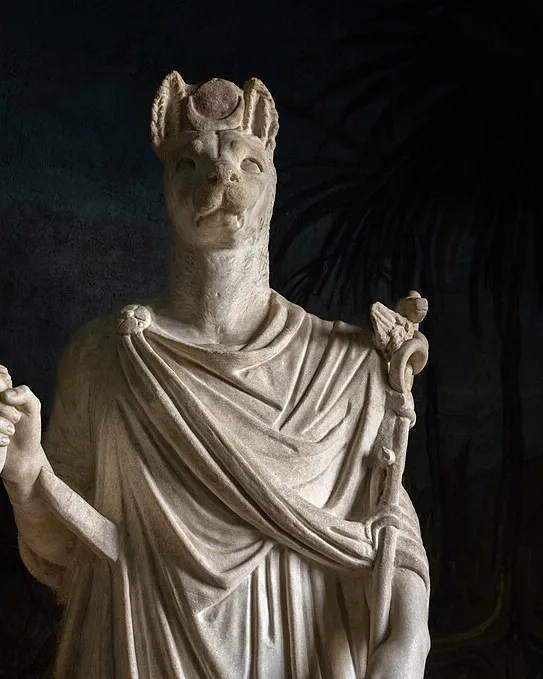
31 October, from sunset to dawn · the eve of the Celtic new year · Persephone, Queen Below; Pluton, King Beneath; Anubis, Opener of the Ways · Psalm VIII
The Festival at a Glance
| Festival | Samhain, Summer's End (Old Irish Samain; Gaulish Samonios); the Night of the Open Gate; the Festival of Hidden Appearances; the Feast of the Dead |
|---|---|
| Date | The night of 31 October, from sunset to the dawn of 1 November. The Celts began the day at sunset and the year at this night; the Temple keeps the fixed day of 31 October for the whole world, in both hemispheres. |
| Astronomical moment | The Sun at 15° Scorpio, the middle of the fixed water sign, the cross-quarter point between the Autumn Equinox and the Winter Solstice; the exact degree falls about 7 November, and the festival is kept on its calendar night. |
| Category | Mystery Holiday. The 4th and last of the 4 cross-quarter feasts; the mirror of Beltane; the end of the year of life that Beltane opened; the night of the thin veil. |
| Gods honoured | Persephone, Queen of the Dead, under her throne name; Pluton, Hades, Aidoneus, the Wealthy One, Lord of the Unseen; Anubis, Inpu, Opener of the Ways, who weighs the heart; with Hekate of the crossroads and Hermes Chthonios, who lead the souls. |
| Ancient parallels | The Celtic Samhain and the fire of Tlachtga; the Thesmophoria of Athens in the same month; the Genesia and the Chytroi; the Nekyia of Odysseus; the Khoiak Mysteries of Osiris and the Wag feast of the dead in Egypt; the Roman mundus patet of 8 November, the Parentalia and the Lemuria; the Winter Nights of the North; the Pitru Paksha of India; the Day of the Dead of Mexico. |
| Inner meaning | Communion with the dead and the confrontation with mortality. The veil is thin; the gate is opened by the book and closed by the book. The hidden appearance: the mask that shows what is. The weighing of the heart and of the year of life. Death as a gate and not an end. |
| Festival Psalm | Psalm VIII: The Psalm of Samhain (72 passages: 24 to Persephone, 24 to Pluton, 24 to Anubis) |
| Rituals of the Gods | The Ereshkigal, Persephone, Libera Power Ritual; The Hades Power Ritual; The Anubis Power Ritual; and the Necromantic Rite of the Open Gate |
The Nature of the Festival
Samhain is the end of summer, and the Irish named it so: Samain, from sam, summer, and fuin, end, as Cormac's Glossary explains it in the 10th century, and the bronze calendar of Coligny, cast in Gaul in the 2nd century, names the month Samonios and marks within it the trinox Samoni, the 3 nights of Samonios, the oldest written record of the feast. The harvest is in, the last sheaf is bound, the herds are brought down from the summer pasture, and the year turns toward the dark.
The Celts counted the day from sunset and the year from this night, as Caesar noted of the Gauls, who “reckon periods of time not by days but by nights” and claim descent from Dis Pater, the Father Below (Gallic War 6.18). Samhain is therefore an end that is a beginning, the dark from which the year is born, and the Zevist keeps it as the last of the 4 Mystery holidays, the cross-quarter feast that stands opposite Beltane on the wheel.
Astronomically, the Sun stands at 15° Scorpio, the heart of the fixed water sign, the sign of death, of what is hidden in the water, and of what lives after death; its second image, the ancients said, is the eagle. Beltane stood at 15° Taurus, the fixed earth, the door of the living; Samhain stands at the opposite degree, the door of the dead. At both the veil between the worlds is thin, and the direction differs: at Beltane the Gods come close to life, at Samhain the dead come close to the living.
The Temple keeps the festival by the calendar night, 31 October, as the Celts kept the eve of 1 November, for everyone on the planet at once, because the Sun's place in the zodiac is universal, whatever the weather outside the door.
The inner meaning of Samhain is communion with the dead and the confrontation with mortality. This is the most powerful night of the year for honouring the ancestors, for communication with the departed, for divination, and for every working that touches the boundary between the worlds. The veil is thin, the dead are near, and the Zevist doesn't fear this: he approaches it with reverence, with knowledge, and with the understanding that death is a passage and not an end.
The Temple's Necromantic Rites give the method; the festival gives the night. And Samhain is also a night of creativity, of costumes, of the imagery of death and transformation, of the carved light in the window and the games with the apple and the nut, and it's kept with both solemnity and joy, because the dead were once the living and like a feast.
The Festival of Hidden Appearances
Samhain is, above all the other 7, the festival of hidden appearances. Everything on this night hides its face. The dead have no appearance and come without one; the living put on masks to meet them halfway; the Sun hides in the water sign; the year hides its beginning in its end; the God hides in the mask of the priest, and the priest who wore the jackal's head in Egypt was Anubis for the length of the rite.
The Greek word for mask is prosopon, which is also the word for face, and the Latin is persona, which became the word for a person: the ancients understood that the appearance is already a mask, and that to hide it's to show something truer. The Mystery of Samhain is this, and the page returns to it below.
The Night and the Slander
The Temple says plainly what Father Zeus has let his clergy know. Zeus isn't a Halloween monster. Zeus isn't a vampire, a spook or a ghoul. Zeus doesn't have red horns and a tail. Zeus isn't about graveyards, grim reapers, skeletons or horror. The Church manufactured the red devil with the pitchfork to blaspheme, denigrate and ridicule the God of Gods and the Gods beside him, and pinned it onto his night, because it couldn't erase the night and so defaced it.
Samhain is a great night for costumes, monsters and ghouls, for images of death, for creativity and indulgence; it's one of the major holidays of the Zevist calendar; and the negative images that denigrate the Father have to go. The Zevist who loves the masks and the horror films keeps them, and takes off the one mask that was made to insult his God. Costumes, yes; mockery of the Gods, no. The distinction is the whole of the matter, and it isn't hard.
Samhain hides every face: the dead have none, the living put one on, the year hides its beginning in its end, and the God is in the mask.
The Gods of the Festival: Persephone, Pluton and Anubis
Persephone, the Queen Below
At the Autumn Equinox the Temple honoured the Maiden going down; at Samhain it honours the Queen enthroned. Persephone (Περσεφόνη) has 2 names and 2 thrones, and on this night she's addressed by the name of the throne below: “dread Persephone,” as Homer calls her, beside whom the dead are judged and from whom Odysseus feared the Gorgon's head would be sent up (Odyssey 10.491, 11.634).
The Thesmophoria, the women's festival of the Two Goddesses, fell in this same month at Athens, on the 11th to the 13th of Pyanepsion, and at its centre the women brought up what they had thrown into the chasms at the summer's end, the piglets rotted in the earth, and laid them on the altars and mixed them with the seed corn (scholion on Lucian, Dialogues of the Courtesans 2.1).
The Temple's Ritual addresses her as Ereshkigal, Persephone, Libera, Queen of the Great Below, She Who Returns, Queen of Two Thrones, Keeper of the Sacred Cycle, Mother of Zagreus, Melinoe and Makaria; and its Sumerian lines call her by the oldest name of all, the Great Lady of the Great Place, before whom Inanna hung on the hook (Inanna's Descent 164 to 172). The soul of the initiate, says the gold leaf of Thurii, comes before her pure and is answered: hail, hail, hail, go to the right (OF 488 to 490 Bernabé).
She's the first of the 3 Gods of the night, and the first hour of the thin veil is hers.
Pluton, the King Beneath
Hades (Ἅιδης), the Unseen, is the brother of Zeus and of Poseidon, son of Kronos and Rhea, who drew the third lot when the 3 sons of Kronos divided the world: the broad sky to Zeus, the grey sea to Poseidon, the murky dark to him, and the earth and high Olympos in common (Iliad 15.187 to 193; Hesiod, Theogony 455 to 458).
Plato in the Cratylus gives his name 2 roots and keeps both: the Unseen, from not seeing, and the Knowing, from eidenai, since the dead know everything and the Lord of the dead knows most, and it's he, Socrates says, who holds the souls below not by chains but by the desire of the knowledge he gives (403a to 404b).
His other name, Plouton (Πλούτων), the Wealthy, the Greeks explained plainly: all wealth comes from under the ground, the metals, the gems and the seed, and the Romans translated it as Dis Pater, the Rich Father, whose altar lay 20 feet under the Campus Martius and was dug up once a century for the Secular Games (Cicero, De natura deorum 2.66; Zosimus 2.1 to 7).
His epithets are Polydegmon, Receiver of Many; Klymenos, the Renowned; Eubouleus, of Good Counsel; Chthonios, of the Earth; and Hesiod tells the farmer to pray to Zeus Chthonios and Demeter when he puts his hand to the plough (Works and Days 465 to 468). The Temple's Hades Power Ritual invokes him across 5 civilisations, in 5 ancient tongues: Hades Plouton Aidoneus, Osiris Khenty-Imentiu, Yama Dharmaraja, Nergal Meslamtaea, Dis Pater; the Unseen King, the Eternal One, the First Path-Finder, the Lord of the Great Below, the Wealthy Father.
The second hour of the night is his, and in it the Zevist opens the gate.
Anubis, Opener of the Ways
Anubis (Egyptian Inpu, Greek Ἄνουβις) is the jackal-headed God of embalming, of the dead, and of the passage between the worlds. The Pyramid Texts call him He Who Is Upon His Mountain, watching the necropolis from the desert edge; Lord of the Sacred Land; Foremost of the Divine Booth; He Who Is in the Place of Embalming (Utterances 213 to 222).
He was the first to care for a dead body and make it live: when Set killed Osiris and cut him in 14 pieces and Isis had gathered them, it was Anubis who wrapped and bound and spoke over the body, and the first mummy was made by a God (Plutarch, De Iside et Osiride 14 to 18). In the Hall of the 2 Truths he steadies the balance on which the heart is weighed against the feather of Ma'at, while Thoth writes and the Devourer waits (Book of the Dead 125).
The Greeks of Egypt saw Hermes in him and called him Hermanubis, the Guide of Souls with the jackal's head, and his priests walked in the Isiac processions wearing his face (Apuleius, Metamorphoses 11.11). The grimoires, which preserved the Gods by mangling them, list him as Ipos, the 22nd spirit, a count with the head of a lion or, in the older manuscripts, of a jackal, who knows things past and future; the Temple's Ritual restores the true name under the false one.
He's the third God of the night, and the third hour, the hour of the weighing, is his.
3 Gods, 3 hours, 3 gates: the Queen who receives, the King who holds, the Opener who weighs and leads. The Zevist on Samhain passes through all 3, in order, and comes back by the same road at dawn.
The Queen receives, the King holds, the Opener weighs and leads: 3 Gods, 3 hours, 1 night, and the Zevist comes back by the same road at dawn.
History and the External Conduct of the Feasts of the Dead
Every ancient people kept a feast of the dead, and most kept it in the dark half of the year. The Samhain of the Celts is the one whose name the night still carries; the Greeks, the Egyptians, the Romans, the Norse, the Indians and the Mexicans kept their own, and the Temple sets them side by side, because the rite of the Zevist is built from all of them and the restoration begins, as every restoration does, with the outer form that the sources preserve.
The Celtic Samhain
The Irish sagas, written down by monks from the 8th century onward out of older tradition, place the great events of the year at Samhain. The Ulstermen held their assembly at Samhain for 3 days before and 3 days after, with games and fairs and feasting (Serglige Con Culainn 1 to 2). The Dagda met the Morrígan at the river Unius at Samhain before the second battle of Mag Tuired, and the land was the better for it (Cath Maige Tuired 84).
Nera went out from Cruachan on Samhain night, when the hills of the sídhe stood open and the dead sat up, and came back changed (Echtra Nerai). The kings held the feast of Tara, the Feis Temro, which wedded the high king to the land, at Samhain.
Keating, writing in the 17th century from older sources, says that at Samhain the druids of Ireland assembled on the hill of Tlachtga, in Meath, to kindle the fire of the year, that every fire in Ireland was put out, and that each house relit its hearth from the fire of Tlachtga on pain of a fine (Foras Feasa ar Éirinn, c. 1634, Dinneen's edition, vol. 2, 246 to 249). Excavation of the Hill of Ward, which is Tlachtga, has found the traces of great fires.
The eve of 1 November was the eve of the Celtic new year; the Church placed All Saints on 1 November in 835 under Gregory IV, and Odilo of Cluny added All Souls on 2 November in 998, and the night before them was called All Hallows' Eve, and then Hallowe'en, and the name was changed and the night wasn't.
What the people did survived in the folk record of Ireland, Scotland, Wales and Man into the 20th century, and the folklorists collected it: every fire in the house put out and relit; the table set for the dead with the door unbarred and the fire kept in; the dumb supper, eaten in silence with a chair left empty; the bonfires on the hills; the guising, young people going from house to house in masks and borrowed clothes, with the lantern carved from a turnip; the soul-cakes given at the door; the apple on the string, the apple in the water, the apple peeled in 1 strip and thrown over the shoulder to spell the name.
The folklorists also found the 2 nuts set on the fire to see whether they burned together or leapt apart; the kale stalk pulled blind; the mirror looked into at midnight (Danaher, The Year in Ireland, 1972, 200 to 227; Hutton, The Stations of the Sun, 1996, 360 to 385). Robert Burns set the whole of the Scottish night into verse in Halloween (1785), with notes on each divination, and it's a source.
There was never a Celtic God of the dead named Samhain; the sources that name one are Christian, and the scholars who went looking for him agree that he isn't there.
The Greek Feasts of the Dead
The Greeks kept no single Samhain, and kept its parts on several days. The Thesmophoria, in the same month, stands described above. The Genesia, on the 5th of Boedromion, was the public day of the dead at Athens, on which each house went to its tombs with offerings, and Herodotus names it as a festival all the Greeks kept (4.26; Philochorus, FGrH 328 F 168).
At the Chytroi, the last day of the Anthesteria, the householders cooked the pot of all seeds for Hermes Chthonios on behalf of the dead, tarred the doors against the wandering spirits, and when the day ended cried the oldest closing formula in the world: out, Keres, the Anthesteria are over (Photius and Suda s.v. θύραζε Κᾶρες; scholia on Aristophanes, Acharnians 1076, Frogs 218). The Athenians left Hekate's suppers at the crossroads at the dark of the moon, and the poor ate them (Aristophanes, Plutus 594 to 597; Demosthenes 54.39).
And the first necromantic rite of Europe is written in Homer: Odysseus at the edge of Ocean digs a pit a cubit each way, pours milk and honey, sweet wine, and water, sprinkles white barley, promises the offerings, and the dead come up out of Erebus, brides and young men and old men and girls and warriors with their wounds, and he holds them off with the sword until Teiresias has spoken (Odyssey 11.23 to 50). The Temple's Necromantic Rites keep that shape: the offering, the calling, the holding off, the speaking, the sending back.
The Egyptian Rites of the Dead and of Osiris
In Egypt the living fed the dead, and the festivals were the great feeding days. The Wag feast, on the 18th of Thoth, the first month of the year, sent every family to the tombs with bread, beer and lamps, and the families spoke the names of the dead over the offerings, since the name spoken was the dead one fed (the calendar of Medinet Habu; Assmann, Death and Salvation in Ancient Egypt, 2005, 309 to 329).
At Thebes the Beautiful Feast of the Valley brought Amun across the river to the necropolis and the families dined at the tomb chapels through the night.
And in the month of Khoiak, which falls in November, every nome kept the Mysteries of Osiris: the priests moulded the Osiris of earth and grain in a form and watered it until it sprouted, gathered, bound and raised the dismembered God, sent the great procession of Wepwawet, the Opener of the Ways, out before the barque of the God at Abydos, and on the last day of the month raised the djed pillar upright, and the God stood (the stela of Ikhernofret, Berlin 1204; the Osiris chapels of Dendera, Chassinat, Le mystère d'Osiris au mois de Khoiak, 1966 to 1968).
The priest who conducted the embalming wore the mask of Anubis, and a mask survives, of painted pottery, from Harageh, with eyeholes under the jaw, and the reliefs of Dendera show the masked priest at work (Pelizaeus-Museum, Hildesheim, inv. 1585). The Egyptians didn't fear the jackal's face: they put it on.
The Roman Days of the Open Mundus
Rome opened the gate of the dead 3 times a year by the book. The mundus, a vaulted pit on the Palatine held to be the mouth of the underworld, was opened on the 24th of August, the 5th of October and the 8th of November, and on those days, Varro said, “the gate of the gloomy Gods below stands open,” and no battle was joined, no levy held, no ship launched, no marriage made (Festus s.v. mundus; Macrobius, Saturnalia 1.16.16 to 18).
The 8th of November is 8 days from Samhain, and is the Roman Samhain. The Parentalia, from the 13th to the 21st of February, sent the families to the tombs with a tile, a garland, a sprinkling of grain, a few grains of salt, bread soaked in wine and loose violets, and the city closed the temples and no one married (Ovid, Fasti 2.533 to 570).
The Lemuria, on the 9th, 11th and 13th of May, was the private rite of the householder at midnight: barefoot, with the thumb between the fingers, he threw black beans over his shoulder 9 times, with these I redeem me and mine, and clashed bronze, and said 9 times ghosts of my fathers, go out, and didn't look back (Fasti 5.419 to 492). The Temple's Closing of the Gate keeps the Greek formula and the Roman manner.
The Other Nations
| People | Festival | When | What was done | Source |
|---|---|---|---|---|
| Norse | Vetrnætr, the Winter Nights; the Dísablót and the Álfablót | Mid-October, the 3 nights that opened winter | Feasting; offerings to the dísir, the female ancestors, and to the elves of the mound; the house closed to strangers for the elf-offering, as the Norwegian farmers turned Sigvatr away | Sigvatr Þórðarson, Austrfararvísur 5 to 8; Víga-Glúms saga 6; Ynglinga saga 8 |
| Vedic and Hindu | Pitru Paksha, the fortnight of the fathers; Yama Dwitiya at Diwali | The dark fortnight of Bhadrapada (September to October); the 2nd day after Diwali (October to November) | Water and sesame and rice balls offered to 3 generations of the dead; the brother visits the sister on Yama's day, as Yama visited Yami | Garuda Purana 2.10; Rig Veda 10.14 to 10.18; Manusmriti 3.122 to 286 |
| Mexican | Miccailhuitontli and Hueymiccailhuitl, the feasts of the little and the great dead; the Day of the Dead | The 9th and 10th months of the Aztec year (August); after the conquest, 1 and 2 November | The dead invited back with food, flowers, candles and a path of marigolds to the house; the Lady of the Dead honoured; the dog that guides the soul across the river | Sahagún, Historia general 2.28 to 29; Durán, Book of the Gods and Rites |
| Chinese | Zhongyuan, the Ghost Festival; Hanshi and Qingming | The 15th of the 7th lunar month (August); the 105th day after the winter solstice (April) | The gates of the underworld opened for the month; food, incense and paper offerings; the tombs swept and the dead fed | Yulanpen Sutra; the Dongjing meng Hua lu 8 |
| Etruscan | The rites of Aita and Phersipnai | Unknown day; the tombs of Tarquinia | The lord of the dead painted with the wolf's head for a cap, his queen beside him; the funeral banquet painted on the walls for the dead to keep | Tomba dell'Orco II, Tarquinia (4th c.); Tomba Golini I, Orvieto |
| Celtic, Gaul | The 3 nights of Samonios | The month SAMON of the Coligny calendar | The feast marked on the bronze as TRINOX SAMONI SINDIV, “today the 3 nights of Samonios” | The Coligny calendar, Duval and Pinault, Recueil des inscriptions gauloises 3 (1986) |
Every people kept a night when the gate stood open, and the Roman book says what the night was for: no battle, no levy, no ship, no marriage; the dead are visiting.
The Mystery of Samhain: The Hidden Appearance
The outer festival is the feast of the dead. The inner festival is the Mystery of the mask.
The ancients put the mask at the centre of their most secret rites, and the evidence is in stone and clay.
At Lykosoura in Arcadia, where the Mysteries of Despoina were a second Eleusis, the marble veil of the Goddess carved by Damophon shows a frieze of dancers with the heads of animals, a horse, a pig, an ass, a ram, a cat, women in the masks of beasts dancing the dance of the hall, and Pausanias, who saw the sanctuary, says of what was done inside it that he's afraid to write the Goddess's true name for the uninitiated (8.37.6 to 9; the veil is in the National Museum at Athens).
On the vases of the Lenaia the mask of Dionysos hangs on a pillar hung with ivy, and the women ladle the wine before it, and the God is present in the mask and not behind it (Frickenhaus, Lenäenvasen, 1912; Otto, Dionysus, 1933, 86 to 91). In Egypt the priest who was Anubis for the rite wore the pottery jackal's head, and the Dendera reliefs show him at work with it on.
And at the Navigium Isidis, the spring procession of Isis, the first thing to pass was the anteludia, the masqueraders: a man dressed as a soldier, another as a hunter, a man as a woman, a gladiator, a magistrate with rods, a philosopher, a fowler, a fisherman, a tame bear dressed as a matron carried in a chair, an ape in a straw hat as Ganymede, and an ass with wings as Pegasus (Apuleius, Metamorphoses 11.8). That is the oldest costume parade in literature, and it opened a procession of the Mysteries.
The teaching under all of it's one teaching. The appearance is hidden so that the essence may appear. The dancer in the horse's head isn't pretending; she has put off the face that pretends. The priest in the jackal's head isn't playing Anubis; for the length of the rite there's no one else in the room. The dead come without an appearance, because the appearance was the first thing they left, and the living who meet them on this night put theirs aside too, so that the meeting is between what is and what is.
Scorpio is the sign of the night, the water that hides what lives in it, and the sign has 2 images, the scorpion that hides and the eagle that sees; the one who hides his face rightly on Samhain comes out of the night with the eagle's eye.
Plutarch says that to die and to be initiated are the same word and the same experience, and Apuleius, who was initiated into Isis, said what he could: “I approached the boundary of death and trod the threshold of Proserpina, and after being carried through all the elements I came back; in the middle of the night I saw the Sun flashing with white light; I came face to face with the Gods below and the Gods above” (Metamorphoses 11.23).
The initiate of Samhain goes through the gate with his face hidden and comes back with it shown, and the Psalm's second movement says the rest in the words the sources allow.
The Zevist reads the night inward. The weighing of the heart is the weighing of the year of life that Beltane opened: the Scales were the equinox's sign, and the balance here is Anubis's, and the feather weighs nothing. The open gate is the proof, repeated once a year on the body, that death is a passage; the one who has sat at the dumb supper and heard the chair creak doesn't need to be told.
And the mask, put on after the gate is closed, is the sign that the one who has met the dead goes back among the living hiding what he saw, as the mystai did, and showing it only by how he walks.
What Stays Within the Veil: The Inner Rite of the Open Gate
Pausanias stood in the hall at Lykosoura and wrote that he was afraid to set down the Goddess's name for the uninitiated (8.37.9). Herodotus, speaking of the rites of the dead that he saw in Egypt, the ones kept by night on the lake at Sais, wrote: “on these things, though I know them all in full, let my lips be sealed” (2.171). Apuleius told of his night at the threshold of Proserpina and then stopped: “you have heard it, and you must not know it” (11.23).
The Chytroi formula that sends the dead home is public; the words of the Athenian householder at his own table on that night were never written. The Lemuria of Ovid gives the beans and the bronze and the 9 times, and gives no more.
The Temple holds the inner rite of the open gate. It's the Necromantic Rite in its inner form, the one that isn't the page the public reads, performed by the clergy and by Zevists of the ranks that have reached it, on this night and at the hour that the gathering isn't told, under the discipline of the dead themselves, who don't speak to those who talk. Its words aren't printed on this page or on any page.
The Psalm's fourth movement names the stations of the Nekyia in Homer's order, and the one who has opened the gate under the Temple's hand will read them there. The general population enjoys the outer festival as the Irish and the Athenians did: the fires, the table set for the dead, the dumb supper, the lantern in the window, the masks, the apples and the nuts, the feast; and the Temple intends that one day the names of its dead will be read every Samhain in a hall built for the purpose, as the Egyptians read theirs at the tombs.
The ancient rule holds in the Temple of Zeus. The outer festival of Samhain belongs to everyone: the fires, the procession, the Psalm, the feast, the games, the night. The inner rite is a Mystery, and a Mystery is classified by its nature, as it was at Eleusis, at Samothrace, on Parnassos and in the Idaean cave. It isn't published on this page or on any page.
Zevists who rise through the ranks of the Temple come to know it in due time, to experience it, and to understand it, under the same discipline the ancients kept. What the public saw in antiquity, the public sees now; what the mystai kept, the mystai keep. The restoration of the inner rites is a work in progress, and it's undertaken.
The Names of the Gods Across the Nations
| Civilisation | Persephone | Pluton | Anubis |
|---|---|---|---|
| Hellenic | Persephone (ΠΕΡΣΕΦΟΝΗ), Phersephassa, Kore, Despoina, Brimo, Praxidike, Melindia | Hades (ΑΙΔΗΣ), Aidoneus, Plouton (ΠΛΟΥΤΩΝ), Polydegmon, Klymenos, Eubouleus, Chthonios, Zeus Chthonios | Hermanubis (ΕΡΜΑΝΟΥΒΙΣ); Hermes Chthonios, Psychopompos, as the Greeks read him |
| Roman | Proserpina, Libera | Dis Pater, Pluto, Orcus | Anubis of the Isiac processions; Mercurius as guide of souls |
| Egyptian | Amentet, Lady of the West, who receives the dead; Isis in the Duat | Osiris (ΟΣΙΡΙΣ), Wsir, Khenty-Imentiu, Foremost of the Westerners, Wennefer | Inpu, Anpu, Ienepu; Tepy-dju-ef, He Who Is Upon His Mountain; Neb-ta-djeser, Lord of the Sacred Land; Imy-ut; Wepwawet, Opener of the Ways |
| Sumerian and Akkadian | Ereshkigal, Great Lady of the Great Place; Allatu; Geshtinanna who goes below in her brother's place | Nergal Meslamtaea, King of Irkalla; Ninazu; Gugalanna, the first husband | Namtar, the vizier who carries the summons; the Anunnaki, the 7 judges below |
| Celtic | The Morrígan at the ford on Samhain; Rhiannon of Annwn | Donn of Tech Duinn, “to me, to my house, you shall all come”; Arawn of Annwn; the Gaulish Dis Pater of Caesar | Gwyn ap Nudd who gathers the souls, with the hounds of Annwn |
| Norse | Hel, who keeps the halls of the dead | Odin Valfödr, Father of the Slain, who receives the chosen; the realm of Hel itself | Garmr, the hound at the gate of Hel; the Valkyries who lead the slain |
| Vedic and Hindu | Yami, sister of Yama, the first to mourn; Nirriti, Lady of the south | Yama Dharmaraja, son of Vivasvat, the first to die and the King of Law | Shyama and Shabala, the 2 four-eyed dogs of Yama who guard the road (Rig Veda 10.14.10 to 12) |
| Etruscan | Phersipnai, enthroned beside her lord | Aita, with the wolf's head for a cap | Calu, the wolf of the dead; the demon Charun with the hammer |
| Mexican | Mictecacihuatl, Lady of Mictlan, the Lady of the Dead | Mictlantecuhtli, Lord of Mictlan | Xolotl, the dog-headed God who guides the dead across the river |
| Phoenician and Canaanite | Arsay, daughter of Baal, She of the Earth | Mot, Death, who swallows the year; Resheph of the gate | Resheph as keeper of the gate of the underworld |
The names in this table are the same essence under the tongues of different peoples. A Zevist of any nation may address the 3 Gods of the night under the name that the ancestors of that nation used, provided the essence of the God is understood as one. The Temple sets the Greek name first because the Greek sources preserve the fullest theology; it doesn't set it as the only name.
The ancients themselves did the same: Herodotus wrote Greek names for Egyptian Gods without hesitation, and the Romans wrote Jupiter over every altar of Zeus they found (Herodotus 2.42 to 2.50; Caesar, Gallic War 6.17; Tacitus, Germania 9, 43).
The Rite of Samhain
The Rite stands on the frame of the Standard Ritual and the Advanced Zevist Ritual of the Temple. Whoever knows those knows the skeleton: the bell, the Four Powers, the Invocation to Zeus, the prayer, the burning, the meditation, the closing. The festival adds its own flesh to that skeleton at fixed points. The order below gives every step, so that a Zevist alone and an assembly of 300 perform the same Rite on the same night.
The Rite of Samhain is 1 night in 3 hours, and each hour belongs to a God: the first to Persephone, the second to Pluton, the third to Anubis.
The 3 Rituals of the Gods are performed in that order, each followed by its 2 movements of the Psalm, and the 3 works of the night are set between them: the opening of the gate and the dumb supper in the hour of Pluton; the weighing of the heart in the hour of Anubis; the mask in the hour of Persephone, taken up at the beginning and put on at the end.
The Rituals are the Ereshkigal, Persephone, Libera Power Ritual, the Hades Power Ritual and the Anubis Power Ritual; the opening of the gate follows the Necromantic Rite of the Open Gate and the Necromantic Rite of Honouring the Ancestors, which the Zevist reads before the night and not during it.
The Rite begins at sunset on 31 October, because the Celtic day and the Celtic year began at sunset, and the first act, the putting out and relighting of the fire, is done as the Sun goes. Its height is the opening of the gate in the second hour, at or near midnight. The third hour runs toward 2 or 3 in the morning.
The gate is closed at dawn on 1 November, with the words, and not before; the one who sleeps between the Closing of the Rite and the dawn leaves the lantern burning and the plate on the table. The 3 hours are hours of the night and not of the clock; a Zevist alone keeps them in about 3 hours, and a gathering in 4.
- The fire: 1 candle or lamp, white or black, to be the fire of Tlachtga for the house; every other light in the house to be put out at sunset and relit from it.
- The lantern: a turnip, a swede or a pumpkin, hollowed and carved with a face, and a candle inside it, to stand in the window or at the door from sunset to dawn. The carved face is the oldest mask of the night.
- The mask: a mask of any kind, made or bought, of a beast or a spirit or a face; the Zevist chooses it with care, because he'll meet the dead in it. Not the mask of the slander.
- The table of the dead: a plate, a cup, a knife and a chair set at the table for the ancestors, with the food they liked and the drink they drank; and bread and salt beside them.
- The libation of the pit: a bowl of earth, or a pit dug in the garden a cubit each way; milk mixed with honey; sweet wine; water; a handful of white barley; a pouring cup.
- The names: the names of the dead of the family and of the Temple written on a sheet, 1 to a line, to be read at the gate; and the photographs or belongings of the dead on the altar.
- The weighing: a feather, white or black; the paper of the year, to be written in the afternoon as the Celebrating Alone section describes; a fireproof bowl.
- Incense: myrrh, storax, cypress; mugwort or wormwood on the coals for the gate; frankincense at the Closing.
- Candles: a black or dark violet candle for the Queen; a candle of dark red or of unbleached wax for the King; a white candle for Anubis and the dawn; the lantern in the window.
- The apple, the hazelnuts and the pomegranate: an apple for the divination and the cutting; nuts for the fire; the pomegranate cut open on the altar.
- Flowers of the dead: chrysanthemums, marigolds, the last roses, cypress and yew; and asphodel where it grows.
- The Sigils of the 3 Gods from the Temple as the points of focus, set in a row, Persephone, Pluton, Anubis; the key of the house laid before the Sigil of Anubis, the Holder of the Great Key.
- Clean clothing in black or dark colours; white linen kept for the dawn.
- The Banking of the Fire. At sunset every light in the house is put out. In the dark the 1 flame is struck and lit, with the Fire Formula below, and from it the candles of the altar and the lantern in the window are lit, and nothing else; the house stays dark except by that fire until the dawn.
- The Opening. The bell. The black candle of the Queen is lit from the fire.
- The Invocation of the Four Powers, as in the Standard Ritual, below.
- The Invocation to Zeus. ΕΝ ΟΝΟΜΑΤΙ ΤΟΥ ΖΕΒ ΥΨΙΣΤΟΥ, as below. Drink from the cup.
- The Festival Invocation, below, to the 3 Gods, the mask held in the hands and then laid on the altar before the Sigils.
- The First Hour: the Ritual of Persephone. The Ereshkigal, Persephone, Libera Power Ritual in full, or in its 2 last segments, The Cyclic Mystery and Sovereignty Over Earth and Underworld, with the vibration of the theophoric name, by the light of the black candle.
- The Psalm, Movements I and II. The Queen Below; the Veil. At passage 15 the mask is lifted from the altar and the Mask Formula below is spoken over it, and it's set down again; it isn't put on yet.
- The Second Hour: the Ritual of Pluton. The dark red candle of the King is lit from the fire. The Hades Power Ritual in full, its 5 segments in 5 tongues, or halved.
- The Psalm, Movement III. Pluton, the Wealthy One.
- The Opening of the Gate. The black candle is put out; only the King's candle and the fire burn. Over the bowl of earth or the pit, the libation is poured 3 times, milk and honey, wine, water, and the barley is sprinkled, with the Gate Formula below. The names of the dead are read aloud from the sheet, slowly, 1 by 1, each followed by come. The uninvited are forbidden in the words. Then the celebrant sits.
- The Dumb Supper. The plate of the dead is filled first, the cup is filled, the chair is drawn out; the Supper Formula below is spoken; and the meal is eaten in complete silence, the celebrant and the empty chair, for as long as the meal lasts. Nothing is said, and what is heard isn't repeated.
- The Psalm, Movement IV. The Open Gate, spoken in a low voice; it's the first speech after the silence.
- The Third Hour: the Ritual of Anubis. The white candle is lit from the fire. The Anubis Power Ritual in full, with the Restoration of the True Name.
- The Psalm, Movement V. Anubis, Opener of the Ways.
- The Weighing of the Heart. The feather is laid on the altar before the Sigil of Anubis. The paper of the year is opened and read aloud, plainly, against the 12 denials given below, and the Weighing Formula is spoken; then the paper is lit from the fire of Tlachtga and burned in the bowl, and its ash is set aside, to go out with the plate of the dead at dawn: the year is given to the dead to carry down.
- The Psalm, Movement VI. The Weighing of the Heart.
- The Prayer, in one's own words, to the 3 Gods and to Zeus, for the dead by name and for the living.
- The Meditation. On the open gate; on the mask; on the feather that weighs nothing.
- The Closing, below, and the bell. The candles of the Gods are put out; the fire and the lantern aren't.
- The Mask and the Night. After the Closing the mask is put on, and the Zevist goes out among the living: to the gathering, to the street, to the games, to the apples and the nuts and the fires, for as long as the night lasts. This is the external festival, and it's kept with joy.
- The Closing of the Gate. At dawn on 1 November, in white, the mask off, facing the door, the Gate Closing Formula below is spoken, the lantern is put out, and the plate of the dead with the ash of the year is carried out of the house and left under a tree, at a crossroads, or on the earth, and the one who carries it doesn't look back. The fire of Tlachtga is kept burning, or its candle is kept unburned, until the Winter Solstice, when the new Sun is lit from it.
The Negative Confession of the Book of the Dead (spell 125) has 42 denials, 1 for each judge of the Hall of the 2 Truths. The Temple sets 12 of them for the weighing of the year, in the Zevist's own voice, and the Zevist answers each aloud with the truth of the year, and no one hears but the jackal.
- I have not done wrong.
- I have not stolen.
- I have not killed, nor ordered killing.
- I have not told lies.
- I have not made anyone weep.
- I have not cheated in the measure or the balance.
- I have not taken what belonged to the Gods or to the dead.
- I have not slandered.
- I have not been deaf to words of truth.
- I have not stopped the flow of water in its season, nor the flow of anyone's work.
- I have not been hot of mouth, nor quick in anger without cause.
- I have not cursed Zeus, nor the Gods, nor my own ancestors, nor my own heart.
Face each direction in turn, beginning in the East and turning counterclockwise. At each turn a stream of electric blue light enters and fills the whole being; with each invocation the light grows stronger.
| Direction | Name of Power | Invocation |
|---|---|---|
| East | SAT-YA, ETERNAL TRUTH | I invoke the power of Truth, the foundation of all that exists. |
| North | ZEV, LEADER OF CREATION | I invoke the King of the Gods, the Father of all that lives. |
| West | APHRODITE, QUEEN OF QUEENS | I invoke the Goddess of Love, the force that binds all things together. |
| South | APOLLO, POWER OF THE LIGHT | I invoke the God of Light, of Clarity, and of Truth made visible. |
Then affirm: Eternal Gods, You who have gone by many names in the cultures of humanity, I invoke You within myself. May all Your Names be blessed. May Your Names bestow me with power.
En Onomati tou Zev Hypsistou, Patros Theon te kai Anthropon
Om Zev Devadevaaya Satyaaya Namah
The Fire Formula (at sunset, as the 1 flame is lit in the dark house)
Ἓν πῦρ μένει, τὸ τῆς Ἑστίας· ἐκ τοῦ ἑνὸς ἀνάπτομεν πάντα.
Ὁ χειμὼν ἄρχεται ἐν φωτί, καὶ τὸ πῦρ τοῦτο φυλάττομεν ἄχρι τῆς τροπῆς.
Svenneetai pan peer en to oiko· to theros tetelefteeken.
En peer menei, to tees Estias· ek too enos anaptomen panta.
O kheimon arkhetai en foti, kai to peer tooto feelattomen akhri tees tropees.
1 fire remains, the fire of Estia; from the 1 we light all.
The winter begins in light, and this fire we keep until the solstice.
The Festival Invocation (after the Invocation to Zeus, the mask held in the hands)
ὁ Ἥλιος ἐν μέσῳ τῷ Σκορπίῳ, τὸ θέρος ἐτελεύτησε, καὶ τὸ παραπέτασμα λεπτόν ἐστιν·
προσερχόμεθα ὑμῖν οὐ φόβῳ ἀλλὰ σέβας ἔχοντες·
αἰτοῦμεν ἀνοιχθῆναι τὴν πύλην τὴν νύκτα ταύτην, καὶ ἅμα τῇ ἕῳ κλεισθῆναι.
Persefonee Vasilissa ton kato, Plooton Anax ton afanon, Anoovi o tas odoos anoigon·
o Eelios en meso to Skorpio, to theros etelefteese, kai to parapetasma lepton estin·
proserkhometha eemin oo fovo alla sevas ekhontes·
aitoomen anoikhtheenai teen peeleen teen neekta tafteen, kai ama tee eo kleistheenai.
the Sun is in the middle of the Scorpion, the summer has ended, and the veil is thin;
we come to you not in fear but with reverence;
we ask that the gate be opened this night, and closed with the dawn.
The Mask Formula (at passage 15 of the Psalm, the mask lifted; and again when it's put on after the Closing)
ὁ ἱερεὺς ἐν τῷ προσωπείῳ τοῦ θωὸς Ἄνουβις ἦν, καὶ ὁ θεὸς ἐν τῷ προσωπείῳ παρῆν·
τὸ προσωπεῖον οὐ ψεῦδος, ἀλλὰ μυστήριον.
Kreepto to prosopon, ina fanee to on·
o ierevs en to prosopeio too thoos Anoovis een, kai o theos en to prosopeio pareen·
to prosopeion oo psevdos, alla meesteerion.
the priest in the mask of the jackal was Anubis, and the God was present in the mask;
the mask isn't a lie, but a Mystery.
The Gate Formula (over the pit or the bowl of earth, the 3 pourings and the barley; after Homer, Odyssey 11.26 to 28)
Ἀνοίγεται ἡ πύλη· ἔλθετε, φίλοι νεκροί, οἱ ἡμέτεροι, ὀνομαστί· οἱ δὲ ἄλλοι μενόντων.
Khoeen kheo pasin nekeeessi· prota melikreeto, metepeita de eedei oino, to triton afth' eedati· epi d' alfita lefka paleeno.
Anoigetai ee peelee· elthete, filoi nekroi, oi eemeteroi, onomasti· oi de alloi menonton.
The gate is opened; come, beloved dead, our own, by name; and let the others wait.
The Supper Formula (as the plate of the dead is filled, before the silence)
ἐσθίομεν σιγῇ, ἵνα ὁ ξένος λαλήσῃ· ὃ ἂν εἴπῃ, ἀκούομεν, καὶ οὐ λέγομεν ἔξω.
Trapeza tois nekrois· to pinakion keitai, to poteerion pleeres, ee kathedra kenee·
esthiomen sigee, ina o xenos laleesee· o an eipee, akooomen, kai oo legomen exo.
we eat in silence, so that the guest may speak; what he says, we hear, and we don't tell outside.
The Weighing Formula (the feather on the altar, after the 12 denials, as the paper of the year is read)
οὐκ ἠδίκησα, οὐκ ἔκλεψα, οὐκ ἐψευσάμην, οὐδένα ἐποίησα κλαίειν·
ὃ δὲ ἔπραξα, ὁμολογῶ, καὶ τὸν ἐνιαυτὸν ζυγοστατῶ πρὶν ὁ θὼς ζυγοστατήσῃ.
Epi ton zeegon teen kardian titheemi, kai to pteron tees Maat antikree·
ook eedikeesa, ook eklepsa, ook epsefsameen, oodena epoieesa klaiein·
o de epraxa, omologo, kai ton eniafton zeegostato prin o thos zeegostateesee.
I haven't done wrong, I haven't stolen, I haven't lied, I have made no one weep;
and what I did, I confess, and I weigh the year before the jackal weighs it.
The Gate Closing Formula (at dawn on 1 November, facing the door; after the Chytroi cry, Photius s.v. θύραζε Κᾶρες)
οἱ ξένοι ἀπέρχονται, καὶ προπέμπομεν αὐτοὺς ἄχρι τῆς θύρας·
κλείεται ἡ πύλη ἄχρι τοῦ ἐπιόντος ἔτους· χαίρετε, φίλοι, καὶ ἀναπαύεσθε.
Theeraze, Keeres, ooketi Samkhain·
oi xenoi aperkhontai, kai propempomen aftoos akhri tees theeras·
kleietai ee peelee akhri too epiontos etoos· khairete, filoi, kai anapavesthe.
the guests depart, and we see them to the door;
the gate is closed until the coming year; farewell, friends, and rest.
Praised be Zeus, the God of Gods, the Unconquered and Greatest, Father of Gods and Men, King of the Immortals! Ring the bell, turning clockwise. The Rite is concluded.
The gate is opened by the book and closed by the book: 3 pourings and the barley to open it, and 1 old cry at dawn to close it.
Celebrating Alone
Samhain alone is the Rite in its original form, because the dumb supper was always eaten by 1 person and an empty chair, and the householder at the Lemuria walked his own house barefoot at midnight with no one watching. Begin in the afternoon with the 2 writings. The first is the sheet of names: the dead of the family, as far back as they're known, and the dead of the Temple, and any dead the Zevist owes a visit; 1 name to a line, written slowly, because each name written is a knock on the gate.
The second is the paper of the year: an account, in plain words, of the year of life since Beltane, what was done, what was left undone, what was done wrong, what was done well, in the first person and without excuse, a page at most. It's read to the feather in the third hour and burned, and its ash goes out with the dead at dawn; no one reads it but the jackal.
At sunset put out every light in the house and stand in the dark for a moment before striking the 1 flame. The dark is part of the rite; the Irish did it with the whole island. Light the fire, the altar and the lantern from the flame, and set the lantern in the window with its face outward. Then the Rite, in the order above.
The 3 Rituals of the Gods together take about 90 minutes in full; the Zevist alone may halve the Hades Ritual and take the 2 last segments of the Persephone Ritual, and the Anubis Ritual should be done whole, since it's the shortest and the night is his at the end. The Psalm takes about 40 minutes in 6 parts.
The opening of the gate and the dumb supper take as long as a meal taken slowly in silence, which is longer than a meal taken with talk; eat the whole plate, drink the cup, and don't hurry the chair. If the chair creaks, the Zevist has read the Necromantic Rites and knows what to do, which is nothing. The weighing takes a quarter of an hour, and should take no less.
After the Closing, put the mask on and go out. Samhain alone doesn't mean Samhain indoors: the night belongs to the living too, and the one who has sat with the dead for 3 hours is the one who most needs the street, the fire on the hill, the apple on the string, the company of people in borrowed faces. Come back before dawn.
At dawn, in white, with the mask off, face the door and speak the old cry, put the lantern out, and carry the plate and the ash out of the house to a tree or a crossroads without looking back. Then sleep. The 1st of November is a quiet day, the first day of the year of the dark, and the fire of Tlachtga, or its unburned candle, is kept until the Winter Solstice, when the new Sun is lit from it.
Celebrating as a Gathering
The gathering for Samhain keeps the ancient division more sharply than any other festival, because the dead are the guests and the guests must be received by the house and not by the crowd. The outer feast, the fires, the masks, the games, the procession of the lanterns, the supper and the apples, is for everyone: members, candidates, families, children and the guests of the gathering.
The opening of the gate is for the gathering's members, in the hall, under the Keeper of the Gate; and the inner rite of the ranks is held apart, at its own hour, and no one is told when. A gathering that can keep the night on a hill, with a fire, does; the Irish did, and so did the Druids at Tlachtga.
The Offices of the Night
| Office | Ancient model | Duty in the Rite |
|---|---|---|
| The Hierophant (ὁ Ἱεροφάντης, ἡ Ἱεροφάντις) | The Hierophant of Eleusis; the druid of Tlachtga who kindled the fire | Presides; performs the Invocations; leads the 3 Rituals of the Gods; strikes the 1 flame at sunset; speaks the Weighing Formula for all; speaks nothing of the inner rite. |
| The Keeper of the Gate (ὁ Πυλωρός) | The householder of the Lemuria and the Chytroi; Odysseus at the pit | Pours the 3 libations and sprinkles the barley; forbids the uninvited; closes the gate at dawn with the old cry; keeps the bowl of earth and sees that no one touches it after. |
| The Reader of the Names (ὁ Ἀναγνώστης) | The Egyptian lector-priest who spoke the names at the tombs | Reads the names of the dead of the gathering, 1 by 1, slowly, from the book of the dead of the gathering, which he keeps from year to year. |
| The Torch-Bearer (ὁ Δᾳδοῦχος) | The Daduch of Eleusis; the carrier of the Tlachtga fire | Lights every candle from the 1 flame; leads the procession of the lanterns; keeps the fire of the hill; carries the fire of Tlachtga to the Winter Solstice. |
| The Herald (ὁ Κῆρυξ) | The Sacred Herald of Eleusis | Calls the hours; calls the silence of the dumb supper and ends it; calls the dawn. |
| The Keeper of the Table (ἡ Τραπεζοποιός) | The daughters of the house at the Parentalia | Sets the table of the dead with the plate, the cup and the empty chairs, 1 for each house of the gathering; fills them first; carries the plates out at dawn. |
| The Masked Chorus | The animal-headed dancers of Lykosoura; the anteludia of Isis; the guisers of Ireland | Sings the Psalm; the Chorus alone is masked from Movement II onward, as the dancers of Lykosoura were, while the assembly keeps its masks on the altar until the Closing; leads the dance after the Closing; the assembly answers each last line. |
| The Weigher (ὁ Ζυγοστάτης) | The priest who held the balance in the Hall of the 2 Truths | Holds the feather before each celebrant at the weighing; sees each paper into the fire; gathers the ash. |
| The Keeper of the Apples | The grandmothers of the Scottish night in Burns | Keeps the games after the Closing: the apple on the string, the apples in the water, the nuts on the fire, the mirror; and sees that the children get the first apple. |
| The Child of the Lantern | The guiser with the turnip | The youngest able child, who carries the first lantern in the procession and sets it in the window of the hall. |
The Order of the Gathering
- The Banking of the Fire, at sunset: every light in the hall and on the hill put out; the Hierophant strikes the 1 flame in the dark with the Fire Formula; the Torch-Bearer lights the fire of the hill from it, and every household lights its own lantern from the fire of the hill, the Child of the Lantern first.
- The Procession of the Lanterns, from the fire to the hall, the Child of the Lantern leading, the Chorus singing the first passage of the Psalm, the lanterns set in the windows of the hall.
- The Rite, in the order above, the Hierophant presiding, the Chorus carrying the Psalm, the Herald calling the hours.
- The Opening of the Gate, in the second hour: the Keeper of the Gate pours and sprinkles over the bowl of earth; the Reader of the Names reads the book of the dead of the gathering; each household adds its names aloud; the uninvited are forbidden.
- The Dumb Supper, the Keeper of the Table filling the plates of the dead first, 1 for each house, the Herald calling the silence; the whole gathering eats in silence with the empty chairs among them; the Herald ends the silence with the first line of Movement IV.
- The Weighing, in the third hour: each celebrant comes forward to the Weigher, reads his paper of the year to the feather in silence or in a low voice, the Hierophant speaking the Weighing Formula once for all, and gives it to the fire; the ash is gathered in 1 bowl.
- The Closing, and the bell.
- The Masks and the Night. The masks go on, the Mask Formula spoken once by the Hierophant for all; the dance of the Chorus; the fire on the hill; the games of the Keeper of the Apples; the feast: apples, nuts, pork, bread and salt, the pomegranate, the first wine of the vintage and the last beer of the summer; the children's soul-cakes at the door. The inner rite of the ranks is held apart at its own hour.
- The Closing of the Gate, at dawn, outdoors, in white, the Keeper of the Gate facing the door of the hall with the old cry; the Keeper of the Table and the Weigher carrying the plates and the ash out to the tree or the crossroads, no one looking back; the lanterns put out. The Torch-Bearer takes the fire of Tlachtga into keeping until the Winter Solstice.
A gathering that keeps a book of the dead, and reads it every Samhain, has done the thing the Egyptians did at the tombs, and it's the beginning of the hall the Temple intends.
The dead are the guests, and the guests are received by the house and not by the crowd: the gathering opens the gate together and keeps the inner rite apart.
The Psalm of Samhain
The Psalm is sung in 3 pairs of movements, 1 pair in each hour of the night: Movements I and II to Persephone after her Ritual, with the mask lifted at passage 15; Movement III to Pluton after his Ritual and Movement IV after the dumb supper, as the first speech after the silence; Movements V and VI to Anubis, around the weighing. Each passage stands in 3 columns, Ancient Greek, transliteration and English. 72 passages: 24 to the Queen, 24 to the King, 24 to the Opener, as the hours of a day.
The full Psalm stands on its own page: Psalm VIII: The Psalm of Samhain. The first 24 of its 72 passages are shown here; the drawdown below unfolds the remaining 48.
I · The Queen Below · Ἡ Βασίλισσα τῶν Κάτω (Persephone)
| № | Ancient Greek | Transliteration | English |
|---|---|---|---|
| 1 | Κλῦθι, Περσεφόνη, Βασίλισσα τῶν Νεκρῶν, ἐν τῇ νυκτὶ τοῦ τέλους τοῦ θέρους· ὁ Ἥλιος ἐν μέσῳ τοῦ Σκορπίου ἵσταται, ὁ θερισμὸς ἔσω, τὰ φύλλα κάτω, καὶ ἡ Κόρη ἡ ἐν τῇ ἰσημερίᾳ καταβᾶσα κάτω τεθρόνισται, καὶ τῷ ὀνόματι τοῦ θρόνου αὐτὴν καλοῦμεν. | Kleethi, Persefonee, Vasilissa ton Nekron, en tee neekti too teloos too theroos· o Eelios en meso too Skorpioo istatai, o therismos eso, ta feella kato, kai ee Koree ee en tee iseemeria katavasa kato tethronistai, kai to onomati too thronoo afteen kaloomen. | Hear, Persephone, Queen of the Dead, on the night of summer's end; the Sun stands in the middle of the Scorpion, the harvest is in, the leaves are down, and the Maiden who went down at the equinox is enthroned below, and we call her by the name of the throne. |
| 2 | Σάμχαϊν, τὸ τέλος τοῦ θέρους· οὕτως οἱ Ἴβερνοι τὴν νύκτα ὠνόμασαν, καὶ ὁ χαλκὸς τοῦ Κολινὺ τὸν μῆνα Σαμώνιον ὀνομάζει· τὸ ἔτος τῶν Κελτῶν ἐνθάδε ἤρχετο, ἐν τῷ σκότει, ὡς ἡ ἡμέρα ἐν δύσει ἤρχετο· τὸ τέλος ἡ ἀρχὴ ἀπὸ τῆς ἑτέρας πλευρᾶς ὁρωμένη. | Samkhain, to telos too theroos· ootos oi Ivernoi teen neekta onomasan, kai o khalkos too Kolinee ton meena Samonion onomazei· to etos ton Kelton enthade eerkheto, en to skotei, os ee eemera en deesei eerkheto· to telos ee arkhee apo tees eteras plevras oromenee. | Samhain, summer's end: so the Irish named the night, and the Coligny bronze names the month Samonios; the year of the Celts began here, in the dark, as the day began at sunset; the end is the beginning seen from the other side. |
| 3 | Αἱ Ἀθῆναι τὰ Θεσμοφόριά σου ἐν τῷ μηνὶ τούτῳ ἦγον, τρεῖς ἡμέρας τῶν γυναικῶν μόνων· τὴν Κάθοδον, ὅτε εἰς τὰ μέγαρα κατέβαινον καὶ ἀνέφερον τὸ ἐκεῖ βληθέν, τὴν Νηστείαν, χαμαὶ καθήμεναι, καὶ τὴν Καλλιγένειαν· καὶ οὐδεὶς ἀνὴρ ᾔδει τί ἐλέχθη. | Ai Atheenai ta Thesmoforia soo en to meeni tooto eegon, treis eemeras ton geenaikon monon· teen Kathodon, ote eis ta megara katevainon kai aneferon to ekei vleethen, teen Neesteian, khamai katheemenai, kai teen Kalligeneian· kai oodeis aneer eedei ti elekhthee. | Athens kept your Thesmophoria in this month, 3 days of the women alone: the Descent, when they went down to the chasms and brought up what had been thrown there, the Fast, seated on the ground, and the Fair Birth; and no man knew what was said. |
| 4 | Χοιρίδια εἰς τὰ χάσματα ἐν τέλει τοῦ θέρους βληθέντα, καὶ ἐν τῷ φθινοπώρῳ σεσηπότα ἀνενεχθέντα, καὶ τῷ σπέρματι ἐπὶ τοῦ βωμοῦ μιχθέντα, ἵνα τὸ σπέρμα ἅψηται· τὸ νεκρὸν ἐν τῷ σκότει τὸ τὸν ἀγρὸν φέρειν ποιοῦν, καὶ αἱ γυναῖκες ᾔδεσαν. | Khoiridia eis ta khasmata en telei too theroos vleethenta, kai en to fthinoporo seseepota anenekhthenta, kai to spermati epi too vomoo mikhthenta, ina to sperma apseetai· to nekron en to skotei to ton agron ferein poioon, kai ai geenaikes eedesan. | Piglets thrown into the chasms at the summer's end, and brought up rotted in the autumn, and mixed with the seed on the altar, so that the seed would take: the dead thing in the dark is what makes the field bear, and the women knew it. |
| 5 | Βασίλισσα Δύο Κόσμων, ἐν τῷ σκότει ἐρριζωμένη καὶ ἐν τῷ φωτὶ ἐστεμμένη, τὰς ἑπτὰ πύλας τὰς τὴν ψυχὴν ἀποδυούσας φυλάσσεις καὶ τὸν θρόνον τῆς Ἰρκάλλας ἀρχαίῳ δικαίῳ· τὸ ἥμισυ τοῦ ἔτους τὸ ἔαρ σόν, καὶ τῇ νυκτὶ ταύτῃ τὸ ἕτερον ἥμισυ ἄρχεται. | Vasilissa Deeo Kosmon, en to skotei errizomenee kai en to foti estemmenee, tas epta peelas tas teen pseekheen apodeeoosas feelasseis kai ton thronon tees Irkallas arkhaio dikaio· to eemisee too etoos to ear son, kai tee neekti taftee to eteron eemisee arkhetai. | Queen of Two Worlds, rooted in the dark and crowned in the light, you keep the 7 gates that strip the soul and the throne of Irkalla by ancient right; half the year the spring is yours, and tonight the other half begins. |
| 6 | Οἱ νεκροὶ πλησίον τῇ νυκτὶ ταύτῃ, καὶ σοί εἰσιν· ἕκαστον δέχῃ τῷ ἀσπασμῷ τῶν πετάλων, χαῖρε, χαῖρε, χαῖρε, δεξιὰν ὁδοιπόρει· ὁ ἐν βίῳ σοὶ ᾄσας ἐν θανάτῳ σοὶ γνωστός, καὶ τοῦτο ἡ χρεία τοῦ ψαλμοῦ. | Oi nekroi pleesion tee neekti taftee, kai soi eisin· ekaston dekhee to aspasmo ton petalon, khaire, khaire, khaire, dexian odoiporei· o en vio soi asas en thanato soi gnostos, kai tooto ee khreia too psalmoo. | The dead are near on this night, and they are yours; you receive each one with the greeting of the leaves, hail, hail, hail, go to the right; the one who has sung to you in life is known to you in death, and that is the use of the Psalm. |
| 7 | Ἐρεσκιγάλ, Λίβερα, Προσερπίνα, Ἕλ, ἡ Μόρριγαν παρὰ τὸν ποταμὸν ἐν τῇ νυκτὶ ταύτῃ πασῶν τῶν νυκτῶν· ἡ Βασίλισσα κάτω ὄνομα ἔχει ἐν πάσῃ γλώσσῃ ἣ τοὺς νεκροὺς αὐτῆς ἔθαψε, καὶ πᾶσα γλῶσσα τοὺς νεκροὺς αὐτῆς ἔθαψεν. | Ereskigal, Livera, Proserpina, El, ee Morrigan para ton potamon en tee neekti taftee pason ton neekton· ee Vasilissa kato onoma ekhei en pasee glossee ee toos nekroos aftees ethapse, kai pasa glossa toos nekroos aftees ethapsen. | Ereshkigal, Libera, Proserpina, Hel, the Morrigan at the river on this night of all nights: the Queen below has a name in every tongue that buried its dead, and every tongue buried its dead. |
| 8 | Ὁ Δάγδα τῇ Μόρριγαν παρὰ τὸν ποταμὸν Οὔνιον ἐν τῷ Σάμχαϊν ἀπήντησε, καὶ ἡ χώρα βελτίων διὰ τοῦτο ἦν· ἡ Βασίλισσα τῶν νεκρῶν καὶ ὁ Πατὴρ τῶν ζώντων ἐν τῇ νυκτὶ ταύτῃ συνέρχονται, καὶ τὸ ἔτος τὸ ἐκ τῆς συναντήσεως γεννώμενον ἐν τῷ σκότει γεννᾶται, ὡς πάντα τὰ ἔτη. | O Dagda tee Morrigan para ton potamon Oonion en to Samkhain apeenteese, kai ee khora veltion dia tooto een· ee Vasilissa ton nekron kai o Pateer ton zonton en tee neekti taftee seenerkhontai, kai to etos to ek tees seenanteeseos gennomenon en to skotei gennatai, os panta ta etee. | The Dagda met the Morrigan at the river Unius on Samhain, and the land was the better for it; the Queen of the dead and the Father of the living meet on this night, and the year that is born of the meeting is born in the dark, as all years are. |
| 9 | Οὐ σὺν κέρασιν οὐδὲ σὺν οὐρᾷ σὲ γράφομεν, Βασίλισσα, οὐδὲ σὺν δρεπάνῳ θεριστοῦ· ἐκεῖνα τὰ προσωπεῖα ἃ οἱ φοβούμενοι τοῖς θεοῖς οὓς οὐκ ἐγίνωσκον ἐποίησαν· σὲ γράφομεν ὡς οἱ Ἕλληνες σὲ ἔγραφον, τεθρονισμένην, σὺν τῇ ῥοιᾷ καὶ τῇ δᾳδί, σεμνὴν καὶ καλήν. | Oo seen kerasin oode seen oora se grafomen, Vasilissa, oode seen drepano theristoo· ekeina ta prosopeia a oi fovoomenoi tois theois oos ook eginoskon epoieesan· se grafomen os oi Elleenes se egrafon, tethronismeneen, seen tee roia kai tee dadi, semneen kai kaleen. | Not with horns and not with a tail do we draw you, Queen, nor with a reaper's blade: those are the masks the fearful made for the Gods they didn't know; we draw you as the Greeks drew you, enthroned, with the pomegranate and the torch, grave and beautiful. |
| 10 | Ὁ Ζεὺς οὐ τέρας τῆς νυκτὸς ταύτης, καὶ οἱ θεοὶ οὐ δαίμονες φοβεροί· οἱ Χριστιανοὶ τοὺς θεοὺς ὡς τὰ πράγματα ἃ ἐφοβοῦντο ἐνέδυσαν, καὶ τὰ τέκνα αὐτῶν ἐν τοῖς ἐνδύμασιν ἐξέπεμψαν· τὰ τέκνα τοῦ Ναοῦ ἐν τοῖς ἐνδύμασι τῶν θεῶν ὡς οἱ θεοί εἰσιν ἐξέρχεται. | O Zevs oo teras tees neektos taftees, kai oi theoi oo daimones foveroi· oi Khristianoi toos theoos os ta pragmata a efovoonto enedeesan, kai ta tekna afton en tois endeemasin exepempsan· ta tekna too Naoo en tois endeemasi ton theon os oi theoi eisin exerkhetai. | Zeus is not a monster of this night, and the Gods aren't ghouls; the Christians dressed the Gods as the things they feared, and sent their children out in the costumes; the children of the Temple go out in the costumes of the Gods as the Gods are. |
| 11 | Θέριζε ὃ ἐσπάρη· ὁ θερισμὸς τῇ νυκτὶ ταύτῃ τελευτᾷ, καὶ τὸ ὕστατον δράγμα ἔσω· τὸ ἔτος τῆς ζωῆς τὸ ἐν τῷ Βελτάνε ἀνοιχθὲν ἐν τῷ Σάμχαϊν κλείεται, διὰ τοῦ τροχοῦ· τὰ δύο πυρὰ ἄλληλα ὑπὲρ τὸν σκοτεινὸν ἀγρὸν βλέπει, καὶ ἡ Βασίλισσα μεταξὺ ἵσταται. | Therize o esparee· o therismos tee neekti taftee telefta, kai to eestaton dragma eso· to etos tees zoees to en to Veltane anoikhthen en to Samkhain kleietai, dia too trokhoo· ta deeo peera alleela eeper ton skoteinon agron vlepei, kai ee Vasilissa metaxee istatai. | Reap what was sown: the harvest ends tonight, and the last sheaf is in; the year of life that opened at Beltane closes at Samhain, across the wheel; the 2 fires look at each other over the dark field, and the Queen stands between. |
| 12 | Χαῖρε, Περσεφόνη, Βασίλισσα Κάτω, ἐν τῇ πρώτῃ ὥρᾳ τοῦ λεπτοῦ παραπετάσματος· εἴκοσι τέσσαρες στροφαὶ σαὶ τῇ νυκτὶ ταύτῃ, ὅσαι αἱ ὧραι τῆς ἡμέρας ἥτις ἥμισυ νύξ· δέξαι τὴν πρώτην, καὶ ἄνοιξον τὴν ὁδὸν τοῖς δύο τοῖς ἑπομένοις. | Khaire, Persefonee, Vasilissa Kato, en tee protee ora too leptoo parapetasmatos· eikosi tessares strofai sai tee neekti taftee, osai ai orai tees eemeras eetis eemisee neex· dexai teen proteen, kai anoixon teen odon tois deeo tois epomenois. | Hail, Persephone, Queen Below, in the first hour of the thin veil; 24 passages are yours tonight, as many as the hours of the day that is half night; receive the first, and open the way for the 2 who follow. |
II · The Veil · Τὸ Παραπέτασμα (Persephone)
| № | Ancient Greek | Transliteration | English |
|---|---|---|---|
| 13 | Τῇ νυκτὶ ταύτῃ τὸ παραπέτασμα λεπτόν, λεπτότερον ἢ ἐν πάσῃ ἄλλῃ νυκτὶ τοῦ ἔτους· οἱ νεκροὶ βαδίζουσιν, οἱ λόφοι ἀνοίγονται, τὰ πυρὰ ἐπὶ τῶν ὑψηλῶν ἀνάπτεται τὴν ὁδὸν οἴκαδε φωτίζειν· ὁ Ζευϊστὴς οὐ φοβεῖται τοῦτο· ἀνοίγει τὴν θύραν. | Tee neekti taftee to parapetasma lepton, leptoteron ee en pasee allee neekti too etoos· oi nekroi vadizoosin, oi lofoi anoigontai, ta peera epi ton eepseelon anaptetai teen odon oikade fotizein· o Zevistees oo foveitai tooto· anoigei teen theeran. | Tonight the veil is thin, thinner than on any other night of the year; the dead walk, the hills open, the fires are lit on the heights to light the road home; the Zevist doesn't fear this; he opens the door. |
| 14 | Οἱ Ἴβερνοι τὴν τράπεζαν τοῖς νεκροῖς ἔθεσαν καὶ τὸ πῦρ καιόμενον ἔλιπον καὶ τὴν θύραν ἄκλειστον· οἱ Ἀθηναῖοι ἐν τοῖς Χύτροις τὴν χύτραν πάντων τῶν σπερμάτων τῷ Ἑρμῇ καὶ τοῖς νεκροῖς ἕψησαν, καὶ τὰς θύρας πίσσῃ ἔχρισαν κατὰ τῶν Κηρῶν· ἡ αὐτὴ νύξ, οἱ αὐτοὶ ξένοι, ἡ αὐτὴ εὐγένεια καὶ ἡ αὐτὴ προσοχή. | Oi Ivernoi teen trapezan tois nekrois ethesan kai to peer kaiomenon elipon kai teen theeran akleiston· oi Atheenaioi en tois Kheetrois teen kheetran panton ton spermaton to Ermee kai tois nekrois epseesan, kai tas theeras pissee ekhrisan kata ton Keeron· ee aftee neex, oi aftoi xenoi, ee aftee evgeneia kai ee aftee prosokhee. | The Irish set the table for the dead and left the fire burning and the door unbarred; the Athenians at the Chytroi cooked the pot of all seeds for Hermes and the dead, and tarred the doors against the Keres; the same night, the same guests, the same courtesy and the same caution. |
| 15 | Ἔνδυσαι τὸ προσωπεῖον· τὸ Σάμχαϊν ἡ νὺξ τῶν κεκρυμμένων ὄψεων, καὶ τὸ προσωπεῖον ἀρχαιότερον τοῦ φόβου ᾧ ὕστερον ὑπηρετεῖν ἐποιήθη· ὁ τὸ πρόσωπον θεοῦ φορῶν τὸ ἑαυτοῦ κατατίθησι, καὶ ὁ θεὸς ἐκβλέπει. | Endeesai to prosopeion· to Samkhain ee neex ton kekreemmenon opseon, kai to prosopeion arkhaioteron too fovoo Oh eesteron eepeeretein epoieethee· o to prosopon theoo foron to eaftoo katatitheesi, kai o theos ekvlepei. | Put on the mask: Samhain is the night of hidden appearances, and the mask is older than the fear it was later made to serve; the one who wears the face of a God lays down his own, and the God looks out. |
| 16 | Οἱ ἱερεῖς τῆς Αἰγύπτου τὸ προσωπεῖον τοῦ θωὸς ἐφόρουν καὶ Ἄνουβις τῇ τελετῇ ἦσαν· τὸ προσωπεῖον τῆς Χαράγης ἐν μουσείῳ, σὺν ταῖς ὀπαῖς τῶν ὀφθαλμῶν ἐν τῷ τραχήλῳ κεκομμέναις· ἡ κρύψις τοῦ προσώπου ἡ δεῖξις τοῦ θεοῦ ἦν, καὶ οἱ Αἰγύπτιοι οὐκ ἔπαιζον. | Oi iereis tees Aigeeptoo to prosopeion too thoos eforoon kai Anoovis tee teletee eesan· to prosopeion tees Kharagees en mooseio, seen tais opais ton ofthalmon en to trakheelo kekommenais· ee kreepsis too prosopoo ee deixis too theoo een, kai oi Aigeeptioi ook epaizon. | The priests of Egypt wore the mask of the jackal and were Anubis for the rite; the mask of Harageh is in a museum, with the eye-holes cut in the neck; the hiding of the face was the showing of the God, and the Egyptians weren't playing. |
| 17 | Τὸ προσωπεῖον τοῦ Διονύσου ἐπὶ τοῦ κίονος ἐκρέματο, καὶ ὁ θεὸς ἐν τῷ προσωπείῳ παρῆν· ὁ ὑποκριτὴς αὐτὸ ἐνεδύσατο καὶ οὐκέτι ἑαυτὸς ἦν, καὶ τὸ θέατρον ἐκ τούτου ἐγεννήθη· πᾶν ἔνδυμα τοῦ Σάμχαϊν μικρὸν θέατρον, καὶ ὁ Ζευϊστὴς οἶδε τίνος. | To prosopeion too Dioneesoo epi too kionos ekremato, kai o theos en to prosopeio pareen· o eepokritees afto enedeesato kai ooketi eaftos een, kai to theatron ek tootoo egenneethee· pan endeema too Samkhain mikron theatron, kai o Zevistees oide tinos. | The mask of Dionysos hung on the pillar, and the God was present in the mask; the actor put it on and was no longer himself, and the theatre was born of that; every costume of Samhain is a small theatre, and the Zevist knows whose. |
| 18 | Κρύψον τὴν ὄψιν καὶ ἡ ἀλήθεια φαίνεται· τοῦτο τὸ Μυστήριον τοῦ προσωπείου· τὸ πρόσωπον ὃ ὅλον τὸ ἔτος φοροῦμεν τὸ προσωπεῖον, καὶ τῇ νυκτὶ ταύτῃ αὐτὸ ἀποτιθέμεθα ἕτερον ἐνδυόμενοι· οἱ νεκροὶ πρόσωπα οὐκ ἔχουσι, καὶ ἡμᾶς γινώσκουσι τῷ ὑποκάτω. | Kreepson teen opsin kai ee aleetheia fainetai· tooto to Meesteerion too prosopeioo· to prosopon o olon to etos foroomen to prosopeion, kai tee neekti taftee afto apotithemetha eteron endeeomenoi· oi nekroi prosopa ook ekhoosi, kai eemas ginoskoosi to eepokato. | Hide the appearance and the truth appears; that is the Mystery of the mask; the face we wear all year is the mask, and tonight we take it off by putting another on; the dead have no faces, and they know us by what is under. |
| 19 | Ἐνδύματα, ναί· αἱ εἰκόνες τοῦ θανάτου καὶ τῆς μεταβολῆς, ναί· τὸ γεγλυμμένον φῶς ἐν τῇ θυρίδι, ναί· σκῶμμα τῶν θεῶν, οὔ· ὁ Πατὴρ οὐ πρᾶγμα σὺν κέρασιν, καὶ ὁ Ναὸς αὐτὸ ἐν τῇ νυκτὶ ταύτῃ λέγει· ἡ νὺξ τοῖς θεοῖς ὡς εἰσί, καὶ τοῖς νεκροῖς ὡς ἦσαν. | Endeemata, nai· ai eikones too thanatoo kai tees metavolees, nai· to gegleemmenon fos en tee theeridi, nai· skomma ton theon, oo· o Pateer oo pragma seen kerasin, kai o Naos afto en tee neekti taftee legei· ee neex tois theois os eisi, kai tois nekrois os eesan. | Costumes, yes; the imagery of death and of change, yes; the carved light in the window, yes; mockery of the Gods, no; the Father is not a thing with horns, and the Temple says so on this night; the night is for the Gods as they are, and for the dead as they were. |
| 20 | Ἡ μαντεία ἰσχυρὰ τῇ νυκτὶ ταύτῃ· τὸ μῆλον ἐν μιᾷ ταινίᾳ λελεπισμένον, τὸ κάρυον ἐπὶ τοῦ πυρός, τὸ κάτοπτρον, τὸ ὕδωρ· ἡ Βασίλισσα κάτω ἀμφοτέρωσε βλέπει, καὶ τὴν ὄψιν τοῖς ὀρθῶς αἰτοῦσι δανείζει· ἐρώτα περὶ τοῦ ἔτους τοῦ ἀρχομένου, μὴ περὶ τοῦ τελευτήσαντος. | Ee manteia iskheera tee neekti taftee· to meelon en mia tainia lelepismenon, to kareeon epi too peeros, to katoptron, to eedor· ee Vasilissa kato amfoterose vlepei, kai teen opsin tois orthos aitoosi daneizei· erota peri too etoos too arkhomenoo, mee peri too telefteesantos. | Divination is strong tonight: the apple peeled in 1 strip, the nut on the fire, the mirror, the water; the Queen below sees both ways, and lends the sight to those who ask it rightly; ask about the year that begins, not the year that ended. |
| 21 | Ἡ Ἐκκλησία τὴν τῶν Ἁγίων Πάντων τῇ πρώτῃ τοῦ Νοεμβρίου ἔθηκε καὶ τὴν τῶν Ψυχῶν τῇ δευτέρᾳ, καὶ τὴν παραμονὴν τῷ ἰδίῳ ὀνόματι ἐκάλεσεν· οἱ νεκροὶ οὐκ ᾔσθοντο, καὶ ἦλθον ὡς πρότερον· ἡμεῖς τὴν νύκτα τῷ ὀνόματι αὐτῆς καλοῦμεν, καὶ οἱ νεκροὶ ἔρχονται ὡς πρότερον. | Ee Ekkleesia teen ton Agion Panton tee protee too Noemvrioo etheeke kai teen ton Pseekhon tee deftera, kai teen paramoneen to idio onomati ekalesen· oi nekroi ook eesthonto, kai eelthon os proteron· eemeis teen neekta to onomati aftees kaloomen, kai oi nekroi erkhontai os proteron. | The Church set All Saints on the 1st of November and All Souls on the 2nd, and called the eve by its own name; the dead didn't notice, and came as before; we call the night by its name, and the dead come as before. |
| 22 | Οὐκ ἦν θεὸς Σάμχαϊν ὀνόματι· οἱ Χριστιανοὶ αὐτὸν ἐπενόησαν ἵνα τι φοβῶνται· ἡ νὺξ ἀπὸ τοῦ τέλους τοῦ θέρους ὠνομάσθη καὶ ἀπ' οὐδενὸς ἄλλου· οἱ θεοὶ τῆς νυκτὸς ἡ Βασίλισσα, ὁ Ἄναξ καὶ ὁ Ἀνοιγεύς, καὶ ὀνόματα ἔχουσιν. | Ook een theos Samkhain onomati· oi Khristianoi afton epenoeesan ina ti fovontai· ee neex apo too teloos too theroos onomasthee kai ap' oodenos alloo· oi theoi tees neektos ee Vasilissa, o Anax kai o Anoigevs, kai onomata ekhoosin. | There was no God named Samhain; the Christians invented him to have something to fear; the night was named for the end of the summer and for nothing else; the Gods of the night are the Queen, the Lord and the Opener, and they have names. |
| 23 | Παραπέτασμα, λεπτὸν τῇ νυκτὶ ταύτῃ, οὐ ῥηγνύομέν σε· τὴν γωνίαν αἴρομεν· ὃ διέρχεται εὐπρόσδεκτον, καὶ ὃ ὄπισθεν μένειν δεῖ μένει, ὅτι ἡ Βασίλισσα τὴν πύλην φυλάσσει· ὁ Ζευϊστὴς τοῖς νεκροῖς ὡς ξένοις λαλεῖ, καὶ αὐτοὺς πρὸς τὴν θύραν τῇ ἕῳ προπέμπει. | Parapetasma, lepton tee neekti taftee, oo reegneeomen se· teen gonian airomen· o dierkhetai efprosdekton, kai o opisthen menein dei menei, oti ee Vasilissa teen peeleen feelassei· o Zevistees tois nekrois os xenois lalei, kai aftoos pros teen theeran tee eo propempei. | Veil, thin tonight, we don't tear you; we lift the corner; what comes through is welcome, and what should stay behind stays, because the Queen keeps the gate; the Zevist speaks with the dead as with guests, and sees them to the door at dawn. |
| 24 | Χαῖρε, Περσεφόνη τοῦ λεπτοῦ παραπετάσματος, καὶ δὸς τὴν νύκτα τῷ ἀνδρί σου· ἡ Βασίλισσα τὴν πύλην ἤνοιξεν· ὁ Ἄναξ ἐν αὐτῇ ἵσταται· Πλούτων, Ἄναξ τοῦ Ἀοράτου, τὸ δεύτερον τρίτον τοῦ ψαλμοῦ σόν. | Khaire, Persefonee too leptoo parapetasmatos, kai dos teen neekta to andri soo· ee Vasilissa teen peeleen eenoixen· o Anax en aftee istatai· Plooton, Anax too Aoratoo, to defteron triton too psalmoo son. | Hail, Persephone of the thin veil, and give the night to your husband; the Queen opened the gate; the Lord stands in it; Pluton, Lord of the Unseen, the second third of the Psalm is yours. |
Unfold the remaining 48 passages of the Psalm (movements III to VI)
III · Pluton, the Wealthy One · Ὁ Πλούτων (Pluton)
| № | Ancient Greek | Transliteration | English |
|---|---|---|---|
| 25 | Κλῦθι, Πλούτων, Ἅιδη, Ἀϊδωνεῦ, Ἄναξ τοῦ Ἀοράτου, Βασιλεῦ τῶν Κάτω, ἀδελφὲ Διός, ὁ τὸν τρίτον κλῆρον λαχὼν ὅτε οἱ τρεῖς Κρόνου παῖδες τὸν κόσμον διείλοντο· ὁ οὐρανὸς τῷ Διί, ἡ θάλασσα τῷ Ποσειδῶνι, ὁ ζόφος ὁ ἠερόεις σοί, καὶ ἡ γῆ κοινή. | Kleethi, Plooton, Aidee, Aidonef, Anax too Aoratoo, Vasilef ton Kato, adelfe Dios, o ton triton kleeron lakhon ote oi treis Kronoo paides ton kosmon dieilonto· o ooranos to Dii, ee thalassa to Poseidoni, o zofos o eeeroeis soi, kai ee gee koinee. | Hear, Pluton, Hades, Aidoneus, Lord of the Unseen, King Beneath, brother of Zeus, who drew the third lot when the 3 sons of Kronos divided the world; the sky to Zeus, the sea to Poseidon, the murky dark to you, and the earth in common. |
| 26 | Ἅιδης, ὁ Ἀειδής, ἀπὸ τοῦ μὴ ἰδεῖν, Πλάτων ἐν τῷ Κρατύλῳ λέγει, ἢ ἀπὸ τοῦ εἰδέναι, ἐπεὶ οἱ νεκροὶ πάντα ἴσασι καὶ ὁ Ἄναξ τῶν νεκρῶν πλεῖστα· ἀμφότερα ἀληθῆ, καὶ ἡ κυνέη τοῦ Ἅιδου τὸ δεύτερον ἐκ τοῦ πρώτου ποιεῖ. | Aidees, o Aeidees, apo too mee idein, Platon en to Krateelo legei, ee apo too eidenai, epei oi nekroi panta isasi kai o Anax ton nekron pleista· amfotera aleethee, kai ee keeneee too Aidoo to defteron ek too protoo poiei. | Hades, the Unseen, from the word for not seeing, Plato says in the Cratylus, or from the word for knowing, since the dead know everything and the Lord of the dead knows most; both are true, and the Helm of Darkness makes the second from the first. |
| 27 | Πλούτων, ὁ Πλούσιος, ὅτι πᾶς πλοῦτος ὑπὸ τῆς γῆς ἔρχεται· τὰ μέταλλα, οἱ λίθοι, τὸ σπέρμα ὃ ταφῆναι δεῖ ἵνα αὐξηθῇ, οἱ νεκροὶ οἳ τὴν γῆν ποιοῦσιν· οἱ Ἕλληνες σὲ τῷ εὐμενεῖ ὀνόματι ἐκάλουν τὸ φοβερὸν φεύγοντες, καὶ τὸ εὐμενὲς ἀληθέστερον ἦν. | Plooton, o Ploosios, oti pas plootos eepo tees gees erkhetai· ta metalla, oi lithoi, to sperma o tafeenai dei ina afxeethee, oi nekroi oi teen geen poioosin· oi Elleenes se to evmenei onomati ekaloon to foveron fevgontes, kai to evmenes aleethesteron een. | Pluton, the Wealthy, because all wealth comes from under the ground: the metals, the gems, the seed that must be buried to grow, the dead who make the soil; the Greeks called you by the kind name to avoid the fearful one, and the kind name was the truer. |
| 28 | Πολυδέγμων, ὁ Πολλοὺς δεχόμενος, ὁ οὐδένα ἀρνούμενος καὶ πάντας ἔχων· Κλύμενε, ὁ Ἔνδοξος· Εὐβουλεῦ, ὁ Εὔβουλος, ὁ τὴν Κόρην κόκκῳ πείσας· ὁ Βασιλεὺς κάτω πλείονας ὑπηκόους ἔχει ἢ πᾶς βασιλεὺς ἄνω, καὶ οὐδένα ἀπόλλυσι. | Poleedegmon, o Polloos dekhomenos, o oodena arnoomenos kai pantas ekhon· Kleemene, o Endoxos· Evvoolef, o Evvoolos, o teen Koreen kokko peisas· o Vasilevs kato pleionas eepeekooos ekhei ee pas vasilevs ano, kai oodena apolleesi. | Polydegmon, Receiver of Many, who refuse no one and hold everyone; Klymenos, the Renowned; Eubouleus, of Good Counsel, who won the Maiden with a seed; the King below has more subjects than any king above, and loses none. |
| 29 | Ὄσιρις ἐν Αἰγύπτῳ, ὁ Πρῶτος τῶν Δυτικῶν, ὁ πρῶτος μετὰ θάνατον ζήσας καὶ ὁ κριτὴς τῶν λοιπῶν· Γιάμα ἐν Ἰνδίᾳ, ὁ πρῶτος ἄνθρωπος ὁ ἀποθανὼν καὶ τὴν ὁδὸν πᾶσι τοῖς ἑπομένοις εὑρών, Βασιλεὺς τοῦ Νόμου· Νέργαλ ἐν Βαβυλῶνι, ὁ πρὸς Ἐρεσκιγὰλ καταβὰς καὶ μείνας ὡς ἀνὴρ αὐτῆς καὶ ἄναξ. | Osiris en Aigeepto, o Protos ton Deetikon, o protos meta thanaton zeesas kai o kritees ton loipon· Giama en India, o protos anthropos o apothanon kai teen odon pasi tois epomenois evron, Vasilevs too Nomoo· Nergal en Vaveeloni, o pros Ereskigal katavas kai meinas os aneer aftees kai anax. | Osiris in Egypt, Foremost of the Westerners, the first to live after death and the judge of the rest; Yama in India, the first man who died and found the road for all who followed, King of the Law; Nergal in Babylon, who went down to Ereshkigal and stayed as her husband and her lord. |
| 30 | Δὶς Πατὴρ ἐν Ῥώμῃ, ὁ Πλούσιος Πατήρ, οὗ ὁ βωμὸς εἴκοσι πόδας ὑπὸ τὸ Ἄρειον Πεδίον ἔκειτο, ἅπαξ κατὰ ἑκατὸν ἔτη ἀποκαλυπτόμενος εἰς τοὺς Αἰωνίους Ἀγῶνας, καὶ πάλιν θαπτόμενος· Ὄρκος, ὁ Ὅρκος, ἡ ἀρχαιοτάτη μορφή σου ἐν Ἰταλίᾳ, ὁ τὸν ἐπίορκον κάτω κολάζων. | Dis Pateer en Romee, o Ploosios Pateer, oo o vomos eikosi podas eepo to Areion Pedion ekeito, apax kata ekaton etee apokaleeptomenos eis toos Aionioos Agonas, kai palin thaptomenos· Orkos, o Orkos, ee arkhaiotatee morfee soo en Italia, o ton epiorkon kato kolazon. | Dis Pater in Rome, the Rich Father, whose altar lay 20 feet under the Campus Martius, uncovered once a century for the Secular Games, and buried again; Orcus, the Oath, his oldest form in Italy, who punishes the oath-breaker below. |
| 31 | Ἄλλαξον τὸ ὄνομα κατὰ τὴν γλῶσσαν, καὶ ὁ Βασιλεὺς τῶν Κάτω τὴν βασιλείαν οὐκ ἀλλάσσει· Ἕλληνες, Αἰγύπτιοι, Ἰνδοί, Βαβυλώνιοι, Ῥωμαῖοι, Κελτοί, Σκανδιναυοί· εἷς Βασιλεύς, πολλὰ ὀνόματα, εἷς οἶκος· πᾶν ἔθνος σὲ ἔγνω ὅτι πᾶν ἔθνος ἀπέθανεν. | Allaxon to onoma kata teen glossan, kai o Vasilevs ton Kato teen vasileian ook allassei· Elleenes, Aigeeptioi, Indoi, Vaveelonioi, Romaioi, Keltoi, Skandinavoi· eis Vasilevs, polla onomata, eis oikos· pan ethnos se egno oti pan ethnos apethanen. | Change the name by the tongue, and the King Beneath doesn't change his kingdom; Greeks, Egyptians, Indians, Babylonians, Romans, Celts, Norse: 1 King, many names, 1 house; every nation knew you because every nation died. |
| 32 | Χθόνιε, τῆς γῆς, οὗ ὁ πλοῦτος ἡ γνῶσις ἡ μόνον κάτωθεν ἐρχομένη· ὁ καταβὰς καὶ ἀναβὰς οἶδεν ὃ οἱ ἄνω μείναντες οὐκ ἴσασιν· τὰ Μυστήρια ὁ πλοῦτός σου, Ἄναξ, καὶ δίδως αὐτὸν τοῖς πρὸς τὴν πύλην σου ζῶσιν ἐρχομένοις. | Khthonie, tees gees, oo o plootos ee gnosis ee monon katothen erkhomenee· o katavas kai anavas oiden o oi ano meinantes ook isasin· ta Meesteeria o plootos soo, Anax, kai didos afton tois pros teen peeleen soo zosin erkhomenois. | Chthonios, of the earth, whose wealth is the knowledge that comes only from below; the one who has gone down and come up knows what the ones who stayed up don't; the Mysteries are your wealth, Lord, and you give it to those who come to your gate alive. |
| 33 | Ὁ Ζευϊστὴς οὐ φοβεῖταί σε, Ἄναξ, ὅτι ὁ Ζευϊστὴς τὰ χρύσεα πέταλα ἀνέγνωκε· ὁ πρὸς σὲ ἐρχόμενος τὰ ὀρθὰ ῥήματα ἐν τῷ στόματι ἔχων ὡς ξένος δέχεται καὶ οὐχ ὡς δεσμώτης· καὶ τὰ ῥήματα ἐν τῷ Ναῷ διδάσκεται. | O Zevistees oo foveitai se, Anax, oti o Zevistees ta khreesea petala anegnoke· o pros se erkhomenos ta ortha reemata en to stomati ekhon os xenos dekhetai kai ookh os desmotees· kai ta reemata en to Nao didasketai. | The Zevist doesn't fear you, Lord, because the Zevist has read the gold leaves; the one who comes to you with the right words in his mouth is received as a guest and not as a prisoner; and the words are taught in the Temple. |
| 34 | Τέσσαρες χῶροι κάτω, οἱ Ἕλληνες ἐδίδαξαν· τὸ Ἠλύσιον τοῖς μακαρίοις, ὁ Ἀσφόδελος τοῖς πολλοῖς, ὁ οἶκος τοῦ Ἅιδου τοῖς κοινοῖς νεκροῖς, ὁ Τάρταρος τοῖς ἀνιάτοις· ὁ Ἄναξ πάντας τοὺς τέσσαρας φυλάσσει, καὶ ὁ κλῆρος ἑκάστης ψυχῆς τὸ σύνολον τοῦ βίου αὐτῆς, ζυγοστατηθέν. | Tessares khoroi kato, oi Elleenes edidaxan· to Eeleesion tois makariois, o Asfodelos tois pollois, o oikos too Aidoo tois koinois nekrois, o Tartaros tois aniatois· o Anax pantas toos tessaras feelassei, kai o kleeros ekastees pseekhees to seenolon too vioo aftees, zeegostateethen. | 4 domains below, the Greeks taught: Elysium for the blessed, the Asphodel for the many, the house of Hades for the ordinary dead, Tartarus for the unredeemable; the Lord keeps all 4, and the lot of each soul is the sum of its life, weighed. |
| 35 | Εὐλόγει τοὺς Ζευϊστὰς τῷ πλούτῳ τῶν βαθέων· τῷ πλούτῳ τῆς γῆς, τῆς ψυχῆς, τῆς γνώσεως τῆς μόνον κάτωθεν ἐρχομένης· οὕτως ἡ τελετὴ τοῦ Ναοῦ σὲ αἰτεῖ, καὶ οὕτως ὁ ψαλμὸς σὲ αἰτεῖ ἐν τῇ νυκτί σου· ὁ τὸν Βασιλέα τῶν Κάτω χρυσὸν αἰτῶν χρυσὸν λαμβάνει· ὁ γνῶσιν αἰτῶν σὲ λαμβάνει. | Evlogei toos Zevistas to plooto ton vatheon· to plooto tees gees, tees pseekhees, tees gnoseos tees monon katothen erkhomenees· ootos ee teletee too Naoo se aitei, kai ootos o psalmos se aitei en tee neekti soo· o ton Vasilea ton Kato khreeson aiton khreeson lamvanei· o gnosin aiton se lamvanei. | Bless the Zevists with the wealth of the depths: the wealth of earth, of soul, of the knowledge that comes only from below; so the Temple's Ritual asks you, and so the Psalm asks you on your night; the one who asks the King Beneath for gold gets gold; the one who asks for knowledge gets you. |
| 36 | Χαῖρε, Πλούτων, Βασιλεῦ τῶν Κάτω, ἐπὶ τοῦ θρόνου τοῦ μέλανος μαρμάρου, σὺν τῇ κυνέῃ παρὰ σοί· ἄφελε αὐτὴν τῇ νυκτὶ ταύτῃ, καὶ ἰδέτωσαν οἱ Ζευϊσταὶ τὸ πρόσωπον τοῦ πάντα ὑπὸ τοὺς πόδας αὐτῶν ἔχοντος· πρόσωπον Βασιλέως ἐστί, καὶ οὐκ ὠμόν. | Khaire, Plooton, Vasilef ton Kato, epi too thronoo too melanos marmaroo, seen tee keeneee para soi· afele afteen tee neekti taftee, kai idetosan oi Zevistai to prosopon too panta eepo toos podas afton ekhontos· prosopon Vasileos esti, kai ook omon. | Hail, Pluton, King Beneath, on the throne of black marble, with the Helm beside you; take it off tonight, and let the Zevists see the face of the one who owns everything beneath their feet; it is the face of a King, and it isn't cruel. |
IV · The Open Gate · Ἡ Πύλη ἡ Ἀνοικτή (Pluton)
| № | Ancient Greek | Transliteration | English |
|---|---|---|---|
| 37 | Ὀδυσσεὺς τὸν βόθρον ὤρυξε πυγούσιον ἔνθα καὶ ἔνθα παρὰ τὸν Ὠκεανόν, καὶ ἔχεε τὸ μελίκρητον, τὸν οἶνον, τὸ ὕδωρ, τὰ ἄλφιτα, καὶ οἱ νεκροὶ ἐξ Ἐρέβους ἀνῆλθον, νύμφαι καὶ νέοι καὶ γέροντες καὶ κόραι καὶ πολεμισταὶ σὺν τοῖς τραύμασιν αὐτῶν, καὶ τῷ ξίφει αὐτοὺς ἀπεῖργεν ἕως ὃν ἤθελεν ἐλάλησε. | Odeessevs ton vothron oreexe peegoosion entha kai entha para ton Okeanon, kai ekhee to melikreeton, ton oinon, to eedor, ta alfita, kai oi nekroi ex Erevoos aneelthon, neemfai kai neoi kai gerontes kai korai kai polemistai seen tois travmasin afton, kai to xifei aftoos apeirgen eos on eethelen elaleese. | Odysseus dug the pit a cubit each way at the edge of Ocean, and poured the milk and honey, the wine, the water, the barley, and the dead came up out of Erebus, brides and young men and old men and girls and warriors with their wounds, and he held them off with the sword until the one he wanted had spoken. |
| 38 | Ἡ πρώτη τελετὴ τῆς ἀνοικτῆς πύλης ἐν Ὁμήρῳ, καὶ αἱ Νεκρομαντικαὶ Τελεταὶ τοῦ Ναοῦ τὸ σχῆμα αὐτῆς φυλάσσουσι· ἡ προσφορά, ἡ κλῆσις, ἡ ἄπειρξις, ἡ ὁμιλία μετὰ τοῦ ζητουμένου, ἡ ἀποπομπή· ὁ Ζευϊστὴς τὴν πύλην ἐν τῷ Σάμχαϊν κατὰ τὸ βιβλίον ἀνοίγει, καὶ κατὰ τὸ βιβλίον κλείει. | Ee protee teletee tees anoiktees peelees en Omeero, kai ai Nekromantikai Teletai too Naoo to skheema aftees feelassoosi· ee prosfora, ee kleesis, ee apeirxis, ee omilia meta too zeetoomenoo, ee apopompee· o Zevistees teen peeleen en to Samkhain kata to vivlion anoigei, kai kata to vivlion kleiei. | The first rite of the open gate is in Homer, and the Temple's Necromantic Rites keep its shape: the offering, the calling, the holding off, the speaking with the one who is wanted, the sending back; the Zevist opens the gate on Samhain by the book, and closes it by the book. |
| 39 | Θὲς τὸν τόπον τοῦ προγόνου ἐπὶ τῆς τραπέζης τῇ νυκτὶ ταύτῃ, σὺν τῇ τροφῇ ἣν ἐφίλει καὶ τῷ ποτηρίῳ ἐξ οὗ ἔπινεν· ὀνόμασον αὐτὸν φωνῇ, καὶ τὸν πατέρα αὐτοῦ, καὶ τὸν πατέρα τοῦ πατρός, ὅσον τὰ ὀνόματα ἐξικνεῖται· οἱ νεκροὶ ζῶσιν ὅσον ὀνομάζονται, καὶ τῇ νυκτὶ ταύτῃ ὀνομάζονται. | Thes ton topon too progonoo epi tees trapezees tee neekti taftee, seen tee trofee een efilei kai to poteerio ex oo epinen· onomason afton fonee, kai ton patera aftoo, kai ton patera too patros, oson ta onomata exikneitai· oi nekroi zosin oson onomazontai, kai tee neekti taftee onomazontai. | Set the ancestor's place at the table tonight, with the food he liked and the cup he drank from; name him aloud, and his father, and his father's father, as far back as the names go; the dead live as long as they are named, and tonight they are named. |
| 40 | Τὰ Γενέσια τῶν Ἀθηνῶν τοὺς νεκροὺς ἑκάστου οἴκου προσφοραῖς ἐπὶ τοῦ τάφου ἐτίμα· οἱ Ῥωμαῖοι τὰ Παρεντάλια ἐν Φεβρουαρίῳ καὶ τὰ Λεμούρια ἐν Μαΐῳ ἦγον, κυάμους ὑπὲρ τὸν ὦμον ῥίπτοντες· πᾶν ἔθνος τὴν νύκτα αὐτοῦ τοῖς νεκροῖς εἶχε, καὶ οἱ Κελτοὶ τὴν ἑαυτῶν ἐπὶ τῆς θύρας τοῦ σκοτεινοῦ ἡμίσεος ἔθηκαν. | Ta Genesia ton Atheenon toos nekroos ekastoo oikoo prosforais epi too tafoo etima· oi Romaioi ta Parentalia en Fevrooario kai ta Lemooria en Maio eegon, keeamoos eeper ton omon riptontes· pan ethnos teen neekta aftoo tois nekrois eikhe, kai oi Keltoi teen eafton epi tees theeras too skoteinoo eemiseos etheekan. | The Genesia of Athens honoured the dead of each house with offerings at the tomb; the Romans kept the Parentalia in February and the Lemuria in May, with beans thrown over the shoulder; every people had its night for the dead, and the Celts put theirs at the door of the dark half. |
| 41 | Τὸ σιωπηλὸν δεῖπνον· τὸ δεῖπνον ἐν σιγῇ ἐσθιόμενον σὺν τῇ κενῇ ἕδρᾳ, ἵνα ὁ ξένος λαλήσῃ· τὸ μῆλον ἐγκαρσίως τμηθὲν τὸν ἀστέρα τῶν πέντε ἀκτίνων δείκνυσι, τὸ ἴδιον σημεῖον τῆς Βασιλίσσης, καὶ ἐπὶ τῆς θυρίδος λείπεται· ἡ ἑστία σκεπάζεται καὶ οὐ σβέννυται, ὅτι τις ἐκ τοῦ ψύχους εἰσελθεῖν δύναται. | To siopeelon deipnon· to deipnon en sigee esthiomenon seen tee kenee edra, ina o xenos laleesee· to meelon enkarsios tmeethen ton astera ton pente aktinon deikneesi, to idion seemeion tees Vasilissees, kai epi tees theeridos leipetai· ee estia skepazetai kai oo svenneetai, oti tis ek too pseekhoos eiselthein deenatai. | The dumb supper: the meal eaten in silence with the empty chair, so that the guest may speak; the apple cut across shows the star of 5 points, the Queen's own sign, and is left on the sill; the hearth is banked and not put out, because someone may come in from the cold. |
| 42 | Οὐ πᾶς νεκρὸς εὐπρόσδεκτος· ὁ ἀνήσυχος, ὁ ἐχθρός, ὁ ἄνευ τῶν ῥημάτων ταφείς· Ὀδυσσεὺς αὐτοὺς τῷ ξίφει ἀπεῖργε, καὶ ὁ Ζευϊστὴς τῇ τελετῇ ἀπείργει· ἡ πύλη τοῖς ξένοις ἀνοίγεται, καὶ ὁ Ἄναξ τοὺς λοιποὺς ὄπισθεν αὐτῆς φυλάσσει. | Oo pas nekros efprosdektos· o aneeseekhos, o ekhthros, o anef ton reematon tafeis· Odeessevs aftoos to xifei apeirge, kai o Zevistees tee teletee apeirgei· ee peelee tois xenois anoigetai, kai o Anax toos loipoos opisthen aftees feelassei. | Not every dead one is welcome: the restless, the hostile, the one who wasn't buried with the words; Odysseus held them off with the sword, and the Zevist holds them off with the Rite; the gate is opened for the guests, and the Lord keeps the rest behind it. |
| 43 | Ἑκάτη ἐπὶ τῶν τριόδων ἵσταται σὺν ταῖς δᾳσὶ καὶ τοῖς κυσὶν αὐτῆς, καὶ τὰ Δεῖπνα αὐτῇ ἐν τῇ σκοτομήνῃ ἐλείπετο· αὐτὴ ἡ φύλαξ τῆς πύλης ἔξωθεν, ὡς ὁ Ἄναξ ἔσωθεν· ὁ Ζευϊστὴς ὁ τὴν πύλην ἐν τῷ Σάμχαϊν ἀνοίγων αὐτὴν πρῶτον ἀσπάζεται. | Ekatee epi ton triodon istatai seen tais dasi kai tois keesin aftees, kai ta Deipna aftee en tee skotomeenee eleipeto· aftee ee feelax tees peelees exothen, os o Anax esothen· o Zevistees o teen peeleen en to Samkhain anoigon afteen proton aspazetai. | Hekate stands at the crossroads with her torches and her dogs, and the Deipna were left for her at the dark of the moon; she is the warden of the gate from the outside, as the Lord is from the inside; the Zevist who opens the gate on Samhain greets her first. |
| 44 | Ἑρμῆς Χθόνιος τὰς ψυχὰς τῇ ῥάβδῳ κάτω ἄγει, καὶ τῇ νυκτὶ ταύτῃ τῇ αὐτῇ ὁδῷ ἄνω ἄγει· ὁ Ψυχοπομπὸς ὁ θεὸς τοῦ οὐδοῦ, καὶ ὁ οὐδὸς ὅπου ὁ Ζευϊστὴς ἵσταται· Ἑρμῆς καὶ Ἄνουβις εἷς θεὸς τοῖς Ἕλλησι τῆς Αἰγύπτου ἦσαν, καὶ ὁ ψαλμὸς μέλλει λέγειν διὰ τί. | Ermees Khthonios tas pseekhas tee ravdo kato agei, kai tee neekti taftee tee aftee odo ano agei· o Pseekhopompos o theos too oodoo, kai o oodos opoo o Zevistees istatai· Ermees kai Anoovis eis theos tois Elleesi tees Aigeeptoo eesan, kai o psalmos mellei legein dia ti. | Hermes Chthonios leads the souls down with his staff, and leads them up tonight by the same road; the Guide of Souls is the God of the threshold, and the threshold is where the Zevist stands; Hermes and Anubis were 1 God to the Greeks of Egypt, and the Psalm is about to say why. |
| 45 | Ἐρώτα τοὺς νεκροὺς ὃ οἱ νεκροὶ ἴσασιν· οὐ τὸν κλῆρον, οὐ τὰ βουλεύματα τοῦ ἐχθροῦ, ἀλλὰ ὃ ἀποθανόντες ἔμαθον· ἡ ἀπόκρισις ἔρχεται ὡς αἴσθησις, ὡς ῥῆμα ἐν τῷ ἡμιύπνῳ, ὡς ὄνειρος πρὸ τῆς ἠοῦς· γράψον αὐτήν, καὶ μὴ ἀντίλεγε αὐτῇ ἕως πρωΐ. | Erota toos nekroos o oi nekroi isasin· oo ton kleeron, oo ta voolevmata too ekhthroo, alla o apothanontes emathon· ee apokrisis erkhetai os aistheesis, os reema en to eemieepno, os oneiros pro tees eeoos· grapson afteen, kai mee antilege aftee eos proi. | Ask the dead what the dead know: not the lottery, not the enemy's plans, but the thing they learned by dying; the answer comes as a feeling, a word in the half-sleep, a dream before dawn; write it down, and don't argue with it until morning. |
| 46 | Ὁ θάνατος πύλη καὶ οὐ τέλος· ὁ Ναὸς αὐτὸ ἐπὶ πάσης σελίδος λέγει, καὶ τῇ νυκτὶ ταύτῃ δείκνυσι· οἱ νεκροὶ οἱ πρὸς τὴν τράπεζαν ἐλθόντες διὰ τῆς πύλης ἦλθον, καὶ δι' αὐτῆς ἐπανελεύσονται, καὶ πάλιν ἥξουσι τῷ ἐπιόντι ἔτει· ὁ μετὰ τῶν νεκρῶν φαγὼν οὐ φοβεῖται αὐτοῖς συνελθεῖν. | O thanatos peelee kai oo telos· o Naos afto epi pasees selidos legei, kai tee neekti taftee deikneesi· oi nekroi oi pros teen trapezan elthontes dia tees peelees eelthon, kai di' aftees epanelefsontai, kai palin eexoosi to epionti etei· o meta ton nekron fagon oo foveitai aftois seenelthein. | Death is a gate and not an end: the Temple says it on every page, and tonight it demonstrates it; the dead who come to the table came through the gate, and will go back through it, and will come again next year; the one who has eaten with the dead doesn't fear to join them. |
| 47 | Τῇ ἕῳ ἡ πύλη κλείεται, σὺν τοῖς ῥήμασι, καὶ οἱ ξένοι πρὸς τὴν θύραν προπέμπονται· ὃ εἰσῆλθεν ἐξέρχεται, καὶ ὁ οἶκος σαροῦται, καὶ τὸ μῆλον εἰς τὸ ῥέον ὕδωρ ῥίπτεται· ὁ Ἄναξ τὰ ἑαυτοῦ ἀναλαμβάνει, καὶ εὐχαριστεῖται διὰ τὸ δάνειον. | Tee eo ee peelee kleietai, seen tois reemasi, kai oi xenoi pros teen theeran propempontai· o eiseelthen exerkhetai, kai o oikos sarootai, kai to meelon eis to reon eedor riptetai· o Anax ta eaftoo analamvanei, kai efkharisteitai dia to daneion. | At dawn the gate is closed, with the words, and the guests are seen to the door; what came in goes out, and the house is swept, and the apple is thrown into the running water; the Lord takes back his own, and thanks are given for the loan. |
| 48 | Χαῖρε, Πλούτων τῆς ἀνοικτῆς πύλης, ὁ τοὺς νεκροὺς ἡμῖν μίαν νύκτα δανείσας· ἡ Βασίλισσα αὐτὴν ἤνοιξεν, ὁ Ἄναξ αὐτὴν ἐφύλαξε, καὶ νῦν ὁ Ἀνοιγεὺς τῶν Ὁδῶν τὸ ὕστατον τρίτον λαμβάνει· Ἄνουβι, θὼς τοῦ ὄρους, ὁ ψαλμὸς πρὸς Αἴγυπτον στρέφεται, ὅπου οἱ νεκροὶ ἄριστα ἐφιλοῦντο. | Khaire, Plooton tees anoiktees peelees, o toos nekroos eemin mian neekta daneisas· ee Vasilissa afteen eenoixen, o Anax afteen efeelaxe, kai neen o Anoigevs ton Odon to eestaton triton lamvanei· Anoovi, thos too oroos, o psalmos pros Aigeepton strefetai, opoo oi nekroi arista efiloonto. | Hail, Pluton of the open gate, who lent us the dead for a night; the Queen opened it, the Lord kept it, and now the Opener of the Ways takes the last third; Anubis, jackal of the mountain, the Psalm turns to Egypt, where the dead were best loved. |
V · Anubis, Opener of the Ways · Ὁ Ἄνουβις (Anubis)
| № | Ancient Greek | Transliteration | English |
|---|---|---|---|
| 49 | Κλῦθι, Ἄνουβι, Ἰνποῦ, θωοκέφαλε, ὁ Ἐπὶ τοῦ Ὄρους αὐτοῦ, Ἄναξ τῆς Ἱερᾶς Γῆς, ὁ Πρῶτος τῆς Θείας Σκηνῆς, Ἀνοιγεῦ τῶν Ὁδῶν· ἡ νὺξ τῶν νεκρῶν σή, ὅτι σὺ πρῶτος νεκροῦ σώματος ἐπεμελήθης καὶ ζῆν ἐποίησας. | Kleethi, Anoovi, Inpoo, thookefale, o Epi too Oroos aftoo, Anax tees Ieras Gees, o Protos tees Theias Skeenees, Anoigef ton Odon· ee neex ton nekron see, oti see protos nekroo somatos epemeleethees kai zeen epoieesas. | Hear, Anubis, Inpu, jackal-headed, He Who Is Upon His Mountain, Lord of the Sacred Land, Foremost of the Divine Booth, Opener of the Ways; the night of the dead is yours, because you were the first to care for a dead body and make it live. |
| 50 | Σὴθ τὸν Ὄσιριν εὗρε καὶ ἀπέκτεινε καὶ εἰς τεσσαρεσκαίδεκα μέρη ἔτεμε, καὶ Ἶσις ἐζήτησε καὶ εὗρεν αὐτά, καὶ σύ, Ἄνουβι, τὸ σῶμα ἐνείλησας, καὶ ἔδησας, καὶ ἐπ' αὐτῷ ἐλάλησας, καὶ ὅλον ἦν· τὸ πρῶτον τεταριχευμένον σῶμα ὑπὸ θεοῦ ἐποιήθη, καὶ πᾶς ταριχευτὴς ἔκτοτε τὸ πρόσωπόν σου ἐφόρει. | Seeth ton Osirin evre kai apekteine kai eis tessareskaideka meree eteme, kai Isis ezeeteese kai evren afta, kai see, Anoovi, to soma eneileesas, kai edeesas, kai ep' afto elaleesas, kai olon een· to proton tetarikhevmenon soma eepo theoo epoieethee, kai pas tarikheftees ektote to prosopon soo eforei. | Set found Osiris and killed him and cut him in 14 pieces, and Isis searched and found them, and you, Anubis, wrapped the body, and bound it, and spoke over it, and it was whole; the first mummy was made by a God, and every embalmer since wore your face. |
| 51 | Θώς, ὅτι ὁ θὼς τὸ ἄκρον τῆς ἐρήμου ἐβάδιζεν ὅπου οἱ τάφοι ἦσαν, καὶ τοὺς νεκροὺς ἐγίνωσκε, καὶ οἱ Αἰγύπτιοι τὸν σαρκοφάγον φύλακα ἐποίησαν, ὅπερ ὅλη ἡ σοφία αὐτῶν· ὃ τοὺς νεκροὺς ἀπειλεῖ εἰς τὸ φυλάσσον αὐτοὺς στρέφεται, καὶ ἡ στροφὴ τὸ ὄνομά σου. | Thos, oti o thos to akron tees ereemoo evadizen opoo oi tafoi eesan, kai toos nekroos eginoske, kai oi Aigeeptioi ton sarkofagon feelaka epoieesan, oper olee ee sofia afton· o toos nekroos apeilei eis to feelasson aftoos strefetai, kai ee strofee to onoma soo. | Jackal, because the jackal walked the edge of the desert where the tombs were, and knew the dead, and the Egyptians made the scavenger the guardian, which is the whole of their wisdom; what threatens the dead is turned into what keeps them, and the turning is your name. |
| 52 | Οὐεπουαουέτ, ὁ Ἀνοιγεὺς τῶν Ὁδῶν, πρὸ τῆς βάριδος τοῦ Ὀσίριδος ἐν Ἀβύδῳ ἐπορεύετο, καὶ Ἰχερνοφρὲτ ὁ τοῦ βασιλέως ἀνὴρ τὴν Μεγάλην Πομπὴν ἦγε καὶ τοὺς ἐχθροὺς τοῦ θεοῦ ἐπὶ τῆς λίμνης ἀπεκρούσατο, καὶ ἐπὶ τῆς στήλης αὐτοῦ ἔγραψε, καὶ ἔγραψε καί· τὰς κρυπτὰς τελετὰς οὐκ ἔγραψα. | Ooepooaooet, o Anoigevs ton Odon, pro tees varidos too Osiridos en Aveedo eporeveto, kai Ikhernofret o too vasileos aneer teen Megaleen Pompeen eege kai toos ekhthroos too theoo epi tees limnees apekroosato, kai epi tees steelees aftoo egrapse, kai egrapse kai· tas kreeptas teletas ook egrapsa. | Wepwawet, Opener of the Ways, went before the barque of Osiris at Abydos, and Ikhernofret the king's man led the Great Procession and beat back the enemies of the God on the lake, and wrote it on his stone, and wrote also: the secret rites I didn't write. |
| 53 | Ἐν τῷ μηνὶ Χοιάκ, ὅς ἐστι Νοέμβριος, οἱ Αἰγύπτιοι τὸν Ὄσιριν ἐκ γῆς καὶ σίτου ἐν τύπῳ ἐποίουν, καὶ ἐπότιζον, καὶ ἐβλάστανεν ἐν τῷ τάφῳ, καὶ τῇ ὑστάτῃ ἡμέρᾳ τὸν στῦλον Δζὲδ ἀνίστασαν· ὁ νεκρὸς θεὸς χλωρὸς ἐν τῷ σκότει ηὔξετο, καὶ ἡ Δένδερα τὴν ὅλην τελετὴν ἐπὶ τῆς στέγης αὐτῆς ἔγλυψεν. | En to meeni Khoiak, os esti Noemvrios, oi Aigeeptioi ton Osirin ek gees kai sitoo en teepo epoioon, kai epotizon, kai evlastanen en to tafo, kai tee eestatee eemera ton steelon Dzed anistasan· o nekros theos khloros en to skotei eefxeto, kai ee Dendera teen oleen teleteen epi tees stegees aftees egleepsen. | In the month of Khoiak, which is November, the Egyptians made the Osiris of earth and grain in a mould, and watered it, and it sprouted in the tomb, and on the last day they raised the Djed pillar; the dead God grew green in the dark, and Dendera carved the whole rite on its roof. |
| 54 | Ἡ ἑορτὴ Οὐὰγ τῶν νεκρῶν ἐν τῷ πρώτῳ μηνὶ τοῦ ἔτους ἔπιπτε, καὶ οἱ οἶκοι εἰς τοὺς τάφους σὺν ἄρτῳ καὶ ζύθῳ ἤρχοντο· οἱ Αἰγύπτιοι τοὺς νεκροὺς αὐτῶν τρισχίλια ἔτη ἔτρεφον καὶ τὸν κατάλογον ἐπὶ τοῦ τοίχου ἔγραψαν· ὁ Ναὸς τοὺς νεκροὺς αὐτοῦ τῇ νυκτὶ ταύτῃ τρέφει, καὶ ὁ κατάλογος ἐπὶ τῆς τραπέζης. | Ee eortee Ooag ton nekron en to proto meeni too etoos epipte, kai oi oikoi eis toos tafoos seen arto kai zeetho eerkhonto· oi Aigeeptioi toos nekroos afton triskhilia etee etrefon kai ton katalogon epi too toikhoo egrapsan· o Naos toos nekroos aftoo tee neekti taftee trefei, kai o katalogos epi tees trapezees. | The Wag festival of the dead fell in the first month of the year, and the families went to the tombs with bread and beer; the Egyptians fed their dead for 3,000 years and wrote the menu on the wall; the Temple feeds its dead tonight, and the menu is on the table. |
| 55 | Οἱ Ἕλληνες τῆς Αἰγύπτου τὸν Ἑρμῆν ἐν σοὶ εἶδον καὶ Ἑρμάνουβιν σὲ ἐκάλεσαν, Ψυχοπομπὸν σὺν τῇ κεφαλῇ τοῦ θωός· Ἀπουλήιος σὲ ἐν τῇ πομπῇ τῆς Ἴσιδος εἶδε, προσωπεῖον ἔχοντα, σὺν τῷ κηρυκείῳ καὶ τῷ φοίνικι· ὁ Ὁδηγὸς ὁ αὐτὸς Ὁδηγὸς ἐν πάσῃ πύλῃ, καὶ τῇ νυκτὶ ταύτῃ ἐπὶ τῆς ἡμετέρας. | Oi Elleenes tees Aigeeptoo ton Ermeen en soi eidon kai Ermanoovin se ekalesan, Pseekhopompon seen tee kefalee too thoos· Apooleeios se en tee pompee tees Isidos eide, prosopeion ekhonta, seen to keereekeio kai to foiniki· o Odeegos o aftos Odeegos en pasee peelee, kai tee neekti taftee epi tees eemeteras. | The Greeks of Egypt saw Hermes in you and called you Hermanubis, Guide of Souls with the jackal's head; Apuleius saw you in the procession of Isis, masked, with the caduceus and the palm; the Guide is the same Guide at every gate, and tonight he is at ours. |
| 56 | Ἔθηκάν σε ἐν τῇ βίβλῳ τῶν πνευμάτων ὡς κόμητα σὺν κεφαλῇ λέοντος, καὶ Ἴπος σε ἐκάλεσαν, καὶ τὸ ὄνομα τὸ ὄνομά σου σὺν Ἑλληνικῇ καταλήξει, καὶ τὰ παλαιότερα χειρόγραφα τὸν θῶά σοι διδόασιν· τὴν ἀλήθειαν τῆς ταυτότητός σου κηρύσσομεν· σὺ εἶ Ἄνουβις, καὶ ἡ σκιὰ ἀπὸ σοῦ πίπτει. | Etheekan se en tee vivlo ton pnevmaton os komeeta seen kefalee leontos, kai Ipos se ekalesan, kai to onoma to onoma soo seen Elleenikee kataleexei, kai ta palaiotera kheirografa ton thoa soi didoasin· teen aleetheian tees taftoteetos soo keereessomen· see ei Anoovis, kai ee skia apo soo piptei. | They put you in the book of spirits as a count with the head of a lion, and called you Ipos, and the name is your name with a Greek ending, and the older manuscripts give you the jackal; we declare the truth of your identity: you are Anubis, and the shadow falls from you. |
| 57 | Κάτοχε τοῦ Μυστηρίου τῆς Μεγάλης Κλειδός, ὁ τὰς πύλας τοῦ Δουὰτ τῷ τὰ ὀρθὰ ῥήματα ἔχοντι ἀνοίγων, καὶ τῷ ἄνευ αὐτῶν κλείων· ἡ κλεὶς ἐν τῷ Ναῷ διδάσκεται, καὶ οὐ τυποῦται. | Katokhe too Meesteerioo tees Megalees Kleidos, o tas peelas too Dooat to ta ortha reemata ekhonti anoigon, kai to anef afton kleion· ee kleis en to Nao didasketai, kai oo teepootai. | Holder of the Mystery of the Great Key, who open the gates of the Duat for the one with the right words, and close them on the one without; the key is taught in the Temple, and it isn't printed. |
| 58 | Φύλαξ τοῦ νεκροῦ σώματος, διδάσκεις ὅτι τὸ σῶμα οὐ σκύβαλον ὅταν ἡ ψυχὴ αὐτὸ λίπῃ· ὁ Ζευϊστὴς τοὺς νεκροὺς αὐτοῦ σὺν τοῖς ῥήμασι καὶ τῇ ἐπιμελείᾳ θάπτει, ὡς ἡ Αἴγυπτος ἔθαπτε, καὶ ἡ τελετὴ τοῦ Ναοῦ τῆς ταφῆς ἡ τελετή σου, ὑπὸ Ἑλληνικὸν ὄνομα. | Feelax too nekroo somatos, didaskeis oti to soma oo skeevalon otan ee pseekhee afto lipee· o Zevistees toos nekroos aftoo seen tois reemasi kai tee epimeleia thaptei, os ee Aigeeptos ethapte, kai ee teletee too Naoo tees tafees ee teletee soo, eepo Elleenikon onoma. | Guardian of the dead body, you teach that the body isn't rubbish when the soul has left it; the Zevist buries his dead with the words and the care, as Egypt did, and the Temple's funeral rite is your rite, under a Greek name. |
| 59 | Προστάτα τῶν ἀπελθόντων, ὁ ὑπὲρ τὸ ὅριον τοῦ θανάτου ὁρῶν ὅπου οἱ πρότεροι βίοι καὶ αἱ μέλλουσαι μοῖραι ὁραταί· ὃ οἱ νεκροὶ ἔμαθον, σὺ φυλάσσεις, καὶ δίδως αὐτὸ τοῖς ζῶσι τοῖς ἐν τῇ νυκτὶ ταύτῃ αἰτοῦσιν· ὁ θὼς ἐν τῷ σκότει ὁρᾷ, καὶ τὴν ὄψιν δανείζει. | Prostata ton apelthonton, o eeper to orion too thanatoo oron opoo oi proteroi vioi kai ai melloosai moirai oratai· o oi nekroi emathon, see feelasseis, kai didos afto tois zosi tois en tee neekti taftee aitoosin· o thos en to skotei ora, kai teen opsin daneizei. | Patron of the departed, who see across the boundary of death where past lives and future destinies are visible; what the dead learned, you keep, and you give it to the living who ask on this night; the jackal sees in the dark, and lends the sight. |
| 60 | Χαῖρε, Ἄνουβι, θὼς τοῦ ὄρους, ἐν τῇ τρίτῃ ὥρᾳ τῆς νυκτὸς τῶν νεκρῶν· ἡ Βασίλισσα τὴν πύλην ἤνοιξεν, ὁ Ἄναξ αὐτὴν ἐφύλαξε, σὺ δι' αὐτῆς ἄγεις· εἴκοσι τέσσαρες στροφαὶ σαί, καὶ αἱ ὕσταται δώδεκα ἡ ζυγοστασία. | Khaire, Anoovi, thos too oroos, en tee tritee ora tees neektos ton nekron· ee Vasilissa teen peeleen eenoixen, o Anax afteen efeelaxe, see di' aftees ageis· eikosi tessares strofai sai, kai ai eestatai dodeka ee zeegostasia. | Hail, Anubis, jackal of the mountain, in the third hour of the night of the dead; the Queen opened the gate, the Lord kept it, you lead through it; 24 passages are yours, and the last 12 are the weighing. |
VI · The Weighing of the Heart · Ἡ Ζυγοστασία τῆς Καρδίας (Anubis)
| № | Ancient Greek | Transliteration | English |
|---|---|---|---|
| 61 | Ἐν τῇ Αὐλῇ τῶν Δύο Ἀληθειῶν ἡ καρδία ἐπὶ τὸν ζυγὸν τίθεται, καὶ τὸ πτερὸν τῆς Μάατ ἐπὶ τὴν ἑτέραν πλάστιγγα, καὶ σύ, Ἄνουβι, τὸν ζυγὸν ἑδράζεις, καὶ Θὼθ τὸ ἀποτέλεσμα γράφει, καὶ ἡ Καταβρόχθουσα περιμένει· ἡ ὅλη θρησκεία τῆς Αἰγύπτου ἐν μιᾷ εἰκόνι, καὶ ἡ εἰκὼν σή. | En tee Avlee ton Deeo Aleetheion ee kardia epi ton zeegon tithetai, kai to pteron tees Maat epi teen eteran plastinga, kai see, Anoovi, ton zeegon edrazeis, kai Thoth to apotelesma grafei, kai ee Katavrokhthoosa perimenei· ee olee threeskeia tees Aigeeptoo en mia eikoni, kai ee eikon see. | In the Hall of the 2 Truths the heart is set on the scale, and the feather of Ma'at on the other pan, and you, Anubis, steady the balance, and Thoth writes the result, and the Devourer waits; the whole of Egyptian religion is in 1 picture, and the picture is yours. |
| 62 | Οὐκ ἠδίκησα· οὐκ ἔκλεψα· οὐκ ἀπέκτεινα· οὐκ ἐψευσάμην· οὐδένα κλαίειν ἐποίησα· δύο καὶ τεσσαράκοντα ἀρνήσεις πρὸ δύο καὶ τεσσαράκοντα κριτῶν, ἡ Ἀρνητικὴ Ὁμολογία τῆς Βίβλου τῶν Νεκρῶν· ὁ Ζευϊστὴς αὐτὰς ἐν τῷ Σάμχαϊν ἀναγιγνώσκει καὶ ἑκάστην πρὸς τὸ ἔτος δοκιμάζει. | Ook eedikeesa· ook eklepsa· ook apekteina· ook epsefsameen· oodena klaiein epoieesa· deeo kai tessarakonta arneeseis pro deeo kai tessarakonta kriton, ee Arneetikee Omologia tees Vivloo ton Nekron· o Zevistees aftas en to Samkhain anagignoskei kai ekasteen pros to etos dokimazei. | I have not done wrong; I have not stolen; I have not killed; I have not lied; I have not made anyone weep: 42 denials before 42 judges, the Negative Confession of the Book of the Dead; the Zevist reads them on Samhain and tests each one against the year. |
| 63 | Τὸ Σάμχαϊν ἡ ζυγοστασία τοῦ ἔτους τῆς ζωῆς, ὡς τὸ Λάμμας ἡ ζυγοστασία τοῦ ἡμίσεος ἔτους τοῦ ἔργου· τὸ ἔτος τὸ ἐν τῷ Βελτάνε ἀνοιχθὲν τῇ νυκτὶ ταύτῃ κλείεται, καὶ ἡ καρδία ἐπὶ τὴν πλάστιγγα τίθεται· κουφοτέρα τοῦ πτεροῦ, καὶ τὸ ἔτος δεδικαίωται· βαρυτέρα, καὶ ὁ Ζευϊστὴς οἶδε τί ἐπισκευάσαι. | To Samkhain ee zeegostasia too etoos tees zoees, os to Lammas ee zeegostasia too eemiseos etoos too ergoo· to etos to en to Veltane anoikhthen tee neekti taftee kleietai, kai ee kardia epi teen plastinga tithetai· koofotera too pteroo, kai to etos dedikaiotai· vareetera, kai o Zevistees oide ti episkevasai. | Samhain is the weighing of the year of life, as Lammas was the weighing of the half-year of work: the year that opened at Beltane closes tonight, and the heart is set on the pan; lighter than the feather, and the year is justified; heavier, and the Zevist knows what to mend. |
| 64 | Ἡ Μάατ τὸ πτερὸν ὅτι ἡ ἀλήθεια οὐδὲν ζυγοῖ καὶ πάντα πρὸς αὐτὴν ζυγοστατεῖται· ἡ καρδία ἡ ψεῦδος μὴ φέρουσα κούφη ὡς τὸ πτερόν, καὶ διέρχεται· οἱ Αἰγύπτιοι τὴν ἀκριβῆ εἰκόνα εὗρον, καὶ οὐδεὶς αὐτὴν ἐν τετρακισχιλίοις ἔτεσιν ἐβελτίωσεν. | Ee Maat to pteron oti ee aleetheia ooden zeegoi kai panta pros afteen zeegostateitai· ee kardia ee psevdos mee feroosa koofee os to pteron, kai dierkhetai· oi Aigeeptioi teen akrivee eikona evron, kai oodeis afteen en tetrakiskhiliois etesin eveltiosen. | Ma'at is the feather because truth weighs nothing and everything is weighed against it; the heart that carries no lie is as light as the feather, and passes; the Egyptians found the exact image, and no one has improved it in 4,000 years. |
| 65 | Ὁ Σκορπίος τὸ ζῴδιον τῆς νυκτός· τὸ στερεὸν ὕδωρ, τὸ ζῴδιον τοῦ θανάτου καὶ τοῦ ἐν τῷ ὕδατι κεκρυμμένου, οὗ ἡ ἑτέρα εἰκὼν ὁ ἀετός, τὸ ἐκ τοῦ κέντρου ἀνιστάμενον· αἱ Ἑορταὶ τῶν Μυστηρίων ἐν τοῖς τέσσαρσι στερεοῖς ζῳδίοις ἵστανται, καὶ αὕτη ἡ τοῦ ὕδατος, καὶ ἡ ὑστάτη. | O Skorpios to zodion tees neektos· to stereon eedor, to zodion too thanatoo kai too en to eedati kekreemmenoo, oo ee etera eikon o aetos, to ek too kentroo anistamenon· ai Eortai ton Meesteerion en tois tessarsi stereois zodiois istantai, kai aftee ee too eedatos, kai ee eestatee. | The Scorpion is the sign of the night: the fixed water, the sign of death and of what is hidden in the water, whose other image is the eagle, the thing that rises out of the sting; the Mystery Holidays stand at the 4 fixed signs, and this is the water one, and the last. |
| 66 | Ἡ Ἑορτὴ τοῦ Πυρὸς τὸ πῦρ ἀνῆψε, τὸ Βελτάνε ὕψωσε, τὸ Λάμμας ἄρτον ἐξ αὐτοῦ ἐποίησε, τὸ Σάμχαϊν διὰ τὸν χειμῶνα σκεπάζει· τὰ τέσσαρα πυρὰ τοῦ ἔτους ἓν πῦρ, καὶ τῇ νυκτὶ ταύτῃ σκεπάζεται καὶ οὐ σβέννυται· κοιμᾶται ὑπὸ τὴν τέφραν ἕως τῶν τροπῶν, ὡς τὸ σπέρμα κοιμᾶται ὑπὸ τὸν ἀγρόν. | Ee Eortee too Peeros to peer aneepse, to Veltane eepsose, to Lammas arton ex aftoo epoieese, to Samkhain dia ton kheimona skepazei· ta tessara peera too etoos en peer, kai tee neekti taftee skepazetai kai oo svenneetai· koimatai eepo teen tefran eos ton tropon, os to sperma koimatai eepo ton agron. | Imbolc kindled the fire, Beltane raised it, Lammas made bread of it, Samhain banks it for the winter; the 4 fires of the year are 1 fire, and tonight it is covered and not put out; it sleeps under the ash until the solstice, as the seed sleeps under the field. |
| 67 | Οἱ Κελτοὶ πᾶν πῦρ ἐν Ἰβερνίᾳ ἐν τῇ νυκτὶ ταύτῃ ἔσβεσαν καὶ ἐκ τοῦ πυρὸς τῆς Τλάχτγα πάλιν ἀνῆψαν, τοῦ λόφου τῶν Δρυϊδῶν, ὅπου τὸ πῦρ τοῦ Σάμχαϊν διὰ τὴν ὅλην νῆσον ἀνήπτετο· τὸ ἔτος τῆς ζωῆς ἐν τῷ σκότει τελευτᾷ καὶ ἐκ μιᾶς φλογὸς ἄρχεται, ὡς τὸ ἔτος τοῦ φωτὸς ἐν τῇ Ἑορτῇ τοῦ Πυρός. | Oi Keltoi pan peer en Ivernia en tee neekti taftee esvesan kai ek too peeros tees Tlakhtga palin aneepsan, too lofoo ton Dreeidon, opoo to peer too Samkhain dia teen oleen neeson aneepteto· to etos tees zoees en to skotei telefta kai ek mias flogos arkhetai, os to etos too fotos en tee Eortee too Peeros. | The Celts put out every fire in Ireland on this night and relit them from the fire of Tlachtga, the hill of the druids, where the Samhain fire was kindled for the whole island; the year of life ends in the dark and begins from 1 flame, as the year of light does at Imbolc. |
| 68 | Ζυγοστάτει τὴν καρδίαν τῇ νυκτὶ ταύτῃ, Ζευϊστά, πρὶν ὁ θὼς αὐτὴν ὑπὲρ σοῦ ζυγοστατήσῃ· ὃ ἔπραξας, ὃ οὐκ ἔπραξας, τίνα ἔθρεψας, τίνα κλαίειν ἐποίησας· ὁ ἑαυτὸν ἐν τῷ Σάμχαϊν ζυγοστατῶν κούφως ἐν τῇ Αὐλῇ ζυγοστατεῖται. | Zeegostatei teen kardian tee neekti taftee, Zevista, prin o thos afteen eeper soo zeegostateesee· o epraxas, o ook epraxas, tina ethrepsas, tina klaiein epoieesas· o eafton en to Samkhain zeegostaton koofos en tee Avlee zeegostateitai. | Weigh the heart tonight, Zevist, before the jackal weighs it for you: what you did, what you didn't, whom you fed, whom you made weep; the one who weighs himself on Samhain is weighed lightly in the Hall. |
| 69 | Εἶτα ἔνδυσαι τὸ προσωπεῖον καὶ ἔξελθε· ἡ ζυγοστασία πεποίηται, καὶ ἡ νὺξ καὶ τοῖς ζῶσιν· οἱ παῖδες ἐπὶ τῆς θύρας, τὰ μῆλα, τὰ κάρυα, τὸ γεγλυμμένον φῶς, οἱ λόγοι τῶν προγόνων· οἱ θεοὶ ἐκφορὰν οὐ θέλουσιν· ἑορτὴν θέλουσι σὺν τοῖς νεκροῖς κεκλημένοις. | Eita endeesai to prosopeion kai exelthe· ee zeegostasia pepoieetai, kai ee neex kai tois zosin· oi paides epi tees theeras, ta meela, ta kareea, to gegleemmenon fos, oi logoi ton progonon· oi theoi ekforan oo theloosin· eorteen theloosi seen tois nekrois kekleemenois. | Then put the mask on and go out: the weighing is done, and the night is for the living too; the children at the door, the apples, the nuts, the carved light, the stories of the ancestors; the Gods don't want a funeral; they want a feast with the dead invited. |
| 70 | Δέξασθε τὰ ἑβδομήκοντα δύο, Περσεφόνη, Πλούτων, Ἄνουβι, εἴκοσι τέσσαρα ἑκάστῳ, ὡς αἱ ὧραι ἡμέρας· ὁ τροχὸς δι' ὅλων τῶν ὀκτὼ ἑορτῶν ἐστράφη, καὶ τῇ νυκτὶ ταύτῃ ἡ ὑστάτη ἀκτὶς ὑπὸ γῆν ἔρχεται· ὁ κύκλος ἐνθάδε κλείεται καὶ ἐν ταῖς τροπαῖς ἀνοίγεται, καὶ ὁ Ναὸς ἀμφότερα τὰ ἄκρα ἔχει. | Dexasthe ta evdomeekonta deeo, Persefonee, Plooton, Anoovi, eikosi tessara ekasto, os ai orai eemeras· o trokhos di' olon ton okto eorton estrafee, kai tee neekti taftee ee eestatee aktis eepo geen erkhetai· o keeklos enthade kleietai kai en tais tropais anoigetai, kai o Naos amfotera ta akra ekhei. | Receive the 72, Persephone, Pluton, Anubis, 24 to each, as the hours of a day; the wheel has turned through all 8 feasts, and tonight the last spoke goes under; the circle closes here and opens at the solstice, and the Temple holds both ends. |
| 71 | Εὐλογημένα τὰ ὀνόματα ὑμῶν, Περσεφόνη, Κόρη, Ἐρεσκιγάλ, Λίβερα· Πλούτων, Ἅιδη, Ἀϊδωνεῦ, Ὄσιρι, Γιάμα, Νέργαλ, Δὶς Πάτερ· Ἄνουβι, Ἰνποῦ, Οὐεπουαουέτ, Ἑρμάνουβι· εὐλογημένα τὸ παραπέτασμα, τὸ προσωπεῖον, ἡ ἀνοικτὴ πύλη, ἡ κενὴ ἕδρα, τὸ μῆλον, τὸ πτερόν, ὁ ζυγός· εὐλογημένον τὸ Σάμχαϊν, καὶ εὐλογημένοι οἱ μετὰ τῶν νεκρῶν φαγόντες καὶ οὐδὲν φοβηθέντες. | Evlogeemena ta onomata eemon, Persefonee, Koree, Ereskigal, Livera· Plooton, Aidee, Aidonef, Osiri, Giama, Nergal, Dis Pater· Anoovi, Inpoo, Ooepooaooet, Ermanoovi· evlogeemena to parapetasma, to prosopeion, ee anoiktee peelee, ee kenee edra, to meelon, to pteron, o zeegos· evlogeemenon to Samkhain, kai evlogeemenoi oi meta ton nekron fagontes kai ooden foveethentes. | Blessed are your names, Persephone, Kore, Ereshkigal, Libera; Pluton, Hades, Aidoneus, Osiris, Yama, Nergal, Dis Pater; Anubis, Inpu, Wepwawet, Hermanubis; blessed the veil, the mask, the open gate, the empty chair, the apple, the feather, the scale; blessed Samhain, and blessed those who ate with the dead and feared nothing. |
| 72 | ΖΕΥΣ ΑΕΝΑΟΣ, Πάτερ, οὗ ὁ ἀδελφὸς τοὺς νεκροὺς φυλάσσει καὶ οὗ ἡ θυγάτηρ ἡ Βασίλισσα αὐτῶν· ἡ πύλη καὶ σή, ὅτι ὁ ὅλος οἶκος σός, ἄνω καὶ κάτω· σὸς ὁ Σκορπίος, σὸν τὸ σκεπασθὲν πῦρ, σὴ ἡ καρδία ἐπὶ τοῦ ζυγοῦ καὶ τὸ πτερὸν παρ' αὐτήν. ΙΑΩ. | Zevs Aenaos, Pater, oo o adelfos toos nekroos feelassei kai oo ee theegateer ee Vasilissa afton· ee peelee kai see, oti o olos oikos sos, ano kai kato· sos o Skorpios, son to skepasthen peer, see ee kardia epi too zeegoo kai to pteron par' afteen. Iao. | ZEUS EVERFLOWING, Father, whose brother keeps the dead and whose daughter is their Queen; the gate is yours too, because the whole house is yours, above and below; yours the Scorpion, yours the banked fire, yours the heart on the scale and the feather beside it. IAO. |
Correspondences of the Festival
| Sun | 15° Scorpio (reached about 7 November); the festival fixed on the night of 31 October to 1 November |
|---|---|
| Hours | Sunset, the banking of the fire; the first hour, Persephone; the second hour, Pluton and the open gate, at midnight; the third hour, Anubis and the weighing; dawn, the closing of the gate |
| Direction of the Rite | The door of the house, for the opening and the closing; the west, where the dead go; the window, for the lantern |
| Colours | Black for the Queen; the dark red of the pomegranate and the unbleached wax for the King; white for Anubis and for the dawn; the orange of the carved light |
| Incense | Myrrh, storax, cypress; mugwort and wormwood for the gate; frankincense at the Closing |
| Plants | The apple, the hazelnut, the pomegranate, barley, cypress, yew, asphodel, the poppy, mugwort, chrysanthemum and marigold, the turnip and the pumpkin |
| Offerings on the altar | The libation of the pit (milk and honey, wine, water, barley); the plate and cup of the dead; bread and salt; the apple; the pomegranate; the feather; the key; the names |
| Foods of the feast | The dumb supper, then after the Closing: apples, nuts, pork, bread and salt, soul-cakes, the pomegranate, the first wine of the vintage and the last beer of the summer |
| Symbols | The mask, the carved lantern, the empty chair, the open gate, the pit a cubit each way, the feather and the scale, the key, the jackal, the 1 fire, the Scorpion and the eagle, the thin veil |
| Numbers | 72 (the Psalm), 3 (the Gods, the hours, the pourings, the nights of Samonios), 24 (to each God), 42 (the judges) and 12 (the denials), 14 (the pieces of Osiris), 9 (the beans of the Lemuria), 1 (the fire) |
| Workings favoured | The honouring of the ancestors; communication with the dead by the book; divination of every kind; the weighing of the year of life; workings of endings, of hidden knowledge, of the wealth of the depths, and of protection of the house; the funeral rites of the year remembered |
| The Rituals of the Gods | The Ereshkigal, Persephone, Libera Power Ritual; The Hades Power Ritual; The Anubis Power Ritual; The Hekate Power Ritual for the crossroads; the Necromantic Rite of the Open Gate and the Necromantic Rite of Honouring the Ancestors |
| Ancient hymns to read | Orphic Hymn 18 to Plouton; Orphic Hymn 29 to Persephone; Orphic Hymn 57 to Hermes Chthonios; Orphic Hymn 1 to Hekate; Orphic Hymn 87 to Thanatos; Orphic Hymn 71 to Melinoe; Mesomedes, Hymn to Isis; the Nekyia, Odyssey 11, in full |
Sources
- Homer, Odyssey 10.491 to 540, 11.23 to 50, 11.634, 24.1 to 14; Iliad 15.187 to 193; Hesiod, Theogony 455 to 458, 767 to 774, Works and Days 465 to 468; Orphic Hymns 1, 18, 29, 57, 71, 87; Plato, Cratylus 403a to 404b; the Bacchic gold leaves, OF 476, 488 to 490 Bernabé; Inanna's Descent 164 to 172 (ETCSL 1.4.1).
- Aristophanes, Thesmophoriazusae, Plutus 594 to 597, Acharnians 1076 and scholia, Frogs 218 and scholia; scholion on Lucian, Dialogues of the Courtesans 2.1 (Rabe, p. 275 to 276); Herodotus 2.171, 4.26; Philochorus FGrH 328 F 168; Photius and Suda s.v. θύραζε Κᾶρες; Demosthenes 54.39; Theophrastus, Characters 16; Plutarch, De Iside et Osiride 12 to 19, 61, fr. 178 Sandbach.
- Pausanias 8.37.1 to 10 (Lykosoura; the veil of Despoina, National Archaeological Museum, Athens, no. 1737); Apuleius, Metamorphoses 11.8, 11.11, 11.23; Cicero, De natura deorum 2.66; Varro, De lingua Latina 5.66; Festus s.v. mundus (p. 144 to 145 Lindsay); Macrobius, Saturnalia 1.16.16 to 18; Ovid, Fasti 2.533 to 570, 5.419 to 492; Zosimus, Historia nova 2.1 to 7; Caesar, Gallic War 6.18.
- The Pyramid Texts, Utterances 213 to 222; the Book of the Dead, spell 125 (Faulkner, 1985); the stela of Ikhernofret (Berlin 1204), lines 17 to 23; the Osiris chapels of Dendera (Chassinat, Le mystère d'Osiris au mois de Khoiak, 1966 to 1968); the calendar of Medinet Habu; the Anubis mask of Harageh (Pelizaeus-Museum, Hildesheim, inv. 1585); Papyrus Jumilhac; Assmann, Death and Salvation in Ancient Egypt (2005) 309 to 329.
- The Coligny calendar, month SAMON (Duval and Pinault, Recueil des inscriptions gauloises 3, 1986); Sanas Cormaic s.v. Samain; Serglige Con Culainn 1 to 2; Tochmarc Emire; Cath Maige Tuired 84; Echtra Nerai; Keating, Foras Feasa ar Éirinn (Dinneen, vol. 2, 246 to 249); the Dindsenchas of Tlachtga; Ado of Vienne, Martyrologium, on 1 November; Jotsald, Vita Odilonis 2.13; Robert Burns, Halloween (1785) with the poet's notes.
- Rig Veda 10.14 to 10.18; Garuda Purana 2.10; Sigvatr Þórðarson, Austrfararvísur 5 to 8; Ynglinga saga 8; Sahagún, Historia general de las cosas de Nueva España 2.28 to 29; the Tomba dell'Orco, Tarquinia.
- K. Danaher, The Year in Ireland (1972) 200 to 227; R. Hutton, The Stations of the Sun (1996) 360 to 385; J. Rhys, Celtic Folklore (1901) 1.315 to 326; W. F. Otto, Dionysus: Myth and Cult (1933) 86 to 91; A. Frickenhaus, Lenäenvasen (1912); M. Jost, Sanctuaires et cultes d'Arcadie (1985) 172 to 178; W. Burkert, Greek Religion (1985) 194 to 199, 242 to 246; H. W. Parke, Festivals of the Athenians (1977) 53 to 54, 82 to 88; S. I. Johnston, Restless Dead (1999); D. Ogden, Greek and Roman Necromancy (2001) 163 to 190.
- The Temple's own pages on Samhain, the Zevist Calendar, the Necromantic Rites (the Open Gate; Honouring the Ancestors), the Zevistic Funeral, the Afterlife and the Four Domains, Beltane (the year of life) and Lammas (the weighing), and the Ereshkigal / Persephone / Libera, Hades, Anubis and Hekate Power Rituals on the ritual site of the Temple.
Declared in the worship of Zeus and of the Ancient Gods,
in service of Ma'at, Satya, and the Sovereignty of Zeus,
for the restoration of the festivals of mankind.
Author: High Priest Zevios Metathronos
Issued for the Temple of Zeus Foundation.
Issued for Samhain of the 31st of October, for every year.
Read in conjunction with: