The Summer Solstice: The Triumph of Apollo
Heliostasion Therinon · Lykaia · Skira · Fors Fortuna · The Midsummer Fires · The Festival of Apollo, Phoibos and Paian, when the Sun stands still in the Crab at the height of his year, 23 to 24 June
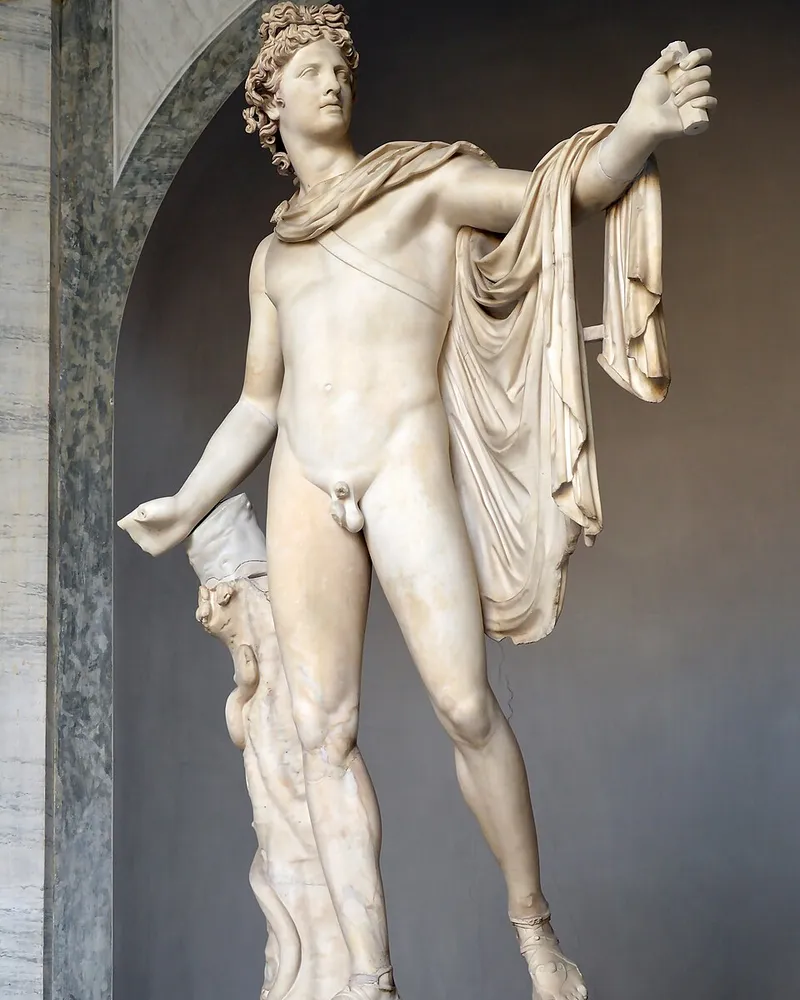
23 June, noon and the eve · 24 June, the dawn of the longest light · Apollo, Phoibos, Pythios, Paian · Psalm V
The Festival at a Glance
| Festival | The Summer Solstice, Heliostasion Therinon (Ἡλιοστάσιον Θερινόν), Midsummer, the Triumph of Apollo |
|---|---|
| Date | The day of 23 June (noon, the shortest shadow) and the night of 23 to 24 June (the fires and the vigil), within the astronomical window of 20 to 24 June. The Temple keeps the 23rd and the 24th. |
| Astronomical moment | The Sun enters 0° Cancer; the longest day and the shortest night of the northern year; the Sun stands still at the Tropic of Cancer and turns back toward the south. |
| Category | Astronomical Holiday. The third of the 4 solar stations; the zenith of the light; the beginning of the descent. |
| Gods honoured | Apollo, Phoibos, Pythios, Paian, Mousagetes, Iatros, Lykeios: the Sun God, Shamash, Utu, Ra, Mithra, Surya, Sol, Belenos; with Zeus Lykaios, whose Lykaia fell at the solstice. |
| Ancient parallels | The Arcadian Lykaia on Mount Lykaion; the Athenian Skira (12 Skirophorion), with the priest of Helios in procession; the Delphic return of Apollo from the Hyperboreans and the paean of summer; the Roman Fors Fortuna (24 June); the Egyptian Night of the Drop and the rising of the Nile; the midsummer fires of all Europe, from Ireland to the Baltic; Stonehenge's sunrise; the Christian St John's Eve laid over the fires. |
| Inner meaning | The triumph of light. Solar power at its zenith. Illumination, healing, clarity, prophecy. The gate of Cancer, through which life pours into the world. The fire of the Sun come down to meet the fire of the spine. |
| Festival Psalm | Psalm V: The Psalm of the Summer Solstice (72 passages to Apollo) |
| Rituals of the Gods | The Apollo Power Ritual; and for the Lykaia, the Grand Ritual of Zeus |
The Nature of the Festival
The Summer Solstice is the day of maximum light. The Sun reaches its highest point in the sky, the day is at its longest, the noon shadow at its shortest, and the solar force is at the peak of its power. Then the Sun stands still, as it did in December, for 3 days of rising at the same point on the horizon, and turns.
The Greeks called it the summer τροπαί, the Romans the solstitium aestivum; the Temple calls it Heliostasion Therinon and keeps it on the 23rd and 24th of June for the whole world, in both hemispheres, because the Sun's entry into the sign of Cancer is the same instant for everyone.
Zevism is a religion of the Sun as much as of the sky. 666 is the number of the Sun and of the solar centre of the body, the magic square of 6 whose rows, columns and diagonals each sum to 111 and whose whole sums to 666 (Agrippa, De occulta philosophia 2.22).
When the Sun enters 0° Cancer the solar centre is amplified in every Zevist, and the day is the great day of solar magick: healing, which the solar centre governs; clarity of mind; divination, for which the eve has an immemorial reputation; the charging of water, herbs, crystals, wands, blades, cards and runes in the Sun's own light; love spells; fire magick; communication with elementals and the small folk of the wood, who come close to the midsummer fire. The traditional colour is white, the colour of the noon light, which is all colours at once.
The festival is Apollo's by nature and by the Greek calendar. He's the God of the Sun, of light, of music, of prophecy and of healing, the force of clarity and order that dispels darkness, ignorance and disease. At Delphi the summer was his: Plutarch records that the paean was sung to Apollo through the 9 warm months and the dithyramb to Dionysos through the 3 cold, because Apollo went to the Hyperboreans for the winter and returned with the light (De E 389c).
The solstice is the summit of his return. The festival is also his Father's: the Arcadians kept the Lykaia on Mount Lykaion in honour of Zeus Lykaios, Zeus of the Light, at the height of the solar year, so that the connection of the solstice with Zeus is doubly attested, through the Son who is the Sun and through the Father's own mountain feast.
The summit is the beginning of the descent, and the wise man knows it at the summit. From the 24th of June the days shorten, little by little, until the balance of September and the dark of December. The Temple doesn't hide this; the Psalm sings it. The Zevist who stands in the longest light takes it up in his hands and carries it down with him. That is why the festival is a triumph: not because the light will last, but because it was won, and what is won is kept.
The summit is the beginning of the descent, and the wise man knows it at the summit.
The God of the Festival: Apollo, and Zeus Lykaios
Apollo, Phoibos, Pythios, Paian
Apollo (Ἀπόλλων) is the son of Zeus and Leto, born on Delos after Leto had wandered the earth seeking a land that would dare to receive her; she clasped the palm tree, the Goddesses raised the cry, and the island turned to gold (Homeric Hymn 3.25 to 139). Themis fed him nectar and ambrosia and he burst his swaddling bands and spoke his first words: the lyre and the curved bow shall be mine, and I shall declare to men the unerring will of Zeus (131 to 132).
The swans circled Delos 7 times as he was born, and 7 has been his number since (Callimachus, Hymn 4.249 to 255).
He is Phoibos, the Bright and the Pure; Pythios, who shot the Python at Delphi and made the navel of the earth his seat; Paian, the Healer, whose name is the cry of the healed; Mousagetes, the Leader of the Muses, with the 7-stringed lyre that Hermes made from the tortoise; Loxias, the Oblique, whose oracles bend like a ray through water; Lykeios, of the light and of the wolf; Alexikakos, the averter of evil; Hekaergos, the far-worker, whose arrows are the rays and whose bow is the horizon.
The Temple's Ritual of Apollo opens him in 3 tongues: Apollon, Akouson; Shamash, Shime; Ra, Sedema. Shamash is the Sun of Babylon, Judge of Heaven and Earth, who gave Hammurabi his laws and who sees every deed; Utu is his older Sumerian self; Ra is the hidden Sun of Egypt who sails the night in the barque of the underworld and comes up new, having beaten Apophis 1 more time.
Mithra of the Persians, Surya of the Vedas, Sol of Rome, Belenos of the Gauls, Baldr the Bright of the North, Amaterasu who came out of the cave: the Sun is 1 Sun under every name, and a Zevist of any nation may call him by the name his ancestors used. The essence is the same, and the Ritual says so.
Zeus Lykaios and the Lykaia
Mount Lykaion in Arcadia is the oldest sanctuary of Zeus on the Greek mainland. The ash altar on its southern summit, from which the whole Peloponnese is seen, has yielded offerings from the Mycenaean period onward, and the Arcadians claimed that Zeus was born there and not in Crete (Pausanias 8.38.2 to 7; Callimachus, Hymn 1.4 to 14; Romano and Voyatzis, Hesperia 83, 2014). The Lykaia, the festival of Zeus Lykaios with its games, fell in the summer, and the name Lykaios is the name of the light as it is of the wolf: Apollo Lykeios bears the same word.
Pausanias records that within the precinct on the mountain nothing cast a shadow, neither man nor beast, and that whoever entered it died within the year (8.38.6). A precinct without shadows at the summer solstice is the Sun at his zenith made into a place. The Temple honours Zeus Lykaios on this day with his Son, and the Grand Ritual of Zeus may be performed on the eve by those who keep the Lykaia.
Zeus of the Light and his Son of the Light on the same day. The Father's altar on the mountain, the Son's temple in the gorge.
History and Ancient Parallels
Greece: The Skira, the Lykaia and the Paean of Delphi
Athens kept the Skira on the 12th of Skirophorion, the month of the solstice. The priestess of Athena, the priest of Poseidon-Erechtheus and the priest of Helios walked in procession from the Acropolis to Skiron on the Sacred Way under a great white canopy, the skiron, carried by the Eteoboutadai (Harpocration s.v. Σκίρον; scholion to Aristophanes, Ecclesiazusae 18; Parke, Festivals, 156 to 162). A priest of the Sun walking under a sunshade at the solstice is the whole festival in a single image: the light at its height, honoured and shaded in the same gesture.
On the same day the women held their own assembly at the Skira, from which Aristophanes drew his comedy of the women's parliament. In Arcadia the Lykaia drew athletes from all Greece; its games were ranked with the oldest (Pausanias 8.2.1, 8.38.5; Pindar, Olympian 9.96, 13.108). At Delphi the paean of summer rose when the God returned: the hymn of Aristonous of Corinth, carved on stone in 334 BC and still legible, cries Ie Paian to the Pythian rocks (Powell, Collectanea Alexandrina, 162 to 164), and the Temple's hymn library holds it.
Rome and Egypt
Rome kept Fors Fortuna on the 24th of June, the festival of Fortune's temple on the Tiber: the people went down the river in garlanded boats, drank, and came back late, as Ovid describes with affection (Fasti 6.773 to 790). The Vestalia fell earlier in the month. Egypt's solstice was the river's.
The heliacal rising of Sirius, Sothis, announced the flood, and the night of the 17th to 18th of June was kept into modern times as the Night of the Drop, Leilat al-Nuqta, when a tear of Isis for Osiris fell into the Nile and began its rising; the Egyptians of Pausanias's day still said the river rose from the tears of the Goddess (Pausanias 10.32.18; Plutarch, De Iside 38).
The Sun at his height and the water at its rising are married on this day, fire and water, and the Temple's older page kept the marriage under the druidic name of the union of Heaven and Earth.
The Fires of Midsummer
Across the whole of Europe the night of the solstice was fire.
Frazer collected the evidence page after page: the bonfires of Ireland on the eve, through which the young men leapt and the cattle were driven; the fire wheels of the Moselle, a great cartwheel wrapped in straw, lit and rolled blazing down the hill to the river, which if it reached the water unquenched promised a good vintage; the fires of the Vosges, of Brittany, of Sweden, of the Baltic, of Russia; the herbs gathered at midnight; the girls who looked into the water for the face of the one to come (The Golden Bough, 3rd ed., vol. 10, 160 to 219).
The Latvians still keep Jāņi with oak wreaths and fires through the shortest night; the Swedes raise the midsummer pole. The Church couldn't put the fires out, so it named the night for its Baptist and let them burn. The Temple keeps the fires and drops the name.
The oldest of all is at Stonehenge, built 4,500 years ago so that the first ray of the solstice sunrise falls over the Heel Stone into the circle: men hauled stones across Britain for 1 morning of the year, and the morning still works (Ruggles, Astronomy in Prehistoric Britain and Ireland, 1999, 35 to 41).
The Church couldn't put the fires out, so it named the night for its Baptist and let them burn. The fires didn't notice.
The Mystery of the Summer Solstice
The outer festival is the triumph of the light. The inner festival is the gate the light opens.
The 2 solstices are the 2 gates of heaven. The Platonists taught, after Numenius, that Capricorn is the gate of the Gods, through which souls ascend out of the world, and Cancer is the gate of men, through which souls descend into generation (Porphyry, De antro nympharum 22 to 23; Macrobius, Commentarii 1.12.1 to 2). The Winter Solstice is the feast of the light reborn; the Summer Solstice is the feast of life poured out.
On the longest day the gate of generation stands widest, and life comes through it: the Nile rises, the grain fills, the beasts bear, the sea warms. The Zevist who understands both gates holds the year in his 2 hands, and the Temple sets Zeus at the one and his Son at the other. The teaching has a practical face: the solstice is the hour of workings that bring things into being, into the world, into form, as the Winter Solstice is the hour of workings that raise things out of it.
The second teaching is the union of Heaven and Earth. The druids celebrated it at midsummer, and the Temple's older page read it correctly: Heaven and Earth are the crown and the base, the summit and the root of the spine, and the union is the fire of the Sun come down to meet the fire of the serpent gone up. The solar centre, whose number is 666, stands between them as the healer.
The circle dance around the fire is the Sun's year drawn with the feet; the snake dance, the winding line that doesn't break, is the fire in the spine drawn with the body. The Zevist who has condensed the life force within himself knows how hot it can be, like the Sun, like the kundalini serpent, and knows it best on this day.
The third teaching is prophecy. The eve of the solstice has been the night of divination in every land, and the Temple keeps it so. Prophecy is the light seen before it arrives: the Sun is already over the eastern mountain while the valley is dark, and the seer is the one who stands on the summit.
Pythian Apollo opens the eye of the seer on his own night. The runes, which are of fire, the cards, which are of light, the water the Sun has charged, the flame that leans: all are read tonight, and the God of the tripod sits on every tripod. The Zevist asks nothing he doesn't want answered.
The 4th teaching is the measure. Nothing in excess, said the door at Delphi. The Sun that heals at noon burns at noon, and the healer's art is the dose. Apollo gives the light and the measure together or he gives nothing. The one who stands in the longest light learns from it that the light has a limit, and that the limit is what makes it a blessing.
What Stays Within the Veil: The Inner Rite of the Mountain Without Shadows
Pausanias climbed Mount Lykaion, saw the altar of Zeus on the summit and the precinct where nothing casts a shadow, and wrote: “the rites performed on the altar I was unwilling to pry into; let them be as they are and as they were from the beginning” (8.38.7). Plato knew the story told of that altar, and told it only as a parable (Republic 565d). The offerings of the Hyperboreans came to Delos wrapped in wheat straw, passed from people to people, and Herodotus could learn what was in them from no one (4.33).
The Pythia sat in the adyton with the prophetes, and no one else entered. The Hosioi of Delphi performed a secret rite in the temple while Apollo was away, and Plutarch, who was one of the priests, set down the fact and nothing else (De Iside 35).
The Temple holds an inner rite of this day, concerning the gate of Cancer, the precinct without shadows and the descent of the light into form. The Zevists who hold it keep it. The Psalm's second movement names its stations under the names of the 2 gates, and the one who has stood in the precinct will read it there.
The ancient rule holds in the Temple of Zeus. The outer festival of the Summer Solstice belongs to everyone: the fires, the procession, the Psalm, the feast, the games, the night. The inner rite is a Mystery, and a Mystery is classified by its nature, as it was at Eleusis, at Samothrace, on Parnassos and in the Idaean cave. It isn't published on this page or on any page.
Zevists who rise through the ranks of the Temple come to know it in due time, to experience it, and to understand it, under the same discipline the ancients kept. What the public saw in antiquity, the public sees now; what the mystai kept, the mystai keep. The restoration of the inner rites is a work in progress, and it's undertaken.
The Names of the God Across the Nations
| Civilisation | Name | Aspect |
|---|---|---|
| Hellenic | Apollo (ΑΠΟΛΛΩΝ), Phoibos, Pythios, Paian, Loxias, Lykeios, Delios, Mousagetes, Iatros, Alexikakos, Hekaergos, Akersekomes; Helios (ΗΛΙΟΣ) as the Sun itself; Zeus Lykaios (ΖΕΥΣ ΛΥΚΑΙΟΣ) for the Lykaia | The Bright One; the Sun; oracle, healing, music; the Father of the Light |
| Roman | Apollo, Sol, Sol Invictus, Phoebus | The Sun unconquered |
| Mesopotamian | Shamash (Akkadian), Utu (Sumerian), Babbar the Brilliant, Dayyanu the Judge | The Sun who sees all deeds; the judge; the giver of laws |
| Egyptian | Ra, Re-Horakhty, Khepri at dawn, Atum at dusk; the hidden Sun of the night barque | The Sun in his 3 forms; the victor over Apophis |
| Persian | Mithra, the Sun of the covenant | The unconquered light; the witness of oaths |
| Vedic and Hindu | Surya, Savitr, Vivasvat; Aditya | The Sun; the impeller |
| Celtic | Belenos, Grannus, Maponos (the Divine Youth); Lugh in his aspect of the shining one | The bright one; the healer of the springs |
| Norse and Germanic | Baldr the Bright; Sól (the Sun as Goddess); the Sun-wheel | The shining God; the light that returns from the dead |
| Baltic | Saulė (the Sun); the oak of Jāņi | The Sun and the midsummer fire |
| Japanese | Amaterasu, who came out of the cave | The Sun hidden and returned |
| Hebrew (as the demonised scapegoat) | Azazel, the goat sent into the wilderness | The solar God made a receptacle for sin |
The names in this table are the same essence under the tongues of different peoples. A Zevist of any nation may address Apollo under the name that the ancestors of that nation used, provided the essence of the God is understood as one. The Temple sets the Greek name first because the Greek sources preserve the fullest theology; it doesn't set it as the only name.
The ancients themselves did the same: Herodotus wrote Greek names for Egyptian Gods without hesitation, and the Romans wrote Jupiter over every altar of Zeus they found (Herodotus 2.42 to 2.50; Caesar, Gallic War 6.17; Tacitus, Germania 9, 43).
The Apollo [Azazel] Power Ritual of the Temple invokes the God as Phoibos, Pythios, Mousagetes, Hekaergos, Lykeios, Shamash, Utu and the Hidden Sun of Ra, and restores him from the scapegoat of the Hebrew rite. That is the Ritual of the God for this day.
The Rite of the Summer Solstice
The Rite stands on the frame of the Standard Ritual and the Advanced Zevist Ritual of the Temple. Whoever knows those knows the skeleton: the bell, the Four Powers, the Invocation to Zeus, the prayer, the burning, the meditation, the closing. The festival adds its own flesh to that skeleton at fixed points. The order below gives every step, so that a Zevist alone and an assembly of 300 perform the same Rite on the same night.
The Rite has 3 moments. At noon on the 23rd of June, when the shadow is shortest, the Noon Salutation is made outdoors and the water and the tools are set in the Sun to be charged. At sunset the fire is lit on the hill, or the candles on the altar, and the Rite proper is held, reaching its height at midnight with the Psalm's last movement and the divination.
At dawn on the 24th the Sun of the longest light is greeted. The whole day is the festival; the Zevist who can keep only 1 of the 3 moments keeps the Rite at sunset.
- Bathe before the Rite; the ancients bathed in the sea or the river on midsummer morning for health.
- Incense: frankincense, bay laurel, copal, cinnamon; on the fire, oak and pine.
- Candles: white and gold. 1 central white candle for Phoibos; a gold candle for King Helios; a second white for Zeus Lykaios if the Lykaia are kept.
- The cup: wine, white and cooled; or water charged at noon.
- A bowl of clear water set in the Sun from noon; the ritual tools, the wand first, laid beside it; crystals; the cards; the runes.
- Herbs gathered at noon on the day, or on the eve at midnight: St John's wort (which was Apollo's before any saint), vervain, mugwort, chamomile, bay, oak leaves for the wreath.
- A wreath of oak or of midsummer flowers for the head; white garments; the altar cloth white.
- Materials for divination of the celebrant's own art: water, fire, cards, runes.
- The fire: a bonfire on high ground, built of oak and pine, for the gathering; at home, the candles and, where it can be done, a small fire in a brazier.
- The Sigil of Apollo from the Temple as the point of focus.
- The Noon Salutation, on the 23rd, outdoors, the Sun directly overhead or as near as the place allows: the words below, with the arms raised. The bowl of water and the tools are set in the Sun and left until sunset.
- The Opening, at sunset. The bell. The white candle of Phoibos is lit from a flame kindled by the Sun through a lens, where that can be done; otherwise from a match struck for it alone. The fire on the hill is lit from the altar flame.
- The Invocation of the Four Powers, as in the Standard Ritual, below. The South, the quarter of Apollo, Power of the Light, is held a breath longer.
- The Invocation to Zeus. ΕΝ ΟΝΟΜΑΤΙ ΤΟΥ ΖΕΒ ΥΨΙΣΤΟΥ, as below. Drink from the cup.
- The Festival Invocation, below, facing the west, where the Sun has gone down, and then the fire.
- The Ritual of Apollo. The Apollo Power Ritual in full, or halved, from APOLLON, AKOUSON to the God Restored. The Rite of the God who rules the day.
- The Psalm, Movements I to III. Phoibos, the Paean of Summer, the Pythian.
- The Paean. The whole assembly, or the celebrant alone, cries Ie Paian 3 times to the fire, and the Paean Formula below is spoken. In a gathering this is the moment of the fire's height.
- The Charging. The water and the tools that stood in the Sun from noon are brought to the altar; the Charging Formula below is spoken over them; the water is drunk in part and kept in part; the tools are wrapped.
- The Psalm, Movements IV to VI. The Healer and the Leader of the Muses, the Fires of Summer, King Helios.
- The Jump and the Dance. Where there's a fire, it's jumped, and the circle dance and the snake dance are led around it. At home, the hand is passed 3 times through the raised candle flame, as at Beltane.
- The Divination, at midnight. Each celebrant consults his own art, water, fire, cards or runes, with 1 question, asked aloud or in silence, and records the answer. The Divination Formula below is spoken first.
- The Prayer, in one's own words, to Apollo and to Zeus, for healing, for clarity, for the work of the summer.
- The Meditation. On the Sigil; on the solar centre, lit and warm; on the fire of the Sun descending and the fire of the spine ascending to meet it. Those who sleep afterwards sleep with the question for the healer's dream.
- The Closing, below, and the bell, clockwise.
- The Vigil and the Dawn. The fire is kept until the Sun rises; at the first ray on the 24th the Dawn Salutation below is spoken facing the northeast, where the solstice Sun rises.
- The Day of the 24th. The herbs hung to dry; the wreath kept; the feast in the open; rest in the longest light.
Face each direction in turn, beginning in the East and turning counterclockwise. At each turn a stream of electric blue light enters and fills the whole being; with each invocation the light grows stronger.
| Direction | Name of Power | Invocation |
|---|---|---|
| East | SAT-YA, ETERNAL TRUTH | I invoke the power of Truth, the foundation of all that exists. |
| North | ZEV, LEADER OF CREATION | I invoke the King of the Gods, the Father of all that lives. |
| West | APHRODITE, QUEEN OF QUEENS | I invoke the Goddess of Love, the force that binds all things together. |
| South | APOLLO, POWER OF THE LIGHT | I invoke the God of Light, of Clarity, and of Truth made visible. |
Then affirm: Eternal Gods, You who have gone by many names in the cultures of humanity, I invoke You within myself. May all Your Names be blessed. May Your Names bestow me with power.
En Onomati tou Zev Hypsistou, Patros Theon te kai Anthropon
Om Zev Devadevaaya Satyaaya Namah
The Noon Salutation (outdoors at noon on the 23rd, arms raised)
πλήρου τὸ ὕδωρ, πλήρου τὰ ὄργανα, πλήρου τὸ κέντρον τὸ ἡλιακὸν ἐν ἐμοί.
Khaire, Eelie, en tee koreefee too etoos· ee skia moo vrakheetatee, kai ego eepo soi orthos·
pleeroo to eedor, pleeroo ta organa, pleeroo to kentron to eeliakon en emoi.
fill the water, fill the tools, fill the solar centre in me.
The Festival Invocation (after the Invocation to Zeus, facing the west and then the fire)
ὁ Ἥλιος ἐν τῷ Καρκίνῳ ἕστηκε, ἡ ἡμέρα μακροτάτη, καὶ ἡ νὺξ βραχυτάτη·
ἐλθὲ ἐκ τῶν Ὑπερβορέων εἰς τὸ πῦρ ἡμῶν,
καὶ τὴν νύκτα ταύτην φώτισον, ὡς τὴν ἡμέραν ἐφώτισας.
Apollon, Foive, Peethie, Paian, akooson· Samas, Sime· Ra, Sedema·
o Eelios en to Karkino esteeke, ee eemera makrotatee, kai ee neex vrakheetatee·
elthe ek ton Eepervoreon eis to peer eemon,
kai teen neekta tafteen fotison, os teen eemeran efotisas.
the Sun stands in the Crab, the day is longest, and the night shortest;
come from the Hyperboreans into our fire,
and light this night, as you lit the day.
The Paean Formula (cried 3 times to the fire)
ὁ Ἥλιος ἐν τῷ ὕψει, ὁ λοιμὸς ἦρται, ἡ μάχη νενίκηται, τὸ ἔτος ἰᾶται.
Iee Paian, Iee Paian, Iee Paian·
o Eelios en to eepsei, o loimos eertai, ee makhee nenikeetai, to etos iatai.
the Sun is at his height, the plague is lifted, the battle is won, the year is healed.
The Charging Formula (over the water and the tools brought in from the Sun)
ὃ ἐν τῇ μακροτάτῃ ἡμέρᾳ ἐπληρώθη, εἰς τὸ ἔτος πεπλήρωται.
Eedor kai ravde kai makhaira kai feella kai roonai, epiete to fos tees meseemvrias·
o en tee makrotatee eemera epleerothee, eis to etos pepleerotai.
what was filled on the longest day is filled for the year.
The Divination Formula (before the water, the fire, the cards or the runes, at midnight)
μίαν ἐρώτησιν ἐρωτῶ, καὶ τὴν ἀπόκρισιν ὅλην δέχομαι, ὡς ὁ Ἥλιος αὐτὴν ὁρᾷ.
Peethie Apollon, o ton omfalon feelasson, anoixon ton ofthalmon too manteos·
mian eroteesin eroto, kai teen apokrisin oleen dekhomai, os o Eelios afteen ora.
1 question I ask, and the whole answer I accept, as the Sun sees it.
The Dawn Salutation (at the first ray of the 24th, facing the northeast)
ἀπὸ τῆς ἡμέρας ταύτης καταβαίνεις, καὶ ἐγὼ καταβαίνω μετὰ σοῦ, τὸ φῶς ἐν ταῖς χερσὶν ἔχων.
Khaire, Eelie, o apax eti nikeesas· khaire, Apollon, o to fos to mee geeraskon feron·
apo tees eemeras taftees katavaineis, kai ego katavaino meta soo, to fos en tais khersin ekhon.
from this day you go down, and I go down with you, the light in my hands.
Praised be Zeus, the God of Gods, the Unconquered and Greatest, Father of Gods and Men, King of the Immortals! Ring the bell, turning clockwise. The Rite is concluded.
Ie Paian: the cry of the healed, raised at the noon of the year.
Celebrating Alone
The Summer Solstice alone is the easiest festival of the year to keep outdoors, and it should be kept outdoors wherever possible: on a hill, in a garden, on a roof, at a window that takes the Sun. The 3 moments, noon, sunset and dawn, are the frame. At noon on the 23rd go out, stand in the Sun with the arms raised, speak the Noon Salutation, and set the bowl of water and the wand and whatever tools are to be charged where the Sun will stay on them until evening.
Gather the herbs then, at noon, cutting them with a clean blade and the God's name: St John's wort, vervain, mugwort, chamomile, bay. Make the wreath.
At sunset, in white, light the candle, if it can be done, with a lens from the last of the Sun, and hold the Rite in the order above. The Apollo Ritual takes about 25 minutes; the whole Rite with the Psalm, the charging, the dance of the hand through the flame and the divination fills the evening to midnight. The Paean is cried aloud even alone; the neighbours may hear 3 words of Greek and survive it.
At midnight consult the art of divination that is yours, with 1 question, and write the answer down before interpreting it. Sleep, if sleeping, with the question for the healer's dream, as the sick slept in the temple of Asklepios. Rise for the dawn if it can be managed; the solstice Sun comes up far to the northeast, earlier than at any other time of the year, and the Dawn Salutation is spoken facing it.
The day of the 24th is for the body: the sea or the river, the Sun on the skin in measure, the feast in the open, the herbs hung to dry in the shade, the charged water kept in a dark bottle for the year's healing work. The Zevist who keeps the Lykaia adds the Grand Ritual of Zeus on the eve, before the Ritual of Apollo, and honours the Father on the Father's mountain day.
Celebrating as a Gathering
The gathering for the Summer Solstice is held on high ground, with a fire that can be seen from a distance, and it runs from noon of the 23rd to dawn of the 24th. The ancient models are the Skira, with the priest of Helios walking under the white canopy; the Lykaia, with their games on the mountain; the Delphic paean; and the midsummer fires of every village in Europe with their leaping, their wheels and their dances.
The Offices of the Day
| Office | Ancient model | Duty in the Rite |
|---|---|---|
| The Presiding Priest or Priestess | The priest of Helios at the Skira; the prophetes of Delphi | Leads the Rite; performs the Invocations; leads the Apollo Ritual; cries the Paean; speaks the Salutations for the assembly. |
| The Canopy-Bearers | The Eteoboutadai who carried the skiron | Carry the white canopy over the Presiding Priest in the noon procession. |
| The Fire-Keepers | The young men of the midsummer fires | Build the fire of oak and pine on the hill; light it from the altar flame at sunset; keep it until dawn; judge the jump; roll the wheel where the ground allows. |
| The Herald | The Hierokeryx | Gives the public call; announces the steps; calls noon, sunset, midnight and dawn. |
| The Chorus | The singers of the paean of Aristonous | Sings the Psalm; leads the cry of Ie Paian; the assembly answers each last line. |
| The Musicians | The Pythian contest of the lyre and the flute | Play for the Psalm and the dance; the gathering holds a contest of music after the Rite, as Delphi did, and the Presiding Priest crowns the winner with bay. |
| The Herb-Gatherers | The midnight gatherers of the villages | Lead the gathering of herbs at noon and distribute them. |
| The Seers | The Pythia and the prophetes | Those of the gathering who practise an art of divination sit at midnight for any who bring a question. |
The Order of the Gathering
- The Noon Procession. The assembly, in white, walks to the high place at noon, the Presiding Priest under the white canopy, the Chorus singing Movement I. At the summit the Noon Salutation is spoken by all; the bowls of water and the tools are set in the Sun; the Herb-Gatherers lead the cutting of herbs and the weaving of wreaths.
- The Afternoon. The games: running, throwing, wrestling for those who will, in the manner of the Lykaia; the children's races; rest in the shade.
- The Public Call, at sunset, by the Herald: the fire of Apollo is open to every person of good will who comes for light.
- The Rite, in the order above, led by the Presiding Priest. The fire is lit from the altar flame at the Opening. The Paean is cried by the whole hill. At the Charging, each celebrant's bowl and tools are blessed together.
- The Jump and the Wheel. After the second half of the Psalm the fire is jumped by all who will; where the slope allows, the Fire-Keepers roll a wheel wrapped in straw, lit, down the hill, and the assembly cheers it to the bottom.
- The Dances. The circle dance sunwise around the fire; then the snake dance, the whole gathering in 1 winding line led by the Chorus, which doesn't break.
- The Contest of Music. The Musicians compete, lyre, voice, flute, whatever instruments the gathering has; the Presiding Priest crowns the winner with bay.
- The Divination, at midnight. The Seers sit; the celebrants bring their questions.
- The Closing, and the bell.
- The Vigil. The fire is kept; the feast in the open, white cloth, honey, fruit of the first summer, wine cooled in the stream; song until the sky lightens.
- The Dawn. The assembly faces the northeast and the Presiding Priest speaks the Dawn Salutation at the first ray, the assembly repeating it. The wreaths are kept; the herbs are taken home.
The inner rite of the mountain, where it is held, is held apart from the hill by those who hold it, and the assembly isn't told its hour.
A priest of the Sun under a white canopy at noon: the light at its height, honoured and shaded in 1 gesture.
The Psalm of the Summer Solstice
The Psalm is sung in 2 halves at the 2 points marked in the Rite: Movements I to III after the Ritual of Apollo and before the Paean, Movements IV to VI after the Charging. Each passage stands in 3 columns, Ancient Greek, transliteration and English. 72 passages to Apollo.
The full Psalm stands on its own page: Psalm V: The Psalm of the Summer Solstice. The first 24 of its 72 passages are shown here; the drawdown below unfolds the remaining 48.
I · Phoibos, the Bright One · Ὁ Φοῖβος (Apollo)
| № | Ancient Greek | Transliteration | English |
|---|---|---|---|
| 1 | Κλῦθι, Ἄπολλον, Φοῖβε, Λαμπρέ, Διὸς καὶ Λητοῦς υἱέ, ἑκηβόλε, ἄναξ τοῦ ἀργυρέου τόξου καὶ τῆς χρυσῆς λύρας· ὁ Ἥλιος ἐν τῇ κορυφῇ τοῦ ἔτους ἵσταται, καὶ ἡ ἡμέρα σή. | Kleethi, Apollon, Foive, Lampre, Dios kai Leetoos eeie, ekeevole, anax too argeereoo toxoo kai tees khreesees leeras· o Eelios en tee koreefee too etoos istatai, kai ee eemera see. | Hear, Apollo, Phoibos, Bright One, son of Zeus and of Leto, far-shooter, lord of the silver bow and the golden lyre; the Sun stands at the summit of the year, and the day is yours. |
| 2 | Λητὼ τὴν γῆν περιήρχετο τόπον ζητοῦσα ὅπου σὲ τέξεται, καὶ πᾶσα χώρα ἐφοβεῖτο, ἕως ἡ πλέουσα Δῆλος αὐτὴν ἐδέξατο· ἐννέα ἡμέρας ὠδίνησε, καὶ τῇ ἐνάτῃ σὺ ἦλθες, καὶ ἡ νῆσος χρυσῆ ἐγένετο. | Leeto teen geen perieerkheto topon zeetoosa opoo se texetai, kai pasa khora efoveito, eos ee pleoosa Deelos afteen edexato· ennea eemeras odineese, kai tee enatee see eelthes, kai ee neesos khreesee egeneto. | Leto wandered over the earth seeking a place to bear you, and every land feared, until floating Delos took her in; 9 days she laboured, and on the 9th you came, and the island turned to gold. |
| 3 | Τὸν φοίνικα περιέλαβε, καὶ ἡ γῆ ὑπ' αὐτῇ ἐμειδίασε, καὶ αἱ θεαὶ ὠλόλυξαν, καὶ οἱ κύκνοι τὴν νῆσον ἑπτάκις περιῆλθον· τῷ ἑβδόμῳ κύκλῳ ἐγεννήθης, καὶ ἑπτὰ ὁ ἀριθμός σου ἔκτοτε. | Ton foinika perielave, kai ee gee eep' aftee emeidiase, kai ai theai ololeexan, kai oi keeknoi teen neeson eptakis perieelthon· to evdomo keeklo egenneethees, kai epta o arithmos soo ektote. | She clasped the palm tree, and the earth smiled beneath her, and the Goddesses raised the cry, and the swans circled the island 7 times; on the 7th circuit you were born, and 7 is your number since. |
| 4 | Θέμις σοι νέκταρ καὶ ἀμβροσίαν ἔδωκε, καὶ τὰ σπάργανα ἔρρηξας, καὶ τὸ πρῶτον ῥῆμα εἶπας· εἴη μοι κίθαρίς τε φίλη καὶ καμπύλα τόξα, χρήσω δ' ἀνθρώποισι Διὸς νημερτέα βουλήν. | Themis soi nektar kai amvrosian edoke, kai ta spargana erreexas, kai to proton reema eipas· eiee moi kitharis te filee kai kampeela toxa, khreeso d' anthropoisi Dios neemertea vooleen. | Themis gave you nectar and ambrosia, and you burst your swaddling bands, and spoke your first word: the lyre and the curved bow shall be mine, and I shall declare to men the unerring will of Zeus. |
| 5 | Λαμπρέ, ἀκερσεκόμα, οὗ ἡ νεότης ἀτελεύτητος, οἱ Ἕλληνες σὲ ἔγλυψαν ὡς τὴν τελείαν μορφὴν τῆς τελείας ἡλικίας· ὁ Ἥλιος τοῦ μέσου θέρους ὁ Ἥλιος ὁ μὴ γηράσκων, καὶ αὐτός ἐστι σύ. | Lampre, akersekoma, oo ee neotees atelefteetos, oi Elleenes se egleepsan os teen teleian morfeen tees teleias eelikias· o Eelios too mesoo theroos o Eelios o mee geeraskon, kai aftos esti see. | Bright One, whose hair is unshorn, whose youth is unending, the Greeks carved you as the perfect form of the perfect age; the Sun of midsummer is the Sun that doesn't age, and he is you. |
| 6 | Ἄπολλον, ἄκουσον· Σαμάς, Σιμέ· Ῥᾶ, Σέδεμα· ἐν τρισὶ γλώσσαις ὁ Ναὸς σὲ καλεῖ, ὡς ἡ τελετὴ αὐτοῦ ἀνοίγεται, καὶ ὁ Ἥλιος ἐν ἑκάστῃ εἷς Ἥλιος. | Apollon, akooson· Samas, Sime· Ra, Sedema· en trisi glossais o Naos se kalei, os ee teletee aftoo anoigetai, kai o Eelios en ekastee eis Eelios. | Apollo, Akouson: hear; Shamash, Shime: hear; Ra, Sedema: hear; in 3 tongues the Temple calls you, as its Ritual opens, and the Sun in each is 1 Sun. |
| 7 | Σαμὰς τῆς Βαβυλῶνος, Κριτὴς Οὐρανοῦ καὶ Γῆς, ὁ πάντα τὰ ἔργα ὁρῶν· Οὔτου τῆς Σουμερίας, ὁ Λαμπρός, ὁ ἐκ τοῦ ὄρους τῆς ἀνατολῆς ἀνατέλλων· ὁ κρυπτὸς Ἥλιος τοῦ Ῥᾶ, ὁ τὸν Ἅιδην νύκτωρ διερχόμενος καὶ νέος ἀνιών. | Samas tees Vaveelonos, Kritees Ooranoo kai Gees, o panta ta erga oron· Ootoo tees Soomerias, o Lampros, o ek too oroos tees anatolees anatellon· o kreeptos Eelios too Ra, o ton Aideen neektor dierkhomenos kai neos anion. | Shamash of Babylon, Judge of Heaven and Earth, who sees all deeds; Utu of Sumer, the Brilliant, who rises from the mountain of the east; the hidden Sun of Ra, who passes the underworld by night and comes up new. |
| 8 | Μίθρας τῶν Περσῶν, Σούρυα τῶν Βεδικῶν, Σὼλ τῆς Ῥώμης, Βελῆνος τῶν Γαλατῶν, Βὰλδρ ὁ Λαμπρὸς τοῦ Βορρᾶ, Ἀματέρασου ἡ ἐκ τοῦ σπηλαίου ἐξελθοῦσα· ἄλλαξον τὸ ὄνομα κατὰ τὴν γλῶσσαν, καὶ ὁ Ἥλιος οὐκ ἀλλάσσεται. | Mithras ton Person, Sooreea ton Vedikon, Sol tees Romees, Veleenos ton Galaton, Valdr o Lampros too Vorra, Amaterasoo ee ek too speelaioo exelthoosa· allaxon to onoma kata teen glossan, kai o Eelios ook allassetai. | Mithra of the Persians, Surya of the Vedas, Sol of Rome, Belenos of the Gauls, Baldr the Bright of the North, Amaterasu who came out of the cave: change the name by the tongue, and the Sun doesn't change. |
| 9 | Φοῖβε, ὁ ἁγνός, ὁ ἀμίαντος, τὸ καθαρὸν φῶς, ὁ ἐν Τέμπεσι μετὰ τὸν Πύθωνα καθαρθεὶς καὶ τοὺς ἀνθρώπους καθαίρεσθαι διδάξας· ὁ Ἥλιος τοῦ θέρους ὁ τὴν σῆψιν ἐκ τοῦ κόσμου καίων ἡ κάθαρσίς σου. | Foive, o agnos, o amiantos, to katharon fos, o en Tempesi meta ton Peethona kathartheis kai toos anthropoos kathairesthai didaxas· o Eelios too theroos o teen seepsin ek too kosmoo kaion ee katharsis soo. | Phoibos, the pure, the undefiled, the clean light, who purified yourself at Tempe after the Python and taught men to be purified; the summer Sun that burns the rot out of the world is your purification. |
| 10 | Ἀλεξίκακε, ὁ τὸ κακὸν ἀποτρέπων, ὁ τὸν λοιμὸν πέμψας καὶ ἀφελών, οὗ τὰ βέλη αἱ ἀκτῖνες καὶ τὸ τόξον ὁ ὁρίζων· στρέψον τὰ βέλη ἔξω ἀπὸ τοῦ Ναοῦ, καὶ ἔσω μόνον ὡς φῶς. | Alexikake, o to kakon apotrepon, o ton loimon pempsas kai afelon, oo ta velee ai aktines kai to toxon o orizon· strepson ta velee exo apo too Naoo, kai eso monon os fos. | Alexikakos, averter of evil, who sent the plague and took it away, whose arrows are the rays and whose bow is the horizon; turn the arrows outward from the Temple, and inward only as light. |
| 11 | Δίδυμε Ἀρτέμιδος, ἣ τὴν νύκτα ἔχει ὡς σὺ τὴν ἡμέραν· ἐν τῇ Ἑορτῇ τοῦ Πυρὸς τῇ δᾳδὶ αὐτῆς ᾔσαμεν, ἐν τῷ μέσῳ θέρει τῷ πυρί σου ᾄδομεν· τὰ δύο τέκνα τῆς Λητοῦς τὸ ἔτος διαιρεῖ, καὶ τὸ ἔτος ὅλον. | Dideeme Artemidos, ee teen neekta ekhei os see teen eemeran· en tee Eortee too Peeros tee dadi aftees eesamen, en to meso therei to peeri soo adomen· ta deeo tekna tees Leetoos to etos diairei, kai to etos olon. | Twin of Artemis, who holds the night as you hold the day; at Imbolc we sang to her torch, at midsummer we sing to your fire; the 2 children of Leto divide the year, and the year is whole. |
| 12 | Χαῖρε, Φοῖβε Ἄπολλον, ἐν τῇ πρώτῃ ὥρᾳ τῆς μακροτάτης ἡμέρας· ἑβδομήκοντα δύο στροφὰς σοὶ αἴρομεν, ὡς ὁ Ἥλιος ἑβδομήκοντα δύο πεντάδας τοῦ κύκλου αἴρει· δέξαι τὴν πρώτην ἐν μεσημβρίᾳ, ὅτε ἡ σκιά σου βραχυτάτη. | Khaire, Foive Apollon, en tee protee ora tees makrotatees eemeras· evdomeekonta deeo strofas soi airomen, os o Eelios evdomeekonta deeo pentadas too keekloo airei· dexai teen proteen en meseemvria, ote ee skia soo vrakheetatee. | Hail, Phoibos Apollo, in the first hour of the longest day; 72 passages we lift to you, as the Sun lifts 72 fifths of the circle; receive the first at noon, when your shadow is shortest. |
II · The Paean of Summer · Ὁ Παιὰν τοῦ Θέρους (Apollo)
| № | Ancient Greek | Transliteration | English |
|---|---|---|---|
| 13 | Ἰὴ Παιάν, Ἰὴ Παιάν· ἡ βοὴ τοῦ θέρους ἐν Δελφοῖς, ὅτε ἐκ τῶν Ὑπερβορέων ἐπανῆλθες καὶ τὸν ναόν σου παρὰ τοῦ χειμερινοῦ θεοῦ ἔλαβες· ὁ διθύραμβος σιγᾷ καὶ ὁ παιὰν ἀνίσταται, καὶ ὁ Ἥλιος ἐν τῷ ὕψει αὐτοῦ. | Iee Paian, Iee Paian· ee voee too theroos en Delfois, ote ek ton Eepervoreon epaneelthes kai ton naon soo para too kheimerinoo theoo elaves· o ditheeramvos siga kai o paian anistatai, kai o Eelios en to eepsei aftoo. | Ie Paian, Ie Paian: the cry of the summer at Delphi, when you came back from the Hyperboreans and took your temple from the winter God; the dithyramb falls silent and the paean rises, and the Sun is at his height. |
| 14 | Παρὰ τοῖς Ὑπερβορέοις, ὑπὲρ τὸν βορέαν, τὸν χειμῶνα διάγεις, ἐν τῇ χώρᾳ ὅπου ὁ Ἥλιος οὐ δύεται, καὶ κατὰ ἐννεακαίδεκα ἔτη ἐκεῖ ὅλην τὴν νύκτα χορεύεις· τὰ δῶρα αὐτῶν εἰς Δῆλον ἐν καλάμῃ κεκαλυμμένα ἦλθεν, ἀπὸ ἔθνους εἰς ἔθνος παραδιδόμενα. | Para tois Eepervoreois, eeper ton vorean, ton kheimona diageis, en tee khora opoo o Eelios oo deeetai, kai kata enneakaideka etee ekei oleen teen neekta khoreveis· ta dora afton eis Deelon en kalamee kekaleemmena eelthen, apo ethnoos eis ethnos paradidomena. | Among the Hyperboreans, beyond the north wind, you spend the winter, in the land where the Sun doesn't set, and every 19 years you dance there all night; their gifts came to Delos wrapped in straw, passed from people to people. |
| 15 | Ἡσίοδος τὰς θερινὰς τροπὰς ἐσήμηνε· πεντήκοντα ἡμέρας μετ' αὐτὰς ὁ πλόος ἀσφαλής, τὸ καῦμα ἐν τῷ ὕψει, καὶ ὁ τέττιξ ἐν τῷ δένδρῳ ᾄδει· ὁ γεωργὸς ἐν μεσημβρίᾳ ὑπὸ τὴν πέτραν ἀναπαύεται, καὶ ὁ Ἥλιος τὸ ἔργον ποιεῖ. | Eesiodos tas therinas tropas eseemeene· penteekonta eemeras met' aftas o ploos asfalees, to kavma en to eepsei, kai o tettix en to dendro adei· o georgos en meseemvria eepo teen petran anapavetai, kai o Eelios to ergon poiei. | Hesiod marked the summer turning: 50 days after it the sailing is safe, the heat is at its height, and the cicada sings in the tree; the farmer rests at noon under the rock, and the Sun does the work. |
| 16 | Ὁ Ἥλιος εἰς τὸν Καρκίνον εἰσέρχεται καὶ ἵσταται, καὶ τρεῖς ἡμέρας ἐν τῷ αὐτῷ τόπῳ ἀνατέλλει, εἶτα πρὸς νότον στρέφεται, καὶ αἱ ἡμέραι κατὰ μικρὸν βραχύνεσθαι ἄρχονται· ἡ κορυφὴ ἡ ἀρχὴ τῆς καταβάσεως, καὶ ὁ σοφὸς ἐν τῇ κορυφῇ αὐτὸ γινώσκει. | O Eelios eis ton Karkinon eiserkhetai kai istatai, kai treis eemeras en to afto topo anatellei, eita pros noton strefetai, kai ai eemerai kata mikron vrakheenesthai arkhontai· ee koreefee ee arkhee tees katavaseos, kai o sofos en tee koreefee afto ginoskei. | The Sun enters the Crab and stands still, and for 3 days rises in the same place, then turns south, and the days begin to shorten little by little; the summit is the beginning of the descent, and the wise man knows it at the summit. |
| 17 | Ὁ Καρκίνος ἡ πύλη τῶν ἀνθρώπων, οἱ ἀρχαῖοι σοφοὶ ἐδίδαξαν, δι' ἧς αἱ ψυχαὶ εἰς γένεσιν κατέρχονται, ὡς ὁ Αἰγόκερως ἡ πύλη τῶν θεῶν δι' ἧς ἀνέρχονται· ἐν τῇ μακροτάτῃ ἡμέρᾳ ἡ πύλη τῆς γενέσεως εὐρυτάτη ἕστηκε, καὶ ἡ ζωὴ δι' αὐτῆς χεῖται. | O Karkinos ee peelee ton anthropon, oi arkhaioi sofoi edidaxan, di' ees ai pseekhai eis genesin katerkhontai, os o Aigokeros ee peelee ton theon di' ees anerkhontai· en tee makrotatee eemera ee peelee tees geneseos evreetatee esteeke, kai ee zoee di' aftees kheitai. | Cancer is the gate of men, the ancient wise taught, through which souls come down into birth, as Capricorn is the gate of the Gods through which they go up; on the longest day the gate of generation stands widest, and life pours through it. |
| 18 | Οὕτως αἱ θεριναὶ τροπαὶ ἡ ἑορτὴ τῆς ζωῆς ἐκχεομένης, ὡς αἱ χειμεριναὶ ἡ ἑορτὴ τοῦ φωτὸς ἀναγεννωμένου· ὁ ἀμφοτέρας τὰς πύλας νοῶν τὸ ἔτος ἐν ταῖς δύο χερσὶν ἔχει· καὶ ὁ Ναὸς τὸν Δία ἐπὶ τῆς μιᾶς τίθησι καὶ τὸν Υἱὸν αὐτοῦ ἐπὶ τῆς ἑτέρας. | Ootos ai therinai tropai ee eortee tees zoees ekkheomenees, os ai kheimerinai ee eortee too fotos anagennomenoo· o amfoteras tas peelas noon to etos en tais deeo khersin ekhei· kai o Naos ton Dia epi tees mias titheesi kai ton Eeion aftoo epi tees eteras. | So the summer solstice is the feast of life poured out, as the winter is the feast of light reborn; the one who understands both gates holds the year in his 2 hands; and the Temple sets Zeus at the one and his Son at the other. |
| 19 | Παιάν, Ἰατρέ, οὗ τὸ ὄνομα ἡ βοὴ τῶν ἰαθέντων· ὁ παιὰν ᾔδετο ὅτε ὁ λοιμὸς ἤρθη, καὶ ὅτε ἡ μάχη ἐνικήθη, καὶ ἐν μεσημβρίᾳ· ᾄδομεν αὐτὸν ἐν τῇ μεσημβρίᾳ τοῦ ἔτους, καὶ τὸ ἔτος ἰᾶται. | Paian, Iatre, oo to onoma ee voee ton iathenton· o paian eedeto ote o loimos eerthee, kai ote ee makhee enikeethee, kai en meseemvria· adomen afton en tee meseemvria too etoos, kai to etos iatai. | Paian, Healer, whose name is the cry of the healed; the paean was sung when the plague lifted, and when the battle was won, and at noon; we sing it at the noon of the year, and the year is healed. |
| 20 | Ἀριστόνους ὁ Κορίνθιος τὸν παιᾶνά σου ἐν Δελφοῖς ᾖσε, καὶ ὁ λίθος αὐτὸν φυλάσσει· Ἰὴ Παιάν, ἐβόησε, καὶ αἱ Πυθικαὶ πέτραι ἀπεκρίναντο· ἡμεῖς τὴν φωνὴν ἡμῶν τῇ ἐκείνου προστίθεμεν, δισχίλια καὶ τριακόσια ἔτη κάτω τῆς φάραγγος. | Aristonoos o Korinthios ton paiana soo en Delfois eese, kai o lithos afton feelassei· Iee Paian, evoeese, kai ai Peethikai petrai apekrinanto· eemeis teen foneen eemon tee ekeinoo prostithemen, diskhilia kai triakosia etee kato tees farangos. | Aristonous of Corinth sang your paean at Delphi, and the stone keeps it; Ie Paian, he cried, and the Pythian rocks answered; we add our voice to his, 2,300 years down the valley. |
| 21 | Ζεὺς Λύκαιος ἐπὶ τοῦ ὄρους αὐτοῦ ἐν Ἀρκαδίᾳ τὰ Λύκαια περὶ τὰς τροπὰς ἦγεν, ὁ βωμὸς ἐπὶ τῆς κορυφῆς ὅθεν ἡ ὅλη Πελοπόννησος ἑωρᾶτο, καὶ τὸ τέμενος ὅπου, ἔλεγον, οὐδὲν σκιὰν ἔβαλλε. | Zevs Leekaios epi too oroos aftoo en Arkadia ta Leekaia peri tas tropas eegen, o vomos epi tees koreefees othen ee olee Peloponneesos eorato, kai to temenos opoo, elegon, ooden skian evalle. | Zeus Lykaios on his mountain in Arcadia kept the Lykaia near the solstice, the altar on the summit from which the whole Peloponnese was seen, and the precinct where, they said, nothing cast a shadow. |
| 22 | Ζεὺς τοῦ Φωτὸς καὶ ὁ Υἱὸς αὐτοῦ τοῦ Φωτὸς ἐν τῇ αὐτῇ ἡμέρᾳ· ὁ βωμὸς τοῦ Πατρὸς ἐπὶ τοῦ ὄρους, ὁ ναὸς τοῦ Υἱοῦ ἐν τῇ φάραγγι· αἱ θεριναὶ τροπαὶ ἀμφοτέρων ὁμοῦ, καὶ Λύκειος ὄνομα ἀμφοτέρων. | Zevs too Fotos kai o Eeios aftoo too Fotos en tee aftee eemera· o vomos too Patros epi too oroos, o naos too Eeioo en tee farangi· ai therinai tropai amfoteron omoo, kai Leekeios onoma amfoteron. | Zeus of the Light and his Son of the Light on the same day; the Father's altar on the mountain, the Son's temple in the gorge; the summer solstice is theirs together, and Lykeios is a name of both. |
| 23 | Λευκὸν τὸ χρῶμα τῆς ἡμέρας, τὸ χρῶμα τοῦ φωτὸς τῆς μεσημβρίας ὃ χρῶμα οὐκ ἔχει, τὸ χρῶμα τῆς στολῆς τοῦ τελοῦντος καὶ τοῦ ἐπιβλήματος τοῦ βωμοῦ· ὁ Ἥλιος ἐν τῷ ὕψει αὐτοῦ πάντα τὰ χρώματα ὁμοῦ, καὶ ἡμεῖς τὸ σύνολον φοροῦμεν. | Lefkon to khroma tees eemeras, to khroma too fotos tees meseemvrias o khroma ook ekhei, to khroma tees stolees too teloontos kai too epivleematos too vomoo· o Eelios en to eepsei aftoo panta ta khromata omoo, kai eemeis to seenolon foroomen. | White is the colour of the day, the colour of the noon light that has no colour, the colour of the robe of the celebrant and of the altar cloth; the Sun at his height is all colours at once, and we wear the sum. |
| 24 | Χαῖρε, Ἄπολλον Παιάν, ἐν τῇ μεσημβρίᾳ τοῦ ἔτους· ἡ βοὴ ἐκ τοῦ Ναοῦ ἀνέρχεται ὡς ἐκ Δελφῶν ἀνήρχετο· Ἰὴ Παιάν, Ἰὴ Παιάν, ὁ Ἥλιος ἐν τῷ ὕψει αὐτοῦ, καὶ ἡμεῖς ἰάθημεν. | Khaire, Apollon Paian, en tee meseemvria too etoos· ee voee ek too Naoo anerkhetai os ek Delfon aneerkheto· Iee Paian, Iee Paian, o Eelios en to eepsei aftoo, kai eemeis iatheemen. | Hail, Apollo Paian, at the noon of the year; the cry goes up from the Temple as it went up from Delphi; Ie Paian, Ie Paian, the Sun is at his height, and we are healed. |
Unfold the remaining 48 passages of the Psalm (movements III to VI)
III · The Pythian · Ὁ Πύθιος (Apollo)
| № | Ancient Greek | Transliteration | English |
|---|---|---|---|
| 25 | Ἦλθες εἰς Πυθὼ ὑπὸ τὸν νιφόεντα Παρνασσόν, καὶ εὗρες τὴν πηγὴν καὶ τὸν ὄφιν, καὶ τὸν Πύθωνα ἐτόξευσας, καὶ εἴασας αὐτὸν σήπεσθαι ὑπὸ τῷ Ἡλίῳ, καὶ τὸ ὄνομα Πύθιος ἔλαβες· ὁ δράκων τῆς παλαιᾶς γῆς ὑπὸ τῷ νέῳ φωτὶ ἀπέθανεν. | Eelthes eis Peetho eepo ton nifoenta Parnasson, kai evres teen peegeen kai ton ofin, kai ton Peethona etoxefsas, kai eiasas afton seepesthai eepo to Eelio, kai to onoma Peethios elaves· o drakon tees palaias gees eepo to neo foti apethanen. | You came to Pytho under snowy Parnassos, and found the spring and the serpent, and shot the Python, and let it rot in the Sun, and took the name Pythios; the dragon of the old earth died under the new light. |
| 26 | Ὁ ὀμφαλὸς ἐν τῷ ἱερῷ σου ἕστηκε, ὁ ὀμφαλὸς τῆς γῆς, ὅπου οἱ δύο ἀετοὶ τοῦ Διὸς συνῆλθον, ἐκ τῶν δύο ἄκρων τοῦ κόσμου πετόμενοι· τὸ μέσον τῆς γῆς ὅπου οἱ ὄρνιθες τοῦ Πατρὸς συνῆλθον, καὶ σὺ αὐτὸ φυλάσσεις. | O omfalos en to iero soo esteeke, o omfalos tees gees, opoo oi deeo aetoi too Dios seeneelthon, ek ton deeo akron too kosmoo petomenoi· to meson tees gees opoo oi ornithes too Patros seeneelthon, kai see afto feelasseis. | The omphalos stands in your sanctuary, the navel of the earth, where the 2 eagles of Zeus met, flying from the 2 ends of the world; the centre of the earth is where the Father's birds met, and you keep it. |
| 27 | Γνῶθι σεαυτόν, ὁ ναός σου ὑπὲρ τὴν θύραν αὐτοῦ εἶπε, καὶ Μηδὲν ἄγαν, καὶ τὸ Εἶ ὃ οὐδεὶς ἐξηγήσατο, περὶ οὗ Πλούταρχος βιβλίον ἔγραψε· τρεῖς ἐπιγραφαί, καὶ πᾶσα ἡ σοφία τῆς Ἑλλάδος ἐν αὐταῖς. | Gnothi seafton, o naos soo eeper teen theeran aftoo eipe, kai Meeden agan, kai to Ei o oodeis exeegeesato, peri oo Plootarkhos vivlion egrapse· treis epigrafai, kai pasa ee sofia tees Ellados en aftais. | Know thyself, your temple said over its door, and Nothing in excess, and the E that no one has explained, which Plutarch wrote a book about; 3 inscriptions, and all the wisdom of Greece is in them. |
| 28 | Ἡ Πυθία ἐπὶ τοῦ τρίποδος ὑπὲρ τὸ χάσμα ἐκάθητο, καὶ ὁ θεὸς δι' αὐτῆς ἐλάλει, ἐν ἑξαμέτροις πρῶτον, καὶ ὕστερον ἐν πεζῷ λόγῳ, καὶ οἱ βασιλεῖς τῆς γῆς ἔπεμπον ἐρωτῶντες· ὁ Ἥλιος ὁ πάντα ὁρῶν αὐτοῖς εἶπεν ἃ εἶδε. | Ee Peethia epi too tripodos eeper to khasma ekatheeto, kai o theos di' aftees elalei, en exametrois proton, kai eesteron en pezo logo, kai oi vasileis tees gees epempon erotontes· o Eelios o panta oron aftois eipen a eide. | The Pythia sat on the tripod over the chasm, and the God spoke through her, in hexameters at first, and later in prose, and the kings of the earth sent to ask; the Sun that sees all things told them what it saw. |
| 29 | Ἡ παραμονὴ τῶν τροπῶν ἡ νὺξ τῆς μαντείας, οἱ ἀρχαῖοι ἐνόμιζον, ὅτε τὸ παραπέτασμα λεπτὸν καὶ τὸ μέλλον ἐν τῷ ὕδατι, ἐν τῷ πυρί, ἐν τῷ ὀνείρῳ φαίνεται· Πύθιος Ἀπόλλων τὸν ὀφθαλμὸν τοῦ μάντεως ἐν τῇ ἰδίᾳ νυκτὶ ἀνοίγει. | Ee paramonee ton tropon ee neex tees manteias, oi arkhaioi enomizon, ote to parapetasma lepton kai to mellon en to eedati, en to peeri, en to oneiro fainetai· Peethios Apollon ton ofthalmon too manteos en tee idia neekti anoigei. | The eve of the solstice is the night of divination, the ancients held, when the veil is thin and the future shows in the water, the fire, the dream; Pythian Apollo opens the eye of the seer on his own night. |
| 30 | Ἡ προφητεία τὸ φῶς ὁρώμενον πρὶν ἀφικέσθαι· ὁ Ἥλιος ἤδη ὑπὲρ τὸ ἀνατολικὸν ὄρος, τῆς κοιλάδος ἔτι σκοτεινῆς οὔσης, καὶ ὁ μάντις ὁ ἐπὶ τῆς κορυφῆς ἑστώς. | Ee profeeteia to fos oromenon prin afikesthai· o Eelios eedee eeper to anatolikon oros, tees koilados eti skoteinees oosees, kai o mantis o epi tees koreefees estos. | Prophecy is the light seen before it arrives; the Sun is already over the eastern mountain while the valley is dark, and the seer is the one who stands on the summit. |
| 31 | Λοξία, ὁ Πλάγιος, οὗ αἱ ἀποκρίσεις κάμπτονται ὡς ἡ ἀκτὶς δι' ὕδατος· Κροῖσος τὸν Ἅλυν διέβη καὶ μεγάλην ἀρχὴν κατέλυσε, τὴν ἑαυτοῦ· ὁ θεὸς οὐ ψεύδεται, καὶ ὁ ἀκούων μόνον ὃ θέλει ὁ ψεύστης. | Loxia, o Plagios, oo ai apokriseis kamptontai os ee aktis di' eedatos· Kroisos ton Aleen dievee kai megaleen arkheen kateleese, teen eaftoo· o theos oo psevdetai, kai o akooon monon o thelei o psefstees. | Loxias, the Oblique, whose answers bend like the ray through water; Croesus crossed the Halys and destroyed a great empire, his own; the God doesn't lie, and the man who hears only what he wants is the liar. |
| 32 | Ἡ Σίβυλλα ἐν Κύμῃ, ἡ δρῦς ἐν Δωδώνῃ, οἱ ὄνειροι ἐν Ἐπιδαύρῳ, οἱ πυρομάντεις τοῦ Βορρᾶ· πᾶν ἔθνος τὸ οὖς πρὸς τῇ γῇ εἶχε, καὶ σὺ ἦσθα ἡ φωνὴ ἣν ἤκουε· ἡ μαντεία ἡ οἰκεία λαλιὰ τῆς ἡμέρας τοῦ μακροῦ φωτός. | Ee Siveella en Keemee, ee drees en Dodonee, oi oneiroi en Epidavro, oi peeromanteis too Vorra· pan ethnos to oos pros tee gee eikhe, kai see eestha ee fonee een eekooe· ee manteia ee oikeia lalia tees eemeras too makroo fotos. | The Sibyl at Cumae, the oak at Dodona, the dreams at Epidauros, the fire-readers of the North: every people had its ear to the ground, and you were the voice it heard; divination is the native speech of the day of the long light. |
| 33 | Ἀνάγνωθι τὰς ῥούνας τῇ νυκτὶ ταύτῃ, αἵ εἰσι πυρός, καὶ τὰ φύλλα, ἅ εἰσι φωτός, καὶ τὸ ὕδωρ ὃ ὁ Ἥλιος ἐπλήρωσε, καὶ τὴν φλόγα τὴν κλίνουσαν· ὁ θεὸς τοῦ τρίποδος ἐπὶ παντὸς τρίποδος ἐν τῇ νυκτὶ αὐτοῦ κάθηται. | Anagnothi tas roonas tee neekti taftee, ai eisi peeros, kai ta feella, a eisi fotos, kai to eedor o o Eelios epleerose, kai teen floga teen klinoosan· o theos too tripodos epi pantos tripodos en tee neekti aftoo katheetai. | Read the runes tonight, which are of fire, and the cards, which are of light, and the water that the Sun has charged, and the flame that leans; the God of the tripod sits on every tripod on his night. |
| 34 | Τὰ Δελφικὰ παραγγέλματα ἦν ἑκατὸν τεσσαράκοντα ἑπτά, τοῖς προσκυνηταῖς ἐγκεκολαμμένα· Θεοὺς σέβου, Καιρὸν γνῶθι, Ἀρετὴν εὐλόγει, Ἀδικίαν φεῦγε, Σεαυτοῦ κράτει· ὁ Ζευϊστὴς αὐτὰ ὡς τὴν ἠθικὴν τοῦ Ἡλίου ἀναγιγνώσκει, ὃς ὀρθὸς λάμπει. | Ta Delfika parangelmata een ekaton tessarakonta epta, tois proskeeneetais enkekolammena· Theoos sevoo, Kairon gnothi, Areteen evlogei, Adikian fevge, Seaftoo kratei· o Zevistees afta os teen eethikeen too Eelioo anagignoskei, os orthos lampei. | The Delphic maxims were 147, carved for the pilgrims: Honour the Gods, Know the opportunity, Praise virtue, Flee injustice, Rule yourself; the Zevist reads them as the ethics of the Sun, which shines straight. |
| 35 | Ἡ σαφήνεια τὸ δῶρόν σου· ὁ νοῦς ἄνωθεν πεφωτισμένος, σκιὰν ἐν ἑαυτῷ οὐκ ἔχων· Ἀπόλλων ὁ θεὸς τῆς εὐθείας γραμμῆς, τοῦ καθαροῦ φθόγγου, τῆς καθαρᾶς τομῆς· δὸς τοῖς Ζευϊσταῖς σαφήνειαν, καὶ τὰ λοιπὰ ἕπεται. | Ee safeeneia to doron soo· o noos anothen pefotismenos, skian en eafto ook ekhon· Apollon o theos tees eftheias grammees, too katharoo fthongoo, tees katharas tomees· dos tois Zevistais safeeneian, kai ta loipa epetai. | Clarity is your gift: the mind lit from above, with no shadow in it; Apollo is the God of the straight line, the pure tone, the clean cut; give the Zevists clarity, and the rest follows. |
| 36 | Χαῖρε, Πύθιε Ἄπολλον, ὁ τὸν ὀμφαλὸν τῆς γῆς φυλάσσων· ἄνοιξον τὸν ὀφθαλμὸν τοῦ μάντεως ἐν τῇ νυκτί σου, καὶ τὸ ὕδωρ δεικνύτω, καὶ μηδεὶς τοῦ Ναοῦ σὲ ἐρωτάτω ὃ ἀποκριθῆναι οὐ θέλει. | Khaire, Peethie Apollon, o ton omfalon tees gees feelasson· anoixon ton ofthalmon too manteos en tee neekti soo, kai to eedor deikneeto, kai meedeis too Naoo se erotato o apokritheenai oo thelei. | Hail, Pythian Apollo, who keep the navel of the earth; open the eye of the seer on your night, and let the water show, and let no one of the Temple ask you a question he doesn't want answered. |
IV · The Healer and the Leader of the Muses · Ὁ Ἰατρὸς καὶ ὁ Μουσαγέτης (Apollo)
| № | Ancient Greek | Transliteration | English |
|---|---|---|---|
| 37 | Ἰατρέ, πάτερ Ἀσκληπιοῦ, οὗ ὁ ὄφις ἔτι περὶ τὴν ῥάβδον τοῦ ἰατροῦ ἑλίσσεται· ὁ Ἥλιος ἰᾶται· ξηραίνει τὸ τραῦμα, κτείνει τὴν σῆψιν, θερμαίνει τὸ ὀστοῦν· ἐν τῇ ἡμέρᾳ τοῦ ὕψους τοῦ Ἡλίου ἡ ἴασις τοῦ ἔτους ἰσχυροτάτη. | Iatre, pater Askleepioo, oo o ofis eti peri teen ravdon too iatroo elissetai· o Eelios iatai· xeerainei to travma, kteinei teen seepsin, thermainei to ostoon· en tee eemera too eepsoos too Eelioo ee iasis too etoos iskheerotatee. | Iatros, Healer, father of Asklepios, whose serpent still coils on the physician's staff; the Sun heals: it dries the wound, kills the rot, warms the bone; on the day of the Sun's height the healing of the year is strongest. |
| 38 | Τὸ ἡλιακὸν κέντρον τοῦ σώματος ὁ ἰατρός, ὁ Ναὸς διδάσκει· ἑξακόσια ἑξήκοντα ἓξ ὁ ἀριθμὸς αὐτοῦ, ὁ ἀριθμὸς τοῦ Ἡλίου, τὸ μαγικὸν τετράγωνον τοῦ ἕξ· ὅτε ὁ Ἥλιος εἰς τὸν Καρκίνον εἰσέρχεται, τὸ κέντρον ἐκεῖνο ἐν παντὶ Ζευϊστῇ αὔξεται. | To eeliakon kentron too somatos o iatros, o Naos didaskei· exakosia exeekonta ex o arithmos aftoo, o arithmos too Eelioo, to magikon tetragonon too ex· ote o Eelios eis ton Karkinon eiserkhetai, to kentron ekeino en panti Zevistee afxetai. | The solar centre of the body is the healer, the Temple teaches; 666 is its number, the number of the Sun, the magic square of 6; when the Sun enters the Crab, that centre is amplified in every Zevist. |
| 39 | Σύλλεγε τὰς βοτάνας ἐν μέσῳ θέρει, οἱ ἀρχαῖοι ἔλεγον, ὅτε ὁ Ἥλιος ἐν αὐταῖς· τὸ ὑπερικόν, ὃ Ἀπόλλωνος ἦν πρὸ παντὸς ἁγίου, τὸν περιστερεῶνα, τὴν ἀρτεμισίαν, τὸ χαμαίμηλον· ἡ βοτάνη ἐν μεσημβρίᾳ τῇ ἡμέρᾳ ταύτῃ κοπεῖσα τὸ φῶς τοῦ ὅλου ἔτους ἔχει. | Seellege tas votanas en meso therei, oi arkhaioi elegon, ote o Eelios en aftais· to eeperikon, o Apollonos een pro pantos agioo, ton peristereona, teen artemisian, to khamaimeelon· ee votanee en meseemvria tee eemera taftee kopeisa to fos too oloo etoos ekhei. | Gather the herbs at midsummer, the ancients said, when the Sun is in them; St John's wort, which was Apollo's before any saint, vervain, mugwort, chamomile; the plant cut at noon on this day holds the light of the whole year. |
| 40 | Πλήρου τὸ ὕδωρ ἐν τῷ Ἡλίῳ, καὶ τὸν κρύσταλλον, καὶ τὴν ῥάβδον τοῦ πυρός, καὶ τὰ φύλλα, καὶ τὴν μάχαιραν· πάντα τὸ φῶς ἐν μεσημβρίᾳ πίνει· ὃ ἐν τῇ μακροτάτῃ ἡμέρᾳ πληροῦται, εἰς τὸ ἔτος πληροῦται. | Pleeroo to eedor en to Eelio, kai ton kreestallon, kai teen ravdon too peeros, kai ta feella, kai teen makhairan· panta to fos en meseemvria pinei· o en tee makrotatee eemera pleerootai, eis to etos pleerootai. | Charge the water in the Sun, and the crystal, and the wand of fire, and the cards, and the blade; all of them drink the light at noon; what is charged on the longest day is charged for the year. |
| 41 | Μουσαγέτα, ἡγεμὼν τῶν Μουσῶν, σὺν τῇ λύρᾳ τῶν ἑπτὰ χορδῶν, ἣν Ἑρμῆς ἐκ τῆς χελώνης ἐποίησε καὶ σοὶ ἀντὶ τῶν βοῶν ἔδωκεν· ἑπτὰ χορδαί, ἑπτὰ πλάνητες, ἑπτὰ φωνήεντα, καὶ ἡ ἁρμονία τῶν σφαιρῶν τὸ ᾆσμά σου. | Moosageta, eegemon ton Mooson, seen tee leera ton epta khordon, een Ermees ek tees khelonees epoieese kai soi anti ton voon edoken· epta khordai, epta planeetes, epta foneeenta, kai ee armonia ton sfairon to asma soo. | Mousagetes, Leader of the Muses, with the lyre of 7 strings, which Hermes made from the tortoise and gave you for the cattle; 7 strings, 7 planets, 7 vowels, and the harmony of the spheres is your song. |
| 42 | Πυθαγόρας τῶν σφαιρῶν ἤκουσε καὶ τὴν λύραν πρὸς αὐτὰς ἥρμοσεν· ὁ Ἥλιος ἡ μέση χορδή, περὶ ἣν ἡ κλῖμαξ οἰκοδομεῖται· ἡ μουσικὴ τοῦ Ναοῦ πρὸς τὸν Ἥλιον τῇ ἡμέρᾳ ταύτῃ ἁρμόζεται. | Peethagoras ton sfairon eekoose kai teen leeran pros aftas eermosen· o Eelios ee mesee khordee, peri een ee klimax oikodomeitai· ee moosikee too Naoo pros ton Eelion tee eemera taftee armozetai. | Pythagoras heard the spheres and tuned the lyre to them; the Sun is the middle string, the mese, around which the scale is built; the music of the Temple is tuned to the Sun on this day. |
| 43 | Μαρσύας τὸν αὐλὸν κατὰ σοῦ ηὔλησε καὶ ἡττήθη, καὶ ἐδάρη· τὸ δίδαγμα τὸ δίδαγμα τοῦ Ἡλίου· τὸ πνεῦμα τὸ κατὰ τοῦ φωτὸς καυχώμενον ὑπ' αὐτοῦ δέρεται· παῖζε, ἀλλὰ παῖζε ὡς ὑπηρέτης τῆς ἁρμονίας, καὶ ἡ ἁρμονία σὲ φυλάσσει. | Marseeas ton avlon kata soo eevleese kai eetteethee, kai edaree· to didagma to didagma too Eelioo· to pnevma to kata too fotos kafkhomenon eep' aftoo deretai· paize, alla paize os eepeeretees tees armonias, kai ee armonia se feelassei. | Marsyas played the flute against you and lost, and was flayed; the lesson is the lesson of the Sun: the breath that boasts against the light is skinned by it; play, but play as a servant of the harmony, and the harmony keeps you. |
| 44 | Ἡ ποίησις σή, ὁ ἔμμετρος λόγος, τὸ ἑξάμετρον τοῦ χρηστηρίου· ὁ ψαλμὸς αὐτὸς ὑπὸ τὴν χεῖρά σου ᾄδεται, καὶ τὰ ἑβδομήκοντα δύο αὐτοῦ κλῖμαξ· ὁ ᾠδὸς ὁ τὸ μέτρον φυλάσσων ὑπὸ τοῦ μέτρου ἰᾶται. | Ee poieesis see, o emmetros logos, to exametron too khreesteerioo· o psalmos aftos eepo teen kheira soo adetai, kai ta evdomeekonta deeo aftoo klimax· o odos o to metron feelasson eepo too metroo iatai. | Poetry is yours, the measured word, the hexameter of the oracle; the Psalm itself is sung under your hand, and its 72 are a scale; the singer who keeps the measure is healed by the measure. |
| 45 | Ἴασαι τοὺς Ζευϊστὰς ἐν τῷ σώματι, ὅ ἐστιν ἡ λύρα, καὶ ἐν τῇ ψυχῇ, ἥ ἐστιν ὁ κιθαριστής· ἅρμοσον τὰς χορδὰς τὰς ἐν τῷ χειμῶνι χαλασθείσας· καὶ μηδεμία χορδὴ ὑπὲρ τὸν φθόγγον αὐτῆς τεινέσθω. | Iasai toos Zevistas en to somati, o estin ee leera, kai en tee pseekhee, ee estin o kitharistees· armoson tas khordas tas en to kheimoni khalastheisas· kai meedemia khordee eeper ton fthongon aftees teinestho. | Heal the Zevists in the body, which is the lyre, and in the soul, which is the player; tune the strings that have slackened in the winter; and let no string be tightened past its note. |
| 46 | Μηδὲν ἄγαν· ὁ Ἥλιος ὁ ἐν μεσημβρίᾳ ἰώμενος ἐν μεσημβρίᾳ καίει, καὶ ἡ τέχνη τοῦ ἰατροῦ τὸ μέτρον τῆς δόσεως· Ἀπόλλων τὸ φῶς καὶ τὸ μέτρον ὁμοῦ δίδωσιν, ἢ οὐδὲν δίδωσιν. | Meeden agan· o Eelios o en meseemvria iomenos en meseemvria kaiei, kai ee tekhnee too iatroo to metron tees doseos· Apollon to fos kai to metron omoo didosin, ee ooden didosin. | Nothing in excess: the Sun that heals at noon burns at noon, and the healer's art is the measure of the dose; Apollo gives the light and the measure together, or he gives nothing. |
| 47 | Ἀσκληπιὸς τοὺς νοσοῦντας ἐν τῷ ναῷ αὐτοῦ ἐκοίμιζε καὶ ἐν ὀνείροις ἰᾶτο, καὶ ὁ λίθος ἐν Ἐπιδαύρῳ τὰς ἰάσεις καταλέγει, τοὺς τυφλοὺς οἳ εἶδον, τοὺς χωλοὺς οἳ ἐβάδισαν· κοιμήθητι τῇ νυκτὶ ταύτῃ σὺν τῇ ἐρωτήσει, καὶ ὁ υἱὸς τοῦ Ἡλίου ἐν τῷ σκότει ἀποκρινεῖται. | Askleepios toos nosoontas en to nao aftoo ekoimize kai en oneirois iato, kai o lithos en Epidavro tas iaseis katalegei, toos teefloos oi eidon, toos kholoos oi evadisan· koimeetheeti tee neekti taftee seen tee eroteesei, kai o eeios too Eelioo en to skotei apokrineitai. | Asklepios slept the sick in his temple and healed them in dreams, and the stone at Epidauros lists the cures, the blind who saw, the lame who walked; sleep tonight with the question, and the Sun's son will answer in the dark. |
| 48 | Χαῖρε, Ἄπολλον, Ἰατρὲ καὶ Μουσαγέτα, λύρα ἐν τῇ μιᾷ χειρὶ καὶ τόξον ἐν τῇ ἑτέρᾳ· τὸ βέλος καὶ ἡ χορδὴ ἡ αὐτὴ χορδή· ὃ τιτρώσκει, ἐν τῇ χειρί σου, ὅ ἐστι τὸ ἰώμενον. | Khaire, Apollon, Iatre kai Moosageta, leera en tee mia kheiri kai toxon en tee etera· to velos kai ee khordee ee aftee khordee· o titroskei, en tee kheiri soo, o esti to iomenon. | Hail, Apollo, Healer and Leader of the Muses, lyre in one hand and bow in the other; the arrow and the string are the same string; what wounds, in your hand, is what heals. |
V · The Fires of Summer · Τὰ Πυρὰ τοῦ Θέρους (Apollo)
| № | Ancient Greek | Transliteration | English |
|---|---|---|---|
| 49 | Ἄναψον τὸ πῦρ ἐπὶ τοῦ λόφου ἐν δύσει τῆς μακροτάτης ἡμέρας, τὸ πῦρ τοῦ Βάαλ τῶν ἀρχαίων, τὸ πῦρ τὸ τῷ Ἡλίῳ δυομένῳ ἀποκρινόμενον· ὁ Ἥλιος τὴν ἡμέραν ἔδωκε· τὸ πῦρ τὴν νύκτα αὐτῷ ἀποδίδωσιν. | Anapson to peer epi too lofoo en deesei tees makrotatees eemeras, to peer too Vaal ton arkhaion, to peer to to Eelio deeomeno apokrinomenon· o Eelios teen eemeran edoke· to peer teen neekta afto apodidosin. | Light the fire on the hill at sundown of the longest day, the Baal fire of the ancients, the fire that answers the Sun as he sets; the Sun has given the day; the fire gives the night back to him. |
| 50 | Διὰ πάσης τῆς Εὐρώπης τὰ πυρὰ τοῦ μέσου θέρους ἐπὶ παντὸς λόφου ἐκαίετο, καὶ ἡ Ἐκκλησία σβέσαι οὐκ ἐδύνατο, διὸ τὴν νύκτα ἀπὸ τοῦ Βαπτιστοῦ αὐτῆς ὠνόμασε καὶ τὰ πυρὰ καίεσθαι εἴασε· τὰ πυρὰ οὐκ ᾔσθοντο, καὶ ἡμεῖς τῷ ὀνόματι οὐ χρώμεθα. | Dia pasees tees Evropees ta peera too mesoo theroos epi pantos lofoo ekaieto, kai ee Ekkleesia svesai ook edeenato, dio teen neekta apo too Vaptistoo aftees onomase kai ta peera kaiesthai eiase· ta peera ook eesthonto, kai eemeis to onomati oo khrometha. | Across Europe the midsummer fires burned on every hill, and the Church couldn't put them out, so it named the night for its Baptist and let the fires burn; the fires didn't notice, and we don't use the name. |
| 51 | Ὑπερπήδα τὸ πῦρ, ὡς ἐν τῷ Βελτάνε, καὶ τὸ θέρος σὲ λαμβάνει· οἱ Ῥωμαῖοι τὴν Φὸρς Φορτοῦναν τῇ εἰκοστῇ τετάρτῃ ἦγον σὺν πλοίοις ἐπὶ τοῦ Τιβέριδος καὶ οἴνῳ, καὶ ὁ τροχὸς τοῦ πυρὸς κατὰ τοῦ λόφου ἐν Γαλατίᾳ ἐκυλίετο, ὁ Ἥλιος ὁρατὸς γενόμενος. | Eeperpeeda to peer, os en to Veltane, kai to theros se lamvanei· oi Romaioi teen Fors Fortoonan tee eikostee tetartee eegon seen ploiois epi too Tiveridos kai oino, kai o trokhos too peeros kata too lofoo en Galatia ekeelieto, o Eelios oratos genomenos. | Jump the fire, as at Beltane, and the summer takes you; the Romans kept Fors Fortuna on the 24th with boats on the Tiber and wine, and the wheel of fire rolled down the hill in Gaul, the Sun made visible. |
| 52 | Χόρευε τὸν κύκλον περὶ τὸ πῦρ, κατὰ τὸν Ἥλιον, ὡς ὁ Ἥλιος ἔρχεται, καὶ χόρευε τὸν ὄφιν, τὴν γραμμὴν τὴν ἑλισσομένην καὶ μὴ ῥηγνυμένην· ὁ κύκλος τὸ ἔτος τοῦ Ἡλίου καὶ ὁ ὄφις τὸ πῦρ ἐν τῇ ῥάχει. | Khoreve ton keeklon peri to peer, kata ton Eelion, os o Eelios erkhetai, kai khoreve ton ofin, teen grammeen teen elissomeneen kai mee reegneemeneen· o keeklos to etos too Eelioo kai o ofis to peer en tee rakhei. | Dance the circle around the fire, sunwise, as the Sun goes, and dance the serpent, the line that winds and doesn't break; the circle is the Sun's year and the serpent is the fire in the spine. |
| 53 | Οὐρανὸς καὶ Γῆ ἑνοῦνται, οἱ Δρυΐδαι ἐν μέσῳ θέρει ἔλεγον· ὁ Ζευϊστὴς αὐτὸ ὡς τὴν κορυφὴν καὶ τὴν βάσιν ἀναγιγνώσκει, τὸ ὕψος καὶ τὴν ῥίζαν, τὸ πῦρ τοῦ Ἡλίου καταβεβηκὸς καὶ τὸ πῦρ τῆς ῥάχεως ἀναβεβηκὸς εἰς συνάντησιν αὐτοῦ. | Ooranos kai Gee enoontai, oi Dreeidai en meso therei elegon· o Zevistees afto os teen koreefeen kai teen vasin anagignoskei, to eepsos kai teen rizan, to peer too Eelioo kataveveekos kai to peer tees rakheos anaveveekos eis seenanteesin aftoo. | Heaven and Earth are united, the druids said at midsummer; the Zevist reads it as the crown and the base, the summit and the root, the fire of the Sun come down and the fire of the spine gone up to meet it. |
| 54 | Πῦρ καὶ ὕδωρ γαμοῦσι τῇ ἡμέρᾳ ταύτῃ· ὁ Ἥλιος ἐν τῷ ὕψει καὶ ἡ θάλασσα θερμοτάτη, ὁ Νεῖλος μέλλων ἀναβαίνειν, ἡ δρόσος βαρεῖα τῇ ἕῳ· οἱ Αἰγύπτιοι τὴν ἄνοδον τοῦ ποταμοῦ δάκρυα τῆς Ἴσιδος ἐκάλουν, καὶ ἤρχετο ἐν ταῖς τροπαῖς. | Peer kai eedor gamoosi tee eemera taftee· o Eelios en to eepsei kai ee thalassa thermotatee, o Neilos mellon anavainein, ee drosos vareia tee eo· oi Aigeeptioi teen anodon too potamoo dakreea tees Isidos ekaloon, kai eerkheto en tais tropais. | Fire and water are married on this day: the Sun at his height and the sea at its warmest, the Nile about to rise, the dew heavy at dawn; the Egyptians called the rising of the river the tears of Isis, and it began at the solstice. |
| 55 | Ἡ Στόνχεντζ πρὸς τὴν ἀνατολὴν ταύτην ᾠκοδομήθη, καὶ ὁ Λίθος τῆς Πτέρνης τὴν πρώτην ἀκτῖνα λαμβάνει· πρὸ τετρακισχιλίων καὶ πεντακοσίων ἐτῶν ἄνθρωποι λίθους διὰ τῆς Βρεττανίας εἷλκον διὰ μίαν ἕω τοῦ ἔτους· ἡ ἕως ἡμετέρα, καὶ οἱ λίθοι ἔτι ἐργάζονται. | Ee Stonkhentz pros teen anatoleen tafteen okodomeethee, kai o Lithos tees Pternees teen proteen aktina lamvanei· pro tetrakiskhilion kai pentakosion eton anthropoi lithoos dia tees Vrettanias eilkon dia mian eo too etoos· ee eos eemetera, kai oi lithoi eti ergazontai. | Stonehenge was built to this sunrise, and the Heel Stone takes the first ray; 4,500 years ago men hauled stones across Britain for 1 morning of the year; the morning is ours, and the stones still work. |
| 56 | Τὰ στοιχειακὰ πλησίον τοῦ πυρὸς τοῦ μέσου θέρους ἔρχεται, οἱ ἀρχαῖοι ἔλεγον, καὶ ὁ μικρὸς λαὸς τῆς ὕλης· Σαίξπηρ τὸ ὄνειρον αὐτοῦ ἐν τῇ νυκτὶ ταύτῃ ἔθηκεν ὅτι ἡ νὺξ ἤδη πλήρης ἦν· λάλει τῷ ἐρχομένῳ πρὸς τὸ πῦρ, καὶ εὐγενὴς ἴσθι. | Ta stoikheiaka pleesion too peeros too mesoo theroos erkhetai, oi arkhaioi elegon, kai o mikros laos tees eelees· Saixpeer to oneiron aftoo en tee neekti taftee etheeken oti ee neex eedee pleerees een· lalei to erkhomeno pros to peer, kai evgenees isthi. | The elementals come close to the midsummer fire, the ancients said, and the small folk of the wood; Shakespeare set his dream on this night because the night was already full; speak to what comes to the fire, and be courteous. |
| 57 | Ἡ μαγεία τοῦ πυρὸς ἰσχυρά, καὶ ἡ ῥάβδος κόπτεται καὶ εὐλογεῖται τῇ ἡμέρᾳ ταύτῃ· ἡ μάχαιρα ἐν τῷ Ἡλίῳ τίθεται, ἡ βακτηρία πληροῦται, αἱ ῥοῦναι γλύφονται· πᾶν ὄργανον πυρὸς τὸ πῦρ αὐτοῦ ἐκ τοῦ ἰδίου πυρὸς τοῦ Ἡλίου σήμερον λαμβάνει. | Ee mageia too peeros iskheera, kai ee ravdos koptetai kai evlogeitai tee eemera taftee· ee makhaira en to Eelio tithetai, ee vakteeria pleerootai, ai roonai gleefontai· pan organon peeros to peer aftoo ek too idioo peeros too Eelioo seemeron lamvanei. | Fire magick is strong, and the wand is cut and blessed on this day; the blade is laid in the Sun, the staff is charged, the runes are carved; every tool of fire takes its fire from the Sun's own fire today. |
| 58 | Ὁ ἔρως ἰσχυρὸς τῇ παραμονῇ τοῦ μέσου θέρους, αἱ κόραι πάσης κώμης ᾔδεσαν, αἳ ἐν τῷ ὕδατι τὸ πρόσωπον τοῦ ἐρχομένου ἐζήτουν· Ἀπόλλων Δάφνην ἐφίλησε καὶ Ὑάκινθον καὶ Κυρήνην, καὶ ὁ Ἥλιος τὴν γῆν φιλεῖ. | O eros iskheeros tee paramonee too mesoo theroos, ai korai pasees komees eedesan, ai en to eedati to prosopon too erkhomenoo ezeetoon· Apollon Dafneen efileese kai Eeakinthon kai Keereeneen, kai o Eelios teen geen filei. | Love is strong on midsummer eve, the girls of every village knew, who looked in the water for the face of the one to come; Apollo loved Daphne and Hyakinthos and Kyrene, and the Sun loves the earth. |
| 59 | Εὐώχου ὑπαίθριος, ὑπὸ τὸν οὐρανὸν τὸν μὴ σκοτούμενον, λευκὸν ἐπίβλημα, μέλι, καρπὸς τοῦ πρώτου θέρους, οἶνος ἐν τῷ ῥείθρῳ ψυχόμενος· ὁ Ἥλιος ὁ τίμιος ξένος, καὶ βραδέως ἀπέρχεται. | Evokhoo eepaithrios, eepo ton ooranon ton mee skotoomenon, lefkon epivleema, meli, karpos too protoo theroos, oinos en to reithro pseekhomenos· o Eelios o timios xenos, kai vradeos aperkhetai. | Feast in the open, under the sky that doesn't get dark, white cloth, honey, fruit of the first summer, wine cooled in the stream; the Sun is the guest of honour, and he stays late. |
| 60 | Χαῖρε, Ἄπολλον τῶν πυρῶν τοῦ θέρους, ἃ σοὶ ἐκ παντὸς λόφου ἀποκρίνεται· ἡ ἡμέρα σὴ ἦν καὶ ἡ νὺξ σή ἐστιν, ὅτι σὺ αὐτὴν ἀνῆψας· φύλασσε τὸ πῦρ ἐπὶ τοῦ λόφου ἕως τὸ ἴδιόν σου πῦρ πάλιν ἀνίῃ. | Khaire, Apollon ton peeron too theroos, a soi ek pantos lofoo apokrinetai· ee eemera see een kai ee neex see estin, oti see afteen aneepsas· feelasse to peer epi too lofoo eos to idion soo peer palin aniee. | Hail, Apollo of the summer fires, which answer you from every hill; the day was yours and the night is yours too, because you lit it; keep the fire on the hill until your own fire comes up again. |
VI · King Helios · Ὁ Ἥλιος Βασιλεύς (Apollo)
| № | Ancient Greek | Transliteration | English |
|---|---|---|---|
| 61 | Ἰουλιανὸς ὁ Αὐτοκράτωρ, ὁ ὕστατος τῆς παλαιᾶς πίστεως ἐπὶ τοῦ θρόνου, τὸν ὕμνον σου ἔγραψε· Βασιλεῦ Ἥλιε, θεὲ ὁρατέ, εἰκὼν τοῦ Ἀγαθοῦ, πάτερ πάντων τῶν ζώντων· εἶδέ σε τῷ ὀφθαλμῷ τοῦ φιλοσόφου, καὶ ὁ Ναὸς τὸ βιβλίον αὐτοῦ ἀναγιγνώσκει. | Ioolianos o Aftokrator, o eestatos tees palaias pisteos epi too thronoo, ton eemnon soo egrapse· Vasilef Eelie, thee orate, eikon too Agathoo, pater panton ton zonton· eide se to ofthalmo too filosofoo, kai o Naos to vivlion aftoo anagignoskei. | Julian the Emperor, the last of the old faith on the throne, wrote your hymn: King Helios, the visible God, the image of the Good, the father of all that lives; he saw you with the philosopher's eye, and the Temple reads his book. |
| 62 | Πλάτων εἶπε τὸν Ἥλιον ἔκγονον τοῦ Ἀγαθοῦ, καὶ ὃ τὸ Ἀγαθὸν ἐν τῷ νῷ, τοῦτο ὁ Ἥλιος ἐν τῷ οὐρανῷ· ὁ ὀφθαλμὸς τῷ Ἡλίῳ ὁρᾷ ὡς ἡ ψυχὴ τῷ Ἀγαθῷ γινώσκει· βλέπειν τὸν Ἥλιον ἐν μεσημβρίᾳ τῆς μακροτάτης ἡμέρας βλέπειν τὴν ἰδίαν εἰκόνα τοῦ Ἀγαθοῦ. | Platon eipe ton Eelion ekgonon too Agathoo, kai o to Agathon en to no, tooto o Eelios en to oorano· o ofthalmos to Eelio ora os ee pseekhee to Agatho ginoskei· vlepein ton Eelion en meseemvria tees makrotatees eemeras vlepein teen idian eikona too Agathoo. | Plato said the Sun is the child of the Good, and what the Good is in the mind, the Sun is in the sky; the eye sees by the Sun as the soul knows by the Good; to look at the Sun at noon on the longest day is to look at the Good's own image. |
| 63 | Μακρόβιος ἀπέδειξε πάντας τοὺς θεοὺς τὸν Ἥλιον εἶναι· Ἀπόλλωνα, Λίβερ, Ἄρη, Ἑρμῆν, Ἀσκληπιόν, Ἡρακλέα, Σάραπιν, Ἄδωνιν, Ἄττιν, Ὄσιριν, Ὧρον, αὐτὸν τὸν Δία· ὁ Ναὸς λέγει· πάντες οἱ θεοὶ οἱ θεοί εἰσι, καὶ ὁ Ἥλιος ὁ ὀφθαλμὸς δι' οὗ ἡμᾶς βλέπουσιν· ὁ ὀφθαλμὸς οὐ τὸ πρόσωπον, ἀλλ' ἄνευ αὐτοῦ τὸ πρόσωπον τυφλόν. | Makrovios apedeixe pantas toos theoos ton Eelion einai· Apollona, Liver, Aree, Ermeen, Askleepion, Eeraklea, Sarapin, Adonin, Attin, Osirin, Oron, afton ton Dia· o Naos legei· pantes oi theoi oi theoi eisi, kai o Eelios o ofthalmos di' oo eemas vlepoosin· o ofthalmos oo to prosopon, all' anef aftoo to prosopon teeflon. | Macrobius proved that all the Gods are the Sun: Apollo, Liber, Mars, Mercury, Asklepios, Hercules, Sarapis, Adonis, Attis, Osiris, Horus, Jupiter himself; the Temple says: all the Gods are the Gods, and the Sun is the eye through which they look at us; the eye isn't the face, but without it the face is blind. |
| 64 | Ἥλιος πάντα ὁρᾷ καὶ πάντα ἀκούει, Ὅμηρος εἶπε, ὁ μάρτυς τῶν ὅρκων, πρὸ οὗ οὐδὲν κέκρυπται· ὁ ὀφθαλμὸς τοῦ Διὸς ὁ Ἥλιος, καὶ ὁ υἱὸς τοῦ Διὸς αὐτὸν ἔχει. | Eelios panta ora kai panta akooei, Omeeros eipe, o martees ton orkon, pro oo ooden kekreeptai· o ofthalmos too Dios o Eelios, kai o eeios too Dios afton ekhei. | Helios sees all things and hears all things, Homer said, the witness of oaths, before whom nothing is hidden; the eye of Zeus is the Sun, and Zeus's son holds it. |
| 65 | Σὼλ Ἀήττητε, Ἥλιε Ἀνίκητε, οὗ τὰ γενέθλια ἡ Ῥώμη ἐν ταῖς χειμεριναῖς τροπαῖς ἦγεν· ἐν ταῖς θεριναῖς τροπαῖς οὐ γεννᾷ ἀλλὰ στεφανοῖ· ὁ στέφανος ἡ μακροτάτη ἡμέρα, καὶ οὐδεμία νεφέλη αὐτὸν ἀπὸ σοῦ λαμβάνει. | Sol Aeetteete, Eelie Anikeete, oo ta genethlia ee Romee en tais kheimerinais tropais eegen· en tais therinais tropais oo genna alla stefanoi· o stefanos ee makrotatee eemera, kai oodemia nefelee afton apo soo lamvanei. | Sol Invictus, Unconquered Sun, whose birthday Rome kept at the winter turning; at the summer turning you are not born but crowned; the crown is the longest day, and no cloud takes it from you. |
| 66 | Ὁ Ἥλιος ἡ καρδία τοῦ κόσμου, Πρόκλος εἶπε, καὶ οἱ πλάνητες τὰ ὄργανα αὐτοῦ· ὁ Ναὸς λέγει· ὁ Ἥλιος τοῦ σώματος ὁ γείτων τῆς καρδίας, τὸ ἡλιακὸν κέντρον, καὶ ὁ Ζευϊστὴς οὗ τὸ κέντρον πεφωτισμένον μικρὸς Ἥλιος ἐν ἀνθρώποις. | O Eelios ee kardia too kosmoo, Proklos eipe, kai oi planeetes ta organa aftoo· o Naos legei· o Eelios too somatos o geiton tees kardias, to eeliakon kentron, kai o Zevistees oo to kentron pefotismenon mikros Eelios en anthropois. | The Sun is the heart of the world, Proclus said, and the planets its organs; the Temple says: the Sun of the body is the heart's neighbour, the solar centre, and the Zevist whose centre is lit is a small Sun among men. |
| 67 | Σαμὰς τῷ Ἁμμουράβι τοὺς νόμους ἐπὶ τῆς στήλης ἔδωκε, σὺν τῇ ῥάβδῳ καὶ τῷ δακτυλίῳ ἐν τῇ χειρί· ὁ Ἥλιος ὁ πάντα τὰ ἔργα ὁρῶν ὁ κριτὴς πάντων τῶν ἔργων· ἡ δικαιοσύνη τὸ ἴδιον φῶς τοῦ Ἡλίου ταῖς πράξεσι τῶν ἀνθρώπων ἐπιτιθέμενον. | Samas to Ammooravi toos nomoos epi tees steelees edoke, seen tee ravdo kai to dakteelio en tee kheiri· o Eelios o panta ta erga oron o kritees panton ton ergon· ee dikaioseenee to idion fos too Eelioo tais praxesi ton anthropon epitithemenon. | Shamash gave Hammurabi his laws on the stele, with the rod and the ring in his hand; the Sun that sees all deeds is the judge of all deeds; justice is the Sun's own light applied to the actions of men. |
| 68 | Ῥᾶ πλεῖ τὴν ἡμέραν ἐν τῇ βάριδι τῶν μυριάδων ἐτῶν καὶ τὴν νύκτα ἐν τῇ βάριδι τοῦ Ἅιδου, καὶ Ἄποφις αὐτῷ πᾶσαν νύκτα ἐπιτίθεται, καὶ πᾶσαν ἕω νικᾷ· ὁ Ἥλιος ὁ τῇ εἰκοστῇ τετάρτῃ τοῦ Ἰουνίου ἀνατέλλων ἅπαξ ἔτι ἐνίκησε, καὶ ἡμεῖς μετ' αὐτοῦ. | Ra plei teen eemeran en tee varidi ton meeriadon eton kai teen neekta en tee varidi too Aidoo, kai Apofis afto pasan neekta epitithetai, kai pasan eo nika· o Eelios o tee eikostee tetartee too Ioonioo anatellon apax eti enikeese, kai eemeis met' aftoo. | Ra sails the day in the barque of millions of years and the night in the barque of the underworld, and Apophis attacks him every night, and every morning he wins; the Sun that comes up on the 24th of June has won 1 more time, and so have we. |
| 69 | Δὸς τοῖς Ζευϊσταῖς τὴν σαφήνειαν τῆς μεσημβρίας καὶ τὸ μέτρον τῆς ἑσπέρας, τὴν ἴασιν τοῦ φωτὸς καὶ τὴν μουσικὴν τῶν σφαιρῶν, καὶ τὴν ὄψιν τὴν τὸ Ἀγαθὸν διὰ τῆς εἰκόνος αὐτοῦ ὁρῶσαν. | Dos tois Zevistais teen safeeneian tees meseemvrias kai to metron tees esperas, teen iasin too fotos kai teen moosikeen ton sfairon, kai teen opsin teen to Agathon dia tees eikonos aftoo orosan. | Give the Zevists the clarity of the noon and the measure of the evening, the healing of the light and the music of the spheres, and the sight that sees the Good through its image. |
| 70 | Δέξαι τὰ ἑβδομήκοντα δύο, Ἄπολλον, ἓν ἑκάστῃ πεντάδι τοῦ κύκλου σου· ὁ τροχὸς ἐν τῇ ὑψίστῃ ἀκτῖνι αὐτοῦ, καὶ ἡμεῖς αὐτὸν μετὰ σοῦ εἰς τὴν κορυφὴν ἐστρέψαμεν· ἐντεῦθεν καταβαίνει, καὶ ἡμεῖς καταβαίνομεν τὸ φῶς ἐν ταῖς χερσὶν ἔχοντες. | Dexai ta evdomeekonta deeo, Apollon, en ekastee pentadi too keekloo soo· o trokhos en tee eepsistee aktini aftoo, kai eemeis afton meta soo eis teen koreefeen estrepsamen· entefthen katavainei, kai eemeis katavainomen to fos en tais khersin ekhontes. | Receive the 72, Apollo, 1 for each fifth of your circle; the wheel is at its highest spoke, and we have turned it to the top with you; from here it goes down, and we go down with the light in our hands. |
| 71 | Εὐλογημένα τὰ ὀνόματά σου, Ἄπολλον, Φοῖβε, Πύθιε, Παιάν, Λοξία, Λύκειε, Μουσαγέτα, Ἥλιε, Σαμάς, Οὔτου, Ῥᾶ, Μίθρα, Σούρυα, Σώλ, Βελῆνε· εὐλογημένα τὸ τόξον, ἡ λύρα, ὁ τρίπους, ἡ δάφνη, ὁ κύκνος, τὸ πῦρ ἐπὶ τοῦ λόφου· εὐλογημένη ἡ μακροτάτη ἡμέρα, καὶ εὐλογημένοι οἱ ἐν αὐτῇ στάντες. | Evlogeemena ta onomata soo, Apollon, Foive, Peethie, Paian, Loxia, Leekeie, Moosageta, Eelie, Samas, Ootoo, Ra, Mithra, Sooreea, Sol, Veleene· evlogeemena to toxon, ee leera, o tripoos, ee dafnee, o keeknos, to peer epi too lofoo· evlogeemenee ee makrotatee eemera, kai evlogeemenoi oi en aftee stantes. | Blessed are your names, Apollo, Phoibos, Pythios, Paian, Loxias, Lykeios, Mousagetes, Helios, Shamash, Utu, Ra, Mithra, Surya, Sol, Belenos; blessed the bow, the lyre, the tripod, the laurel, the swan, the fire on the hill; blessed the longest day, and blessed those who stood in it. |
| 72 | ΖΕΥΣ ΑΕΝΑΟΣ, Πάτερ τοῦ Ἡλίου, Ζεῦ Λύκαιε ἐπὶ τοῦ ὄρους τοῦ ἀσκίου· ὁ Υἱός σου τὴν ἡμέραν ἔχει, καὶ ἡ ἡμέρα ἐν τῷ ὕψει, καὶ σή ἐστι δι' αὐτοῦ· σὸς ὁ Καρκίνος, σὸν τὸ πῦρ, σὸν τὸ φῶς τὸ μὴ γηράσκον. ΙΑΩ. | Zevs Aenaos, Pater too Eelioo, Zef Leekaie epi too oroos too askioo· o Eeios soo teen eemeran ekhei, kai ee eemera en to eepsei, kai see esti di' aftoo· sos o Karkinos, son to peer, son to fos to mee geeraskon. Iao. | ZEUS EVERFLOWING, Father of the Sun, Zeus Lykaios on the mountain without shadows; your Son holds the day, and the day is at its height, and it is yours through him; yours the Crab, yours the fire, yours the light that doesn't age. IAO. |
Correspondences of the Festival
| Sun | 0° Cancer, 20 to 21 June; festival fixed on 23 to 24 June |
|---|---|
| Hours of the height | Noon of the 23rd (the shortest shadow); midnight (the divination); dawn of the 24th |
| Direction of the Rite | South at noon; the fire at the centre at night; northeast at dawn |
| Colours | White above all; gold |
| Incense | Frankincense, bay laurel, copal, cinnamon; oak and pine on the fire |
| Plants | Bay laurel, oak, St John's wort, vervain, mugwort, chamomile, sunflower, heliotrope, the palm |
| Offerings on the altar | Honey, white wine, the first fruits of summer, bay leaves, a wreath of oak, the charged water |
| Foods of the feast | Honey cakes, fruit, white cheese, lamb or fish, white wine cooled, bread of the new wheat |
| Symbols | The Sun disc, the bow and the lyre, the tripod, the omphalos, the swan, the laurel, the fire wheel, the white canopy, the number 666 |
| Numbers | 72 (the Psalm), 7 (the swans, the strings), 3 (the days the Sun stands still; the tongues of the Invocation), 666 (the Sun), 19 (the Hyperborean cycle) |
| Workings favoured | Solar magick and the solar centre; healing; clarity; divination of every kind; the charging of water, herbs and tools; the making and blessing of wands; rune work; love spells; communication with elementals; fire magick; the beginning of healing work; the Lykaia of Zeus |
| The Rituals of the Gods | The Apollo Power Ritual; the Grand Ritual of Zeus for the Lykaia |
| Ancient hymns to read | Orphic Hymn 34 to Apollo; Callimachus, Hymn 2 to Apollo; the Paean of Aristonous; Orphic Hymn 8 to Helios; Julian's Hymn to King Helios |
Sources
- Homeric Hymn 3 to Apollo; Homeric Hymn 4 to Hermes 24 to 61, 496 to 502; Callimachus, Hymns 1, 2 and 4; Orphic Hymns 8 and 34; the Paean of Aristonous (Powell, Collectanea Alexandrina, 162 to 164); Pindar fr. 54, Olympian 9.96, 13.108.
- Plutarch, De E apud Delphos 9, 389c; De Pythiae oraculis; De Iside et Osiride 35, 38; Quaestiones Graecae 12; Pausanias 1.3.4, 8.2.1 to 6, 8.38.2 to 7, 10.24.1, 10.32.18; Strabo 9.3.5 to 6; Herodotus 1.47 to 53, 1.91, 4.33 to 35; Diodorus Siculus 2.47; Alcaeus fr. 307 Voigt.
- Harpocration s.v. Σκίρον; scholion to Aristophanes, Ecclesiazusae 18; H. W. Parke, Festivals of the Athenians (1977) 156 to 162; L. Deubner, Attische Feste (1932) 40 to 50; D. G. Romano and M. E. Voyatzis, “Mt. Lykaion Excavation and Survey Project,” Hesperia 83 (2014) 569 to 652; Plato, Republic 565d, 507b to 509c.
- Hesiod, Works and Days 582 to 596, 663 to 665; Homer, Iliad 1.43 to 52, 3.277; Porphyry, De antro nympharum 22 to 23; Macrobius, Commentarii 1.12.1 to 2, Saturnalia 1.17 to 1.23; Julian, Oration 4 (Hymn to King Helios); Proclus, Hymn 1, In Timaeum 3.63 to 65 Diehl.
- Ovid, Fasti 6.773 to 790; Metamorphoses 6.382 to 400; Pliny, Natural History 25.30, 26.85 to 87; Agrippa, De occulta philosophia 2.22; Nicomachus, Harmonicum enchiridion 3; the Epidaurian iamata (IG IV² 1, 121 to 124); the stele of Hammurabi (Louvre Sb 8).
- J. G. Frazer, The Golden Bough, 3rd ed., vol. 10 (1913) 160 to 219; C. Ruggles, Astronomy in Prehistoric Britain and Ireland (1999) 35 to 41; R. J. C. Atkinson, Stonehenge (1956); W. Burkert, Greek Religion (1985) 143 to 149; H. W. Parke and D. E. W. Wormell, The Delphic Oracle (1956); J. Fontenrose, The Delphic Oracle (1978).
- The Temple's own Summer Solstice page (the Baal fires, the white colour, 666, the solar centre, the workings of the day, the union of Heaven and Earth), its page on 666 and the Solar Centre, the Hymn to King Helios on its doctrine pages, and the Apollo [Azazel] Power Ritual on the ritual site of the Temple.
Declared in the worship of Zeus and of the Ancient Gods,
in service of Ma'at, Satya, and the Sovereignty of Zeus,
for the restoration of the festivals of mankind.
Author: High Priest Zevios Metathronos
Issued for the Temple of Zeus Foundation.
Issued for the Summer Solstice of the 23rd of June, for every year.