Beltane: The Fires of Aphrodite
The Eve of Beltane · Floralia · Thargelia · The Feast of Valborg · The Festival of Aphrodite, Queen of Queens, on the night of the 30th of April, when the Sun stands at 15° Taurus
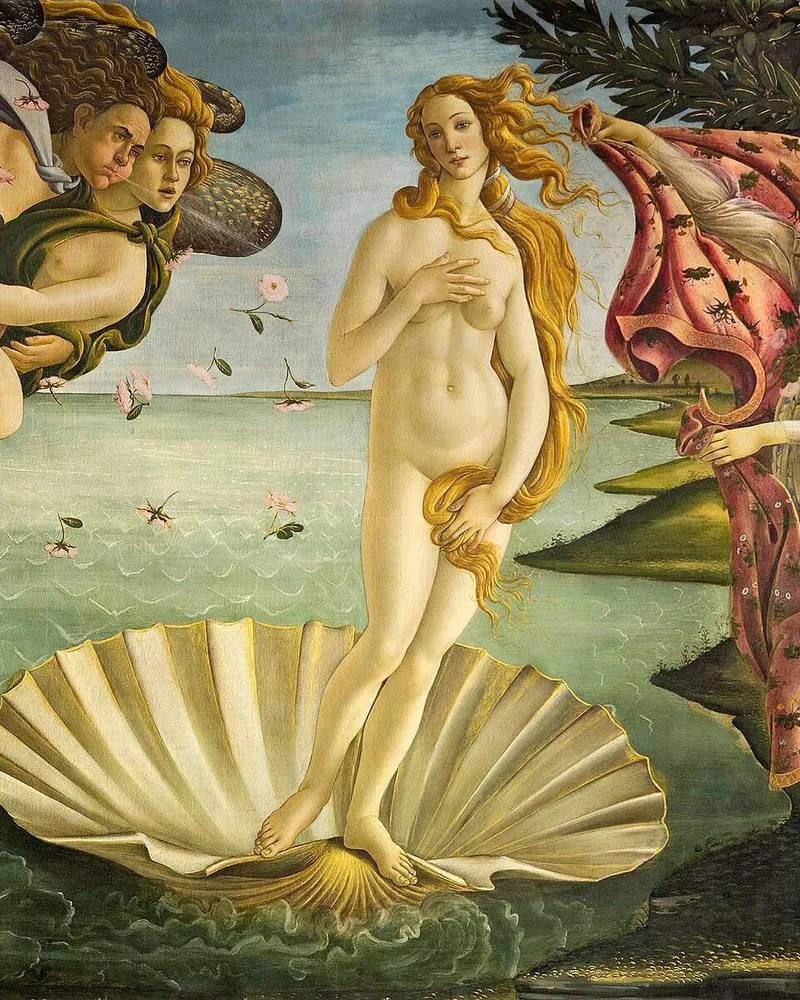
30 April, from sundown · 1 May, the dew of the morning · Aphrodite, Ourania and Pandemos · Psalm IV
The Festival at a Glance
| Festival | Beltane, the Eve of Beltane (Bealtaine, “bright fire”); the Feast of Valborg; the Fires of Aphrodite |
|---|---|
| Date | From sundown on 30 April through the night to the dew of the morning of 1 May. The Rite begins at dusk; the fires reach their height at midnight; the dew is gathered at dawn. |
| Astronomical moment | The Sun at 15° Taurus, the midpoint between the Spring Equinox and the Summer Solstice; the cross-quarter day of the Bull. |
| Category | Mystery Holiday. The second of the 4 cross-quarter feasts; the summit of the spring; the door of the living half of the year; in the old Zevist reckoning, the Zevic New Year. |
| Gods honoured | Aphrodite, Kyprogeneia, Ourania and Pandemos, Queen of Queens: Venus, Turan, Freyja, Hathor, Astarte, Inanna, Rati, Oshun; the Goddess of love, union, beauty and the force of life. |
| Ancient parallels | The Celtic Beltane of the 2 fires and the fire of Uisneach; the Roman Floralia (28 April to 3 May) and the rites of the Bona Dea (1 May); the Athenian Thargelia; the sacred marriage of Zeus and Hera on Ida; the Sumerian sacred marriage of the New Year; the Egyptian Beautiful Reunion of Hathor and Horus; the fires of the Brocken. |
| Inner meaning | Sacred union. The fire of creation at its height. The jump through the flame and the passage between the 2 fires. The marriage of the soul and the God. The ladder of love from the body to Beauty itself. |
| Festival Psalm | Psalm IV: The Psalm of Beltane (72 passages to Aphrodite) |
| Rituals of the Gods | The Aphrodite, Astarte, Venus, Isis Power Ritual |
The Nature of the Festival
Beltane is the summit of the spring. The Sun stands at the 15th degree of Taurus, the fixed sign of the earth, halfway between the equinox and the solstice, and the force of life in the world is at its most concentrated and most available. The grass is at its greenest, the blossom is on every tree, the animals pair, and the whole earth, as Lucretius put it, is pierced by the sweetness of the Goddess and follows wherever she leads (De rerum natura 1.19 to 20).
The Temple keeps the feast on the night of the 30th of April, from sundown, as the Celts kept it, who counted their days from sunset to sunset, and on the morning of the 1st of May, when the dew is gathered.
The name is Irish: Beltaine, which Cormac's Glossary explains as bil-tene, the lucky or bright fire, from the 2 fires the druids kindled with great incantations and between which the cattle were driven against the diseases of the year (Sanas Cormaic s.v.). The Temple calls the same night the Feast of Valborg and refuses to call it Walpurgis Night, because Walpurga is the name of a Christian saint laid over a festival that was burning on the Brocken before her order existed.
The fire is the thing. Bright fire on the hilltop, fire jumped and fire passed between, is the outer sign of a force that the Zevist knows by its inner name.
Beltane stands directly opposite Samhain on the wheel of the year. Samhain is the door of the dead; Beltane is the door of the living. At both the veil between the worlds is thin, and at Beltane it's thin toward life: the Gods come close to the fires, telepathic communication with them is open, and what is asked at midnight is heard.
The old Zevist reckoning kept Beltane as the Zevic New Year, the beginning of the bright half of the year, as the Celts began their summer here. The Temple keeps both counts: the Winter Solstice opens the year of the light, and Beltane opens the year of life. The light is born in December and comes of age in May.
The Winter Solstice opens the year of the light; Beltane opens the year of life. The light is born in December and comes of age in May.
The Goddess of the Festival: Aphrodite
Aphrodite (Ἀφροδίτη) rose from the white foam of the sea off Kythera and came ashore on Cyprus, and grass grew under her feet as she walked, and Eros and Himeros, Love and Desire, walked beside her from the first moment (Hesiod, Theogony 190 to 202). The Hours clothed her in immortal garments and crowned her with gold and led her to the Gods, every one of whom wanted her for his wife (Homeric Hymn 6).
She's the Goddess of love, and the Temple means the word in its oldest sense: not only the love of lovers, but the cosmic force of attraction that binds all things together, that Empedocles called Philotes and Proclus called the source of the Loves, the bonds of the cosmos that hold the soul to the body and the world to the Gods (Empedocles B 17; Proclus, Hymn 2). Beltane is the celebration of that force at the height of its year.
Plato's Symposium is the theology of this festival. Pausanias, at Agathon's banquet, distinguished 2 Aphrodites: the Heavenly, Ourania, older, motherless, daughter of Ouranos; and the Common, Pandemos, younger, daughter of Zeus and Dione (180d to 181e). The Common loves the body; the Heavenly loves the soul; and both are 1 Goddess. The one who loves only the body stops at the door; the one who loves only the soul never enters.
Then Diotima taught Socrates the ladder: from 1 beautiful body to all beautiful bodies, from bodies to souls, from souls to laws and knowledge, and from these to Beauty itself, which neither comes nor goes (210a to 212a). Beltane is the first rung of that ladder, and it's a real rung. Whoever despises it never climbs; whoever stays on it never climbs. The fire is jumped, not sat in.
The Goddess is life-affirming, and so is Zevism. The body isn't a prison, pleasure isn't a sin, the fire of Beltane isn't a danger to the soul. The fire is the soul, seen for once from outside. The Temple celebrates on this night the body, physical pleasure, union, creativity, prosperity, health and the gift of being alive, and does it under the Goddess's eye, where the fire has its measure. She rides the Bull; she doesn't pretend there's no Bull.
The one who loves only the body stops at the door; the one who loves only the soul never enters. Both Aphrodites are 1 Goddess.
History and Ancient Parallels
The Celtic Beltane
The Irish quarter day of Beltane began the summer. Cormac's Glossary preserves the druids' 2 fires and the cattle driven between them; Geoffrey Keating, drawing on older tradition, records that the great fire was kindled on the hill of Uisneach, the navel of Ireland, and that every hearth in the island was lit from it (Foras Feasa ar Éirinn 1.9).
The customs lived on into modern times: the May bush decorated with flowers and ribbons set up before the house; the yellow flowers of May laid on doorsteps and windowsills; the dew of May morning gathered to wash the face for beauty and health; the boundaries of the land walked and the fences mended; the cattle driven to the summer pastures after passing the fires (Danaher, The Year in Ireland, 1972, 86 to 127).
In the Scottish Highlands the Beltane fire was kindled on a square cut in the turf, 8 outer squares dug out and the 9th left whole in the middle, from the wood of 9 kinds of tree, and a bannock was broken and the piece marked with charcoal chosen by lot to leap 3 times through the flame (Pennant, A Tour in Scotland, 1769, on Perthshire; Frazer, The Golden Bough, 3rd ed., vol. 10, 146 to 160).
The jump through the fire and the passage between 2 fires are the 2 acts the Temple keeps at the centre of the night.
Rome: Floralia and Bona Dea
The Roman Floralia ran from the 28th of April to the 3rd of May, the games of Flora, Goddess of flowers and of everything that blossoms. Ovid, who asked the Goddess herself why her games were wanton, received the answer: she isn't a Goddess of the sour; her gifts are for the young, and she would have them enjoyed while the flower lasts (Fasti 5.183 to 378; non sum de tetricis, 5.347).
Hares and goats were loosed in the circus, the people were showered with beans and lupines, lamps were lit for night games, and the mime actresses performed without the ordinary restraints, so that Cato the Younger, famous for leaving the theatre so the show could go on without his frown, is remembered for exactly that (Valerius Maximus 2.10.8).
On the 1st of May the women of Rome kept the rites of the Bona Dea at night, in the house of a magistrate, with every man and every male animal and even male portraits put out of doors, under a secrecy so complete that Cicero could say the rites might not be looked upon even by an unintending male eye (De haruspicum responso 37; Plutarch, Caesar 9 to 10). The Goddess of the night of the 1st of May had her Mystery in Rome, and kept it.
Athens: The Thargelia and the Sacred Marriage
At Athens the Thargelia fell at the beginning of May, on the 6th and 7th of Thargelion: the first fruits of the year offered to Apollo and Artemis in a pot of boiled grain, the thargelos, and the city purified by sending 2 men, the pharmakoi, out of it with strings of figs around their necks, so that the summer was entered clean (Harpocration s.v. φαρμακός; Hipponax fr. 5 to 10 West; Parke, Festivals, 146 to 149).
The sacred marriage is older still. Homer dared to show it: on the peak of Ida Zeus took Hera in his arms, and beneath them the divine earth put forth fresh grass, dewy lotus and crocus and hyacinth, thick and soft, that held them up from the ground, and a golden cloud covered them from which glistening dew fell (Iliad 14.346 to 351). Every spring is that cloud and every rain that dew.
The Sumerians performed the same marriage as a rite at the New Year, the king going in to the Goddess so that the land would bear (the Iddin-Dagan hymn; Kramer, The Sacred Marriage Rite, 1969), and the Irish made the sovereignty of the land a woman whom the rightful king married.
Egypt and the North
Egypt kept the Beautiful Reunion: the image of Hathor sailed upriver from Dendera to Edfu to be united with Horus, and the 2 Gods spent 14 days together in his temple while the whole countryside feasted; the festival calendar of Edfu records it in detail (Alliot, Le culte d'Horus à Edfou, 1954, 441 to 560). The Temple's older page preserved this as the Festival of the Joyous Union, the fusion of the solar and the lunar in the sign of the Bull, kept with art, music, dance and the celebration of the body.
In the North the night of the 30th of April was the great fire night of the year: on the Brocken, the highest peak of the Harz, the people kept the feast with bonfires on the summit and dancing until dawn, and when the Church couldn't stop it, it named the night after a saint and called the dancers witches (Grimm, Deutsche Mythologie, 1835, ch. 34; Praetorius, Blockes-Berges Verrichtung, 1668). The Swedish Valborgsmässoafton still lights the fires on the 30th of April. The Temple keeps the fires and drops the saint.
Flora answered Ovid: I am not a Goddess of the sour. The games of flowers were wanton because the Goddess is seen in them.
The Mystery of Beltane
The outer festival is the fire and the pairing. The inner festival is the marriage of the soul and the God.
The Sacred Marriage, the hieros gamos, is the oldest rite in the record of mankind. Sumer performed it at the New Year; Homer placed it on Ida; Athens re-enacted it every spring when the Basilinna was given to Dionysos; Ireland made it the title to the throne. In every case the pattern is the same: a God and a Goddess, or a God and the land, or the king and the Goddess, are united, and from the union the year is born.
The Zevist reads the pattern inward. The Sacred Marriage is the marriage of the soul and the God, the bride who is the self and the bridegroom who is the light, and the child of that marriage is the Theophoros, the one who bears the God. Beltane is the night when that marriage is consummated again, in the body first, as the ancients consummated it, and in the soul after, as the ladder of Diotima climbs.
The second teaching is the 2 fires. The cattle were driven between them, and the herds were cleansed by the passage; the Zevist passes between them, and the fire on the left is the winter that ended and the fire on the right is the summer that begins, and between them is 1 step. The jump through the single fire is the harder form of the same act: the one who jumps leaves on the far side what he was on the near side, and the flame takes the winter from the skin.
Beltane and Samhain are the 2 doors of the year, and the fire is the lintel of the door of life.
The third teaching is the Bull. The Sun at 15° Taurus stands in the middle of the fixed sign of the earth, the sign of the neck, where the voice is made and the food goes down. The force of life is a bull: the sap in the oak, the milk in the ewe, the blood in the vein, the fire in the spine, 4 names of 1 force.
In the Temple's teaching that force has an inner name, and the 2 channels, which the Greeks drew as the 2 serpents on the rod of Hermes, meet at the base of the spine and the fire climbs between them to the crown, where the wings open. The caduceus is the Sacred Marriage drawn as a sign. Beltane is the night when the outer fire on the hill and the inner fire in the spine answer each other most readily; the dance around the flame is the body's way of calling to the serpent, and the serpent answers.
The 4th teaching is the ladder. The Goddess of the Common has a sister in the sky. The fire that isn't carried upward burns the house down; pleasure is the beginning of the road, and the road goes up. The Zevist keeps Beltane with his whole body and keeps the second rung in sight.
What Stays Within the Veil: The Inner Rite of the Marriage
Rome's Goddess of the 1st of May had her rite at night in a magistrate's house, and no man, no male animal, not even the portrait of a man was allowed under the roof; Cicero wrote that the rites might not be looked upon even by an unintending male eye, and the one man who tried, Clodius, was tried for it (De haruspicum responso 37; Plutarch, Caesar 9 to 10).
The marriage of the Basilinna to Dionysos in the Boukoleion was performed by 14 women sworn to secrecy, the Gerarai, and the oath they swore survives while the rite doesn't ([Demosthenes] 59.73 to 78). The frieze of the Villa of the Mysteries at Pompeii shows the unveiling of the liknon and stops exactly at the moment of unveiling.
The Temple holds an inner rite of this night, concerning the marriage, the 2 serpents and the crown. The Zevists who hold it keep it. The Psalm's fourth movement carries its stations in a veiled form, and the one who has stood under the golden cloud will read it there.
The ancient rule holds in the Temple of Zeus. The outer festival of Beltane belongs to everyone: the fires, the procession, the Psalm, the feast, the games, the night. The inner rite is a Mystery, and a Mystery is classified by its nature, as it was at Eleusis, at Samothrace, on Parnassos and in the Idaean cave. It isn't published on this page or on any page.
Zevists who rise through the ranks of the Temple come to know it in due time, to experience it, and to understand it, under the same discipline the ancients kept. What the public saw in antiquity, the public sees now; what the mystai kept, the mystai keep. The restoration of the inner rites is a work in progress, and it's undertaken.
The Names of the Goddess Across the Nations
| Civilisation | Name | Aspect |
|---|---|---|
| Hellenic | Aphrodite (ΑΦΡΟΔΙΤΗ), Kypris, Kyprogeneia, Kythereia, Ourania, Pandemos, Philommeides, Chrysee, Euploia; with Eros (ΕΡΩΣ) and Himeros at her side | Queen of Queens; the force of union; the ladder of love |
| Roman | Venus, Venus Genetrix, Venus Verticordia, Flora (the Goddess of the games of this week) | Mother of the race; the blossom |
| Etruscan | Turan | Lady of love |
| Phoenician and Mesopotamian | Astarte, Ishtar, Inanna | Queen of Heaven; the sacred marriage |
| Egyptian | Hathor, the Golden One, Lady of Dendera; Isis | The cow of heaven; music, joy, the Beautiful Reunion |
| Norse | Freyja; Frigg in the aspect of the Mother | Love, seid, the half of the fallen |
| Celtic | The sovereignty Goddess (Ériu, Medb, the Morrígan at the river); Brigid in her bridal aspect | The land as bride of the king |
| Vedic and Hindu | Rati, consort of Kama; Lakshmi; Parvati with Shiva | Desire; abundance; the divine marriage |
| Yoruba | Oshun | Lady of the river, of love and of sweetness |
| Slavic | Lada | Spring, love and marriage |
| Hebrew (as the demonised plural) | Ashtaroth, Astaroth | The Goddess under the slander |
The names in this table are the same essence under the tongues of different peoples. A Zevist of any nation may address Aphrodite under the name that the ancestors of that nation used, provided the essence of the God is understood as one. The Temple sets the Greek name first because the Greek sources preserve the fullest theology; it doesn't set it as the only name.
The ancients themselves did the same: Herodotus wrote Greek names for Egyptian Gods without hesitation, and the Romans wrote Jupiter over every altar of Zeus they found (Herodotus 2.42 to 2.50; Caesar, Gallic War 6.17; Tacitus, Germania 9, 43).
The Rite of Beltane
The Rite stands on the frame of the Standard Ritual and the Advanced Zevist Ritual of the Temple. Whoever knows those knows the skeleton: the bell, the Four Powers, the Invocation to Zeus, the prayer, the burning, the meditation, the closing. The festival adds its own flesh to that skeleton at fixed points. The order below gives every step, so that a Zevist alone and an assembly of 300 perform the same Rite on the same night.
The Rite begins at sundown on the 30th of April. Its height, the jump through the fire and the passing between the 2 fires, falls at midnight, when the veil is thinnest. The fires are kept burning until dawn where the place allows it, and at dawn the dew is gathered and the face washed in it. The 1st of May is kept as a day of flowers, of the boundary walked, and of rest.
- The fire: outdoors, a bonfire, or 2 fires set a few paces apart, of wood from 9 kinds of tree where that can be managed, oak first among them; indoors, 2 candles set apart on the floor for the passage, and 1 candle raised for the jump of the hand.
- Bathe before the Rite. Flowers in the water: rose, hawthorn, broom.
- Incense: rose, sandalwood, benzoin, musk; apple wood on the fire.
- Candles: green and red; a white candle for Ourania and a red for Pandemos, set side by side on the altar.
- The cup: wine, red; or honeyed milk, the drink of the May.
- Flowers everywhere: on the altar, on the door, in the hair; the May bush or a flowering branch set up before the house; hawthorn, if it can be had, which the Irish held sacred to the day.
- A pole, ribboned and crowned with flowers, for a gathering; a small ribboned branch on the altar for the home.
- A bannock or May cake, to be broken and shared.
- The Sigil of Aphrodite from the Temple as the point of focus.
- Clean clothing, light, loose, in green and white, or none: the ancients jumped the fire unclothed, because robes catch. The Temple leaves it to the celebrant and to the place.
- The Opening. The bell. The white candle and the red are lit together: Ourania and Pandemos, 1 flame in 2.
- The Invocation of the Four Powers, as in the Standard Ritual, below. The West, the quarter of Aphrodite, is held a breath longer.
- The Invocation to Zeus. ΕΝ ΟΝΟΜΑΤΙ ΤΟΥ ΖΕΒ ΥΨΙΣΤΟΥ, as below. Drink from the cup.
- The Festival Invocation, below, facing the fire.
- The Ritual of the Goddess. The Aphrodite, Astarte, Venus, Isis Power Ritual in full, or halved. On this night the Goddess is addressed first by her Greek name and the Cyprian epithets.
- The Psalm, Movements I to III. The Cyprus-Born, the Heavenly and the Common, the Fires of Beltane.
- The Kindling. The bonfire, or the 2 fires, are lit from the altar candles with the Kindling Formula below. Indoors, the 2 floor candles are lit.
- The Passing Between. Each celebrant walks between the 2 fires, from west to east, speaking the Passage Formula below. Couples pass hand in hand. Children are carried through.
- The Jump. Those who will, jump the fire when it has burned down enough to be jumped, 3 times, as the Highland custom was. Indoors, the hand is passed quickly through the raised candle's flame 3 times. The Jump Formula below.
- The Psalm, Movements IV to VI. The Sacred Marriage, the Force of Life, the Crowned One.
- The Raising of the Pole and the Crowning. In a gathering, the pole is raised and the dance of the ribbons winds it; at home, the ribboned branch is set in the window. The May Queen, or the celebrant alone, is crowned with flowers.
- The Blessing of Couples and of the Alone. The words below, spoken over those who pair and over those who don't.
- The Prayer, in one's own words, to Aphrodite and to Zeus, at the fire. Communication with the Gods is open on this night; speak and listen.
- The Meditation. On the Sigil; on the 2 serpents meeting at the base of the spine and climbing; on the fire within answering the fire without.
- The Closing, below, and the bell, clockwise.
- The Night. The fires are kept; the dance; the feast; the bannock broken and shared; the couples who go into the wood go; the ones who stay by the fire stay. The Temple doesn't blush and doesn't pry.
- The Dew. At dawn, the face washed in the dew of May morning, with the Dew Formula below. Then the boundary of the house or the land walked, the fences mended, the gate blessed.
Face each direction in turn, beginning in the East and turning counterclockwise. At each turn a stream of electric blue light enters and fills the whole being; with each invocation the light grows stronger.
| Direction | Name of Power | Invocation |
|---|---|---|
| East | SAT-YA, ETERNAL TRUTH | I invoke the power of Truth, the foundation of all that exists. |
| North | ZEV, LEADER OF CREATION | I invoke the King of the Gods, the Father of all that lives. |
| West | APHRODITE, QUEEN OF QUEENS | I invoke the Goddess of Love, the force that binds all things together. |
| South | APOLLO, POWER OF THE LIGHT | I invoke the God of Light, of Clarity, and of Truth made visible. |
Then affirm: Eternal Gods, You who have gone by many names in the cultures of humanity, I invoke You within myself. May all Your Names be blessed. May Your Names bestow me with power.
En Onomati tou Zev Hypsistou, Patros Theon te kai Anthropon
Om Zev Devadevaaya Satyaaya Namah
The Festival Invocation (after the Invocation to Zeus, facing the unlit fire)
ὁ Ἥλιος ἐν μέσῳ τοῦ Ταύρου, ἡ γῆ χλωρὰ ὅλη, καὶ τὰ πυρὰ ἕτοιμα·
ἐλθὲ εἰς τὸ πῦρ ἡμῶν ὡς ἦλθες εἰς τὸν ἀφρόν,
καὶ ἡ πόα ἀναστήτω ὑπὸ τοὺς πόδας σου ἐν ἡμῖν.
Afroditee, Keeprogenes, Oorania kai Pandeeme, Vasilissa Vasilisson,
o Eelios en meso too Tavroo, ee gee khlora olee, kai ta peera etoima·
elthe eis to peer eemon os eelthes eis ton afron,
kai ee poa anasteeto eepo toos podas soo en eemin.
the Sun is in the middle of the Bull, the earth is green all over, and the fires are ready;
come into our fire as you came into the foam,
and let the grass stand up under your feet in us.
The Kindling Formula (as the bonfire or the 2 fires are lit from the altar candles)
καῖε τὸν χειμῶνα, θέρμαινε τὸ θέρος, καὶ μὴ καταναλίσκῃς τοὺς σούς.
Lampron peer, Vel-tene, ek tees Ooranias kai tees Pandeemoo en peer·
kaie ton kheimona, thermaine to theros, kai mee katanaliskees toos soos.
burn the winter, warm the summer, and don't consume your own.
The Passage Formula (walking between the 2 fires, west to east)
μεταξὺ αὐτῶν ἓν βῆμα, καὶ βαίνω αὐτὸ νῦν.
Aristera o kheimon o telefteesas, dexia to theros to arkhomenon·
metaxee afton en veema, kai vaino afto neen.
between them 1 step, and I take it now.
The Jump Formula (before each of the 3 jumps)
ἡ φλὸξ λαμβάνει τὸν χειμῶνα ἀπὸ τοῦ δέρματος· ὁ ὑπερπηδῶν ὁ τολμήσας.
Eeperpeedo, kai leipo epi tees peran plevras o een·
ee flox lamvanei ton kheimona apo too dermatos· o eeperpeedon o tolmeesas.
the flame takes the winter from the skin; the one who jumps is the one who dared.
The Blessing of Couples and of the Alone
ὁ Ἱερὸς Γάμος ἔσω πρῶτον γίγνεται, καὶ ἡ θεὰ ἀμφοτέρους εὐλογεῖ.
Evlogeemenoi oi deeo eepo teen khreeseen nefeleen· evlogeemenos o eis para to peer·
o Ieros Gamos eso proton gignetai, kai ee thea amfoteroos evlogei.
the Sacred Marriage happens within first, and the Goddess blesses both.
The Dew Formula (at dawn on the 1st of May, kneeling in the grass)
νίψον τὸ πρόσωπόν μου, καὶ τὸ κάλλος τῆς θεᾶς ἐν αὐτῷ μενέτω.
Drose too Maioo, khreesee nefelee tees Idees epi teen poan pesoosa,
nipson to prosopon moo, kai to kallos tees theas en afto meneto.
wash my face, and let the beauty of the Goddess stay in it.
Praised be Zeus, the God of Gods, the Unconquered and Greatest, Father of Gods and Men, King of the Immortals! Ring the bell, turning clockwise. The Rite is concluded.
Between the 2 fires there is 1 step, and it's taken at midnight.
Celebrating Alone
Beltane alone is a night of fire and flowers kept on the scale of 1 person, and the scale takes nothing from it. Where there's a garden or a safe open place, a small fire in a pit or a brazier is the heart of the night, and 2 candles set on the ground a pace apart serve for the passage between the fires. Where there's no outdoors, the 2 candles on the floor and 1 raised candle for the jump of the hand are the whole apparatus, and the Rite is complete with them.
Spend the day of the 30th gathering flowers and green: a branch for the window, ribboned if there are ribbons, hawthorn if there's hawthorn, and flowers for the door and the altar and the hair. Bake or buy the bannock. Bathe at dusk with flowers in the water. Set the white candle and the red side by side. Perform the Rite in the order above; the Aphrodite Ritual takes about 25 minutes and the whole Rite with the Psalm and the fires about 2 hours, reaching the passage and the jump at midnight.
The passage between the 2 candles is made slowly, west to east, with the words. The jump of the hand through the raised flame is made 3 times, quickly, as the Highlanders leapt 3 times through the fire, and the hand isn't burned if it's quick; the point isn't pain but the crossing. Speak to the Goddess afterwards in plain words, at the fire, and listen: the night of Beltane is open, and the Zevist who has never heard the Gods answer may hear them tonight.
The blessing of the alone is spoken over oneself without embarrassment. The Sacred Marriage happens within first; the one who keeps Beltane alone keeps its deepest part, the marriage of the soul and the God, and the Temple says so plainly so that no one keeps the night feeling excluded from it. At dawn kneel in the grass and wash the face in the dew. Walk the boundary of whatever is yours, the garden, the house, the room, and mend what needs mending. Then take the day of the 1st of May for pleasure and rest.
Celebrating as a Gathering
Beltane is the gathering festival above all others, because its 2 central acts, the fire jumped and the pole wound, need a hill and a crowd. The ancient models are the fire of Uisneach from which every hearth was lit, the Floralia with the whole city in the circus, and the Brocken with the whole countryside on the summit. The Temple's gathering is held outdoors wherever it can be, on high ground, with a fire that can be seen from a distance.
The Offices of the Night
| Office | Ancient model | Duty in the Rite |
|---|---|---|
| The Presiding Priestess or Priest | The priestess of Aphrodite at Paphos; the Basilinna | Leads the Rite; performs the Invocations; leads the Aphrodite Ritual; speaks the blessings; crowns the May Queen. |
| The Fire-Keepers (οἱ Πυρφόροι) | The druids of the 2 fires | Build the fires of 9 woods on the grid of 9 squares; light them at the Kindling; keep them until dawn; judge when the fire can be jumped. |
| The Herald | The Hierokeryx | Gives the public call; announces the steps; calls midnight for the passage and the jump. |
| The Chorus | The singers of Sappho; the chorus of the Floralia | Sings the Psalm; the assembly answers each last line. |
| The May Queen (ἡ Βασίλισσα τοῦ Μαΐου) | The girl crowned as the Goddess; the Lady on the white horse | A woman of the gathering, chosen by the assembly, crowned with flowers after the Psalm's sixth movement; leads the dance of the pole; is the Goddess present among her people for the night. |
| The Pole-Bearers | The Egyptians who raised the obelisk; the Maypole crews | Raise the pole; hand out the ribbons; lead the winding dance. |
| The Keeper of the Bannock | The Highland cake-breaker | Breaks the May cake and gives a piece to each celebrant; the marked piece, drawn by lot, names the one who jumps first. |
The Order of the Gathering
- The Gathering of the Green. On the afternoon of the 30th the assembly gathers flowers and branches together and decorates the place: the altar, the pole, the way to the fire. The Fire-Keepers build the fires.
- The Public Call, by the Herald, at sundown: the Fires of Aphrodite are open to every person of good will who comes to be glad.
- The Rite, in the order above, led by the Presiding Priestess, the Chorus carrying the Psalm.
- The Kindling. At the Kindling the Fire-Keepers light the 2 fires from the altar candles; the hall's or hill's other lights are put out, and the fires are the only light.
- The Passage, at midnight, called by the Herald. The whole assembly passes between the 2 fires in procession, west to east, couples hand in hand, children carried, the Presiding Priestess last.
- The Jump. The Keeper of the Bannock breaks the cake; the one who draws the marked piece jumps first, 3 times; then all who will. The Fire-Keepers judge the flame.
- The Pole. The Pole-Bearers raise the pole; the ribbons are handed out; the May Queen, crowned by the Presiding Priestess, leads the winding dance, the dancers moving in 2 rings in opposite directions until the pole is bound to its top. The world is bound together as it was in the beginning.
- The Blessing of Couples and of the Alone, spoken by the Priestess over the whole assembly.
- The Closing, and the bell.
- The Night. The feast: honeyed milk, wine, the bannock, spring greens, lamb, cheese, cakes with flowers; the dance around the fire, the circle dance and the snake dance; music; the wood for those who go to it; the fire for those who stay. The fires are kept until the Sun rises.
- The Dew and the Bounds. At dawn the assembly washes in the dew together, and then walks the boundary of the place of the gathering clockwise, the Priestess blessing the gate.
The inner rite of the marriage, where it is held, is held apart from the hill by those who hold it, and the assembly isn't told its hour.
A hill, a fire that can be seen from a distance, and a crowd to jump it: that is Beltane kept in common.
The Psalm of Beltane
The Psalm is sung in 2 halves at the 2 points marked in the Rite: Movements I to III after the Ritual of the Goddess and before the Kindling, Movements IV to VI after the Jump. Each passage stands in 3 columns, Ancient Greek, transliteration and English. 72 passages to Aphrodite.
The full Psalm stands on its own page: Psalm IV: The Psalm of Beltane. The first 24 of its 72 passages are shown here; the drawdown below unfolds the remaining 48.
I · The Cyprus-Born · Ἡ Κυπρογένεια (Aphrodite)
| № | Ancient Greek | Transliteration | English |
|---|---|---|---|
| 1 | Κλῦθι, Ἀφροδίτη, Κυπρογενές, Κυθέρεια, ἀφρογενής, χρυσέη, φιλομμειδής, Βασίλισσα Βασιλισσῶν· τὰ πυρὰ ἐπὶ τῶν λόφων ἀνῆπται, καὶ ἡ νὺξ τοῦ Βελτάνε σή. | Kleethi, Afroditee, Keeprogenes, Keethereia, afrogenees, khreeseee, filommeidees, Vasilissa Vasilisson· ta peera epi ton lofon aneeptai, kai ee neex too Veltane see. | Hear, Aphrodite, Cyprus-born, Kythereia, foam-risen, golden, laughter-loving, Queen of Queens; the fires are lit on the hills, and the night of Beltane is yours. |
| 2 | Ἐκ τοῦ λευκοῦ ἀφροῦ περὶ τὸν ἀθάνατον χρόα κούρη ἐθρέφθη, καὶ πρῶτον Κυθήροισι προσέκυρσε, εἶτα δὲ Κύπρῳ περιρρύτῳ, καὶ ποίη ὑπὸ ποσσὶ ῥαδινοῖσιν ἀέξετο· οὕτως Ἡσίοδος, καὶ οὕτως πᾶν ἔαρ. | Ek too lefkoo afroo peri ton athanaton khroa kooree ethrefthee, kai proton Keetheeroisi prosekeerse, eita de Keepro perirreeto, kai poiee eepo possi radinoisin aexeto· ootos Eesiodos, kai ootos pan ear. | From the white foam about the immortal flesh a maiden grew, and she came first to Kythera and then to sea-girt Cyprus, and grass grew beneath her slender feet: so Hesiod, and so every spring. |
| 3 | Ἔρως σοι ὡμάρτησε, καὶ Ἵμερος καλὸς ἕπετο, ἀπὸ τῆς πρώτης στιγμῆς ὅτε ἐγένου καὶ ἐς θεῶν ὅμιλον ἦλθες· ὅπου σὺ ἔρχῃ, ὁ πόθος ἔρχεται, καὶ ὅπου ὁ πόθος, ἡ ζωή. | Eros soi omarteese, kai Imeros kalos epeto, apo tees protees stigmees ote egenoo kai es theon omilon eelthes· opoo see erkhee, o pothos erkhetai, kai opoo o pothos, ee zoee. | Eros walked beside you, and fair Himeros followed, from the first moment you were born and went to the company of the Gods; where you go, desire goes, and where desire goes, life. |
| 4 | Αἱ Ὧραι σὲ ἐπὶ τῆς ἀκτῆς ἐδέξαντο καὶ ἄμβροτα εἵματα ἕσσαν, στέφανον χρύσεον ἐπὶ κεφαλῇ, ἄνθεα ὀρειχάλκου καὶ χρυσοῦ ἐν τοῖς ὠσί, καὶ πρὸς τοὺς θεοὺς ἤγαγον, καὶ πᾶς θεὸς σὲ γυναῖκα ἤθελεν. | Ai Orai se epi tees aktees edexanto kai amvrota eimata essan, stefanon khreeseon epi kefalee, anthea oreikhalkoo kai khreesoo en tois osi, kai pros toos theoos eegagon, kai pas theos se geenaika eethelen. | The Hours received you on the shore and clothed you in immortal garments, a golden crown on your head, flowers of orichalc and gold in your ears, and led you to the Gods, and every God wanted you for his wife. |
| 5 | Ἡ Πάφος ὁ οἶκός σου, σὺν τῷ βωμῷ ὃν ὄμβρος οὐ βρέχει, ὁ κωνικὸς λίθος, οἱ ἱερεῖς βασιλεῖς τοῦ Κινύρου, αἱ περιστεραὶ ἐπὶ τῆς στέγης· ἡ θάλασσα ἐξ ἧς ἀνέβης ἔτι ῥήγνυται ἐπὶ τῶν βαθμίδων αὐτοῦ. | Ee Pafos o oikos soo, seen to vomo on omvros oo vrekhei, o konikos lithos, oi iereis vasileis too Kineeroo, ai peristerai epi tees stegees· ee thalassa ex ees anevees eti reegneetai epi ton vathmidon aftoo. | Paphos is your house, with the altar that no rain wets, the conical stone, the priest-kings of Kinyras, the doves on the roof; the sea you rose from still breaks on its steps. |
| 6 | Σαπφὼ σὲ ποικιλόθρονον ἐκάλεσε, δολόπλοκον, παῖδα Διός, καὶ ᾐτήσατο μὴ δαμνᾶν τὴν καρδίαν αὐτῆς ἄσαισι, σὺ δ' ἦλθες ἐν ἅρματι ὑπὸ στρουθῶν ἑλκομένῳ, μειδιάσασα ἀθανάτῳ προσώπῳ. | Sapfo se poikilothronon ekalese, doloplokon, paida Dios, kai eeteesato mee damnan teen kardian aftees asaisi, see d' eelthes en armati eepo stroothon elkomeno, meidiasasa athanato prosopo. | Sappho called you of the many-coloured throne, weaver of wiles, child of Zeus, and asked you not to break her heart with pain, and you came in your chariot drawn by sparrows, smiling with immortal face. |
| 7 | Ἡ περιστερά, ὁ στρουθός, ὁ κύκνος, ὁ λαγώς, ἡ αἴξ, ὁ δελφίς· πᾶν ζῷον ὃ ἄνευ αἰσχύνης ἐρᾷ ζῷόν σου· καὶ τῇ νυκτὶ ταύτῃ ὁ ὅλος λόφος ζῷόν σου. | Ee peristera, o stroothos, o keeknos, o lagos, ee aix, o delfis· pan zoon o anef aiskheenees era zoon soo· kai tee neekti taftee o olos lofos zoon soo. | The dove, the sparrow, the swan, the hare, the goat, the dolphin: every creature that loves without shame is your creature; and tonight the whole hillside is your creature. |
| 8 | Ἡ μυρσίνη σή, καὶ τὸ ῥόδον ὃ ἐρυθρὸν ᾑμάχθη ὅτε πρὸς Ἄδωνιν ἔδραμες, τὸ μῆλον τοῦ Πάριδος, ὁ κεστὸς ἐν ᾧ πάντα τὰ θελκτήρια ἐνείρεται· ἡ Ἥρα τὸν κεστὸν ἐδανείσατο ἵνα τὸν Δία νικήσῃ, καὶ ἡ γῆ ὑπ' αὐτοῖς ἤνθησεν. | Ee meersinee see, kai to rodon o ereethron eemakhthee ote pros Adonin edrames, to meelon too Paridos, o kestos en Oh panta ta thelkteeria eneiretai· ee Eera ton keston edaneisato ina ton Dia nikeesee, kai ee gee eep' aftois eentheesen. | The myrtle is yours, and the rose that bled red when you ran to Adonis, the apple of Paris, the girdle in which all charms are worked; Hera borrowed the girdle to win Zeus, and the earth bloomed under them. |
| 9 | Χρυσῆ Ἀφροδίτη, ἧς ἡ τιμὴ ἐν παντὶ τόπῳ, ἣν ὁ Ὁμηρικὸς ἀοιδὸς ὕμνησε τὴν χρυσοστέφανον· δὸς ἡμῖν ᾠδὴν τὴν ἀρέσκουσαν, καὶ δὸς νύκτα τὴν μένουσαν. | Khreesee Afroditee, ees ee timee en panti topo, een o Omeerikos aoidos eemneese teen khreesostefanon· dos eemin odeen teen areskoosan, kai dos neekta teen menoosan. | Golden Aphrodite, whose honour is in every place, whom the Homeric singer hymned in the lovely crown; give us the song that pleases, and give us the night that stays. |
| 10 | Οὐένους ἐν Ῥώμῃ, Τουρὰν ἐν Τυρρηνίᾳ, Φρέϋα ἐν τῷ Βορρᾷ, Ἁθὼρ ἐν Αἰγύπτῳ, Ἀστάρτη ἐν Σιδῶνι, Ἰνάννα ἐν Ὀρχόῃ, Ῥατὶ ἐν Ἰνδίᾳ, Ὀσοὺν παρὰ τὸν ποταμόν· ἄλλαξον τὸ ὄνομα κατὰ τὴν γλῶσσαν· ἡ θεὰ οὐκ ἀλλάσσεται. | Ooenoos en Romee, Tooran en Teerreenia, Freeea en to Vorra, Athor en Aigeepto, Astartee en Sidoni, Inanna en Orkhoee, Rati en India, Osoon para ton potamon· allaxon to onoma kata teen glossan· ee thea ook allassetai. | Venus in Rome, Turan in Etruria, Freyja in the North, Hathor in Egypt, Astarte in Sidon, Inanna in Uruk, Rati in India, Oshun by the river; change the name by the tongue; the Goddess doesn't change. |
| 11 | Ἑσπέρα τοῦ Βελτάνε, ὅτε ὁ Ἥλιος ἐν μέσῳ τοῦ Ταύρου ἵσταται, τοῦ στερεοῦ ζῳδίου τῆς γῆς, τοῦ ζῳδίου τοῦ λαιμοῦ καὶ τῆς φωνῆς· ἡ γῆ γονιμωτάτη, καὶ ἡ φωνὴ ἀληθεστάτη. | Espera too Veltane, ote o Eelios en meso too Tavroo istatai, too stereoo zodioo tees gees, too zodioo too laimoo kai tees fonees· ee gee gonimotatee, kai ee fonee aleethestatee. | Eve of Beltane, when the Sun stands in the middle of the Bull, the fixed sign of the earth, the sign of the throat and of the voice; the earth is at its most fertile, and the voice at its most true. |
| 12 | Χαῖρε, Ἀφροδίτη, Κυπρογενές, ἐν τῇ πρώτῃ ὥρᾳ τῶν λαμπρῶν πυρῶν· ἑβδομήκοντα δύο στροφὰς σοὶ φέρομεν, ὅσα τὰ ἔτη μιᾶς μοίρας τοῦ οὐρανοῦ· δέξαι τὴν πρώτην, καὶ δέξαι ἡμᾶς σὺν αὐτῇ. | Khaire, Afroditee, Keeprogenes, en tee protee ora ton lampron peeron· evdomeekonta deeo strofas soi feromen, osa ta etee mias moiras too ooranoo· dexai teen proteen, kai dexai eemas seen aftee. | Hail, Aphrodite, Cyprus-born, in the first hour of the bright fires; 72 passages we bring you, as many as the years of 1 degree of heaven; receive the first, and receive us with it. |
II · The Heavenly and the Common · Ἡ Οὐρανία καὶ ἡ Πάνδημος (Aphrodite)
| № | Ancient Greek | Transliteration | English |
|---|---|---|---|
| 13 | Δύο Ἀφροδῖται, Παυσανίας ἐν τῷ συμποσίῳ τοῦ Ἀγάθωνος εἶπεν· ἡ Οὐρανία, πρεσβυτέρα, ἀμήτωρ, Οὐρανοῦ θυγάτηρ, καὶ ἡ Πάνδημος, νεωτέρα, Διὸς καὶ Διώνης· καὶ ἀμφότεραι μία θεά. | Deeo Afroditai, Pafsanias en to seemposio too Agathonos eipen· ee Oorania, presveetera, ameetor, Ooranoo theegateer, kai ee Pandeemos, neotera, Dios kai Dionees· kai amfoterai mia thea. | 2 Aphrodites, Pausanias said at the banquet of Agathon: the Heavenly, older, motherless, daughter of Ouranos, and the Common, younger, daughter of Zeus and Dione; and both are 1 Goddess. |
| 14 | Ἡ Πάνδημος τὸ σῶμα φιλεῖ, καὶ τὸ σῶμα ἀγαθόν, καὶ ἡ θεὰ αὐτὸ ἐποίησεν· ἡ Οὐρανία τὴν ψυχὴν φιλεῖ, καὶ ἡ ψυχὴ βελτίων, καὶ ἡ θεὰ καὶ ταύτην ἐποίησεν· ὁ τὸ σῶμα μόνον φιλῶν ἐπὶ τῆς θύρας ἵσταται· ὁ τὴν ψυχὴν μόνον φιλῶν οὐδέποτε εἰσέρχεται. | Ee Pandeemos to soma filei, kai to soma agathon, kai ee thea afto epoieesen· ee Oorania teen pseekheen filei, kai ee pseekhee veltion, kai ee thea kai tafteen epoieesen· o to soma monon filon epi tees theeras istatai· o teen pseekheen monon filon oodepote eiserkhetai. | The Common loves the body, and the body is good, and the Goddess made it; the Heavenly loves the soul, and the soul is better, and the Goddess made that too; the one who loves only the body stops at the door; the one who loves only the soul never enters. |
| 15 | Διοτίμα Σωκράτην τὴν κλίμακα τοῦ ἔρωτος ἐδίδαξεν· ἀπὸ ἑνὸς καλοῦ σώματος ἐπὶ πάντα τὰ καλὰ σώματα, ἀπὸ τῶν σωμάτων ἐπὶ τὰς ψυχάς, ἀπὸ τῶν ψυχῶν ἐπὶ τοὺς νόμους καὶ τὰς ἐπιστήμας, καὶ ἀπὸ τούτων ἐπ' αὐτὸ τὸ Καλόν, ὃ οὔτε γίγνεται οὔτε ἀπόλλυται. | Diotima Sokrateen teen klimaka too erotos edidaxen· apo enos kaloo somatos epi panta ta kala somata, apo ton somaton epi tas pseekhas, apo ton pseekhon epi toos nomoos kai tas episteemas, kai apo tooton ep' afto to Kalon, o oote gignetai oote apolleetai. | Diotima taught Socrates the ladder of love: from 1 beautiful body to all beautiful bodies, from bodies to souls, from souls to laws and knowledge, and from these to Beauty itself, which neither comes nor goes. |
| 16 | Τὸ Βελτάνε ἡ πρώτη βαθμὶς τῆς κλίμακος ἐκείνης, καὶ βαθμὶς ἀληθής· ὁ καταφρονῶν αὐτῆς οὐδέποτε ἀναβαίνει, καὶ ὁ ἐπ' αὐτῆς μένων οὐδέποτε ἀναβαίνει· τὸ πῦρ ὑπερπηδᾶται, οὐκ ἐν αὐτῷ καθέζεταί τις. | To Veltane ee protee vathmis tees klimakos ekeinees, kai vathmis aleethees· o katafronon aftees oodepote anavainei, kai o ep' aftees menon oodepote anavainei· to peer eeperpeedatai, ook en afto kathezetai tis. | Beltane is the first rung of that ladder, and it is a real rung; whoever despises it never climbs, and whoever stays on it never climbs; the fire is jumped, not sat in. |
| 17 | Ὁ Ἔρως πρεσβύτατος καὶ τιμιώτατος τῶν θεῶν, Φαῖδρος εἶπε, καὶ κυριώτατος εἰς ἀρετὴν καὶ εὐδαιμονίαν ἀνθρώποις ζῶσι καὶ τελευτήσασι· στρατόπεδον ἐραστῶν τὸν κόσμον ἂν ἐνίκα, ὅτι οὐδεὶς πρὸ τοῦ ἐρωμένου ἂν ᾐσχύνθη. | O Eros presveetatos kai timiotatos ton theon, Faidros eipe, kai keeriotatos eis areteen kai evdaimonian anthropois zosi kai telefteesasi· stratopedon eraston ton kosmon an enika, oti oodeis pro too eromenoo an eeskheenthee. | Love is the oldest and the most honoured of the Gods, Phaedrus said, and the strongest to make men virtuous and blessed, living and dead; an army of lovers would conquer the world, because none would shame himself before the beloved. |
| 18 | Ἐρυξίμαχος ὁ ἰατρὸς εἶπεν ὅτι ὁ Ἔρως ἐν πᾶσίν ἐστιν, ἐν ταῖς ὥραις ὅταν εὖ κεραννύωνται, ἐν τῷ σώματι ὅταν τὰ στοιχεῖα ὁμολογῇ· ἡ ἰατρικὴ ἐπιστήμη τοῦ Ἔρωτος ἐν τῷ σώματι, καὶ τὸ ἔτος ἐπιστήμη τοῦ Ἔρωτος ἐν τῷ οὐρανῷ. | Ereeximakhos o iatros eipen oti o Eros en pasin estin, en tais orais otan ef keranneeontai, en to somati otan ta stoikheia omologee· ee iatrikee episteemee too Erotos en to somati, kai to etos episteemee too Erotos en to oorano. | Eryximachus the physician said Eros is in all things, in the seasons when they are well mixed, in the body when its elements agree; medicine is the knowledge of Eros in the body, and the year is the knowledge of Eros in the sky. |
| 19 | Ἀριστοφάνης εἶπεν ὅτι ποτὲ ὅλοι ἦμεν καὶ δίχα ἐτμήθημεν, καὶ ὁ ἔρως ὄνομα τῆς ἐπιθυμίας καὶ διώξεως τοῦ ὅλου· ἐν τῷ Βελτάνε τὰ ἡμίση ἄλληλα εὑρίσκει, καὶ μίαν νύκτα ἡ τομὴ ἰᾶται. | Aristofanees eipen oti pote oloi eemen kai dikha etmeetheemen, kai o eros onoma tees epitheemias kai dioxeos too oloo· en to Veltane ta eemisee alleela evriskei, kai mian neekta ee tomee iatai. | Aristophanes said we were once whole and were cut in 2, and love is the name of the desire and pursuit of the whole; at Beltane the halves find each other, and for a night the cut is healed. |
| 20 | Πάνδημε, θεὰ παντὸς τοῦ δήμου, ἣν Θησεὺς ἱδρύσατο ὅτε τὰς Ἀθήνας μίαν πόλιν ἐποίησεν· ἡ Πάνδημος Ἀφροδίτη θεὰ τοῦ κοινοῦ ἀγαθοῦ· δῆμος ἑαυτὸν φιλῶν δῆμος ὃν ἡ θεὰ ἐπεσκέψατο. | Pandeeme, thea pantos too deemoo, een Theesevs idreesato ote tas Atheenas mian polin epoieesen· ee Pandeemos Afroditee thea too koinoo agathoo· deemos eafton filon deemos on ee thea epeskepsato. | Pandemos, Goddess of all the people, whom Theseus set up when he made Athens 1 city; the Common Aphrodite is the Goddess of the common good; a people that loves itself is a people the Goddess has visited. |
| 21 | Οὐρανία, ἣν καὶ οἱ Πέρσαι καὶ οἱ Ἄραβες καὶ οἱ Σκύθαι προσεκύνουν, Ἡρόδοτος λέγει, ὑπὸ τοῖς ὀνόμασι Μίτρα καὶ Ἀλιλὰτ καὶ Ἀργίμπασα· ἡ ὅλη οἰκουμένη μίαν Βασίλισσαν τοῦ Οὐρανοῦ εἶχε καὶ τῷ ἰδίῳ ῥήματι ἐκάλει. | Oorania, een kai oi Persai kai oi Araves kai oi Skeethai prosekeenoon, Eerodotos legei, eepo tois onomasi Mitra kai Alilat kai Argimpasa· ee olee oikoomenee mian Vasilissan too Ooranoo eikhe kai to idio reemati ekalei. | Ourania, Heavenly One, whom the Persians and the Arabs and the Scythians also worshipped, Herodotus says, under the names Mitra and Alilat and Argimpasa; the whole known world had 1 Queen of Heaven and called her by its own word. |
| 22 | Πρόκλος σοὶ ηὔξατο ὡς πηγῇ τῶν Ἐρώτων, οἵ εἰσιν οἱ δεσμοὶ τοῦ κόσμου, οἳ τὴν ψυχὴν τῷ σώματι δέουσι καὶ τὸ σῶμα τῷ κόσμῳ καὶ τὸν κόσμον τοῖς θεοῖς· μηδὲν λῦε τῇ νυκτὶ ταύτῃ· δέε. | Proklos soi eefxato os peegee ton Eroton, oi eisin oi desmoi too kosmoo, oi teen pseekheen to somati deoosi kai to soma to kosmo kai ton kosmon tois theois· meeden leee tee neekti taftee· dee. | Proclus prayed to you as the source of the Loves, the Erotes who are the bonds of the cosmos, who bind the soul to the body and the body to the world and the world to the Gods; loosen nothing tonight; bind. |
| 23 | Ὁ Ζευϊσμὸς τὴν ζωὴν βεβαιοῖ, καὶ τὸ Βελτάνε ἡ τὴν ζωὴν μάλιστα βεβαιοῦσα νύξ· τὸ σῶμα οὐ δεσμωτήριον, ἡ ἡδονὴ οὐχ ἁμαρτία, τὸ πῦρ οὐ κίνδυνος τῇ ψυχῇ· τὸ πῦρ ἡ ψυχή ἐστιν, ἅπαξ ἔξωθεν ὁρωμένη. | O Zevismos teen zoeen vevaioi, kai to Veltane ee teen zoeen malista vevaioosa neex· to soma oo desmoteerion, ee eedonee ookh amartia, to peer oo kindeenos tee pseekhee· to peer ee pseekhee estin, apax exothen oromenee. | Zevism affirms life, and Beltane is its most life-affirming night; the body isn't a prison, the pleasure isn't a sin, the fire isn't a danger to the soul; the fire is the soul, seen for once from outside. |
| 24 | Χαῖρε, Ἀφροδίτη, Οὐρανία καὶ Πάνδημε, δύο ὀνόματα ἐπὶ μιᾶς κλίμακος· θὲς τὸν πόδα ἡμῶν ἐπὶ τῆς πρώτης βαθμίδος τῇ νυκτὶ ταύτῃ, καὶ μὴ ἔα ἡμᾶς ἐπιλαθέσθαι ὅτι ἔστι δευτέρα. | Khaire, Afroditee, Oorania kai Pandeeme, deeo onomata epi mias klimakos· thes ton poda eemon epi tees protees vathmidos tee neekti taftee, kai mee ea eemas epilathesthai oti esti deftera. | Hail, Aphrodite, Heavenly and Common, 2 names on 1 ladder; set our foot on the first rung tonight, and don't let us forget that there is a second. |
Unfold the remaining 48 passages of the Psalm (movements III to VI)
III · The Fires of Beltane · Τὰ Πυρὰ τοῦ Βελτάνε (Aphrodite)
| № | Ancient Greek | Transliteration | English |
|---|---|---|---|
| 25 | Βὲλ-τένε, τὸ λαμπρὸν πῦρ· οὕτως Κόρμακ τὸ ὄνομα ἐξηγεῖται, τὰ δύο πυρὰ ἃ οἱ Δρυΐδαι μεγάλαις ἐπῳδαῖς ἀνῆπτον, καὶ μεταξὺ αὐτῶν τὰ βοσκήματα ἠλαύνετο, κατὰ τῶν λοιμῶν τοῦ ἔτους. | Vel-tene, to lampron peer· ootos Kormak to onoma exeegeitai, ta deeo peera a oi Dreeidai megalais epodais aneepton, kai metaxee afton ta voskeemata eelavneto, kata ton loimon too etoos. | Bel-tene, the bright fire: so Cormac explains the name, the 2 fires the druids kindled with great incantations, and between them the cattle were driven, against the plagues of the year. |
| 26 | Λαμπρὸν πῦρ ἐπὶ τοῦ λόφου Οὐίσνεχ, τοῦ ὀμφαλοῦ τῆς Ἰβερνίας, καὶ ἐξ αὐτοῦ πᾶσα ἑστία τῆς νήσου ἀνήπτετο, ὡς τὸ χρονικὸν λέγει· ἡ ὅλη χώρα μίαν φλόγα ἐξ ἑνὸς λόφου ἐν μιᾷ νυκτὶ ἐλάμβανεν. | Lampron peer epi too lofoo Ooisnekh, too omfaloo tees Ivernias, kai ex aftoo pasa estia tees neesoo aneepteto, os to khronikon legei· ee olee khora mian floga ex enos lofoo en mia neekti elamvanen. | Bright fire on the hill of Uisneach, the navel of Ireland, and from it every hearth in the island was lit, as the chronicle tells; the whole land took 1 flame from 1 hill on 1 night. |
| 27 | Ἡ Ῥώμη τὰ Φλωράλια ἐν ταῖς ἡμέραις ταύταις ἦγε, τοὺς ἀγῶνας τῆς θεᾶς τῶν ἀνθέων, λαγὼς καὶ αἶγες ἐν τῷ ἱπποδρόμῳ ἀφειμένοι, λύχνοι νύκτωρ ἀνημμένοι, ἡ σκηνὴ ἀναίσχυντος· Ὀβίδιος τὴν Φλώραν ἠρώτησε διὰ τί οἱ ἀγῶνες αὐτῆς ἀκόλαστοι, ἡ δὲ ἀπεκρίνατο· οὐκ εἰμὶ θεὰ τῶν στρυφνῶν. | Ee Romee ta Floralia en tais eemerais taftais eege, toos agonas tees theas ton antheon, lagos kai aiges en to ippodromo afeimenoi, leekhnoi neektor aneemmenoi, ee skeenee anaiskheentos· Ovidios teen Floran eeroteese dia ti oi agones aftees akolastoi, ee de apekrinato· ook eimi thea ton streefnon. | Rome kept the Floralia in these days, the games of the flower Goddess, the hares and goats let loose in the circus, the lamps lit at night, the stage unashamed; Ovid asked Flora why her games were wanton, and she answered: I am not a Goddess of the sour. |
| 28 | Αἱ Ἀθῆναι τὰ Θαργήλια ἐν ἀρχῇ τοῦ Μαΐου ἦγον, τὰς ἀπαρχὰς Ἀπόλλωνι καὶ Ἀρτέμιδι, καὶ τὴν πόλιν ἐκάθαιρον δύο ἄνδρας ἐξ αὐτῆς ἐκπέμπουσαι σύκοις περὶ τὸν τράχηλον· τὸ θέρος καθαρὸν εἰσῄει, καὶ ἡ θεὰ μετ' αὐτό. | Ai Atheenai ta Thargeelia en arkhee too Maioo eegon, tas aparkhas Apolloni kai Artemidi, kai teen polin ekathairon deeo andras ex aftees ekpempoosai seekois peri ton trakheelon· to theros katharon eiseeei, kai ee thea met' afto. | Athens kept the Thargelia at the start of May, the first fruits to Apollo and Artemis, and cleansed the city by sending 2 men out of it with figs around their necks; the summer was entered clean, and the Goddess entered after. |
| 29 | Ἐπὶ τοῦ Βρόκεν, τοῦ ὄρους τοῦ Ἅρτς, τὴν ἑορτὴν τῆς νυκτὸς τῆς Βάλβοργ ἦγον, πυρὰ ἐπὶ τῆς κορυφῆς, χορὸς ἕως ἠοῦς, τὸ ὅλον ὄρος ζῶν· οἱ Χριστιανοὶ ὄνομα ἁγίας ἐπέθηκαν καὶ τὰ πυρὰ οὐκ ᾔσθοντο. | Epi too Vroken, too oroos too Arts, teen eorteen tees neektos tees Valvorg eegon, peera epi tees koreefees, khoros eos eeoos, to olon oros zon· oi Khristianoi onoma agias epetheekan kai ta peera ook eesthonto. | On the Brocken in the Harz they kept the feast of the night of Valborg, fires on the summit, dancing until dawn, the whole mountain alive; the Christians put a saint's name on it and the fires didn't notice. |
| 30 | Ἄναψον τὸ πῦρ ἐξ ἐννέα ξύλων, ἐπὶ τετραγώνου ἐν τῇ πόᾳ κεκομμένου, ὀκτὼ τετραγώνων ἐξορυχθέντων καὶ τοῦ ἐνάτου ὅλου ἐν μέσῳ λελειμμένου· τὸ μέσον ἡ ἑστία τοῦ κοινοῦ, καὶ τὸ πῦρ ἡ ἑστία ὁρατὴ γενομένη. | Anapson to peer ex ennea xeelon, epi tetragonoo en tee poa kekommenoo, okto tetragonon exoreekhthenton kai too enatoo oloo en meso leleimmenoo· to meson ee estia too koinoo, kai to peer ee estia oratee genomenee. | Kindle the fire from 9 woods, on a square cut in the turf, 8 squares dug out and the 9th left whole in the centre; the centre is the hearth of the community, and the fire is the hearth made visible. |
| 31 | Ὑπερπήδα τὸ πῦρ, καὶ λίπε ἐπὶ τῆς πέραν πλευρᾶς ὃ ἦσθα ἐπὶ τῆς ἐγγύς· ἡ φλὸξ τὸν χειμῶνα ἀπὸ τοῦ δέρματος λαμβάνει ὡς τὸν λοιμὸν ἀπὸ τῶν βοσκημάτων ἔλαβεν· ὁ ὑπερπηδῶν ὁ τολμήσας ἐστίν. | Eeperpeeda to peer, kai lipe epi tees peran plevras o eestha epi tees engees· ee flox ton kheimona apo too dermatos lamvanei os ton loimon apo ton voskeematon elaven· o eeperpeedon o tolmeesas estin. | Jump the fire, and leave on the far side what you were on the near; the flame takes the winter from the skin as it took the plague from the cattle; the one who jumps is the one who dared. |
| 32 | Δύο πυρά, καὶ δίελθε μεταξὺ αὐτῶν, ὡς αἱ ἀγέλαι διῆλθον· τὸ πῦρ τὸ ἀριστερὸν ὁ χειμὼν ὁ τελευτήσας, τὸ πῦρ τὸ δεξιὸν τὸ θέρος τὸ ἀρχόμενον· μεταξὺ αὐτῶν ἓν βῆμα, καὶ λαμβάνεται τῇ νυκτὶ ταύτῃ. | Deeo peera, kai dielthe metaxee afton, os ai agelai dieelthon· to peer to aristeron o kheimon o telefteesas, to peer to dexion to theros to arkhomenon· metaxee afton en veema, kai lamvanetai tee neekti taftee. | 2 fires, and pass between them, as the herds passed; the fire on the left is the winter that ended, the fire on the right is the summer that begins; between them is 1 step, and it is taken tonight. |
| 33 | Ἔγειρε τὸν ἱστὸν τοῦ Μαΐου, ἄνθεσιν ἐστεμμένον καὶ ταινίαις κεκοσμημένον, τὸ δένδρον κοπὲν καὶ πάλιν ἱδρυθέν, ὁ ὀβελίσκος τῶν Αἰγυπτίων, ὁ κίων τοῦ οὐρανοῦ· οἱ χορευταὶ τὰς ταινίας πλέκουσι καὶ ὁ κόσμος συνδεῖται ὡς ἐν ἀρχῇ. | Egeire ton iston too Maioo, anthesin estemmenon kai tainiais kekosmeemenon, to dendron kopen kai palin idreethen, o oveliskos ton Aigeeption, o kion too ooranoo· oi khoreftai tas tainias plekoosi kai o kosmos seendeitai os en arkhee. | Raise the pole of May, crowned with flowers and hung with ribbons, the tree cut and set up again, the obelisk of the Egyptians, the pillar of the sky; the dancers wind the ribbons and the world is bound together as it was in the beginning. |
| 34 | Τὸ πῦρ τοῦ Βελτάνε τὸ πῦρ τῆς κτίσεως, ὁ σπινθὴρ ἐν παντὶ σπέρματι, ἡ θέρμη ἐν τῷ αἵματι, ἡ ἐπιθυμία ἐν τῷ νῷ· ὁ Ζευϊστὴς αὐτὸ τῷ ἔσω ὀνόματι γινώσκει, καὶ τῇ νυκτὶ ταύτῃ τῷ ἔξω καλεῖ. | To peer too Veltane to peer tees ktiseos, o spintheer en panti spermati, ee thermee en to aimati, ee epitheemia en to no· o Zevistees afto to eso onomati ginoskei, kai tee neekti taftee to exo kalei. | The fire of Beltane is the fire of creation, the spark in every seed, the heat in the blood, the wanting in the mind; the Zevist knows it by its inner name, and tonight calls it by its outer. |
| 35 | Τὸ παραπέτασμα λεπτὸν τῷ μεσονυκτίῳ τῆς τριακοστῆς, ὡς λεπτὸν ἐν τῷ Σάμχαϊν ἀντικρύ· οἱ θεοὶ πλησίον τῶν πυρῶν ἔρχονται, καὶ ὃ αἰτεῖται ἀκούεται· Βελτάνε καὶ Σάμχαϊν αἱ δύο θύραι τοῦ ἔτους, καὶ αὕτη ἡ θύρα τῆς ζωῆς. | To parapetasma lepton to mesoneektio tees triakostees, os lepton en to Samkhain antikree· oi theoi pleesion ton peeron erkhontai, kai o aiteitai akooetai· Veltane kai Samkhain ai deeo theerai too etoos, kai aftee ee theera tees zoees. | The veil is thin at midnight of the 30th, as it is thin at Samhain opposite; the Gods come close to the fires, and what is asked is heard; Beltane and Samhain are the 2 doors of the year, and this is the door of life. |
| 36 | Χαῖρε, Ἀφροδίτη τῶν λαμπρῶν πυρῶν, ἡ θερμοτέρα αὐτῶν· ὁ λόφος ἀνῆπται, ὁ ἱστὸς ἐγήγερται, τὰ βοσκήματα διῆκται· δίαγε καὶ ἡμᾶς, καὶ τὸ θέρος ἡμᾶς ἐπὶ τῆς πέραν πλευρᾶς εὑρέτω. | Khaire, Afroditee ton lampron peeron, ee thermotera afton· o lofos aneeptai, o istos egeegertai, ta voskeemata dieektai· diage kai eemas, kai to theros eemas epi tees peran plevras evreto. | Hail, Aphrodite of the bright fires, who are warmer than they; the hill is lit, the pole is raised, the cattle are passed through; pass us through too, and let the summer find us on the other side. |
IV · The Sacred Marriage · Ὁ Ἱερὸς Γάμος (Aphrodite)
| № | Ancient Greek | Transliteration | English |
|---|---|---|---|
| 37 | Ἐπὶ τῆς κορυφῆς τῆς Ἴδης ὁ Κρόνου παῖς τὴν ἄλοχον ἐν ἀγκοίνῃσιν ἔλαβε, τοῖσι δ' ὑπὸ χθὼν δῖα φύεν νεοθηλέα ποίην, λωτόν θ' ἑρσήεντα ἰδὲ κρόκον ἠδ' ὑάκινθον, πυκνὸν καὶ μαλακόν, ὃς ἀπὸ χθονὸς ὑψόσ' ἔεργε. | Epi tees koreefees tees Idees o Kronoo pais teen alokhon en ankoineesin elave, toisi d' eepo khthon dia feeen neotheelea poieen, loton th' erseeenta ide krokon eed' eeakinthon, peeknon kai malakon, os apo khthonos eepsos' eerge. | On the peak of Ida the son of Kronos took his wife in his arms, and beneath them the divine earth put forth fresh grass, dewy lotus and crocus and hyacinth, thick and soft, that held them up from the ground. |
| 38 | Καὶ νεφέλη χρυσέη αὐτοὺς ἐκάλυψε, καὶ ἐξ αὐτῆς στιλπναὶ ἔρσαι ἔπιπτον· Ὅμηρος ἐτόλμησε δεῖξαι τὸν γάμον τοῦ Οὐρανοῦ καὶ τῆς Γῆς, καὶ πᾶν ἔαρ ἡ νεφέλη ἐκείνη, καὶ πᾶς ὑετὸς ἡ δρόσος ἐκείνη. | Kai nefelee khreeseee aftoos ekaleepse, kai ex aftees stilpnai ersai epipton· Omeeros etolmeese deixai ton gamon too Ooranoo kai tees Gees, kai pan ear ee nefelee ekeinee, kai pas eeetos ee drosos ekeinee. | And a golden cloud covered them, and glistening dew fell from it: Homer dared to show the marriage of the Sky and the Earth, and every spring is that cloud, and every rain that dew. |
| 39 | Ὁ Ἱερὸς Γάμος ἡ ἀρχαιοτάτη τελετὴ τῆς Σουμερίας· ὁ βασιλεὺς πρὸς τὴν θεὰν εἰσῄει, καὶ ἡ χώρα ἔφερεν, ὅτι ὁ βασιλεὺς καὶ ἡ χώρα ἐν αὐτῇ ἐγαμοῦντο· ἡ κυριότης τῆς Ἰβερνίας γυνὴ ἦν, καὶ ὁ γήμας αὐτὴν ἐβασίλευεν. | O Ieros Gamos ee arkhaiotatee teletee tees Soomerias· o vasilevs pros teen thean eiseeei, kai ee khora eferen, oti o vasilevs kai ee khora en aftee egamoonto· ee keeriotees tees Ivernias geenee een, kai o geemas afteen evasileven. | The Sacred Marriage was the oldest rite of Sumer: the king went in to the Goddess, and the land bore, because the king and the land were married in her; the sovereignty of Ireland was a woman, and the king who married her reigned. |
| 40 | Ἀφροδίτη πρὸς Ἀγχίσην εἰς τὴν Ἴδην ἦλθεν ἐν παρθένου εἴδει, καὶ λέοντες καὶ λύκοι καὶ ἄρκτοι αὐτὴν παριοῦσαν ἔσαινον, καὶ ἐν τῇ σκιᾷ ἐζεύγνυντο· ἡ θεὰ τοῦ γάμου θεὰ παντὸς ζεύγους ἐν τῇ ὕλῃ. | Afroditee pros Ankhiseen eis teen Ideen eelthen en parthenoo eidei, kai leontes kai leekoi kai arktoi afteen parioosan esainon, kai en tee skia ezevgneento· ee thea too gamoo thea pantos zevgoos en tee eelee. | Aphrodite went to Anchises on Ida in the shape of a maiden, and the lions and wolves and bears fawned on her as she passed, and paired in the shade; the Goddess of the marriage is the Goddess of every pairing in the wood. |
| 41 | Τὰ ζεύγη τὸ πῦρ ὁμοῦ ὑπερπηδᾷ, χεῖρας συνάψαντα, καὶ εἰς τὴν ὕλην ἔρχεται· ὃ ἐκεῖ ποιεῖ ἀρχαιότερον παντὸς νόμου καὶ ῥίζα παντὸς νόμου· ἡ θεὰ αὐτὸ εὐλογεῖ, καὶ ὁ Ναὸς οὐκ ἐρυθριᾷ. | Ta zevgee to peer omoo eeperpeeda, kheiras seenapsanta, kai eis teen eeleen erkhetai· o ekei poiei arkhaioteron pantos nomoo kai riza pantos nomoo· ee thea afto evlogei, kai o Naos ook ereethria. | The couples jump the fire together, hands joined, and go into the wood; what they do there is older than every law and the root of every law; the Goddess blesses it, and the Temple doesn't blush. |
| 42 | Οὐ τὸ σῶμα μόνον· ὁ Ἱερὸς Γάμος ὁ γάμος τῆς ψυχῆς καὶ τοῦ θεοῦ, ἡ νύμφη ἥτις ὁ ἑαυτός, καὶ ὁ νυμφίος ὅστις τὸ φῶς, καὶ τὸ τέκνον τοῦ γάμου ἐκείνου ὁ Θεοφόρος, ὁ τὸν θεὸν φέρων. | Oo to soma monon· o Ieros Gamos o gamos tees pseekhees kai too theoo, ee neemfee eetis o eaftos, kai o neemfios ostis to fos, kai to teknon too gamoo ekeinoo o Theoforos, o ton theon feron. | Not the body only: the Sacred Marriage is the marriage of the soul and the God, the bride who is the self and the bridegroom who is the light, and the child of that marriage is the Theophoros, the one who bears the God. |
| 43 | Ὁ Ἥλιος καὶ ἡ Σελήνη ἐν τῷ Βελτάνε γαμοῦσιν, οἱ Αἰγύπτιοι ἔλεγον, τὸ ἡλιακὸν καὶ τὸ σεληνιακὸν ἐν τῷ ζῳδίῳ τοῦ Ταύρου συγκεκραμένα, ἡ Ἑορτὴ τῆς Χαρᾶς τῆς Ἑνώσεως· ἐν τῷ σώματι οἱ δύο ὀχετοὶ ἐν τῇ βάσει συνέρχονται, καὶ τὸ πῦρ μεταξὺ αὐτῶν ἀναβαίνει. | O Eelios kai ee Seleenee en to Veltane gamoosin, oi Aigeeptioi elegon, to eeliakon kai to seleeniakon en to zodio too Tavroo seenkekramena, ee Eortee tees Kharas tees Enoseos· en to somati oi deeo okhetoi en tee vasei seenerkhontai, kai to peer metaxee afton anavainei. | The Sun and the Moon marry at Beltane, the Egyptians said, the solar and the lunar fused in the sign of the Bull, the Festival of the Joyous Union; in the body the 2 channels meet at the base, and the fire climbs between them. |
| 44 | Ἴδα καὶ Πίγγαλα, οἱ δύο ὄφεις τῶν Ἑλλήνων ἐπὶ τῆς ῥάβδου τοῦ Ἑρμοῦ, περὶ τὴν ῥάχιν ἑλίσσονται καὶ ἐν τῇ κορυφῇ συνέρχονται, καὶ αἱ πτέρυγες ἀνοίγονται· τὸ κηρύκειον ὁ Ἱερὸς Γάμος ὡς σημεῖον γεγραμμένος. | Ida kai Pingala, oi deeo ofeis ton Elleenon epi tees ravdoo too Ermoo, peri teen rakhin elissontai kai en tee koreefee seenerkhontai, kai ai ptereeges anoigontai· to keereekeion o Ieros Gamos os seemeion gegrammenos. | Ida and Pingala, the Greeks' 2 serpents on the rod of Hermes, coil about the spine and meet at the crown, and the wings open; the caduceus is the Sacred Marriage drawn as a sign. |
| 45 | Ζεὺς καὶ Ἥρα, Ὄσιρις καὶ Ἶσις, Σίβα καὶ Σάκτι, Ὀδὶν καὶ Φρίγγ, Δάγδα καὶ ἡ Μόρριγαν παρὰ τὸν ποταμόν· πᾶν ἔθνος γάμον ἐν τῇ ῥίζῃ τοῦ κόσμου ἔθηκεν· ὁ Ζευϊστὴς ἕνα γάμον ὑπὸ πάντας ὁρᾷ, καὶ τῇ νυκτὶ ταύτῃ πάλιν τελεῖται. | Zevs kai Eera, Osiris kai Isis, Siva kai Sakti, Odin kai Fring, Dagda kai ee Morrigan para ton potamon· pan ethnos gamon en tee rizee too kosmoo etheeken· o Zevistees ena gamon eepo pantas ora, kai tee neekti taftee palin teleitai. | Zeus and Hera, Osiris and Isis, Shiva and Shakti, Odin and Frigg, Dagda and the Morrigan at the river: every people set a marriage at the root of the world; the Zevist sees 1 marriage under all of them, and tonight it's consummated again. |
| 46 | Εὐλόγει τοὺς γεγαμηκότας, θεά, καὶ τοὺς τῇ νυκτὶ ταύτῃ γαμοῦντας, εὐλόγει τοὺς ἐραστὰς καὶ τοὺς πρὸ τῆς ἠοῦς ἐραστὰς ἐσομένους· καὶ εὐλόγει τὸν μόνον, ὅτι ὁ Ἱερὸς Γάμος ἔσω πρῶτον γίγνεται. | Evlogei toos gegameekotas, thea, kai toos tee neekti taftee gamoontas, evlogei toos erastas kai toos pro tees eeoos erastas esomenoos· kai evlogei ton monon, oti o Ieros Gamos eso proton gignetai. | Bless the married, Goddess, and the ones who marry tonight, bless the lovers and the ones who will be lovers before the dawn; and bless the one who is alone, for the Sacred Marriage happens within first. |
| 47 | Ὁ γάμος τοῦ Ναοῦ μετὰ τῶν θεῶν ἐν τῇ ἱδρύσει αὐτοῦ ἐγένετο· πᾶσα ἑορτὴ τὴν εὐχὴν ἀνανεοῖ, καὶ τὸ Βελτάνε ἀνανεοῖ αὐτὴν πυρί· ἡ νύμφη ὁ ὅλος δῆμος, καὶ ἡ προὶξ τὸ ἔτος. | O gamos too Naoo meta ton theon en tee idreesei aftoo egeneto· pasa eortee teen efkheen ananeoi, kai to Veltane ananeoi afteen peeri· ee neemfee o olos deemos, kai ee proix to etos. | The marriage of the Temple with the Gods was made at its founding; every festival renews the vow, and Beltane renews it with fire; the bride is the whole people, and the dowry is the year. |
| 48 | Χαῖρε, Ἀφροδίτη, θεὰ τῆς χρυσῆς νεφέλης ἐπὶ τῆς Ἴδης· κάλυψον ἡμᾶς τῇ νυκτὶ ταύτῃ ὡς τὸν Πατέρα καὶ τὴν Μητέρα ἐκάλυψας, καὶ ἡ δρόσος πιπτέτω, καὶ ἡ πόα ὑφ' ἡμῖν ἀνιστάσθω. | Khaire, Afroditee, thea tees khreesees nefelees epi tees Idees· kaleepson eemas tee neekti taftee os ton Patera kai teen Meetera ekaleepsas, kai ee drosos pipteto, kai ee poa eef' eemin anistastho. | Hail, Aphrodite, Goddess of the golden cloud on Ida; cover us tonight as you covered the Father and the Mother, and let the dew fall, and let the grass stand up beneath us. |
V · The Force of Life · Ἡ Δύναμις τῆς Ζωῆς (Aphrodite)
| № | Ancient Greek | Transliteration | English |
|---|---|---|---|
| 49 | Ἐμπεδοκλῆς δύο δυνάμεις ἐν τῷ κόσμῳ εἶδε, Φιλότητα καὶ Νεῖκος, καὶ τῇ Φιλότητι τὰ τέσσαρα ῥιζώματα εἰς ἓν συνέρχεται, καὶ τῷ Νείκει διίσταται· τὸ Βελτάνε ἡ ὥρα ὅτε ἡ Φιλότης τὴν ἄνω χεῖρα ἐν τῷ ἔτει ἔχει. | Empedoklees deeo deenameis en to kosmo eide, Filoteeta kai Neikos, kai tee Filoteeti ta tessara rizomata eis en seenerkhetai, kai to Neikei diistatai· to Veltane ee ora ote ee Filotees teen ano kheira en to etei ekhei. | Empedocles saw 2 powers in the world, Love and Strife, and by Love the 4 roots come together into 1, and by Strife they fall apart; Beltane is the hour when Love has the upper hand in the year. |
| 50 | Λουκρήτιος· ἄνευ σοῦ οὐδὲν εἰς τὰς λαμπρὰς ἀκτὰς τοῦ φωτὸς προέρχεται, οὐδὲν ἱλαρὸν οὐδὲ ἐράσμιον γίγνεται· σὺ μόνη τὴν φύσιν τῶν πραγμάτων κυβερνᾷς. | Lookreetios· anef soo ooden eis tas lampras aktas too fotos proerkhetai, ooden ilaron oode erasmion gignetai· see monee teen feesin ton pragmaton keevernas. | Lucretius: without you nothing comes forth into the shining shores of light, nothing glad or lovely is made; you alone govern the nature of things. |
| 51 | Ὁ Ταῦρος ἐν μέσῳ τοῦ ζῳδίου αὐτοῦ· ἡ στερεὰ γῆ, τὸ ἰσχυρότατον ἔδαφος τοῦ ἔτους, ὁ τράχηλος τοῦ ζῳδιακοῦ, ὅπου ἡ φωνὴ γίγνεται καὶ ἡ τροφὴ καταβαίνει· ἡ δύναμις τῆς ζωῆς ταῦρος, καὶ ἡ θεὰ αὐτὸν ἱππεύει. | O Tavros en meso too zodioo aftoo· ee sterea gee, to iskheerotaton edafos too etoos, o trakheelos too zodiakoo, opoo ee fonee gignetai kai ee trofee katavainei· ee deenamis tees zoees tavros, kai ee thea afton ippevei. | The Bull in the middle of his sign: the fixed earth, the strongest ground of the year, the neck of the zodiac, where the voice is made and the food goes down; the force of life is a bull, and the Goddess rides it. |
| 52 | Ἁθὼρ ἡ βοῦς τοῦ οὐρανοῦ, ἧς τὸ γάλα οἱ ἀστέρες, καὶ ὁ Ταῦρος τοῦ οὐρανοῦ ὁ ἀναβαίνων αὐτὴν ἐν τῷ ἔαρι· οἱ Αἰγύπτιοι τὸ ὅλον ἐπὶ τῆς ὀροφῆς ἔγραψαν, καὶ οὐκ ᾐσχύνοντο. | Athor ee voos too ooranoo, ees to gala oi asteres, kai o Tavros too ooranoo o anavainon afteen en to eari· oi Aigeeptioi to olon epi tees orofees egrapsan, kai ook eeskheenonto. | Hathor is the cow of heaven, whose milk is the stars, and the Bull of the sky is the one who mounts her in the spring; the Egyptians drew the whole thing on the ceiling, and weren't ashamed. |
| 53 | Ὁ ὀπὸς ἐν τῇ δρυΐ, τὸ γάλα ἐν τῇ οἰΐ, τὸ αἷμα ἐν τῇ φλεβί, τὸ πῦρ ἐν τῇ ῥάχει· τέσσαρα ὀνόματα μιᾶς δυνάμεως, καὶ ἡ δύναμις σή· ὁ αἰσθανόμενος αὐτῆς ἀναβαινούσης ἐν τῷ Βελτάνε τῆς θεᾶς ᾔσθετο. | O opos en tee dreei, to gala en tee oii, to aima en tee flevi, to peer en tee rakhei· tessara onomata mias deenameos, kai ee deenamis see· o aisthanomenos aftees anavainoosees en to Veltane tees theas eestheto. | The sap in the oak, the milk in the ewe, the blood in the vein, the fire in the spine: 4 names of 1 force, and the force is yours; the one who feels it rise at Beltane has felt the Goddess. |
| 54 | Ἡ δύναμις τῆς ζωῆς οὐχ ἥμερος, καὶ ἡ θεὰ οὐχ ἥμερος· αἱ Βάκχαι τὸ ὄρος ἔτρεχον καὶ τὰ Φλωράλια τὸν ἱππόδρομον ἐπλήρουν· ὁ Ζευϊστὴς τὸν ταῦρον ἱππεύει· οὐ προσποιεῖται μὴ εἶναι ταῦρον. | Ee deenamis tees zoees ookh eemeros, kai ee thea ookh eemeros· ai Vakkhai to oros etrekhon kai ta Floralia ton ippodromon epleeroon· o Zevistees ton tavron ippevei· oo prospoieitai mee einai tavron. | The force of life isn't tame, and the Goddess isn't tame; the Bacchae ran the mountain and the Floralia filled the circus; the Zevist rides the bull; he doesn't pretend there is no bull. |
| 55 | Ὁ δὲ ἱππεὺς τὰς ἡνίας ἔχει· ἡ θεὰ τῆς Πανδήμου ἀδελφὴν ἐν τῷ οὐρανῷ ἔχει, καὶ τὸ πῦρ τὸ μὴ ἄνω φερόμενον τὸν οἶκον κατακαίει· ἡ ἡδονὴ ἡ ἀρχὴ τῆς ὁδοῦ, καὶ ἡ ὁδὸς ἄνω ἔρχεται. | O de ippevs tas eenias ekhei· ee thea tees Pandeemoo adelfeen en to oorano ekhei, kai to peer to mee ano feromenon ton oikon katakaiei· ee eedonee ee arkhee tees odoo, kai ee odos ano erkhetai. | But the rider holds the reins: the Goddess of the Common has a sister in the sky, and the fire that isn't carried upward burns the house down; pleasure is the beginning of the road, and the road goes up. |
| 56 | Ἡ δημιουργία σή· τὸ ποίημα, ὁ οἶκος, τὸ τέκνον, ἡ ἐπιχείρησις, πᾶν ὃ οὐκ ἦν καὶ νῦν ἐστιν, ὅτι τις αὐτὸ ἱκανῶς ἐπεθύμησεν· τὸ ἱκανῶς ἐπιθυμεῖν ὅλον τὸ δόγμα σου. | Ee deemioorgia see· to poieema, o oikos, to teknon, ee epikheireesis, pan o ook een kai neen estin, oti tis afto ikanos epetheemeesen· to ikanos epitheemein olon to dogma soo. | Creativity is yours: the poem, the house, the child, the enterprise, everything that didn't exist and now does, because someone wanted it enough; wanting enough is the whole of your doctrine. |
| 57 | Ἡ εὐπορία σή· ἡ θεὰ ἡ τὸν ἀγρὸν φέρειν ποιοῦσα τὸν οἶκον πλήρη ποιεῖ· τὰ ἔργα τοῦ πλούτου ἰσχυρὰ τῇ νυκτὶ ταύτῃ, ὡς οἱ ἀρχαῖοι ᾔδεσαν οἳ τὸν πλοῦτον αὐτῶν μεταξὺ τῶν πυρῶν ἤλαυνον· αἴτει ὅλῃ τῇ καρδίᾳ, καὶ ὁ Ταῦρος φέρει. | Ee efporia see· ee thea ee ton agron ferein poioosa ton oikon pleeree poiei· ta erga too plootoo iskheera tee neekti taftee, os oi arkhaioi eedesan oi ton plooton afton metaxee ton peeron eelavnon· aitei olee tee kardia, kai o Tavros ferei. | Prosperity is yours: the Goddess who makes the field bear makes the house full; workings of wealth are strong tonight, as the ancients knew who drove their wealth between the fires; ask with the whole heart, and the Bull carries it. |
| 58 | Ἡ ὑγίεια σή· τὸ σῶμα τὸ ἐρῶν τὸ σῶμα τὸ ζῶν, ἡ καρδία ἡ θερμὴ τὸ αἷμα τὸ ἰώμενον ἀντλεῖ· Ἐρυξίμαχος ὀρθῶς εἶπε, καὶ τὸ φάρμακον τοῦ Βελτάνε ἡ χαρά. | Ee eegieia see· to soma to eron to soma to zon, ee kardia ee thermee to aima to iomenon antlei· Ereeximakhos orthos eipe, kai to farmakon too Veltane ee khara. | Health is yours: the body that loves is the body that lives, the heart that is warm pumps the blood that heals; Eryximachus was right, and the medicine of Beltane is joy. |
| 59 | Ἡ κοινωνία μετὰ τῶν θεῶν ῥᾳδία τῇ νυκτὶ ταύτῃ· ὁ ἀὴρ πλήρης τῶν φωνῶν αὐτῶν· λάλει τῇ Ἀφροδίτῃ τοῖς σοῖς ῥήμασι παρὰ τὸ πῦρ καὶ ἄκουε· ἀποκρίνεται, ὡς τῇ Σαπφοῖ ἀπεκρίνατο, μειδιῶσα. | Ee koinonia meta ton theon radia tee neekti taftee· o aeer pleerees ton fonon afton· lalei tee Afroditee tois sois reemasi para to peer kai akooe· apokrinetai, os tee Sapfoi apekrinato, meidiosa. | Telepathy with the Gods is easy tonight; the air is full of their voices; speak to Aphrodite in your own words by the fire and listen; she answers, as she answered Sappho, smiling. |
| 60 | Χαῖρε, Ἀφροδίτη, Δύναμις τῆς Ζωῆς, ἡ μόνη τὴν φύσιν τῶν πραγμάτων κυβερνῶσα· ὁ ἀγρὸς χλωρός, ὁ ταῦρος λελυμένος, ὁ ἱστὸς ὀρθός, τὸ πῦρ ὑψηλόν· κυβέρνα ἡμᾶς τῇ νυκτὶ ταύτῃ, καὶ εὖ κυβερνηθησόμεθα. | Khaire, Afroditee, Deenamis tees Zoees, ee monee teen feesin ton pragmaton keevernosa· o agros khloros, o tavros leleemenos, o istos orthos, to peer eepseelon· keeverna eemas tee neekti taftee, kai ef keeverneetheesometha. | Hail, Aphrodite, Force of Life, who alone govern the nature of things; the field is green, the bull is loose, the pole is up, the fire is high; govern us tonight, and we shall be governed well. |
VI · The Crowned One · Ἡ Στεφανηφόρος (Aphrodite)
| № | Ancient Greek | Transliteration | English |
|---|---|---|---|
| 61 | Στέψον τὴν Βασίλισσαν τοῦ Μαΐου ὀξυακάνθῃ καὶ παντὶ ἄνθει τοῦ ἀγροῦ, κάθισον αὐτὴν ἐπὶ τοῦ λευκοῦ ἵππου, ἄγε αὐτὴν διὰ τῆς πόλεως· οἱ ἀρχαῖοι τὴν θεὰν ἐν κόρῃ ἔστεφον, καὶ ἡ κόρη ὡς ἡ θεὰ ἐβάδιζεν. | Stepson teen Vasilissan too Maioo oxeeakanthee kai panti anthei too agroo, kathison afteen epi too lefkoo ippoo, age afteen dia tees poleos· oi arkhaioi teen thean en koree estefon, kai ee koree os ee thea evadizen. | Crown the Queen of May with hawthorn and with every flower of the field, set her on the white horse, lead her through the town; the ancients crowned the Goddess in a girl, and the girl walked as the Goddess. |
| 62 | Ἄνθη ἐπὶ τῆς θύρας, ἄνθη ἐπὶ τοῦ βωμοῦ, ἄνθη ἐν τῇ κόμῃ, ἄνθη ἐπὶ τοῦ ἱστοῦ· τὰ Φλωράλια ἀγῶνες ἀνθέων ἐκλήθη ὅτι ἡ θεὰ ἐν αὐτοῖς ὁρᾶται· τὸ ἄνθος ἡ γῆ λέγουσα ναί. | Anthee epi tees theeras, anthee epi too vomoo, anthee en tee komee, anthee epi too istoo· ta Floralia agones antheon ekleethee oti ee thea en aftois oratai· to anthos ee gee legoosa nai. | Flowers on the door, flowers on the altar, flowers in the hair, flowers on the pole; the Floralia were called the games of flowers because the Goddess is seen in them; a flower is the earth saying yes. |
| 63 | Περιπάτει τὸν ὅρον τῆς γῆς σου τῇ ἕῳ τοῦ Μαΐου, ὡς οἱ ἀρχαῖοι αὐτὸν περιεπάτουν, ἐπισκεύαζε τὸν φραγμόν, σήμαινε τὸν λίθον, εὐλόγει τὴν πύλην· ὃ σόν ἐστι σὸν διὰ τὴν θεάν, καὶ ἀρέσκει αὐτῇ τημελούμενον. | Peripatei ton oron tees gees soo tee eo too Maioo, os oi arkhaioi afton periepatoon, episkevaze ton fragmon, seemaine ton lithon, evlogei teen peeleen· o son esti son dia teen thean, kai areskei aftee teemeloomenon. | Walk the boundary of your land on May morning, as the ancients walked it, mend the fence, mark the stone, bless the gate; what is yours is yours by the Goddess, and she likes it tended. |
| 64 | Νίψαι τὸ πρόσωπον τῇ δρόσῳ τῆς ἕω τοῦ Μαΐου, καὶ τὸ κάλλος τῆς θεᾶς ἐν αὐτῷ μένει· ἡ δρόσος ἡ χρυσῆ νεφέλη τῆς Ἴδης ἐπὶ τὴν πόαν πεσοῦσα· ὁ γονυπετῶν δι' αὐτὴν τῇ ἠοῖ τὸ ἀρχαιότατον ἔθος τῆς ἡμέρας ἐφύλαξεν. | Nipsai to prosopon tee droso tees eo too Maioo, kai to kallos tees theas en afto menei· ee drosos ee khreesee nefelee tees Idees epi teen poan pesoosa· o goneepeton di' afteen tee eeoi to arkhaiotaton ethos tees eemeras efeelaxen. | Wash the face in the dew of May morning, and the beauty of the Goddess stays in it; the dew is the golden cloud of Ida fallen to the grass; the one who kneels for it at dawn has kept the oldest custom of the day. |
| 65 | Τὸ Βελτάνε τὸ νέον ἔτος τῆς ζωῆς, ὡς αἱ τροπαὶ τὸ νέον ἔτος τοῦ φωτός· οἱ Κελτοὶ τὸ θέρος αὐτῶν ἐνθάδε ἤρχοντο, καὶ ὁ παλαιὸς Ζευϊστικὸς λογισμὸς τὴν ἡμέραν θύραν τοῦ ἔτους ἐφύλαττε· δύο νέα ἔτη, ἓν ἔτος· τὸ φῶς ἐν Δεκεμβρίῳ γεννᾶται καὶ ἐν Μαΐῳ ἡβᾷ. | To Veltane to neon etos tees zoees, os ai tropai to neon etos too fotos· oi Keltoi to theros afton enthade eerkhonto, kai o palaios Zevistikos logismos teen eemeran theeran too etoos efeelatte· deeo nea etee, en etos· to fos en Dekemvrio gennatai kai en Maio eeva. | Beltane is the New Year of life, as the solstice is the New Year of light; the Celts began their summer here, and the old Zevist reckoning kept the day as the year's door; 2 New Years, 1 year: the light is born in December and comes of age in May. |
| 66 | Ἀντικρὺ τοῦ Σάμχαϊν ἐπὶ τοῦ τροχοῦ· ἐκεῖ ὁ θερισμός, ἐνθάδε ὁ σπόρος τοῦ θέρους· ἐκεῖ οἱ νεκροὶ πλησίον, ἐνθάδε οἱ ζῶντες πλησίον· αἱ δύο νύκτες ἀλλήλας διὰ τοῦ ἔτους βλέπουσιν ὡς δύο πυρὰ διὰ πεδίου. | Antikree too Samkhain epi too trokhoo· ekei o therismos, enthade o sporos too theroos· ekei oi nekroi pleesion, enthade oi zontes pleesion· ai deeo neektes alleelas dia too etoos vlepoosin os deeo peera dia pedioo. | Opposite Samhain on the wheel: there the reaping, here the sowing of the summer; there the dead are near, here the living are near; the 2 nights look at each other across the year like 2 fires across a field. |
| 67 | Πνεῦμα σὲ ἐκάλεσαν ἐν ταῖς βίβλοις τοῦ φόβου, καὶ μορφὴν σοὶ ἔδωκαν παῖδας φοβεῖν· οἱ παῖδες τοῦ Ναοῦ οὐ φοβοῦνται· στέφουσί σε· ἡ θεὰ τῶν ἀνθέων κέρατα οὐκ ἔχει, οὐδὲ ἔσχε ποτέ. | Pnevma se ekalesan en tais vivlois too fovoo, kai morfeen soi edokan paidas fovein· oi paides too Naoo oo fovoontai· stefoosi se· ee thea ton antheon kerata ook ekhei, oode eskhe pote. | They called you a spirit in the books of fear, and gave you a shape to frighten children; the children of the Temple aren't frightened; they crown you; the Goddess of the flowers has no horns, and never had. |
| 68 | Δὸς κάλλος τοῖς Ζευϊσταῖς, ὅ ἐστι τάξις ὁρατὴ γενομένη, καὶ ἔρωτα, ὅς ἐστι δεσμὸς ὁρατὸς γενόμενος, καὶ τέκνα, ἅ ἐστι τὸ μέλλον ὁρατὸν γενόμενον. | Dos kallos tois Zevistais, o esti taxis oratee genomenee, kai erota, os esti desmos oratos genomenos, kai tekna, a esti to mellon oraton genomenon. | Give beauty to the Zevists, which is order made visible, and love, which is the bond made visible, and children, which is the future made visible. |
| 69 | Δὸς τῷ πυρὶ τὸ μέτρον αὐτοῦ, ἵνα θερμαίνῃ καὶ μὴ καταναλίσκῃ, δὸς τῇ νυκτὶ τὴν χαρὰν αὐτῆς, ἵνα μνημονεύηται ἄνευ μεταμελείας, δὸς τῇ ἠοῖ τὴν δρόσον αὐτῆς, ἵνα τὸ πρόσωπον νέον ᾖ. | Dos to peeri to metron aftoo, ina thermainee kai mee katanaliskee, dos tee neekti teen kharan aftees, ina mneemoneveetai anef metameleias, dos tee eeoi teen droson aftees, ina to prosopon neon ee. | Give the fire its measure, that it warm and not consume, give the night its joy, that it be remembered without regret, give the dawn its dew, that the face be new. |
| 70 | Δέξαι τὰ ἑβδομήκοντα δύο, Ἀφροδίτη, ἓν ἑκάστῳ ἔτει μιᾶς μοίρας τοῦ οὐρανοῦ· ὁ κύκλος τοῦ ἔτους ἐν τῷ χλωροτάτῳ σημείῳ αὐτοῦ, καὶ ἡμεῖς αὐτὸν μετὰ σοῦ ἐστρέψαμεν· τὸ πῦρ ὑψηλόν, καὶ ὁ ψαλμὸς τετέλεσται, καὶ ἡ νὺξ οὔ. | Dexai ta evdomeekonta deeo, Afroditee, en ekasto etei mias moiras too ooranoo· o keeklos too etoos en to khlorotato seemeio aftoo, kai eemeis afton meta soo estrepsamen· to peer eepseelon, kai o psalmos tetelestai, kai ee neex oo. | Receive the 72, Aphrodite, 1 for each year of a degree of heaven; the circle of the year is at its greenest point, and we have turned it with you; the fire is high, and the Psalm is finished, and the night isn't. |
| 71 | Εὐλογημένα τὰ ὀνόματά σου, Ἀφροδίτη, Κύπρι, Κυθέρεια, Οὐρανία, Πάνδημε, Οὐένους, Τουράν, Φρέϋα, Ἁθώρ, Ἀστάρτη, Ἰνάννα· εὐλογημένα τὸ πῦρ, ὁ ἱστός, τὸ ἄνθος, ἡ δρόσος, ἡ νεφέλη ἐπὶ τῆς Ἴδης· εὐλογημένη ἡ Ἑσπέρα τοῦ Βελτάνε, καὶ εὐλογημένοι οἱ ὑπερπηδήσαντες. | Evlogeemena ta onomata soo, Afroditee, Keepri, Keethereia, Oorania, Pandeeme, Ooenoos, Tooran, Freeea, Athor, Astartee, Inanna· evlogeemena to peer, o istos, to anthos, ee drosos, ee nefelee epi tees Idees· evlogeemenee ee Espera too Veltane, kai evlogeemenoi oi eeperpeedeesantes. | Blessed are your names, Aphrodite, Kypris, Kythereia, Ourania, Pandemos, Venus, Turan, Freyja, Hathor, Astarte, Inanna; blessed the fire, the pole, the flower, the dew, the cloud on Ida; blessed the Eve of Beltane, and blessed those who jumped. |
| 72 | ΖΕΥΣ ΑΕΝΑΟΣ, Πάτερ, ὁ μετὰ τῆς Μητρὸς ἐπὶ τῆς Ἴδης ὑπὸ τὴν χρυσῆν νεφέλην κοιμηθείς· τὸ πῦρ τοῦ Βελτάνε εἷς σπινθὴρ τοῦ κεραυνοῦ σου, καὶ ἡ θεὰ αὐτὸν φέρει· σὸς ὁ Ταῦρος, σὸν τὸ πῦρ, σὴ ἡ Βασίλισσα τῶν Βασιλισσῶν. ΙΑΩ. | Zevs Aenaos, Pater, o meta tees Meetros epi tees Idees eepo teen khreeseen nefeleen koimeetheis· to peer too Veltane eis spintheer too keravnoo soo, kai ee thea afton ferei· sos o Tavros, son to peer, see ee Vasilissa ton Vasilisson. Iao. | ZEUS EVERFLOWING, Father, who lay with the Mother on Ida under the golden cloud; the fire of Beltane is 1 spark of your thunderbolt, and the Goddess carries it; yours the Bull, yours the fire, yours the Queen of Queens. IAO. |
Correspondences of the Festival
| Sun | 15° Taurus; festival fixed on the night of 30 April to 1 May |
|---|---|
| Hour of the height | Midnight of the 30th, the passage and the jump |
| Direction of the Rite | West to east through the fires; the pole at the centre |
| Colours | Green, white, red, rose, gold |
| Incense | Rose, sandalwood, benzoin, musk, apple wood |
| Plants | Hawthorn, rose, myrtle, apple blossom, broom, birch (the pole), oak (the fire), the 9 woods |
| Offerings on the altar | Flowers, honey, apples, the May cake, wine, a dove's feather, ribbons |
| Foods of the feast | Honeyed milk, the bannock, spring lamb, fresh cheese, strawberries, cakes with flowers, red wine |
| Symbols | The 2 fires, the pole, the garland, the dove, the bull, the apple, the kestos, the golden cloud, the caduceus |
| Numbers | 72 (the Psalm), 2 (the fires, the Aphrodites), 3 (the jumps), 9 (the woods, the squares), 14 (the Gerarai; the days of the Reunion) |
| Workings favoured | Love, union and marriage; creativity and the beginning of works; prosperity; health; beauty; communication with the Gods and the Daemons; the Cone of Power raised by a coven; the serpent meditation; fertility of every kind |
| The Ritual of the Goddess | The Aphrodite, Astarte, Venus, Isis Power Ritual; and the Cone of Power for covens |
| Ancient hymns to read | Orphic Hymn 55 to Aphrodite; Homeric Hymn 5 to Aphrodite; Sappho's Hymn to Aphrodite; Proclus, Hymn 2 to Aphrodite; Proclus, Hymn 5 to Lycian Aphrodite |
Sources
- Hesiod, Theogony 188 to 206; Homeric Hymns 5, 6 and 10 to Aphrodite; Sappho fr. 1 Voigt; Homer, Iliad 14.214 to 221, 14.346 to 351; Bion, Lament for Adonis; Orphic Hymn 55; Proclus, Hymns 2 and 5.
- Plato, Symposium 178a to 212a (the speeches of Phaedrus, Pausanias, Eryximachus, Aristophanes, Agathon and Diotima); Empedocles B 17, B 26, B 35; Lucretius, De rerum natura 1.1 to 25.
- Sanas Cormaic s.v. Beltaine; Geoffrey Keating, Foras Feasa ar Éirinn 1.9; Tochmarc Emire; Cath Maige Tuired 84 to 93; T. Pennant, A Tour in Scotland (1769); K. Danaher, The Year in Ireland (1972) 86 to 127; J. G. Frazer, The Golden Bough, 3rd ed., vol. 10 (1913) 146 to 160.
- Ovid, Fasti 5.183 to 378; Valerius Maximus 2.10.8; Cicero, De haruspicum responso 37; Plutarch, Caesar 9 to 10; Juvenal 6.314 to 341; H. H. J. Brouwer, Bona Dea (1989).
- [Demosthenes] 59.73 to 78 (the Basilinna and the Gerarai); Harpocration s.v. φαρμακός; Hipponax fr. 5 to 10 West; H. W. Parke, Festivals of the Athenians (1977) 146 to 149; Pausanias 1.22.3, 8.5.2; Herodotus 1.105, 1.131, 3.8, 4.59; Tacitus, Histories 2.3.
- The Iddin-Dagan hymn A (ETCSL 2.5.3.1); S. N. Kramer, The Sacred Marriage Rite (1969); M. Alliot, Le culte d'Horus à Edfou au temps des Ptolémées (1949 to 1954) 441 to 560 (the Beautiful Reunion).
- J. Grimm, Deutsche Mythologie (1835) ch. 34; J. Praetorius, Blockes-Berges Verrichtung (1668); J. Brand, Observations on Popular Antiquities (1777) s.v. May Day.
- The Villa of the Mysteries at Pompeii: G. Sauron, La grande fresque de la villa des Mystères (1998); W. Burkert, Ancient Mystery Cults (1987) 95 to 96, 104 to 108; Greek Religion (1985) 152 to 156, 229 to 231.
- The Temple's own Beltane page (the Feast of Valborg, the Zevic New Year, the 9 woods and the 9 squares, the Festival of the Joyous Union), its Cone of Power page, and the Aphrodite [Astarte, Venus, Isis] Power Ritual on the ritual site of the Temple.
Declared in the worship of Zeus and of the Ancient Gods,
in service of Ma'at, Satya, and the Sovereignty of Zeus,
for the restoration of the festivals of mankind.
Author: High Priest Zevios Metathronos
Issued for the Temple of Zeus Foundation.
Issued for the Eve of Beltane of the 30th of April, for every year.
Read in conjunction with: