The Zevist Calendar: The 8 Festivals of the Year
The Wheel of the Year of the Temple of Zeus · The 4 Astronomical Holidays and the 4 Mystery Holidays · The Rites, the Gods, the Psalms and the Dates · An Index and a Calendar
Winter Solstice 22 to 23 December · Imbolc 2 February · Spring Equinox 21 March · Beltane 30 April · Summer Solstice 23 June · Lammas 1 August · Autumn Equinox 21 September · Samhain 31 October
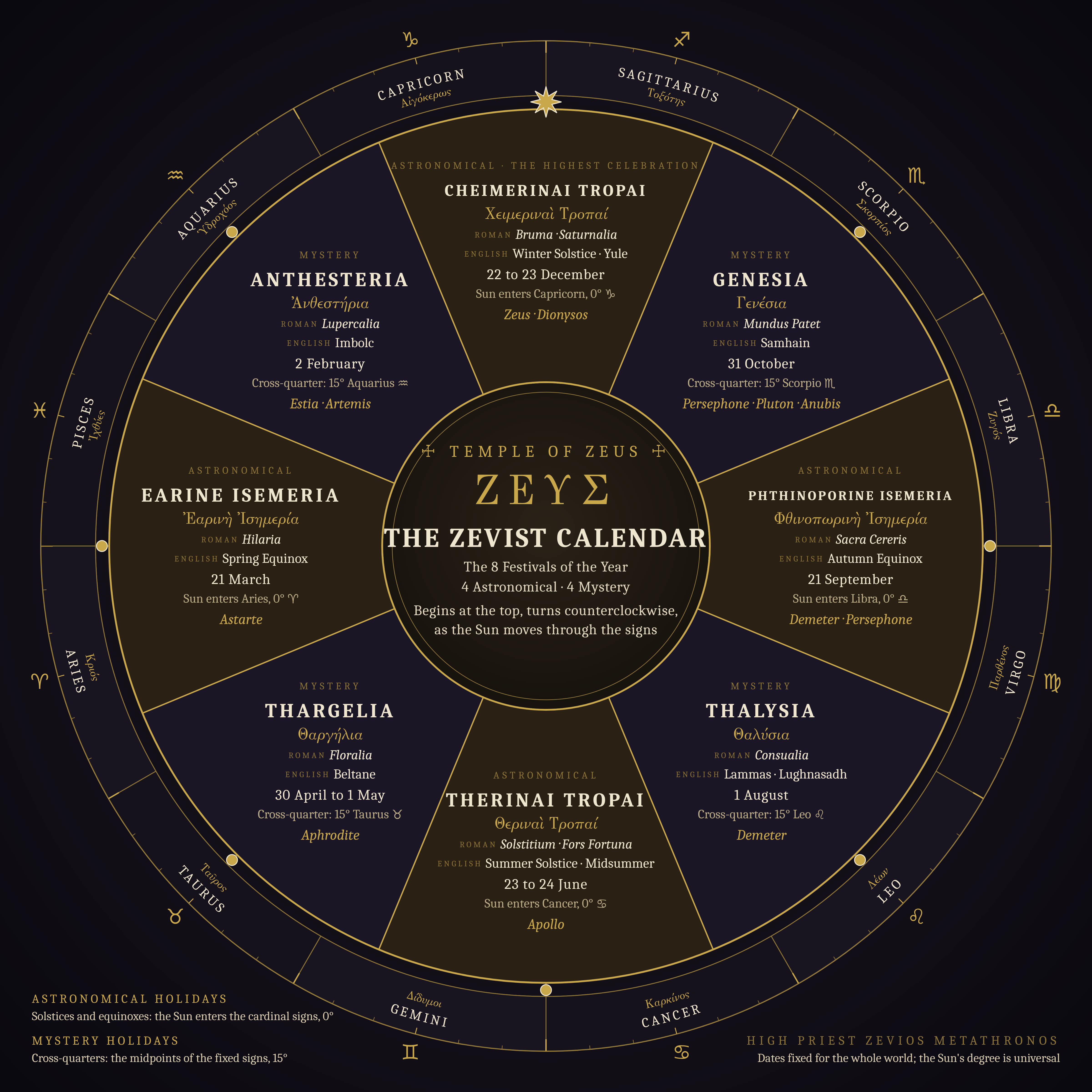
The Calendar of Zevism
The sacred calendar of Zevism is built on the natural cycles of the Earth, the Sun and the stars. Its 8 festivals predate Christianity by thousands of years. They mark the turning points of the solar year, the cycles of the field and the herd, and the great spiritual tides that flow through the cosmos at predictable intervals; at these dates the planets and the astral world stand in alignments that greatly strengthen spiritual work, and give it a power that isn't available at other times of the year.
The ancient assemblies met at the full moons and on these 8 dates, because the planetary and astral energies were exceptionally powerful then. The Church, unable to eradicate the festivals, stole them and set fictitious substitutes over them; the Christian calendar took everything from the older originals, stripped out the spiritual content and reassigned the dates to invented characters, and the evidence for this is extensive and beyond dispute. The 8 pages linked from this index give that evidence festival by festival, from the ancient sources.
The Zevist calendar follows the astrological and calendar dates and not the local seasons. The position of the Sun in the zodiac is the same across the whole planet on any given date: when the Sun enters Capricorn on the 22nd of December it does so for everyone on Earth, whether it's winter or summer outside the door. The movement of the Sun and the stars, which is universal, sets the festivals; the local weather and the local harvest, which vary by hemisphere, don't.
For this reason all Zevists everywhere observe the same dates on the same days, and the Temple fixes a calendar day for each festival within its astronomical window, so that the whole Temple keeps 1 night.
8 festivals, 1 wheel: the Sun sets the 4 stations and the Mysteries fill the 4 spaces between them.
The Two Categories: Astronomical Holidays and the Four Mystery Holidays
The 4 Astronomical Holidays
The 2 solstices and the 2 equinoxes are the stations of the Sun, the 4 points at which the Sun enters the cardinal signs: 0° Capricorn in December, 0° Aries in March, 0° Cancer in June, 0° Libra in September.
They're measurable facts of the sky, the same for every people that ever looked up, and every people kept them: the Greeks counted the year by the τροπαὶ ἠελίοιο, the turnings of the Sun, and the ἰσημερίαι, the equal days; the Romans by the solstitium, when the Sun stands still; the builders of Newgrange and Stonehenge cut their stones to the solstice sunrise.
These 4 are the public feasts of the light: the rebirth of the Sun in December, which the Temple keeps as its Highest Celebration; the balance and the sowing in March; the triumph of the Sun in June; the balance and the descent in September. Their Rites are held on the night of the station, and their Gods are the Gods of the light and of its cycle: Zeus and Dionysos, Astarte, Apollo, Demeter and Persephone.
The 4 Mystery Holidays
Between the stations stand the 4 cross-quarter feasts, at 15° of the fixed signs: Aquarius in February, Taurus in May, Leo in August, Scorpio in November. The Celts kept them as their 4 great fires, Imbolc, Beltane, Lughnasadh and Samhain, and every ancient people kept their equivalents under other names; but they aren't feasts of the sky so much as feasts of the earth and of the soul, the feasts of the Mysteries.
At each of them the veil between the worlds thins in one direction: toward purification at Imbolc, toward life at Beltane, toward the harvest and the weighing at Lammas, toward the dead at Samhain. Their Rites carry the thing that the Mysteries always carried, an outer festival that everyone keeps and an inner rite that the initiated keep, and each of the 4 pages says plainly what is public and what is classified, and why.
Their Gods are the Gods of the hearth, of love, of the grain and of the dead: Estia and Artemis, Aphrodite, Demeter, and Persephone with Pluton and Anubis.
The 2 categories make 1 year. The Astronomical Holidays are the skeleton of the light; the Mystery Holidays are the flesh of life laid on it. A Zevist who keeps only the 4 stations keeps the Sun; a Zevist who keeps all 8 keeps the Sun and the soul.
The Yearly Calendar
The table gives the 8 festivals in the order of the year as the Temple keeps it, beginning at the Winter Solstice, the Highest Celebration. Each festival has its own page, with its history from the ancient sources, the Ritual of its God, the full Rite in a form for the Zevist alone and a form for the gathering, and its Psalm; and each Psalm has its own page, with the 72 passages in Ancient Greek, transliteration and English.
| Festival | Date kept | Sun | Category | Gods honoured | Psalm |
|---|---|---|---|---|---|
| The Winter Solstice: The Holy Night of Zeus The Highest Celebration | The night of 22 December and the day of 23 December | 0° Capricorn | Astronomical | Zeus and Dionysos | Psalm I |
| Imbolc: The Feast of Fire | The night of 1 to 2 February and the day of 2 February | 15° Aquarius | Mystery | Estia and Artemis | Psalm II |
| The Spring Equinox: The Festival of Astarte | 21 March; the Rite on the night of 20 to 21 March; the Great Work at 3 am | 0° Aries | Astronomical | Astarte | Psalm III |
| Beltane: The Fires of Aphrodite | The night of 30 April to the dew of 1 May | 15° Taurus | Mystery | Aphrodite | Psalm IV |
| The Summer Solstice: The Triumph of Apollo | The day of 23 June and the night of 23 to 24 June | 0° Cancer | Astronomical | Apollo | Psalm V |
| Lammas: The First Harvest of Demeter | 1 August and the evening before it | 15° Leo | Mystery | Demeter | Psalm VI |
| The Autumn Equinox: The Mysteries of the Two Goddesses | 21 September; the Rite on the night of 20 to 21; the 9 days 15 to 23 September | 0° Libra | Astronomical | Demeter and Persephone | Psalm VII |
| Samhain: The Night of the Open Gate | The night of 31 October to the dawn of 1 November | 15° Scorpio | Mystery | Persephone, Pluton and Anubis | Psalm VIII |
The Parallels, the Meanings and the Substitutes
| Festival | Ancient parallels | Inner meaning | What the Church set over it |
|---|---|---|---|
| The Winter Solstice: The Holy Night of Zeus The Highest Celebration | The Hymn of the Kouretes; the Haloa; the Rural Dionysia; the Brumalia and Saturnalia; Yule; the Dies Natalis Solis Invicti | The rebirth of the light; the Sacred Day of Zeus; the resolutions of the year given to the fire | Christmas, 25 December |
| Imbolc: The Feast of Fire | The Irish Imbolc and Brigid; the Lupercalia and the februa; the fire of Vesta; the Lesser Mysteries at Agrai | Purification by fire and water; every flame put out and relit; the dedication of new souls; the 6-month resolution sealed | Candlemas, 2 February |
| The Spring Equinox: The Festival of Astarte | The Akitu of Babylon; the Hilaria; the Navigium Isidis; the Adonia; Eosturmonath | Renewal and fertility; the balance and the choice of the light; the Magnum Opus begun; the paper of the work | Easter and the Annunciation, 25 March |
| Beltane: The Fires of Aphrodite | The 2 fires of the Celts and the fire of Uisneach; the Floralia; the Bona Dea; the sacred marriage on Ida; Valborg | Sacred union; the fire of life at its height; the passage between the 2 fires; the year of life opened | Walpurgis Night and May Day, the feast of St Walburga, 1 May |
| The Summer Solstice: The Triumph of Apollo | The Lykaia; the Skira; the return of Apollo from the Hyperboreans; Fors Fortuna; the fires of St John | The triumph of the light; the zenith; illumination, healing, prophecy; the gate of Cancer | St John's Eve and Day, 23 to 24 June |
| Lammas: The First Harvest of Demeter | The Thalysia; the First Fruits of Eleusis; the Panathenaia; Wepet Renpet; the fair of Tailtiu | The first harvest; thanksgiving and the law of reciprocity; the loaf; the Imbolc resolution weighed | Lammas the loaf-mass, 1 August, and the Transfiguration, 6 August |
| The Autumn Equinox: The Mysteries of the Two Goddesses | The Greater Mysteries of Eleusis, 15 to 23 Boedromion; the Mysteries of Ceres; the Thesmophoria that followed | The descent; the balance with the dark gaining; initiation; the sweeter hope; the spring paper read | Michaelmas, 29 September |
| Samhain: The Night of the Open Gate | The Celtic Samhain and Tlachtga; the Thesmophoria; the Genesia and the Chytroi; the Nekyia; Khoiak and the Wag feast; the mundus patet; the Lemuria | Communion with the dead; the thin veil; the hidden appearance; the weighing of the year of life | All Saints and All Souls, 1 to 2 November, and Hallowe'en |
The astronomical moments move by a day or so from year to year; the Temple's fixed days don't. The solstices and the equinoxes are given in the calendar of the Gregorian year; the cross-quarter feasts are kept on their calendar nights, which the Celts fixed before the zodiac was drawn, and which fall a few days before the exact 15th degree.
The Shape of the Year
The 8 festivals aren't 8 separate days; they are 4 pairs, and each pair is 1 teaching seen from its 2 ends.
| Pair | First | Second | The teaching |
|---|---|---|---|
| The 2 doors of the Sun | Winter Solstice | Summer Solstice | The Sun is born in the longest night and triumphs on the longest day. Capricorn is the gate of the Gods, Cancer the gate through which life pours into the world; the Zevist climbs the one and descends the other. The year of the light begins at the Winter Solstice. |
| The 2 balances | Spring Equinox | Autumn Equinox | Day and night are equal twice, and the direction differs. In March the light gains and the Great Work is begun and written down; in September the dark gains and the paper is read on the level day and judged. The Scales are the judge's sign. |
| The 2 fires of the hearth | Imbolc | Lammas | At Imbolc every flame is put out and relit, and a resolution of 6 months is sealed in the wax of Estia's candle; at Lammas the first loaf is baked in that fire and the seal is broken and the resolution weighed. What is sown is reaped. |
| The 2 doors of the veil | Beltane | Samhain | At both the veil between the worlds is thin. At Beltane it thins toward life, and the year of life is opened between the 2 fires; at Samhain it thins toward the dead, and the year of life is weighed before the feather and given to the dead to carry down. The Celts began their year at Samhain and their summer at Beltane, and the Temple keeps both reckonings: the year of light from December, the year of life from May. |
The Chain of the Papers
The pages describe a chain of writings that runs through the whole year, and the Index gathers it here so that the Zevist sees it whole. At the Winter Solstice the Zevist writes the resolutions of the year, reads them, and gives them to the fire of Zeus: he doesn't keep them, because the fire keeps them. At Imbolc he writes the winter down and burns it, then seals a resolution of 6 months and keeps it.
At the Spring Equinox he writes the paper of the Great Work at 3 in the morning and lays it in the Black Book. At Lammas he breaks the Imbolc seal and weighs the 6 months. At the Autumn Equinox he reads the spring paper on the level day, burns it, and resolves the work of the dark half in its place. At Samhain he writes the year of life, weighs it before the feather, burns it, and sends its ash out with the dead.
And he keeps the fire of Samhain, the 1 flame struck in the dark house, until the Winter Solstice, when he lights the new Sun from it, and the chain closes on itself.
The Highest Celebration
The Winter Solstice is the Highest Celebration of the Zevist calendar, the Holy Night of the 22nd of December and the Sacred Day of Zeus on the 23rd, made known by Zeus himself to the clergy. The other 7 festivals stand around it as the 7 planets stand around the Sun. A Zevist who can keep only 1 night in the year keeps that one; a gathering that can meet only once meets then. Its page gives the reason at length.
The Winter Solstice is the Sun of the calendar, and the other 7 festivals stand around it as the planets stand around the Sun.
The Rite of Each Festival
Every festival page is built the same way, so that a Zevist who has learned 1 has learned the frame of all 8. Each gives the festival at a glance; its nature; its God or Gods, with their names across the nations and the Temple's Ritual of that God on the ritual site; its history and the external conduct of its ancient forms, from the sources, as completely as the evidence allows; its Mystery, with a notice of what stays within the veil.
Then comes the full Rite, built on the Standard Ritual and the Advanced Zevist Ritual of the Temple, with the bell, the Four Powers, the Invocation to Zeus, the Ritual of the God, the Psalm, the words proper to the night in Ancient Greek with transliteration, and the closing. After the Rite stand a section for the Zevist celebrating alone and a section for the gathering, with its offices modelled on the ancient priesthoods; the Psalm, its first third shown and the rest unfolded; the correspondences of the festival; and the sources.
The Rite of a festival is the same Rite whether 1 Zevist performs it or 300, on the same night, in the same order, and that is the point of writing it down.
The Mysteries and the Veil
4 of the 8 festivals are Mysteries, and the Astronomical Holidays carry Mysteries too, the Greater Mysteries at the Autumn Equinox above all. Every page that touches a Mystery says the same thing in its own box. The outer festival belongs to everyone, as it did in antiquity: the fires, the procession, the Psalm, the feast, the games, the night. The inner rite is a Mystery, and a Mystery is classified by its nature, as it was at Eleusis, at Samothrace, on Parnassos, at Lykosoura and in the Idaean cave, where Pausanias stopped his pen and Herodotus sealed his lips.
It isn't published on any page. Zevists who rise through the ranks of the Temple come to know it in due time, to experience it and to understand it, under the discipline the ancients kept. The restoration of the inner rites is a work in progress, and it's undertaken; the pages are written so that the reader sees what was, understands what is being restored, and aspires to it.
Alone and Together
Most Zevists keep most festivals at home, and every Rite was written so that 1 person with a candle, a cup and the page performs it whole; nothing in any of them needs a second voice. The gatherings of the Temple keep the same Rites with their offices, their processions and their feasts, and the pages give the order for each. The ancient festivals were both at once: the householder at the Lemuria and the city on the Sacred Way kept the same religion on different scales, and so does the Temple.
The Festival Psalms
Each festival has its Psalm, composed by the Temple for its night: 72 passages in 6 movements of 12, in the hymnic register of the Homeric and Orphic Hymns, in Ancient Greek with transliteration and English, drawing on the Rituals of the Gods and on the ancient sources of the festival, and speaking in 2 voices at once, the plain voice of praise that anyone may sing and a veiled voice that names the stations of the inner rite for those who have passed them.
Where a festival has 2 Gods the Psalm is divided between them; Samhain's is divided among 3. The 8 Psalms stand together on the page of the Festival Psalms, and each has its own page, listed in the table above.
The Names of the Gods
The Gods of the festivals are named on these pages in Greek first, because the Greek sources preserve the fullest theology, and then under the names of the other nations: Estia is Vesta and Brigid, Astarte is Inanna and Isis, Apollo is Shamash and Belenos, Pluton is Osiris and Yama and Dis Pater.
A Zevist of any nation may address the God of the festival under the name that the ancestors of that nation used, provided the essence of the God is understood as one; the Temple's Rituals of the Gods do the same, and invoke the same God across 5 civilisations in 5 tongues. The ancients themselves did it without hesitation: Herodotus wrote Greek names for Egyptian Gods, and the Romans wrote Jupiter over every altar of Zeus they found. Each festival page gives the table of names for its Gods.
Keeping the Calendar
- The dates are fixed for the whole world. A Zevist in the southern hemisphere keeps the Winter Solstice on the 22nd of December, with the Sun entering Capricorn, whatever the weather; the sign is the festival, and the season isn't.
- The Rites are kept at night, with the exceptions the pages give: the noon of the Summer Solstice, the day of Lammas, the dawn of the equinoxes. The Celtic feasts begin at the sunset before the day, because the Celtic day began at sunset.
- The Ritual of the God of the festival is performed within the Rite, from the ritual site of the Temple; the pages link each one. Where no Ritual exists, as for Demeter, the page gives the Rite composed for her.
- The full moons between the festivals are the ordinary assemblies; the 8 festivals are the extraordinary ones. The Temple's gatherings keep both.
- The 4 Mystery Holidays have an outer festival and an inner rite. The outer is on the page; the inner isn't, and the page says so.
- A Zevist who can't keep a festival on its night keeps it on the nearest night he can, and says so to the Gods at the Opening; the Gods keep the calendar, and the Zevist keeps faith.
The 8 Festival Rituals
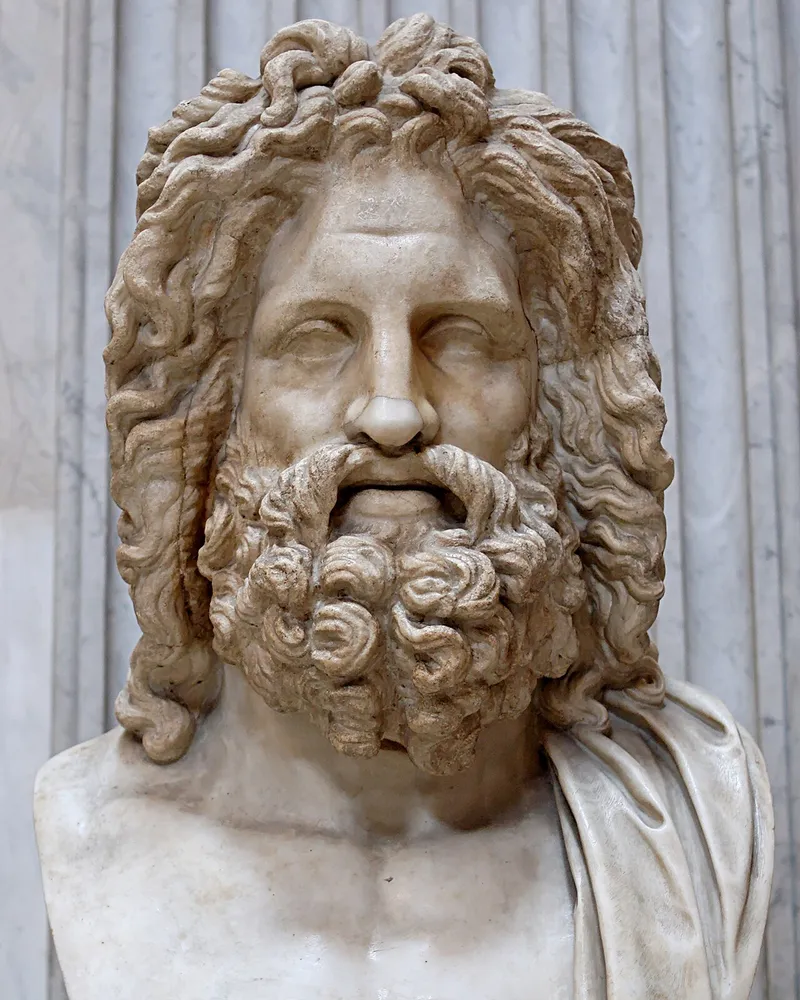 AstronomicalWinter SolsticeThe Holy Night of Zeus
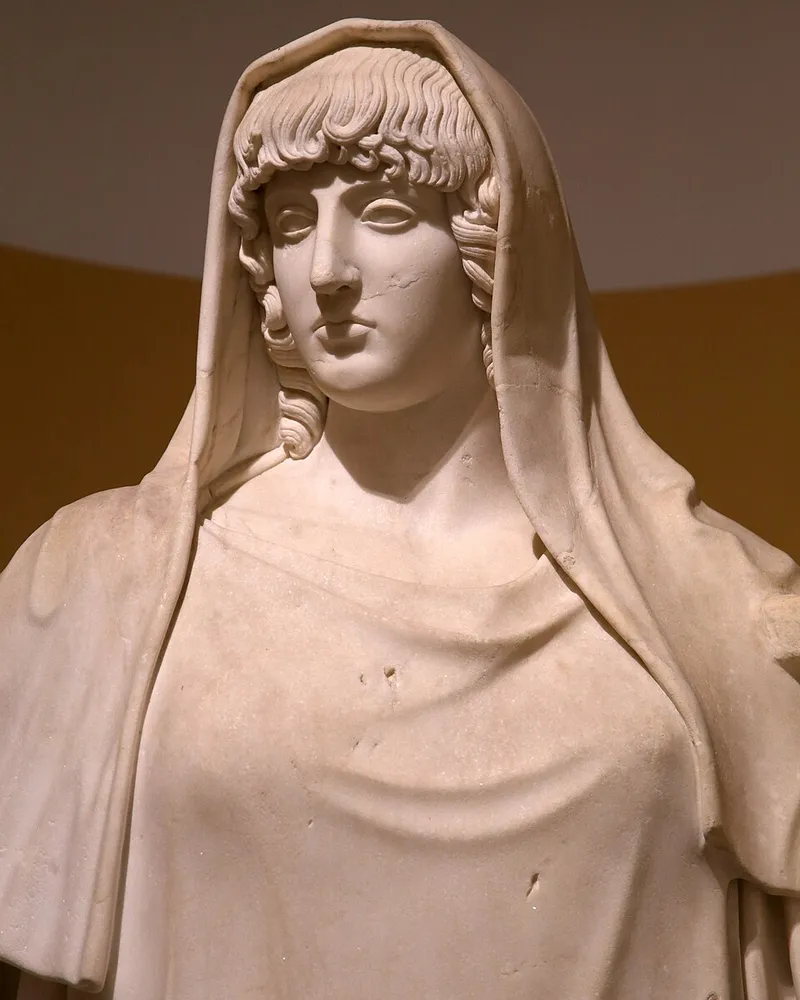 MysteryImbolcThe Feast of Fire
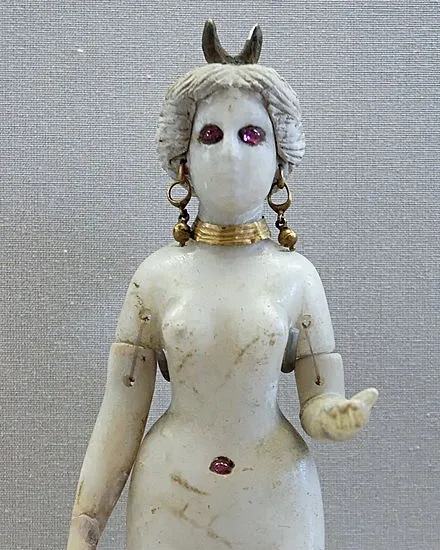 AstronomicalSpring EquinoxThe Festival of Astarte
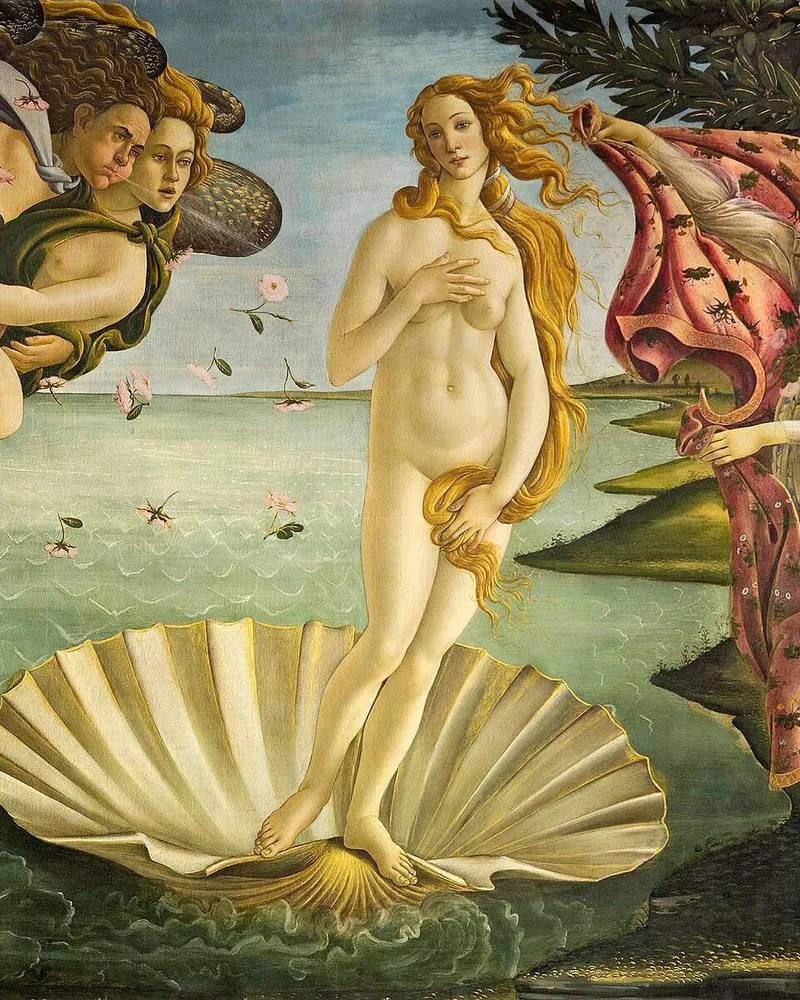 MysteryBeltaneThe Fires of Aphrodite
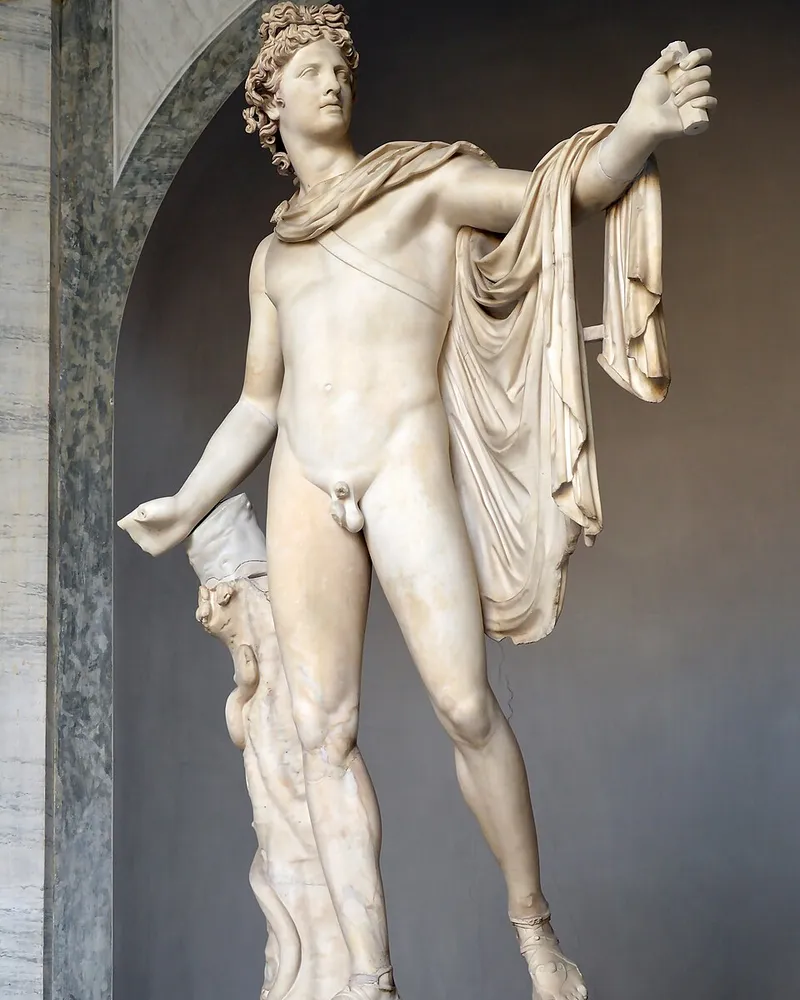 AstronomicalSummer SolsticeThe Triumph of Apollo
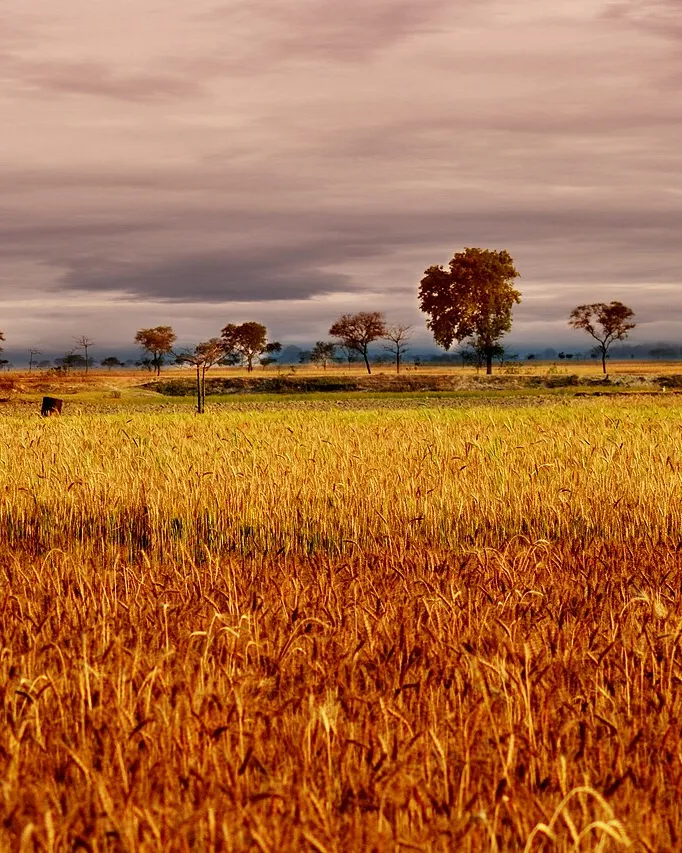 MysteryLammasThe First Harvest of Demeter
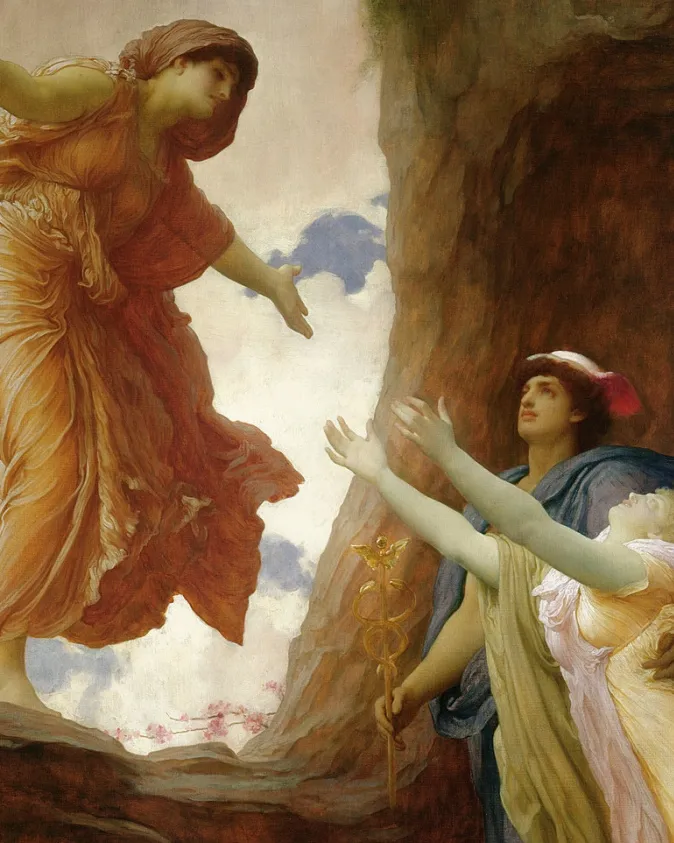 AstronomicalAutumn EquinoxThe Mysteries of the Two Goddesses
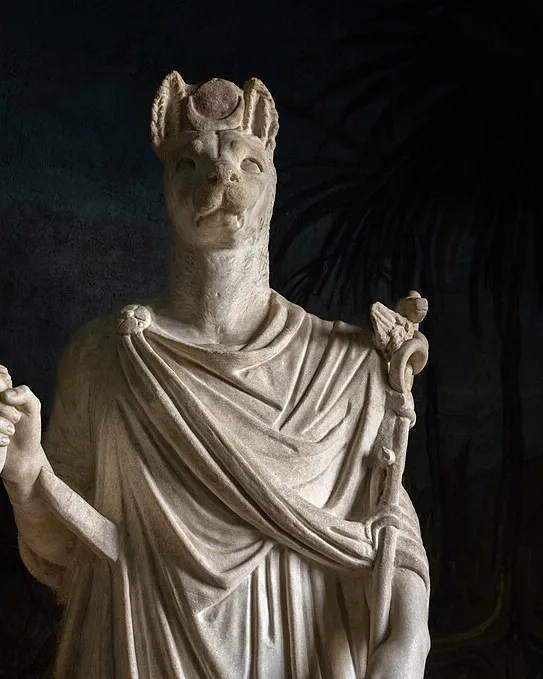 MysterySamhainThe Night of the Open Gate
Sources
- The Temple's own page on the Zevist Calendar and Sabbath, and its pages on each festival, from which this Index is drawn and which it extends.
- Hesiod, Works and Days 383 to 617 (the farmer's year by the stars); Homer, Odyssey 15.404 (the turnings of the Sun); Geminus, Elements of Astronomy 8 (the Greek calendar and the parapegma); Ptolemy, Tetrabiblos 1.10 to 1.11 (the cardinal and the fixed signs); Macrobius, Saturnalia 1.12 to 1.16 (the Roman year and its feasts); Caesar, Gallic War 6.18 (the Gauls count by nights).
- The Coligny calendar (Duval and Pinault, Recueil des inscriptions gauloises 3, 1986); Bede, De temporum ratione 15 (the English months); H. W. Parke, Festivals of the Athenians (1977); J. D. Mikalson, The Sacred and Civil Calendar of the Athenian Year (1975); R. Hutton, The Stations of the Sun (1996); K. Danaher, The Year in Ireland (1972); W. Burkert, Greek Religion (1985) 225 to 246; A. Hastings, ed., The Oxford Companion to the Year (1999).
Declared in the worship of Zeus and of the Ancient Gods,
in service of Ma'at, Satya, and the Sovereignty of Zeus,
for the restoration of the festivals of mankind.
Author: High Priest Zevios Metathronos
Issued for the Temple of Zeus Foundation.
Issued for the Zevist year, and for every year.
Read in conjunction with:
- Winter Solstice (22 to 23 December)
- Imbolc, the Feast of Fire (2 February)
- Spring Equinox (21 to 23 March)
- Beltane (30 April to 1 May)
- Summer Solstice (23 to 24 June)
- Lammas, Lughnasadh (1 August)
- Autumn Equinox (21 to 23 September)
- Samhain (31 October)
- The Festival Psalms: the 8 Psalms of the Zevist year