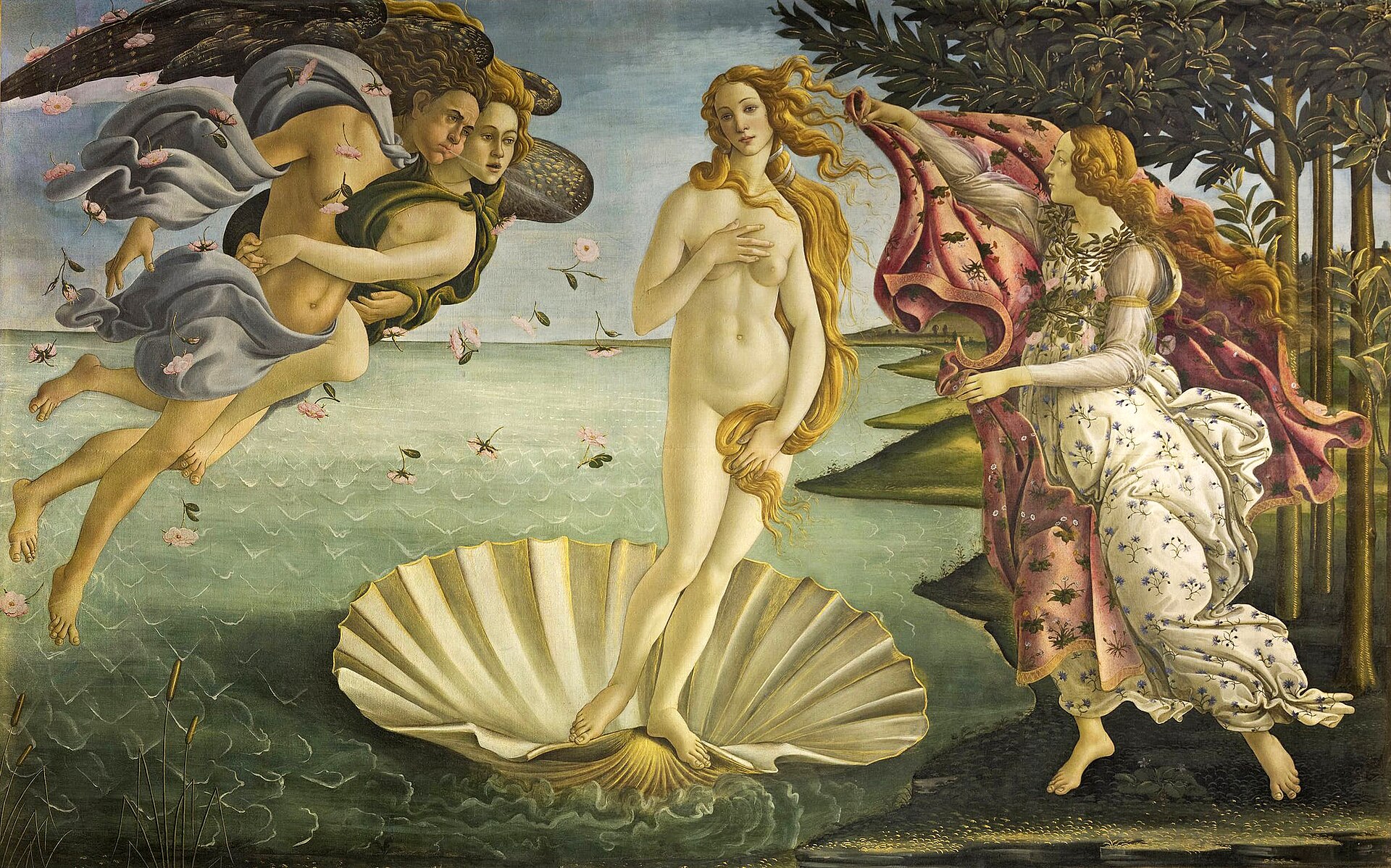

Homeric Hymns · Hymn 05
Aphrodite and Anchises
Ἀφροδίτη
Prayer and ritual
These hymns may be spoken as complete prayers to the Gods. Within the Temple’s practice, a ritual is a direct theurgical act; hymnody gathers the mind and turns it toward the Divine, helping the initiate enter reverent communion with the Gods.
Use a hymn on its own in place of another prayer, or add it to the prayer portion of a suitable ritual. Choose according to the deity addressed and the petition expressed in the hymn. When combining them, preserve the ritual’s prescribed sequence and let the hymn give voice to its purpose.
The petition of this hymn
Contemplate the power of divine desire, the generation of life, and the distinction between mortal and immortal existence.
Read the whole narrative as a prayer of reverence to Aphrodite and reflection on the reach of her power. It may accompany a ritual concerned with love, fertility, or continuity of the household, allowing the encounters and petitions within the story to deepen the intention of the rite.
English hieratic rendering
Hymn 05 · An English rendering aligned with the Greek lines.
- Muse, tell me the works of Aphrodite rich in gold,
- Kypris, who stirred sweet longing within the Gods
- and subdued the tribes of mortal humankind,
- the birds that fly through the sky, and all the beasts,
- all the many creatures nourished by the land and by the Sea;
- all are concerned with the works of Kythereia of the lovely crown.
- Yet three there are whose minds she cannot persuade or beguile:
- the daughter of Zeus who bears the aegis, bright eyed Athena;
- for the works of Aphrodite rich in gold gave her no delight,
- but wars delighted her, and the work of Ares,
- strife and battles, and the tending of splendid crafts.
- She first taught the craftsmen who dwell upon the Earth
- to fashion wagons and chariots adorned with bronze.
- And she taught the maidens of tender skin within their halls
- splendid crafts, setting knowledge within the mind of each.
- Nor is Artemis of the golden distaff and ringing cry ever
- subdued in the union of love by Aphrodite who loves smiles.
- For bows delight her, and the slaying of beasts upon the mountains,
- lyres and dances and cries that carry far,
- shady groves and the city of righteous men.
- Nor did the works of Aphrodite delight the revered Maiden,
- Hestia, whom Kronos of intricate counsel begot the first,
- and again the youngest, by the will of Zeus who bears the aegis,
- the sovereign Lady whom Poseidon and Apollon courted.
- But she had no desire for this and steadfastly refused;
- she swore a mighty oath, which has indeed been fulfilled,
- laying her hand upon the head of Father Zeus who bears the aegis,
- that she, divine among Goddesses, would remain a maiden all her days.
- And Father Zeus granted her a noble honour in place of marriage:
- she took her seat at the centre of the house, receiving the rich portion.
- In every temple of the Gods she has a share of honour,
- and among all mortals she has become the eldest of the Gods.
- Their minds she cannot persuade or beguile;
- but of all the others, none has escaped Aphrodite,
- neither the blessed Gods nor mortal humankind.
- She even led astray the mind of Zeus who delights in thunderbolts,
- who is the greatest and has received the greatest honour.
- Even his wise mind she deceived whenever she wished,
- and readily joined him with mortal women,
- making him forget Hera, his sister and his wife,
- whose beauty far excels among the immortal Goddesses.
- And Kronos of intricate counsel begot her most glorious,
- with her mother Rhea; and Zeus, who knows imperishable counsels,
- made her his revered wife, well versed in faithful ways.
- But into Aphrodite's own heart Zeus cast sweet longing
- to mingle with a mortal man, so that at once
- she herself should no longer be set apart from a mortal bed,
- and never boast among all the Gods,
- laughing sweetly, Aphrodite who loves smiles,
- that she had joined the Gods with mortal women,
- and they had borne mortal sons to the Immortals,
- and that she had joined Goddesses with mortal men.
- He cast into her heart sweet longing for Anchises,
- who then among the lofty mountains of Ida rich in springs
- was tending cattle, like the Immortals in bodily form.
- Then, when Aphrodite who loves smiles beheld him,
- she loved him, and a terrible longing seized her mind.
- Going to Cyprus, she entered her fragrant temple
- at Paphos, where stand her sacred precinct and fragrant altar.
- She entered there and closed the shining doors;
- there the Graces bathed her and anointed her with oil,
- immortal oil such as rests upon the everlasting Gods,
- ambrosial and sweet, which had been made fragrant for her.
- Having clothed her body well in all her beautiful garments,
- adorned with gold, Aphrodite who loves smiles
- set forth for Troy, leaving fragrant Cyprus,
- passing swiftly on her way high among the clouds.
- She came to Ida rich in springs, the mother of wild beasts,
- and went straight over the mountain toward the steading; behind her,
- fawning, went grey wolves and lions with flashing eyes,
- bears and swift leopards, insatiable for deer.
- They followed; and at the sight her heart rejoiced within her,
- and she cast longing into their breasts; all of them together
- lay down in pairs throughout the shady glens.
- She herself came to the dwellings built with care,
- and found him left alone at the steading, apart from the others,
- the hero Anchises, whose beauty came from the Gods.
- All the others had followed the cattle through the grassy pastures;
- but he, left alone at the steading, apart from the others,
- went here and there, making the lyre sound clear and far.
- Before him stood Aphrodite, daughter of Zeus,
- like an unwedded maiden in stature and in form,
- lest fear should seize him when his eyes perceived her.
- Anchises gazed and took notice, filled with wonder
- at her beauty, her stature, and her splendid garments.
- For she wore a robe more radiant than the blaze of fire,
- beautiful, golden, richly wrought; and like the Moon
- it shone about her tender breasts, a marvel to behold.
- She wore curling spirals and shining flower ornaments,
- and necklaces of exceeding beauty encircled her tender neck.
- Desire seized Anchises, and he spoke to her face to face:
- “Hail, sovereign Lady, whichever of the blessed ones has come to this house,
- Artemis or Leto or golden Aphrodite,
- or Themis of noble birth or bright eyed Athena,
- or perhaps one of the Graces has come here, who accompany
- all the Gods and are called immortal,
- or one of the Nymphs who dwell in lovely groves,
- or of the Nymphs who inhabit this beautiful mountain
- and the river springs and the grassy meadows.
- For you, upon a height, in a place seen from all around,
- I shall make an altar and offer beautiful sacrifices
- in every season. And you, with kindly heart,
- grant that I may be a man distinguished among the Trojans;
- make my offspring flourish hereafter, and grant that I myself
- may long live well and behold the light of Helios,
- prosperous among the people, and reach the threshold of old age.”
- Then Aphrodite, daughter of Zeus, answered him:
- “Anchises, most glorious of humankind born from the Earth,
- I am no Goddess. Why do you liken me to the Immortals?
- I am mortal, and a woman was the mother who bore me.
- Otreus is my father, renowned in name, if you have heard of him,
- who rules all Phrygia with its strong walls.
- I know both your language and my own clearly;
- for a Trojan nurse reared me within the hall,
- and cared for me continually as a little child, taking me from my dear mother.
- Thus indeed I also know your language well.
- But now the Slayer of Argos with his golden wand has carried me away
- from the dance of Artemis of the golden distaff and ringing cry.
- Many young brides and maidens worth the gift of cattle
- we were dancing, and a countless company encircled us.
- From there the Slayer of Argos with his golden wand seized me;
- he led me over many cultivated fields of mortal men,
- and over much land unallotted and unsettled, through which
- beasts that eat raw flesh roam the shady glens.
- I thought that my feet would never touch the Earth that brings forth life.
- He said that I should be called the wedded wife
- of Anchises beside his marriage bed, and bear you splendid children.
- But when he had shown the place and told me these things, then back
- among the tribes of Immortals went the mighty Slayer of Argos.
- And I have come to you, for strong necessity was laid upon me.
- Yet by Zeus I clasp your knees, and by your noble
- parents, for no base parents could have begotten such a man:
- take me, unwedded and untried in love,
- and show me to your father and to your faithful mother,
- and to your brothers born of the same blood.
- I shall be no unworthy daughter by marriage to them, but a fitting one.
- Send a messenger swiftly to the Phrygians with their nimble horses
- to tell my father and my mother, anxious as she is;
- they will send you gold in abundance and woven garments,
- and you shall receive many splendid gifts in return.
- When you have done these things, prepare the lovely marriage feast,
- honoured among humankind and among the immortal Gods.”
- Thus speaking, the Goddess cast sweet longing into his heart.
- Desire seized Anchises, and he spoke and addressed her:
- “If you are mortal, and a woman was the mother who bore you,
- and Otreus of renowned name is your father, as you declare,
- and by the will of the immortal Messenger you have come here,
- Hermes, and you shall be called my wife for all your days,
- then no one among the Gods or mortal humankind
- shall hold me back here from joining with you in love,
- now, at this very moment, not even if Apollon the Far Shooter himself
- should send grievous arrows from his silver bow.
- Then, woman like the Goddesses, I would consent,
- after sharing your bed, to go down into the house of Hades.”
- Thus he spoke and took her hand; and Aphrodite who loves smiles
- turned and went with him, lowering her lovely eyes,
- to the bed well spread, where it had long stood for the lord,
- covered with soft cloaks; and above them
- lay skins of bears and of deeply roaring lions,
- which he himself had slain upon the lofty mountains.
- When they had gone up onto the bed built with care,
- he first took the shining adornment from her body,
- the brooches and curling spirals, the flower ornaments and necklaces.
- He loosened her girdle; her splendid garments
- Anchises removed and laid upon a chair studded with silver;
- then, by the will and portion of the Gods,
- he, a mortal, lay beside an immortal Goddess, not knowing clearly.
- At the hour when herdsmen turn back toward the enclosure
- their cattle and sturdy sheep from the flowering pastures,
- then upon Anchises she poured sweet sleep,
- deep and soothing, and clothed her own body in beautiful garments.
- Having clothed herself fully, divine among Goddesses,
- she stood beside the bed, and her head touched
- the roof of the dwelling built with care; from her cheeks shone
- immortal beauty, such as belongs to Kythereia of the lovely crown.
- She roused him from sleep and spoke, addressing him:
- “Rise, son of Dardanos. Why do you sleep this sleep without waking?
- Consider whether I appear to you the same
- as when you first perceived me with your eyes.”
- Thus she spoke; he awoke and obeyed with all haste.
- When he saw the neck and lovely eyes of Aphrodite,
- he was afraid and turned his eyes aside;
- once more he covered his handsome face with his cloak,
- and in supplication spoke these winged words to her:
- “As soon as I first beheld you with my eyes, Goddess,
- I knew that you were divine; but you did not speak the truth.
- Yet by Zeus who bears the aegis I clasp your knees:
- do not leave me living without strength among humankind,
- but have pity; for no man flourishes in life
- who lies in the bed of the immortal Goddesses.”
- Then Aphrodite, daughter of Zeus, answered him:
- “Anchises, most glorious of mortal humankind,
- take courage, and let no excessive fear dwell in your mind.
- You need not fear that evil shall befall you through me,
- nor through the other blessed ones, for you are dear to the Gods.
- You shall have a beloved son, who shall rule among the Trojans,
- and children born to his children through all generations.
- His name shall be Aineias, because dreadful
- sorrow seized me when I fell into the bed of a mortal man.
- Of all mortal humankind, those of your lineage
- are ever nearest to the Gods in beauty and stature.
- Indeed, Zeus the Counsellor carried away golden haired Ganymedes
- because of his beauty, that he might dwell among the Immortals
- and pour wine for the Gods within the house of Zeus,
- a marvel to behold, honoured by all the Immortals,
- drawing red nectar from a golden mixing bowl.
- But sorrow beyond forgetting held the mind of Tros, who did not know
- where the divine whirlwind had carried his dear son away.
- Then he mourned him without ceasing all his days;
- and Zeus took pity on him, and gave him recompense for his son:
- horses that lift their feet on high, such as carry the Immortals.
- These he granted him to possess as a gift; and all was told
- by the Messenger, the Slayer of Argos, at the commands of Zeus:
- how his son would be immortal and ageless, equal to the Gods.
- When he had heard the message sent by Zeus,
- he no longer mourned, but rejoiced within his heart,
- and in gladness rode upon the horses swift as the storm.
- So also Eos of the golden throne carried away Tithonos,
- of your lineage, a man like the Immortals.
- She went to ask the Son of Kronos of the dark clouds
- that he should be immortal and live for all his days;
- Zeus nodded his assent and fulfilled her desire.
- Unthinking, sovereign Eos did not consider in her mind
- to ask for youth and to strip away destructive old age.
- As long as lovely youth held him,
- he delighted in Eos of the golden throne, born at dawn,
- and dwelt beside the streams of Okeanos at the ends of Earth.
- But when the first grey hairs began to spread
- from his beautiful head and his noble beard,
- sovereign Eos held herself apart from his bed,
- yet tended him in turn, keeping him within her halls,
- giving him food and ambrosia and beautiful garments.
- But when hateful old age pressed down upon him utterly,
- he could neither move nor lift any of his limbs.
- Then this seemed to her heart the best counsel:
- she laid him in a chamber and closed its shining doors.
- His voice flows on without end, yet no strength remains
- such as once lived within his supple limbs.
- I would not choose that you should be like him among the Immortals,
- immortal and living through all your days.
- But if you could live with beauty and stature such as these,
- and be called my husband,
- then sorrow would not enfold my thoughtful mind.
- Yet now old age, common to all, will soon enfold you,
- merciless, which in time stands beside humankind,
- destructive, wearisome, which even the Gods abhor.
- And for me there shall be great reproach among the immortal Gods,
- continually, for all my days, because of you.
- They formerly feared my words of love and the devices by which
- I once joined all the Immortals with mortal women,
- for my design subdued them all.
- But now my mouth will no longer dare to proclaim
- this among the Immortals, since I have been greatly led astray,
- terribly, in a matter not to be made light of, and have wandered from good sense,
- and have set a child beneath my girdle after lying with a mortal.
- When he first beholds the light of Helios,
- the Nymphs of the mountains with their deep bosoms shall rear him,
- who dwell upon this great and most holy mountain.
- They belong neither to mortals nor to Immortals.
- Long do they live, and they eat immortal food,
- and they move with vigour in the lovely dance among the Immortals.
- With them the Silenoi and the keen eyed Slayer of Argos
- mingle in love within the recesses of delightful caves.
- At their birth, fir trees or oaks with lofty crowns
- sprang up together with them upon the Earth that nourishes humankind,
- beautiful and flourishing upon the lofty mountains.
- They stand sheer and tall, and mortals call them sacred groves
- of the Immortals; no mortal cuts them down with iron.
- But when the appointed portion of death draws near,
- first the beautiful trees wither upon the Earth,
- the bark wastes away around them, and the branches fall;
- and together with them the Nymphs' souls leave the light of Helios.
- They shall keep my son beside them and rear him.
- When lovely youth first takes hold of him,
- the Goddesses shall bring him here to you and show you the child.
- And I, that I may set all these things fully before your mind,
- shall return to you in the fifth year, bringing the son.
- When you first behold this young shoot with your eyes,
- you will rejoice at the sight, for he shall be exceedingly like a God,
- and you shall bring him at once to windy Ilion.
- If any mortal man should ask you
- what mother bore your beloved son beneath her girdle,
- remember and tell him as I command you:
- say that he is the child of a Nymph with a face like a flower bud,
- one of those who dwell upon this mountain clothed in woodland.
- But if you speak out and boast with a thoughtless heart
- that you mingled in love with Kythereia of the lovely crown,
- Zeus in his wrath will strike you with his smoky thunderbolt.
- All has been told to you. Take it to heart,
- restrain yourself, do not name me, and stand in awe of the Gods' wrath.”
- Thus speaking, she darted toward the windy Heaven.
- Hail, Goddess, who rule Cyprus with its noble dwellings;
- having begun with you, I shall pass onward to another hymn.
Ancient Greek & pronunciation
Read the English pronunciation spelling directly below each Greek line.
- μοῦσά μοι ἐννέπε ἔργα πολυχρύσου Ἀφροδίτης,MOO-SAH mee eh-NEH-peh EHR-ghah poh-lee-KHREE-soo ah-froh-DHEE-tees,
- Κύπριδος, ἥτε θεοῖσιν ἐπὶ γλυκὺν ἵμερον ὦρσεKEE-pree-dhohs, EE-teh theh-EE-seen eh-PEE ghlee-KEEN EE-meh-rohn OHR-seh
- καί τʼ ἐδαμάσσατο φῦλα καταθνητῶν ἀνθρώπωνKEH t’ eh-dhah-MAH-sah-toh FEE-lah kah-tahth-nee-TOHN ahn-THROH-pohn
- οἰωνούς τε διιπετέας καὶ θηρία πάντα,ee-oh-NOOS teh dhee-ee-peh-TEH-ahs KEH thee-REE-ah PAHN-dah,
- ἠμὲν ὅσʼ ἤπειρος πολλὰ τρέφει ἠδʼ ὅσα πόντος·ee-MEHN OHS’ EE-pee-rohs poh-LAH TREH-fee eedh’ OH-sah POHN-dohs·
- πᾶσιν δʼ ἔργα μέμηλεν ἐυστεφάνου Κυθερείης.PAH-seen dh’ EHR-ghah MEH-mee-lehn eh-ee-steh-FAH-noo kee-theh-REE-ees.
- τρισσὰς δʼ οὐ δύναται πεπιθεῖν φρένας οὐδʼ ἀπατῆσαι·tree-SAHS dh’ oo DHEE-nah-teh peh-pee-THEEN FREH-nahs oodh’ ah-pah-TEE-seh·
- κούρην τʼ αἰγιόχοιο Διός, γλαυκῶπιν Ἀθήνην·KOO-reen t’ eh-yee-OH-hyee-oh dhee-OHS, ghlahf-KOH-peen ah-THEE-neen·
- οὐ γάρ οἱ εὔαδεν ἔργα πολυχρύσου Ἀφροδίτης,oo GHAHR ee EH-vah-dhehn EHR-ghah poh-lee-KHREE-soo ah-froh-DHEE-tees,
- ἀλλʼ ἄρα οἱ πόλεμοί τε ἅδον καὶ ἔργον Ἄρηοςahl’ AH-rah ee POH-leh-MEE teh AH-dhohn KEH EHR-ghohn AH-ree-ohs
- ὑσμῖναί τε μάχαι τε καὶ ἀγλαὰ ἔργʼ ἀλεγύνειν.ee-ZMEE-NEH teh MAH-hyeh teh KEH ah-ghlah-AH EHRGH’ ah-leh-YEE-neen.
- πρώτη τέκτονας ἄνδρας ἐπιχθονίους ἐδίδαξεPROH-tee TEHK-toh-nahs AHN-dhrahs eh-peekh-thoh-NEE-oos eh-DHEE-dhahk-seh
- ποιῆσαι σατίνας τε καὶ ἅρματα ποικίλα χαλκῷ.pee-EE-seh sah-TEE-nahs teh KEH AHR-mah-tah pee-KEE-lah khahl-KOH.
- ἣ δέ τε παρθενικὰς ἁπαλόχροας ἐν μεγάροισινEE DHEH teh pahr-theh-nee-KAHS ah-pah-LOH-khroh-ahs ehn meh-GHAH-ree-seen
- ἀγλαὰ ἔργʼ ἐδίδαξεν ἐπὶ φρεσὶ θεῖσα ἑκάστῃ.ah-ghlah-AH EHRGH’ eh-DHEE-dhahk-sehn eh-PEE freh-SEE THEE-sah eh-KAH-stee.
- οὐδέ ποτʼ Ἀρτέμιδα χρυσηλάκατον, κελαδεινὴνoo-DHEH poht’ ahr-TEH-mee-dhah khree-see-LAH-kah-tohn, keh-lah-dhee-NEEN
- δάμναται ἐν φιλότητι φιλομμειδὴς Ἀφροδίτη.DHAHM-nah-teh ehn fee-LOH-tee-tee fee-loh-mee-DHEES ah-froh-DHEE-tee.
- καὶ γὰρ τῇ ἅδε τόξα καὶ οὔρεσι θῆρας ἐναίρειν,KEH GHAHR TEE AH-dheh TOHK-sah KEH OO-reh-see THEE-rahs eh-NEH-reen,
- φόρμιγγές τε χοροί τε διαπρύσιοί τʼ ὀλολυγαὶFOHR-meen-GEHS teh khoh-REE teh dhee-ah-PREE-see-EE t’ oh-loh-lee-YEH
- ἄλσεά τε σκιόεντα δικαίων τε πτόλις ἀνδρῶν.AHL-seh-AH teh skee-OH-ehn-dah dhee-KEH-ohn teh PTOH-lees ahn-DHROHN.
- οὐδὲ μὲν αἰδοίῃ κούρῃ ἅδε ἔργʼ Ἀφροδίτης,oo-DHEH MEHN eh-DHEE-ee KOO-ree AH-dheh EHRGH’ ah-froh-DHEE-tees,
- Ἱστίῃ, ἣν πρώτην τέκετο Κρόνος ἀγκυλομήτης,ee-STEE-ee, EEN PROH-teen TEH-keh-toh KROH-nohs ahn-gee-loh-MEE-tees,
- αὖτις δʼ ὁπλοτάτην, βουλῇ Διὸς αἰγιόχοιο,AHF-tees dh’ oh-ploh-TAH-teen, voo-LEE dhee-OHS eh-yee-OH-hyee-oh,
- πότνιαν, ἣν ἐμνῶντο Ποσειδάων καὶ Ἀπόλλων·POHT-nee-ahn, EEN ehm-NOHN-doh poh-see-DHAH-ohn KEH ah-POH-lohn·
- ἣ δὲ μαλʼ οὐκ ἔθελεν, ἀλλὰ στερεῶς ἀπέειπεν·EE DHEH mahl’ ook EH-theh-lehn, ah-LAH steh-reh-OHS ah-PEH-ee-pehn·
- ὤμοσε δὲ μέγαν ὅρκον, ὃ δὴ τετελεσμένος ἐστίν,OH-moh-seh DHEH MEH-ghahn OHR-kohn, OH DHEE teh-teh-leh-ZMEH-nohs eh-STEEN,
- ἁψαμένη κεφαλῆς πατρὸς Διὸς αἰγιόχοιο,ahp-sah-MEH-nee keh-fah-LEES pah-TROHS dhee-OHS eh-yee-OH-hyee-oh,
- παρθένος ἔσσεσθαι πάντʼ ἤματα, δῖα θεάων.pahr-THEH-nohs EH-sehs-theh PAHND’ EE-mah-tah, DHEE-ah theh-AH-ohn.
- τῇ δὲ πατὴρ Ζεὺς δῶκε καλὸν γέρας ἀντὶ γάμοιοTEE DHEH pah-TEER ZEHFS DHOH-keh kah-LOHN YEH-rahs ahn-DEE GHAH-mee-oh
- καί τε μέσῳ οἴκῳ κατʼ ἄρʼ ἕζετο πῖαρ ἑλοῦσα.KEH teh MEH-soh EE-koh kaht’ AHR’ EH-zeh-toh PEE-ahr eh-LOO-sah.
- πᾶσιν δʼ ἐν νηοῖσι θεῶν τιμάοχός ἐστιPAH-seen dh’ ehn nee-EE-see theh-OHN tee-MAH-oh-KHOHS eh-stee
- καὶ παρὰ πᾶσι βροτοῖσι θεῶν πρέσβειρα τέτυκται.KEH pah-RAH PAH-see vroh-TEE-see theh-OHN PREHZ-vee-rah TEH-teek-teh.
- τάων οὐ δύναται πεπιθεῖν φρένας οὐδʼ ἀπατῆσαι·TAH-ohn oo DHEE-nah-teh peh-pee-THEEN FREH-nahs oodh’ ah-pah-TEE-seh·
- τῶν δʼ ἄλλων οὔ πέρ τι πεφυγμένον ἔστʼ ἈφροδίτηνTOHN dh’ AH-lohn OO PEHR tee peh-feegh-MEH-nohn EHST’ ah-froh-DHEE-teen
- οὔτε θεῶν μακάρων οὔτε θνητῶν ἀνθρώπων.OO-teh theh-OHN mah-KAH-rohn OO-teh thnee-TOHN ahn-THROH-pohn.
- καί τε παρὲκ Ζηνὸς νόον ἤγαγε τερπικεραύνου,KEH teh pah-REHK zee-NOHS NOH-ohn EE-ghah-yeh tehr-pee-keh-RAHV-noo,
- ὅστε μέγιστός τʼ ἐστὶ μεγίστης τʼ ἔμμορε τιμῆς.OH-steh MEH-yee-STOHS t’ eh-STEE meh-YEE-stees t’ EH-moh-reh tee-MEES.
- καί τε τοῦ, εὖτʼ ἐθέλοι, πυκινὰς φρένας ἐξαπαφοῦσαKEH teh TOO, EHFT’ eh-THEH-lee, pee-kee-NAHS FREH-nahs ehk-sah-pah-FOO-sah
- ῥηιδίως συνέμιξε καταθνητῇσι γυναιξίν,ree-ee-DHEE-ohs see-NEH-meek-seh kah-tahth-nee-TEE-see yee-nehk-SEEN,
- Ἥρης ἐκλελαθοῦσα, κασιγνήτης ἀλόχου τε,EE-rees eh-kleh-lah-THOO-sah, kah-seegh-NEE-tees ah-LOH-khoo teh,
- ἣ μέγα εἶδος ἀρίστη ἐν ἀθανάτῃσι θεῇσι.EE MEH-ghah EE-dhohs ah-REE-stee ehn ah-thah-NAH-tee-see theh-EE-see.
- κυδίστην δʼ ἄρα μιν τέκετο Κρόνος ἀγκυλομήτηςkee-DHEE-steen dh’ AH-rah meen TEH-keh-toh KROH-nohs ahn-gee-loh-MEE-tees
- μήτηρ τε Ῥείη· Ζεὺς δʼ ἄφθιτα μήδεα εἰδὼςMEE-teer teh REE-ee· ZEHFS dh’ AHF-thee-tah MEE-dheh-ah ee-DHOHS
- αἰδοίην ἄλοχον ποιήσατο κέδνʼ εἰδυῖαν.eh-DHEE-een AH-loh-khohn pee-EE-sah-toh KEHDHN’ ee-DHEE-ahn.
- τῇ δὲ καὶ αὐτῇ Ζεὺς γλυκὺν ἵμερον ἔμβαλε θυμῷTEE DHEH KEH ahf-TEE ZEHFS ghlee-KEEN EE-meh-rohn EHM-vah-leh thee-MOH
- ἀνδρὶ καταθνητῷ μιχθήμεναι, ὄφρα τάχισταahn-DHREE kah-tahth-nee-TOH meekh-THEE-meh-neh, OH-frah TAH-hyee-stah
- μηδʼ αὐτὴ βροτέης εὐνῆς ἀποεργμένη εἴη,meedh’ ahf-TEE vroh-TEH-ees ehv-NEES ah-poh-ehrgh-MEH-nee EE-ee,
- καί ποτʼ ἐπευξαμένη εἴπῃ μετὰ πᾶσι θεοῖσινKEH poht’ eh-pehfk-sah-MEH-nee EE-pee meh-TAH PAH-see theh-EE-seen
- ἡδὺ γελοιήσασα, φιλομμειδὴς Ἀφροδίτη,ee-DHEE yeh-lee-EE-sah-sah, fee-loh-mee-DHEES ah-froh-DHEE-tee,
- ὥς ῥα θεοὺς συνέμιξε καταθνητῇσι γυναιξί,OHS rah theh-OOS see-NEH-meek-seh kah-tahth-nee-TEE-see yee-nehk-SEE,
- καί τε καταθνητοὺς υἱεῖς τέκον ἀθανάτοισιν,KEH teh kah-tahth-nee-TOOS ee-EES TEH-kohn ah-thah-NAH-tee-seen,
- ὥς τε θεὰς ἀνέμιξε καταθνητοῖς ἀνθρώποις.OHS teh theh-AHS ah-NEH-meek-seh kah-tahth-nee-TEES ahn-THROH-pees.
- Ἀγχίσεω δʼ ἄρα οἱ γλυκὺν ἵμερον ἔμβαλε θυμῷ,ahn-HYEE-seh-oh dh’ AH-rah ee ghlee-KEEN EE-meh-rohn EHM-vah-leh thee-MOH,
- ὃς τότʼ ἐν ἀκροπόλοις ὄρεσιν πολυπιδάκου ἼδηςOHS TOHT’ ehn ah-kroh-POH-lees OH-reh-seen poh-lee-pee-DHAH-koo EE-dhees
- βουκολέεσκεν βοῦς δέμας ἀθανάτοισιν ἐοικώς.voo-koh-LEH-eh-skehn VOOS DHEH-mahs ah-thah-NAH-tee-seen eh-ee-KOHS.
- τὸν δὴ ἔπειτα ἰδοῦσα φιλομμειδὴς ἈφροδίτηTOHN DHEE EH-pee-tah ee-DHOO-sah fee-loh-mee-DHEES ah-froh-DHEE-tee
- ἠράσατʼ, ἔκπαγλος δὲ κατὰ φρένας ἵμερος εἷλεν.ee-RAH-saht’, EHK-pah-ghlohs DHEH kah-TAH FREH-nahs EE-meh-rohs EE-lehn.
- ἐς Κύπρον δʼ ἐλθοῦσα θυώδεα νηὸν ἔδυνεν,ehs KEE-prohn dh’ ehl-THOO-sah thee-OH-dheh-ah nee-OHN EH-dhee-nehn,
- ἐς Πάφον· ἔνθα δέ οἱ τέμενος βωμός τε θυώδης.ehs PAH-fohn· EHN-thah DHEH ee TEH-meh-nohs voh-MOHS teh thee-OH-dhees.
- ἐνθʼ ἥ γʼ εἰσελθοῦσα θύρας ἐπέθηκε φαεινάς·ehnth’ EE gh’ ee-sehl-THOO-sah THEE-rahs eh-PEH-thee-keh fah-ee-NAHS·
- ἔνθα δέ μιν Χάριτες λοῦσαν καὶ χρῖσαν ἐλαίῳEHN-thah DHEH meen KHAH-ree-tehs LOO-sahn KEH KHREE-sahn eh-LEH-oh
- ἀμβρότῳ, οἷα θεοὺς ἐπενήνοθεν αἰὲν ἐόντας,ahm-VROH-toh, EE-ah theh-OOS eh-peh-NEE-noh-thehn eh-EHN eh-OHN-dahs,
- ἀμβροσίῳ ἑδανῷ, τό ῥά οἱ τεθυωμένον ἦεν.ahm-vroh-SEE-oh eh-dhah-NOH, TOH RAH ee teh-thee-oh-MEH-nohn EE-ehn.
- ἑσσαμένη δʼ εὖ πάντα περὶ χροῒ εἵματα καλὰeh-sah-MEH-nee dh’ EHV PAHN-dah peh-REE khroh-EE EE-mah-tah kah-LAH
- χρυσῷ κοσμηθεῖσα φιλομμειδὴς Ἀφροδίτηkhree-SOH koh-zmee-THEE-sah fee-loh-mee-DHEES ah-froh-DHEE-tee
- σεύατʼ ἐπὶ Τροίης προλιποῦσʼ εὐώδεα Κύπρον,SEH-vaht’ eh-PEE TREE-ees proh-lee-POOS’ eh-VOH-dheh-ah KEE-prohn,
- ὕψι μετὰ νέφεσιν ῥίμφα πρήσσουσα κέλευθον.EEP-see meh-TAH NEH-feh-seen REEM-fah PREE-soo-sah KEH-lehf-thohn.
- Ἴδην δʼ ἵκανεν πολυπίδακα, μητέρα θηρῶν,EE-dheen dh’ EE-kah-nehn poh-lee-PEE-dhah-kah, mee-TEH-rah thee-ROHN,
- βῆ δʼ ἰθὺς σταθμοῖο διʼ οὔρεος· οἳ δὲ μετʼ αὐτὴνVEE dh’ ee-THEES stahth-MEE-oh dhee’ OO-reh-ohs· EE DHEH meht’ ahf-TEEN
- σαίνοντες πολιοί τε λύκοι χαροποί τε λέοντες,SEH-nohn-dehs poh-lee-EE teh LEE-kee khah-roh-PEE teh LEH-ohn-dehs,
- ἄρκτοι παρδάλιές τε θοαὶ προκάδων ἀκόρητοιAHRK-tee pahr-DHAH-lee-EHS teh thoh-EH proh-KAH-dhohn ah-KOH-ree-tee
- ἤισαν· ἣ δʼ ὁρόωσα μετὰ φρεσὶ τέρπετο θυμὸνEE-ee-sahn· EE dh’ oh-ROH-oh-sah meh-TAH freh-SEE TEHR-peh-toh thee-MOHN
- καὶ τοῖς ἐν στήθεσσι βάλʼ ἵμερον· οἳ δʼ ἅμα πάντεςKEH TEES ehn STEE-theh-see VAHL’ EE-meh-rohn· EE dh’ AH-mah PAHN-dehs
- σύνδυο κοιμήσαντο κατὰ σκιόεντας ἐναύλους·SEEN-dhee-oh kee-MEE-sahn-doh kah-TAH skee-OH-ehn-dahs eh-NAH-vloos·
- αὐτὴ δʼ ἐς κλισίας εὐποιήτους ἀφίκανε·ahf-TEE dh’ ehs klee-SEE-ahs ehf-pee-EE-toos ah-FEE-kah-neh·
- τὸν δʼ εὗρε σταθμοῖσι λελειμμένον οἶον ἀπʼ ἄλλωνTOHN dh’ EH-vreh stahth-MEE-see leh-lee-MEH-nohn EE-ohn ahp’ AH-lohn
- Ἀγχίσην ἥρωα, θεῶν ἄπο κάλλος ἔχοντα.ahn-HYEE-seen EE-roh-ah, theh-OHN AH-poh KAH-lohs EH-khohn-dah.
- οἳ δʼ ἅμα βουσὶν ἕποντο νομοὺς κατὰ ποιήενταςEE dh’ AH-mah voo-SEEN EH-pohn-doh noh-MOOS kah-TAH pee-EE-ehn-dahs
- πάντες· ὃ δὲ σταθμοῖσι λελειμμένος οἶος ἀπʼ ἄλλωνPAHN-dehs· OH DHEH stahth-MEE-see leh-lee-MEH-nohs EE-ohs ahp’ AH-lohn
- πωλεῖτʼ ἔνθα καὶ ἔνθα διαπρύσιον κιθαρίζων.poh-LEET’ EHN-thah KEH EHN-thah dhee-ah-PREE-see-ohn kee-thah-REE-zohn.
- στῆ δʼ αὐτοῦ προπάροιθε Διὸς θυγάτηρ ἈφροδίτηSTEE dh’ ahf-TOO proh-PAH-ree-theh dhee-OHS thee-GHAH-teer ah-froh-DHEE-tee
- παρθένῳ ἀδμήτῃ μέγεθος καὶ εἶδος ὁμοίη,pahr-THEH-noh ahdh-MEE-tee MEH-yeh-thohs KEH EE-dhohs oh-MEE-ee,
- μή μιν ταρβήσειεν ἐν ὀφθαλμοῖσι νοήσας.MEE meen tahr-VEE-see-ehn ehn ohf-thahl-MEE-see noh-EE-sahs.
- Ἀγχίσης δʼ ὁρόων ἐφράζετο θαύμαινέν τεahn-HYEE-sees dh’ oh-ROH-ohn eh-FRAH-zeh-toh THAHV-meh-NEHN teh
- εἶδός τε μέγεθός τε καὶ εἵματα σιγαλόεντα.EE-DHOHS teh MEH-yeh-THOHS teh KEH EE-mah-tah see-ghah-LOH-ehn-dah.
- πέπλον μὲν γὰρ ἕεστο φαεινότερον πυρὸς αὐγῆς,PEH-plohn MEHN GHAHR EH-eh-stoh fah-ee-NOH-teh-rohn pee-ROHS ahv-YEES,
- καλόν, χρύσειον, παμποίκιλον· ὡς δὲ σελήνηkah-LOHN, KHREE-see-ohn, pahm-BEE-kee-lohn· ohs DHEH seh-LEE-nee
- στήθεσιν ἀμφʼ ἁπαλοῖσιν ἐλάμπετο, θαῦμα ἰδέσθαι·STEE-theh-seen ahmf’ ah-pah-LEE-seen eh-LAHM-beh-toh, THAHV-mah ee-DHEHS-theh·
- εἶχε δʼ ἐπιγναμπτὰς ἕλικας κάλυκάς τε φαεινάς·EE-hyeh dh’ eh-peegh-nahmb-TAHS EH-lee-kahs KAH-lee-KAHS teh fah-ee-NAHS·
- ὅρμοι δʼ ἀμφʼ ἁπαλῇ δειρῇ περικαλλέες ἦσαν.OHR-mee dh’ ahmf’ ah-pah-LEE dhee-REE peh-ree-kah-LEH-ehs EE-sahn.
- Ἀγχίσην δʼ ἔρος εἷλεν, ἔπος δέ μιν ἀντίον ηὔδα·ahn-HYEE-seen dh’ EH-rohs EE-lehn, EH-pohs DHEH meen ahn-DEE-ohn EEV-dhah·
- χαῖρε, ἄνασσʼ, ἥ τις μακάρων τάδε δώμαθʼ ἱκάνεις,HYEH-reh, AH-nahs’, EE tees mah-KAH-rohn TAH-dheh DHOH-mahth’ ee-KAH-nees,
- Ἄρτεμις ἢ Λητὼ ἠὲ χρυσέη ἈφροδίτηAHR-teh-mees EE lee-TOH ee-EH khree-SEH-ee ah-froh-DHEE-tee
- ἢ Θέμις ἠυγενὴς ἠὲ γλαυκῶπις Ἀθήνη,EE THEH-mees ee-ee-yeh-NEES ee-EH ghlahf-KOH-pees ah-THEE-nee,
- ἤ πού τις Χαρίτων δεῦρʼ ἤλυθες, αἵτε θεοῖσιEE POO tees khah-REE-tohn DHEHVR’ EE-lee-thehs, EH-teh theh-EE-see
- πᾶσιν ἑταιρίζουσι καὶ ἀθάνατοι καλέονται,PAH-seen eh-teh-REE-zoo-see KEH ah-THAH-nah-tee kah-LEH-ohn-deh,
- ἤ τις Νυμφάων, αἵτʼ ἄλσεα καλὰ νέμονταιEE tees neem-FAH-ohn, EHT’ AHL-seh-ah kah-LAH NEH-mohn-deh
- ἢ Νυμφῶν, αἳ καλὸν ὄρος τόδε ναιετάουσιEE neem-FOHN, EH kah-LOHN OH-rohs TOH-dheh neh-eh-TAH-oo-see
- καὶ πηγὰς ποταμῶν, καὶ πίσεα ποιήεντα.KEH pee-GHAHS poh-tah-MOHN, KEH PEE-seh-ah pee-EE-ehn-dah.
- σοὶ δʼ ἐγὼ ἐν σκοπιῇ, περιφαινομένῳ ἐνὶ χώρῳ,SEE dh’ eh-GHOH ehn skoh-pee-EE, peh-ree-feh-noh-MEH-noh eh-NEE KHOH-roh,
- βωμὸν ποιήσω, ῥέξω δέ τοι ἱερὰ καλὰvoh-MOHN pee-EE-soh, REHK-soh DHEH tee ee-eh-RAH kah-LAH
- ὥρῃσιν πάσῃσι. σὺ δʼ εὔφρονα θυμὸν ἔχουσαOH-ree-seen PAH-see-see. SEE dh’ EH-froh-nah thee-MOHN EH-khoo-sah
- δός με μετὰ Τρώεσσιν ἀριπρεπέʼ ἔμμεναι ἄνδρα,DHOHS meh meh-TAH TROH-eh-seen ah-ree-preh-PEH’ EH-meh-neh AHN-dhrah,
- ποίει δʼ ἐξοπίσω θαλερὸν γόνον, αὐτὰρ ἔμʼ αὐτὸνPEE-ee dh’ ehk-soh-PEE-soh thah-leh-ROHN GHOH-nohn, ahf-TAHR EHM’ ahf-TOHN
- δηρὸν ἐὺ ζώειν καὶ ὁρᾶν φάος ἠελίοιο,dhee-ROHN eh-EE ZOH-een KEH oh-RAHN FAH-ohs ee-eh-LEE-ee-oh,
- ὄλβιον ἐν λαοῖς, καὶ γήραος οὐδὸν ἱκέσθαι.OHL-vee-ohn ehn lah-EES, KEH YEE-rah-ohs oo-DHOHN ee-KEHS-theh.
- τὸν δʼ ἠμείβετʼ ἔπειτα Διὸς θυγάτηρ Ἀφροδίτη·TOHN dh’ ee-MEE-veht’ EH-pee-tah dhee-OHS thee-GHAH-teer ah-froh-DHEE-tee·
- Ἀγχίση, κύδιστε χαμαιγενέων ἀνθρώπων,ahn-HYEE-see, KEE-dhee-steh khah-meh-yeh-NEH-ohn ahn-THROH-pohn,
- οὔ τίς τοι θεός εἰμι· τί μʼ ἀθανάτῃσιν ἐίσκεις;OO TEES tee theh-OHS ee-mee· TEE m’ ah-thah-NAH-tee-seen eh-EE-skees;
- ἀλλὰ καταθνητή τε, γυνὴ δέ με γείνατο μήτηρ.ah-LAH kah-tahth-nee-TEE teh, yee-NEE DHEH meh YEE-nah-toh MEE-teer.
- Ὀτρεὺς δʼ ἐστὶ πατὴρ ὀνομακλυτός, εἴ που ἀκούεις,oh-TREHFS dh’ eh-STEE pah-TEER oh-noh-mah-klee-TOHS, EE poo ah-KOO-ees,
- ὃς πάσης Φρυγίης εὐτειχήτοιο ἀνάσσει.OHS PAH-sees free-YEE-ees ehf-tee-HYEE-tee-oh ah-NAH-see.
- γλῶσσαν δʼ ὑμετέρην τε καὶ ἡμετέρην σάφα οἶδα.GHLOH-sahn dh’ ee-meh-TEH-reen teh KEH ee-meh-TEH-reen SAH-fah EE-dhah.
- Τρῳὰς γὰρ μεγάρῳ με τροφὸς τρέφεν· ἣ δὲ διαπρὸtroh-AHS GHAHR meh-GHAH-roh meh troh-FOHS TREH-fehn· EE DHEH dhee-ah-PROH
- σμικρὴν παῖδʼ ἀτίταλλε, φίλης παρὰ μητρὸς ἑλοῦσα.zmee-KREEN PEHDH’ ah-TEE-tah-leh, FEE-lees pah-RAH mee-TROHS eh-LOO-sah.
- ὣς δή τοι γλῶσσάν γε καὶ ὑμετέρην εὖ οἶδα.OHS DHEE tee GHLOH-SAHN yeh KEH ee-meh-TEH-reen EHV EE-dhah.
- νῦν δέ μʼ ἀνήρπαξε χρυσόρραπις ἈργειφόντηςNEEN DHEH m’ ah-NEER-pahk-seh khree-SOH-rah-pees ahr-yee-FOHN-dees
- ἐκ χοροῦ Ἀρτέμιδος χρυσηλακάτου, κελαδεινῆς.ehk khoh-ROO ahr-TEH-mee-dhohs khree-see-lah-KAH-too, keh-lah-dhee-NEES.
- πολλαὶ δὲ νύμφαι καὶ παρθένοι ἀλφεσίβοιαιpoh-LEH DHEH NEEM-feh KEH pahr-THEH-nee ahl-feh-SEE-vee-eh
- παίζομεν, ἀμφὶ δʼ ὅμιλος ἀπείριτος ἐστεφάνωτο.PEH-zoh-mehn, ahm-FEE dh’ OH-mee-lohs ah-PEE-ree-tohs eh-steh-FAH-noh-toh.
- ἔνθεν μʼ ἥρπαξε χρυσόρραπις Ἀργειφόντης·EHN-thehn m’ EER-pahk-seh khree-SOH-rah-pees ahr-yee-FOHN-dees·
- πολλὰ δʼ ἔπʼ ἤγαγεν ἔργα καταθνητῶν ἀνθρώπων,poh-LAH dh’ EHP’ EE-ghah-yehn EHR-ghah kah-tahth-nee-TOHN ahn-THROH-pohn,
- πολλὴν δʼ ἄκληρόν τε καὶ ἄκτιτον, ἣν διὰ θῆρεςpoh-LEEN dh’ AH-klee-ROHN teh KEH AHK-tee-tohn, EEN dhee-AH THEE-rehs
- ὠμοφάγοι φοιτῶσι κατὰ σκιόεντας ἐναύλους·oh-moh-FAH-yee fee-TOH-see kah-TAH skee-OH-ehn-dahs eh-NAH-vloos·
- οὐδὲ ποσὶ ψαύσειν ἐδόκουν φυσιζόου αἴης·oo-DHEH poh-SEE PSAHF-seen eh-DHOH-koon fee-see-ZOH-oo EH-ees·
- Ἀγχίσεω δέ με φάσκε παραὶ λέχεσιν καλέεσθαιahn-HYEE-seh-oh DHEH meh FAH-skeh pah-REH LEH-hyeh-seen kah-LEH-ehs-theh
- κουριδίην ἄλοχον, σοὶ δʼ ἀγλαὰ τέκνα τεκεῖσθαι.koo-ree-DHEE-een AH-loh-khohn, SEE dh’ ah-ghlah-AH TEHK-nah teh-KEES-theh.
- αὐτὰρ ἐπεὶ δὴ δεῖξε καὶ ἔφρασεν, ἦ τοι ὅ γʼ αὖτιςahf-TAHR eh-PEE DHEE DHEEK-seh KEH EH-frah-sehn, EE tee OH gh’ AHF-tees
- ἀθανάτων μετὰ φῦλʼ ἀπέβη κρατὺς Ἀργειφόντης·ah-thah-NAH-tohn meh-TAH FEEL’ ah-PEH-vee krah-TEES ahr-yee-FOHN-dees·
- αὐτὰρ ἐγώ σʼ ἱκόμην, κρατερὴ δέ μοι ἔπλετʼ ἀνάγκη.ahf-TAHR eh-GHOH s’ ee-KOH-meen, krah-teh-REE DHEH mee EH-pleht’ ah-NAHN-gee.
- ἀλλά σε πρὸς Ζηνὸς γουνάζομαι ἠδὲ τοκήωνah-LAH seh PROHS zee-NOHS ghoo-NAH-zoh-meh ee-DHEH toh-KEE-ohn
- ἐσθλῶν· οὐ μὲν γάρ κε κακοὶ τοιόνδε τέκοιεν·ehsth-LOHN· oo MEHN GHAHR keh kah-KEE tee-OHN-dheh TEH-kee-ehn·
- ἀδμήτην μʼ ἀγαγὼν καὶ ἀπειρήτην φιλότητοςahdh-MEE-teen m’ ah-ghah-GHOHN KEH ah-pee-REE-teen fee-LOH-tee-tohs
- πατρί τε σῷ δεῖξον καὶ μητέρι κέδνʼ εἰδυίῃpah-TREE teh SOH DHEEK-sohn KEH mee-TEH-ree KEHDHN’ ee-DHEE-ee
- σοῖς τε κασιγνήτοις, οἵ τοι ὁμόθεν γεγάασιν.SEES teh kah-seegh-NEE-tees, EE tee oh-MOH-thehn yeh-GHAH-ah-seen.
- οὔ σφιν ἀεικελίη νυὸς ἔσσομαι, ἀλλʼ εἰκυῖα.OO sfeen ah-ee-keh-LEE-ee nee-OHS EH-soh-meh, ahl’ ee-KEE-ah.
- πέμψαι δʼ ἄγγελον ὦκα μετὰ Φρύγας αἰολοπώλουςPEHMP-seh dh’ AHN-geh-lohn OH-kah meh-TAH FREE-ghahs eh-oh-loh-POH-loos
- εἰπεῖν πατρί τʼ ἐμῷ καὶ μητέρι κηδομένῃ περ·ee-PEEN pah-TREE t’ eh-MOH KEH mee-TEH-ree kee-dhoh-MEH-nee pehr·
- οἳ δέ κέ τοι χρυσόν τε ἅλις ἐσθῆτά θʼ ὑφαντὴνEE DHEH KEH tee khree-SOHN teh AH-lees ehs-THEE-TAH th’ ee-fahn-DEEN
- πέμψουσιν· σὺ δὲ πολλὰ καὶ ἀγλαὰ δέχθαι ἄποινα.PEHMP-soo-seen· SEE DHEH poh-LAH KEH ah-ghlah-AH DHEHKH-theh AH-pee-nah.
- ταῦτα δὲ ποιήσας δαίνυ γάμον ἱμερόεντα,TAHF-tah DHEH pee-EE-sahs DHEH-nee GHAH-mohn ee-meh-ROH-ehn-dah,
- τίμιον ἀνθρώποισι καὶ ἀθανάτοισι θεοῖσιν.TEE-mee-ohn ahn-THROH-pee-see KEH ah-thah-NAH-tee-see theh-EE-seen.
- ὣς εἰποῦσα θεὰ γλυκὺν ἵμερον ἔμβαλε θυμῷ.OHS ee-POO-sah theh-AH ghlee-KEEN EE-meh-rohn EHM-vah-leh thee-MOH.
- Ἀγχίσην δʼ ἔρος εἷλεν ἔπος τʼ ἔφατʼ ἔκ τʼ ὀνόμαζεν·ahn-HYEE-seen dh’ EH-rohs EE-lehn EH-pohs t’ EH-faht’ EHK t’ oh-NOH-mah-zehn·
- εἰ μὲν θνητή τʼ ἐσσί, γυνὴ δέ σε γείνατο μήτηρ,ee MEHN thnee-TEE t’ eh-SEE, yee-NEE DHEH seh YEE-nah-toh MEE-teer,
- Ὀτρεὺς δʼ ἐστὶ πατὴρ ὀνομακλυτός, ὡς ἀγορεύεις,oh-TREHFS dh’ eh-STEE pah-TEER oh-noh-mah-klee-TOHS, ohs ah-ghoh-REH-vees,
- ἀθανάτου δὲ ἕκητι διακτόρου ἐνθάδʼ ἱκάνειςah-thah-NAH-too DHEH EH-kee-tee dhee-ahk-TOH-roo ehn-THAHDH’ ee-KAH-nees
- Ἑρμέω, ἐμὴ δʼ ἄλοχος κεκλήσεαι ἤματα πάντα·ehr-MEH-oh, eh-MEE dh’ AH-loh-khohs keh-KLEE-seh-eh EE-mah-tah PAHN-dah·
- οὔ τις ἔπειτα θεῶν οὔτε θνητῶν ἀνθρώπωνOO tees EH-pee-tah theh-OHN OO-teh thnee-TOHN ahn-THROH-pohn
- ἐνθάδε με σχήσει, πρὶν σῇ φιλότητι μιγῆναιehn-THAH-dheh meh SHYEE-see, PREEN SEE fee-LOH-tee-tee mee-YEE-neh
- αὐτίκα νῦν· οὐδʼ εἴ κεν ἑκηβόλος αὐτὸς Ἀπόλλωνahf-TEE-kah NEEN· oodh’ EE kehn eh-kee-VOH-lohs ahf-TOHS ah-POH-lohn
- τόξου ἀπʼ ἀργυρέου προΐῃ βέλεα στονόεντα.TOHK-soo ahp’ ahr-yee-REH-oo proh-EE-ee VEH-leh-ah stoh-NOH-ehn-dah.
- βουλοίμην κεν ἔπειτα, γύναι ἐικυῖα θεῇσι,voo-LEE-meen kehn EH-pee-tah, YEE-neh eh-ee-KEE-ah theh-EE-see,
- σῆς εὐνῆς ἐπιβὰς δῦναι δόμον Ἄιδος εἴσω.SEES ehv-NEES eh-pee-VAHS DHEE-neh DHOH-mohn AH-ee-dhohs EE-soh.
- ὣς εἰπὼν λάβε χεῖρα· φιλομμειδὴς δʼ ἈφροδίτηOHS ee-POHN LAH-veh HYEE-rah· fee-loh-mee-DHEES dh’ ah-froh-DHEE-tee
- ἕρπε μεταστρεφθεῖσα κατʼ ὄμματα καλὰ βαλοῦσαEHR-peh meh-tah-strehf-THEE-sah kaht’ OH-mah-tah kah-LAH vah-LOO-sah
- ἐς λέχος εὔστρωτον, ὅθι περ πάρος ἔσκεν ἄνακτιehs LEH-khohs EHF-stroh-tohn, OH-thee pehr PAH-rohs EH-skehn AH-nahk-tee
- χλαίνῃσιν μαλακῇς ἐστρωμένον· αὐτὰρ ὕπερθενKHLEH-nee-seen mah-lah-KEES eh-stroh-MEH-nohn· ahf-TAHR EE-pehr-thehn
- ἄρκτων δέρματʼ ἔκειτο βαρυφθόγγων τε λεόντων,AHRK-tohn DHEHR-maht’ EH-kee-toh vah-reef-THOHN-gohn teh leh-OHN-dohn,
- τοὺς αὐτὸς κατέπεφνεν ἐν οὔρεσιν ὑψηλοῖσιν.TOOS ahf-TOHS kah-TEH-pehf-nehn ehn OO-reh-seen eep-see-LEE-seen.
- οἳ δʼ ἐπεὶ οὖν λεχέων εὐποιήτων ἐπέβησαν,EE dh’ eh-PEE OON leh-HYEH-ohn ehf-pee-EE-tohn eh-PEH-vee-sahn,
- κόσμον μέν οἱ πρῶτον ἀπὸ χροὸς εἷλε φαεινόν,KOH-zmohn MEHN ee PROH-tohn ah-POH khroh-OHS EE-leh fah-ee-NOHN,
- πόρπας τε γναμπτάς θʼ ἕλικας κάλυκάς τε καὶ ὅρμους.POHR-pahs teh ghnahmb-TAHS th’ EH-lee-kahs KAH-lee-KAHS teh KEH OHR-moos.
- λῦσε δέ οἱ ζώνην ἰδὲ εἵματα σιγαλόενταLEE-seh DHEH ee ZOH-neen ee-DHEH EE-mah-tah see-ghah-LOH-ehn-dah
- ἔκδυε καὶ κατέθηκεν ἐπὶ θρόνου ἀργυροήλουEHK-dhee-eh KEH kah-TEH-thee-kehn eh-PEE THROH-noo ahr-yee-roh-EE-loo
- Ἀγχίσης· ὃ δʼ ἔπειτα θεῶν ἰότητι καὶ αἴσῃahn-HYEE-sees· OH dh’ EH-pee-tah theh-OHN ee-OH-tee-tee KEH EH-see
- ἀθανάτῃ παρέλεκτο θεᾷ βροτός, οὐ σάφα εἰδώς.ah-thah-NAH-tee pah-REH-lehk-toh theh-AH vroh-TOHS, oo SAH-fah ee-DHOHS.
- ἦμος δʼ ἂψ εἰς αὖλιν ἀποκλίνουσι νομῆεςEE-mohs dh’ AHPS ees AH-vleen ah-poh-KLEE-noo-see noh-MEE-ehs
- βοῦς τε καὶ ἴφια μῆλα νομῶν ἐξ ἀνθεμοέντων·VOOS teh KEH EE-fee-ah MEE-lah noh-MOHN ehks ahn-theh-moh-EHN-dohn·
- τῆμος ἄρʼ Ἀγχίσῃ μὲν ἐπὶ γλυκὺν ὕπνον ἔχευεTEE-mohs AHR’ ahn-HYEE-see MEHN eh-PEE ghlee-KEEN EEP-nohn EH-hyeh-veh
- νήδυμον, αὐτὴ δὲ χροῒ ἕννυτο εἵματα καλά.NEE-dhee-mohn, ahf-TEE DHEH khroh-EE EH-nee-toh EE-mah-tah kah-LAH.
- ἑσσαμένη δʼ εὖ πάντα περὶ χροῒ δῖα θεάωνeh-sah-MEH-nee dh’ EHV PAHN-dah peh-REE khroh-EE DHEE-ah theh-AH-ohn
- ἔστη πὰρ κλισίῃ, κεὐποιήτοιο μελάθρουEH-stee PAHR klee-SEE-ee, kehf-pee-EE-tee-oh meh-LAH-throo
- κῦρε κάρη· κάλλος δὲ παρειάων ἀπέλαμπενKEE-reh KAH-ree· KAH-lohs DHEH pah-ree-AH-ohn ah-PEH-lahm-behn
- ἄμβροτον, οἷόν τʼ ἐστὶν ἐυστεφάνου Κυθερείης,AHM-vroh-tohn, EE-OHN t’ eh-STEEN eh-ee-steh-FAH-noo kee-theh-REE-ees,
- ἐξ ὕπνου τʼ ἀνέγειρεν ἔπος τʼ ἔφατʼ ἔκ τʼ ὀνόμαζεν·ehks EEP-noo t’ ah-NEH-yee-rehn EH-pohs t’ EH-faht’ EHK t’ oh-NOH-mah-zehn·
- ὄρσεο, Δαρδανίδη· τί νυ νήγρετον ὕπνον ἰαύεις;OHR-seh-oh, dhahr-dhah-NEE-dhee· TEE nee NEE-ghreh-tohn EEP-nohn ee-AH-vees;
- καὶ φράσαι, εἴ τοι ὁμοίη ἐγὼν ἰνδάλλομαι εἶναι,KEH FRAH-seh, EE tee oh-MEE-ee eh-GHOHN een-DHAH-loh-meh EE-neh,
- οἵην δή με τὸ πρῶτον ἐν ὀφθαλμοῖσι νόησας;EE-een DHEE meh TOH PROH-tohn ehn ohf-thahl-MEE-see NOH-ee-sahs;
- ὣς φάθʼ· ὃ δʼ ἐξ ὕπνοιο μάλʼ ἐμμαπέως ὑπάκουσεν.OHS FAHTH’· OH dh’ ehks EEP-nee-oh MAHL’ eh-mah-PEH-ohs ee-PAH-koo-sehn.
- ὡς δὲ ἴδεν δειρήν τε καὶ ὄμματα κάλʼ Ἀφροδίτης,ohs DHEH EE-dhehn dhee-REEN teh KEH OH-mah-tah KAHL’ ah-froh-DHEE-tees,
- τάρβησέν τε καὶ ὄσσε παρακλιδὸν ἔτραπεν ἄλλῃ·TAHR-vee-SEHN teh KEH OH-seh pah-rah-klee-DHOHN EH-trah-pehn AH-lee·
- ἂψ δʼ αὖτις χλαίνῃ τε καλύψατο καλὰ πρόσωπαAHPS dh’ AHF-tees KHLEH-nee teh kah-LEEP-sah-toh kah-LAH PROH-soh-pah
- καί μιν λισσόμενος ἔπεα πτερόεντα προσηύδα·KEH meen lee-SOH-meh-nohs EH-peh-ah pteh-ROH-ehn-dah proh-SEEV-dhah·
- αὐτίκα σʼ ὡς τὰ πρῶτα, θεά, ἴδον ὀφθαλμοῖσιν,ahf-TEE-kah s’ ohs TAH PROH-tah, theh-AH, EE-dhohn ohf-thahl-MEE-seen,
- ἔγνων ὡς θεὸς ἦσθα· σὺ δʼ οὐ νημερτὲς ἔειπες.EHGH-nohn ohs theh-OHS EES-thah· SEE dh’ oo nee-mehr-TEHS EH-ee-pehs.
- ἀλλά σε πρὸς Ζηνὸς γουνάζομαι αἰγιόχοιο,ah-LAH seh PROHS zee-NOHS ghoo-NAH-zoh-meh eh-yee-OH-hyee-oh,
- μή με ζῶντʼ ἀμενηνὸν ἐν ἀνθρώποισιν ἐάσῃςMEE meh ZOHND’ ah-meh-nee-NOHN ehn ahn-THROH-pee-seen eh-AH-sees
- ναίειν, ἀλλʼ ἐλέαιρʼ· ἐπεὶ οὐ βιοθάλμιος ἀνὴρNEH-een, ahl’ eh-LEH-ehr’· eh-PEE oo vee-oh-THAHL-mee-ohs ah-NEER
- γίγνεται, ὅς τε θεαῖς εὐνάζεται ἀθανάτῃσι.YEEGH-neh-teh, OHS teh theh-EHS ehv-NAH-zeh-teh ah-thah-NAH-tee-see.
- τὸν δʼ ἠμείβετʼ ἔπειτα Διὸς θυγάτηρ Ἀφροδίτη·TOHN dh’ ee-MEE-veht’ EH-pee-tah dhee-OHS thee-GHAH-teer ah-froh-DHEE-tee·
- Ἀγχίση, κύδιστε καταθνητῶν ἀνθρώπων,ahn-HYEE-see, KEE-dhee-steh kah-tahth-nee-TOHN ahn-THROH-pohn,
- θάρσει, μηδέ τι σῇσι μετὰ φρεσὶ δείδιθι λίην·THAHR-see, mee-DHEH tee SEE-see meh-TAH freh-SEE DHEE-dhee-thee LEE-een·
- οὐ γάρ τοί τι δέος παθέειν κακὸν ἐξ ἐμέθεν γε,oo GHAHR TEE tee DHEH-ohs pah-THEH-een kah-KOHN ehks eh-MEH-thehn yeh,
- οὐδʼ ἄλλων μακάρων· ἐπεὶ ἦ φίλος ἐσσὶ θεοῖσι.oodh’ AH-lohn mah-KAH-rohn· eh-PEE EE FEE-lohs eh-SEE theh-EE-see.
- σοὶ δʼ ἔσται φίλος υἱός, ὃς ἐν Τρώεσσιν ἀνάξειSEE dh’ EH-steh FEE-lohs ee-OHS, OHS ehn TROH-eh-seen ah-NAHK-see
- καὶ παῖδες παίδεσσι διαμπερὲς ἐκγεγάοντες·KEH PEH-dhehs PEH-dheh-see dhee-ahm-beh-REHS ehk-yeh-GHAH-ohn-dehs·
- τῷ δὲ καὶ Αἰνείας ὄνομʼ ἔσσεται, οὕνεκά μʼ αἰνὸνTOH DHEH KEH eh-NEE-ahs OH-nohm’ EH-seh-teh, OO-neh-KAH m’ eh-NOHN
- ἔσχεν ἄχος, ἕνεκα βροτοῦ ἀνέρος ἔμπεσον εὐνῇ·EHS-hyehn AH-khohs, EH-neh-kah vroh-TOO ah-NEH-rohs EHM-beh-sohn ehv-NEE·
- ἀγχίθεοι δὲ μάλιστα καταθνητῶν ἀνθρώπωνahn-HYEE-theh-ee DHEH MAH-lee-stah kah-tahth-nee-TOHN ahn-THROH-pohn
- αἰεὶ ἀφʼ ὑμετέρης γενεῆς εἶδός τε φυήν τε.eh-EE ahf’ ee-meh-TEH-rees yeh-neh-EES EE-DHOHS teh fee-EEN teh.
- ἦ τοι μὲν ξανθὸν Γανυμήδεα μητιέτα ΖεὺςEE tee MEHN ksahn-THOHN ghah-nee-MEE-dheh-ah mee-tee-EH-tah ZEHFS
- ἥρπασε ὃν διὰ κάλλος, ἵνʼ ἀθανάτοισι μετείηEER-pah-seh OHN dhee-AH KAH-lohs, EEN’ ah-thah-NAH-tee-see meh-TEE-ee
- καί τε Διὸς κατὰ δῶμα θεοῖς ἐπιοινοχοεύοι,KEH teh dhee-OHS kah-TAH DHOH-mah theh-EES eh-pee-ee-noh-khoh-EH-vee,
- θαῦμα ἰδεῖν, πάντεσσι τετιμένος ἀθανάτοισι,THAHV-mah ee-DHEEN, PAHN-deh-see teh-tee-MEH-nohs ah-thah-NAH-tee-see,
- χρυσέου ἐκ κρητῆρος ἀφύσσων νέκταρ ἐρυθρόν.khree-SEH-oo ehk kree-TEE-rohs ah-FEE-sohn NEHK-tahr eh-ree-THROHN.
- Τρῶα δὲ πένθος ἄλαστον ἔχε φρένας, οὐδέ τι ᾔδει,TROH-ah DHEH PEHN-thohs AH-lah-stohn EH-hyeh FREH-nahs, oo-DHEH tee EE-dhee,
- ὅππη οἱ φίλον υἱὸν ἀνήρπασε θέσπις ἄελλα·OH-pee ee FEE-lohn ee-OHN ah-NEER-pah-seh THEH-spees AH-eh-lah·
- τὸν δὴ ἔπειτα γόασκε διαμπερὲς ἤματα πάνταTOHN DHEE EH-pee-tah GHOH-ah-skeh dhee-ahm-beh-REHS EE-mah-tah PAHN-dah
- καί μιν Ζεὺς ἐλέησε, δίδου δέ οἱ υἷος ἄποινα,KEH meen ZEHFS eh-LEH-ee-seh, DHEE-dhoo DHEH ee EE-ohs AH-pee-nah,
- ἵππους ἀρσίποδας, τοί τʼ ἀθανάτους φορέουσι.EE-poos ahr-SEE-poh-dhahs, TEE t’ ah-thah-NAH-toos foh-REH-oo-see.
- τούς οἱ δῶρον ἔδωκεν ἔχειν· εἶπεν δὲ ἕκασταTOOS ee DHOH-rohn EH-dhoh-kehn EH-hyeen· EE-pehn DHEH EH-kah-stah
- Ζηνὸς ἐφημοσύνῃσι διάκτορος Ἀργειφόντης,zee-NOHS eh-fee-moh-SEE-nee-see dhee-AHK-toh-rohs ahr-yee-FOHN-dees,
- ὡς ἔοι ἀθάνατος καὶ ἀγήρως ἶσα θεοῖσιν.ohs EH-ee ah-THAH-nah-tohs KEH ah-YEE-rohs EE-sah theh-EE-seen.
- αὐτὰρ ἐπειδὴ Ζηνὸς ὅ γʼ ἔκλυεν ἀγγελιάων,ahf-TAHR eh-pee-DHEE zee-NOHS OH gh’ EH-klee-ehn ahn-geh-lee-AH-ohn,
- οὐκέτʼ ἔπειτα γόασκε, γεγήθει δὲ φρένας ἔνδον,oo-KEHT’ EH-pee-tah GHOH-ah-skeh, yeh-YEE-thee DHEH FREH-nahs EHN-dhohn,
- γηθόσυνος δʼ ἵπποισιν ἀελλοπόδεσσιν ὀχεῖτο.yee-THOH-see-nohs dh’ EE-pee-seen ah-eh-loh-POH-dheh-seen oh-HYEE-toh.
- ὣς δʼ αὖ Τιθωνὸν χρυσόθρονος ἥρπασεν Ἠώς,OHS dh’ AHV tee-thoh-NOHN khree-SOH-throh-nohs EER-pah-sehn ee-OHS,
- ὑμετέρης γενεῆς, ἐπιείκελον ἀθανάτοισι.ee-meh-TEH-rees yeh-neh-EES, eh-pee-EE-keh-lohn ah-thah-NAH-tee-see.
- Βῆ δʼ ἴμεν αἰτήσουσα κελαινεφέα Κρονίωνα,VEE dh’ EE-mehn eh-TEE-soo-sah keh-leh-neh-FEH-ah kroh-NEE-oh-nah,
- ἀθάνατόν τʼ εἶναι καὶ ζώειν ἤματα πάντα·ah-THAH-nah-TOHN t’ EE-neh KEH ZOH-een EE-mah-tah PAHN-dah·
- τῇ δὲ Ζεὺς ἐπένευσε καὶ ἐκρήηνεν ἐέλδωρ.TEE DHEH ZEHFS eh-PEH-nehf-seh KEH eh-KREE-ee-nehn eh-EHL-dhohr.
- νηπίη, οὐδʼ ἐνόησε μετὰ φρεσὶ πότνια Ἠὼςnee-PEE-ee, oodh’ eh-NOH-ee-seh meh-TAH freh-SEE POHT-nee-ah ee-OHS
- ἥβην αἰτῆσαι ξῦσαί τʼ ἄπο γῆρας ὀλοιόν.EE-veen eh-TEE-seh KSEE-SEH t’ AH-poh YEE-rahs oh-lee-OHN.
- τὸν δʼ ἦ τοι εἵως μὲν ἔχεν πολυήρατος ἥβη,TOHN dh’ EE tee EE-ohs MEHN EH-hyehn poh-lee-EE-rah-tohs EE-vee,
- Ἠοῖ τερπόμενος χρυσοθρόνῳ, ἠριγενείῃee-EE tehr-POH-meh-nohs khree-soh-THROH-noh, ee-ree-yeh-NEE-ee
- ναῖε παρʼ Ὠκεανοῖο ῥοῇς ἐπὶ πείρασι γαίης·NEH-eh pahr’ oh-keh-ah-NEE-oh roh-EES eh-PEE PEE-rah-see YEH-ees·
- αὐτὰρ ἐπεὶ πρῶται πολιαὶ κατέχυντο ἔθειραιahf-TAHR eh-PEE PROH-teh poh-lee-EH kah-TEH-hyeen-doh EH-thee-reh
- καλῆς ἐκ κεφαλῆς εὐηγενέος τε γενείου,kah-LEES ehk keh-fah-LEES eh-vee-yeh-NEH-ohs teh yeh-NEE-oo,
- τοῦ δʼ ἦ τοι εὐνῆς μὲν ἀπείχετο πότνια Ἠώς,TOO dh’ EE tee ehv-NEES MEHN ah-PEE-hyeh-toh POHT-nee-ah ee-OHS,
- αὐτὸν δʼ αὖτʼ ἀτίταλλεν ἐνὶ μεγάροισιν ἔχουσα,ahf-TOHN dh’ AHFT’ ah-TEE-tah-lehn eh-NEE meh-GHAH-ree-seen EH-khoo-sah,
- σίτῳ τʼ ἀμβροσίῃ τε καὶ εἵματα καλὰ διδοῦσα.SEE-toh t’ ahm-vroh-SEE-ee teh KEH EE-mah-tah kah-LAH dhee-DHOO-sah.
- ἀλλʼ ὅτε δὴ πάμπαν στυγερὸν κατὰ γῆρας ἔπειγεν,ahl’ OH-teh DHEE PAHM-bahn stee-yeh-ROHN kah-TAH YEE-rahs EH-pee-yehn,
- οὐδέ τι κινῆσαι μελέων δύνατʼ οὐδʼ ἀναεῖραι,oo-DHEH tee kee-NEE-seh meh-LEH-ohn DHEE-naht’ oodh’ ah-nah-EE-reh,
- ἥδε δέ οἱ κατὰ θυμὸν ἀρίστη φαίνετο βουλή·EE-dheh DHEH ee kah-TAH thee-MOHN ah-REE-stee FEH-neh-toh voo-LEE·
- ἐν θαλάμῳ κατέθηκε, θύρας δʼ ἐπέθηκε φαεινάς.ehn thah-LAH-moh kah-TEH-thee-keh, THEE-rahs dh’ eh-PEH-thee-keh fah-ee-NAHS.
- τοῦ δʼ ἦ τοι φωνὴ ῥέει ἄσπετος, οὐδέ τι κῖκυςTOO dh’ EE tee foh-NEE REH-ee AH-speh-tohs, oo-DHEH tee KEE-kees
- ἔσθʼ, οἵη πάρος ἔσκεν ἐνὶ γναμπτοῖσι μέλεσσιν.EHSTH’, EE-ee PAH-rohs EH-skehn eh-NEE ghnahmb-TEE-see MEH-leh-seen.
- οὐκ ἂν ἐγώ γε σὲ τοῖον ἐν ἀθανάτοισιν ἑλοίμηνook AHN eh-GHOH yeh SEH TEE-ohn ehn ah-thah-NAH-tee-seen eh-LEE-meen
- ἀθάνατόν τʼ εἶναι καὶ ζώειν ἤματα πάντα.ah-THAH-nah-TOHN t’ EE-neh KEH ZOH-een EE-mah-tah PAHN-dah.
- ἀλλʼ εἰ μὲν τοιοῦτος ἐὼν εἶδός τε δέμας τεahl’ ee MEHN tee-OO-tohs eh-OHN EE-DHOHS teh DHEH-mahs teh
- ζώοις ἡμέτερός τε πόσις κεκλημένος εἴης,ZOH-ees ee-MEH-teh-ROHS teh POH-sees keh-klee-MEH-nohs EE-ees,
- οὐκ ἂν ἔπειτά μʼ ἄχος πυκινὰς φρένας ἀμφικαλύπτοι.ook AHN EH-pee-TAH m’ AH-khohs pee-kee-NAHS FREH-nahs ahm-fee-kah-LEEP-tee.
- νῦν δέ σε μὲν τάχα γῆρας ὁμοίιον ἀμφικαλύψειNEEN DHEH seh MEHN TAH-khah YEE-rahs oh-MEE-ee-ohn ahm-fee-kah-LEEP-see
- νηλειές, τό τʼ ἔπειτα παρίσταται ἀνθρώποισιν,nee-lee-EHS, TOH t’ EH-pee-tah pah-REE-stah-teh ahn-THROH-pee-seen,
- οὐλόμενον, καματηρόν, ὅτε στυγέουσι θεοί περ.oo-LOH-meh-nohn, kah-mah-tee-ROHN, OH-teh stee-YEH-oo-see theh-EE pehr.
- αὐτὰρ ἐμοὶ μέγʼ ὄνειδος ἐν ἀθανάτοισι θεοῖσινahf-TAHR eh-MEE MEHGH’ OH-nee-dhohs ehn ah-thah-NAH-tee-see theh-EE-seen
- ἔσσεται ἤματα πάντα διαμπερὲς εἵνεκα σεῖο,EH-seh-teh EE-mah-tah PAHN-dah dhee-ahm-beh-REHS EE-neh-kah SEE-oh,
- οἳ πρὶν ἐμοὺς ὀάρους καὶ μήτιας, αἷς ποτε πάνταςEE PREEN eh-MOOS oh-AH-roos KEH MEE-tee-ahs, EHS poh-teh PAHN-dahs
- ἀθανάτους συνέμιξα καταθνητῇσι γυναιξί,ah-thah-NAH-toos see-NEH-meek-sah kah-tahth-nee-TEE-see yee-nehk-SEE,
- τάρβεσκον· πάντας γὰρ ἐμὸν δάμνασκε νόημα.TAHR-veh-skohn· PAHN-dahs GHAHR eh-MOHN DHAHM-nah-skeh NOH-ee-mah.
- νῦν δὲ δὴ οὐκέτι μοι στόμα χείσεται ἐξονομῆναιNEEN DHEH DHEE oo-KEH-tee mee STOH-mah HYEE-seh-teh ehk-soh-noh-MEE-neh
- τοῦτο μετʼ ἀθανάτοισιν, ἐπεὶ μάλα πολλὸν ἀάσθην,TOO-toh meht’ ah-thah-NAH-tee-seen, eh-PEE MAH-lah poh-LOHN ah-AHS-theen,
- σχέτλιον, οὐκ ὀνοταστόν, ἀπεπλάγχθην δὲ νόοιο,SHYEHT-lee-ohn, ook oh-noh-tah-STOHN, ah-peh-PLAHNKH-theen DHEH NOH-ee-oh,
- παῖδα δʼ ὑπὸ ζώνῃ ἐθέμην βροτῷ εὐνηθεῖσα.PEH-dhah dh’ ee-POH ZOH-nee eh-THEH-meen vroh-TOH ehv-nee-THEE-sah.
- τὸν μέν, ἐπὴν δὴ πρῶτον ἴδῃ φάος ἠελίοιο,TOHN MEHN, eh-PEEN DHEE PROH-tohn EE-dhee FAH-ohs ee-eh-LEE-ee-oh,
- Νύμφαι μιν θρέψουσιν ὀρεσκῷοι βαθύκολποι,NEEM-feh meen THREHP-soo-seen oh-reh-SKOH-ee vah-THEE-kohl-pee,
- αἳ τόδε ναιετάουσιν ὄρος μέγα τε ζάθεόν τε·EH TOH-dheh neh-eh-TAH-oo-seen OH-rohs MEH-ghah teh ZAH-theh-OHN teh·
- αἵ ῥʼ οὔτε θνητοῖς οὔτʼ ἀθανάτοισιν ἕπονται.EH r’ OO-teh thnee-TEES OOT’ ah-thah-NAH-tee-seen EH-pohn-deh.
- δηρὸν μὲν ζώουσι καὶ ἄμβροτον εἶδαρ ἔδουσιdhee-ROHN MEHN ZOH-oo-see KEH AHM-vroh-tohn EE-dhahr EH-dhoo-see
- καί τε μετʼ ἀθανάτοισι καλὸν χορὸν ἐρρώσαντο.KEH teh meht’ ah-thah-NAH-tee-see kah-LOHN khoh-ROHN eh-ROH-sahn-doh.
- τῇσι δὲ Σειληνοὶ καὶ ἐύσκοπος ἈργειφόντηςTEE-see DHEH see-lee-NEE KEH eh-EE-skoh-pohs ahr-yee-FOHN-dees
- μίσγοντʼ ἐν φιλότητι μυχῷ σπείων ἐροέντων.MEEZ-ghohnd’ ehn fee-LOH-tee-tee mee-KHOH SPEE-ohn eh-roh-EHN-dohn.
- τῇσι δʼ ἅμʼ ἢ ἐλάται ἠὲ δρύες ὑψικάρηνοιTEE-see dh’ AHM’ EE eh-LAH-teh ee-EH DHREE-ehs eep-see-KAH-ree-nee
- γεινομένῃσιν ἔφυσαν ἐπὶ χθονὶ βωτιανείρῃ,yee-noh-MEH-nee-seen EH-fee-sahn eh-PEE khthoh-NEE voh-tee-ah-NEE-ree,
- καλαί, τηλεθάουσαι, ἐν οὔρεσιν ὑψηλοῖσιν.kah-LEH, tee-leh-THAH-oo-seh, ehn OO-reh-seen eep-see-LEE-seen.
- ἑστᾶσʼ ἠλίβατοι, τεμένη δέ ἑ κικλήσκουσινeh-STAHS’ ee-LEE-vah-tee, teh-MEH-nee DHEH eh kee-KLEE-skoo-seen
- ἀθανάτων· τὰς δʼ οὔ τι βροτοὶ κείρουσι σιδήρῳ·ah-thah-NAH-tohn· TAHS dh’ OO tee vroh-TEE KEE-roo-see see-DHEE-roh·
- ἀλλʼ ὅτε κεν δὴ μοῖρα παρεστήκῃ θανάτοιο,ahl’ OH-teh kehn DHEE MEE-rah pah-reh-STEE-kee thah-NAH-tee-oh,
- ἀζάνεται μὲν πρῶτον ἐπὶ χθονὶ δένδρεα καλά,ah-ZAH-neh-teh MEHN PROH-tohn eh-PEE khthoh-NEE DHEHN-dhreh-ah kah-LAH,
- φλοιὸς δʼ ἀμφιπεριφθινύθει, πίπτουσι δʼ ἄπʼ ὄζοι,flee-OHS dh’ ahm-fee-peh-reef-thee-NEE-thee, PEEP-too-see dh’ AHP’ OH-zee,
- τῶν δέ θʼ ὁμοῦ ψυχὴ λείπει φάος ἠελίοιο.TOHN DHEH th’ oh-MOO psee-HYEE LEE-pee FAH-ohs ee-eh-LEE-ee-oh.
- αἳ μὲν ἐμὸν θρέψουσι παρὰ σφίσιν υἱὸν ἔχουσαι.EH MEHN eh-MOHN THREHP-soo-see pah-RAH SFEE-seen ee-OHN EH-khoo-seh.
- τὸν μὲν ἐπὴν δὴ πρῶτον ἕλῃ πολυήρατος ἥβη,TOHN MEHN eh-PEEN DHEE PROH-tohn EH-lee poh-lee-EE-rah-tohs EE-vee,
- ἄξουσίν σοι δεῦρο θεαὶ δείξουσί τε παῖδα.AHK-soo-SEEN see DHEH-vroh theh-EH DHEEK-soo-SEE teh PEH-dhah.
- σοὶ δʼ ἐγώ, ὄφρα κε ταῦτα μετὰ φρεσὶ πάντα διέλθω,SEE dh’ eh-GHOH, OH-frah keh TAHF-tah meh-TAH freh-SEE PAHN-dah dhee-EHL-thoh,
- ἐς πέμπτον ἔτος αὖτις ἐλεύσομαι υἱὸν ἄγουσα.ehs PEHMB-tohn EH-tohs AHF-tees eh-LEHF-soh-meh ee-OHN AH-ghoo-sah.
- τὸν μὲν ἐπὴν δὴ πρῶτον ἴδῃς θάλος ὀφθαλμοῖσι,TOHN MEHN eh-PEEN DHEE PROH-tohn EE-dhees THAH-lohs ohf-thahl-MEE-see,
- γηθήσεις ὁρόων· μάλα γὰρ θεοείκελος ἔσται·yee-THEE-sees oh-ROH-ohn· MAH-lah GHAHR theh-oh-EE-keh-lohs EH-steh·
- ἄξεις δʼ αὐτίκα νιν ποτὶ Ἴλιον ἠνεμόεσσαν.AHK-sees dh’ ahf-TEE-kah neen poh-TEE EE-lee-ohn ee-neh-MOH-eh-sahn.
- ἢν δέ τις εἴρηταί σε καταθνητῶν ἀνθρώπων,EEN DHEH tees EE-ree-TEH seh kah-tahth-nee-TOHN ahn-THROH-pohn,
- ἥ τις σοι φίλον υἱὸν ὑπὸ ζώνῃ θέτο μήτηρ,EE tees see FEE-lohn ee-OHN ee-POH ZOH-nee THEH-toh MEE-teer,
- τῷ δὲ σὺ μυθεῖσθαι μεμνημένος, ὥς σε κελεύω·TOH DHEH SEE mee-THEES-theh mehm-nee-MEH-nohs, OHS seh keh-LEH-voh·
- φάσθαι τοι Νύμφης καλυκώπιδος ἔκγονον εἶναι,FAHS-theh tee NEEM-fees kah-lee-KOH-pee-dhohs EHK-ghoh-nohn EE-neh,
- αἳ τόδε ναιετάουσιν ὄρος καταειμένον ὕλῃ.EH TOH-dheh neh-eh-TAH-oo-seen OH-rohs kah-tah-ee-MEH-nohn EE-lee.
- εἰ δέ κεν ἐξείπῃς καὶ ἐπεύξεαι ἄφρονι θυμῷee DHEH kehn ehk-SEE-pees KEH eh-PEHFK-seh-eh AH-froh-nee thee-MOH
- ἐν φιλότητι μιγῆναι ἐυστεφάνῳ Κυθερείῃ,ehn fee-LOH-tee-tee mee-YEE-neh eh-ee-steh-FAH-noh kee-theh-REE-ee,
- Ζεύς σε χολωσάμενος βαλέει ψολόεντι κεραυνῷ.ZEHFS seh khoh-loh-SAH-meh-nohs vah-LEH-ee psoh-LOH-ehn-dee keh-rahv-NOH.
- εἴρηταί τοι πάντα· σὺ δὲ φρεσὶ σῇσι νοήσας,EE-ree-TEH tee PAHN-dah· SEE DHEH freh-SEE SEE-see noh-EE-sahs,
- ἴσχεο μηδʼ ὀνόμαινε, θεῶν δʼ ἐποπίζεο μῆνιν.EES-hyeh-oh meedh’ oh-NOH-meh-neh, theh-OHN dh’ eh-poh-PEE-zeh-oh MEE-neen.
- ὣς εἰποῦσʼ ἤιξε πρὸς οὐρανὸν ἠνεμόεντα.OHS ee-POOS’ EE-eek-seh PROHS oo-rah-NOHN ee-neh-MOH-ehn-dah.
- χαῖρε, θεά, Κύπροιο ἐυκτιμένης μεδέουσα·HYEH-reh, theh-AH, KEE-pree-oh eh-eek-tee-MEH-nees meh-DHEH-oo-sah·
- σεῦ δʼ ἐγὼ ἀρξάμενος μεταβήσομαι ἄλλον ἐς ὕμνον.SEHV dh’ eh-GHOH ahrk-SAH-meh-nohs meh-tah-VEE-soh-meh AH-lohn ehs EEM-nohn.
Short sound guide for English speakers
Every line beneath the Greek uses English pronunciation spellings. Say each hyphenated syllable in sequence and emphasize the syllable in CAPITALS. For example, οὐρανόθεν is oo-rah-NOH-thehn. Read adjacent vowels separately: theh-AH has two syllables; oo-rah-NEE-een has four. Hyphens guide the voice; they do not mark pauses.
| Spelling | Sound to make |
|---|---|
| ah · eh · ee · oh · oo | father · met · see · go without its final glide · moon. Keep these vowels clear in unstressed syllables too. |
| th · dh | The unvoiced th in thin · the voiced th in this. Thus DHEE begins with the sound in “thee.” |
| kh | The ch in Scottish loch or German Bach: let air pass at the back of the mouth, without closing it into a k. |
| hy | The breathy beginning of a carefully spoken Hugh. Raise the middle of the tongue toward the roof of the mouth and let air pass without voice. In shy, sound s followed by hy; do not use the English sh sound or the English word “shy.” |
| gh | Make the kh sound above, then add voice. Keep the passage open; this is a flowing sound, not a hard g. |
| y · g | y as in yes, with gentle friction · always a hard g as in get. |
| r | Tap the tongue lightly behind the upper teeth, or use a light roll. |
| ks · ps | Sound both consonants, even at the beginning of a word: ks as in backs, ps as in lips. |
| n-g · m-b · n-d | Sound the nasal and the following consonant. In AHN-geh-leh, the n-g group is like finger, with the g audible. |
Always sound s as in hiss, even at the end of DHEE-kees; z is voiced, as in zero. All other consonants have their usual English sounds. Initial consonant groups may be unfamiliar: sound every written consonant, without inserting an extra vowel. A word without capitals carries no written stress in the Greek. Where two syllables have capitals, both written accents are retained. An apostrophe marks a vowel already elided in the Greek; do not add it back. A hyphen at the end of a Greek verse joins the unfinished word to the next verse.
These spellings follow the Modern Greek liturgical reading used throughout this library. Breathings and iota subscripts are silent; separately pronounced vowels remain separate. The few Greek consonants without an exact English equivalent use the sound cues above. Ancient vowel length, pitch accent and metre are not reconstructed.
Hymn notes
Sacred meaning
Aphrodite moves Gods, humans, and animals toward union, yet Athena, Artemis, and Hestia preserve distinct forms of divine autonomy. Her encounter with Anchises places desire within the order of Zeus and gives rise to the lineage of Aineias. The stories of Ganymedes and Tithonos distinguish immortality from enduring youth; a devotional reading can attend to divine nearness without erasing the conditions of mortal life.
Textual note
The printed edition places traditional lines 89–90 before 87–88. This reading order and the digital witness’s transposed verse labels are retained.
The epithet χρυσηλάκατος is rendered “of the golden distaff”, following LSJ; “golden shafts” or “golden bow” represent other interpretations.
At line 254, οὐκ ὀνοταστόν means a matter not to be scorned or made light of. It is not the adjective meaning “unnamable”.
Lines 274–277 retain both the arrival of youth and the fifth year as transmitted; the narrative chronology has not been silently harmonized.
Text and attribution
Greek text: Hugh G. Evelyn-White, Hymn 5 To Aphrodite (1914), Perseus Digital Library. Greek source. The English hieratic rendering and suggested devotional use are new editorial work. The applications are guidance for this library, not additional lines of the ancient poem.