
Orphic Hymns · Hymn 55
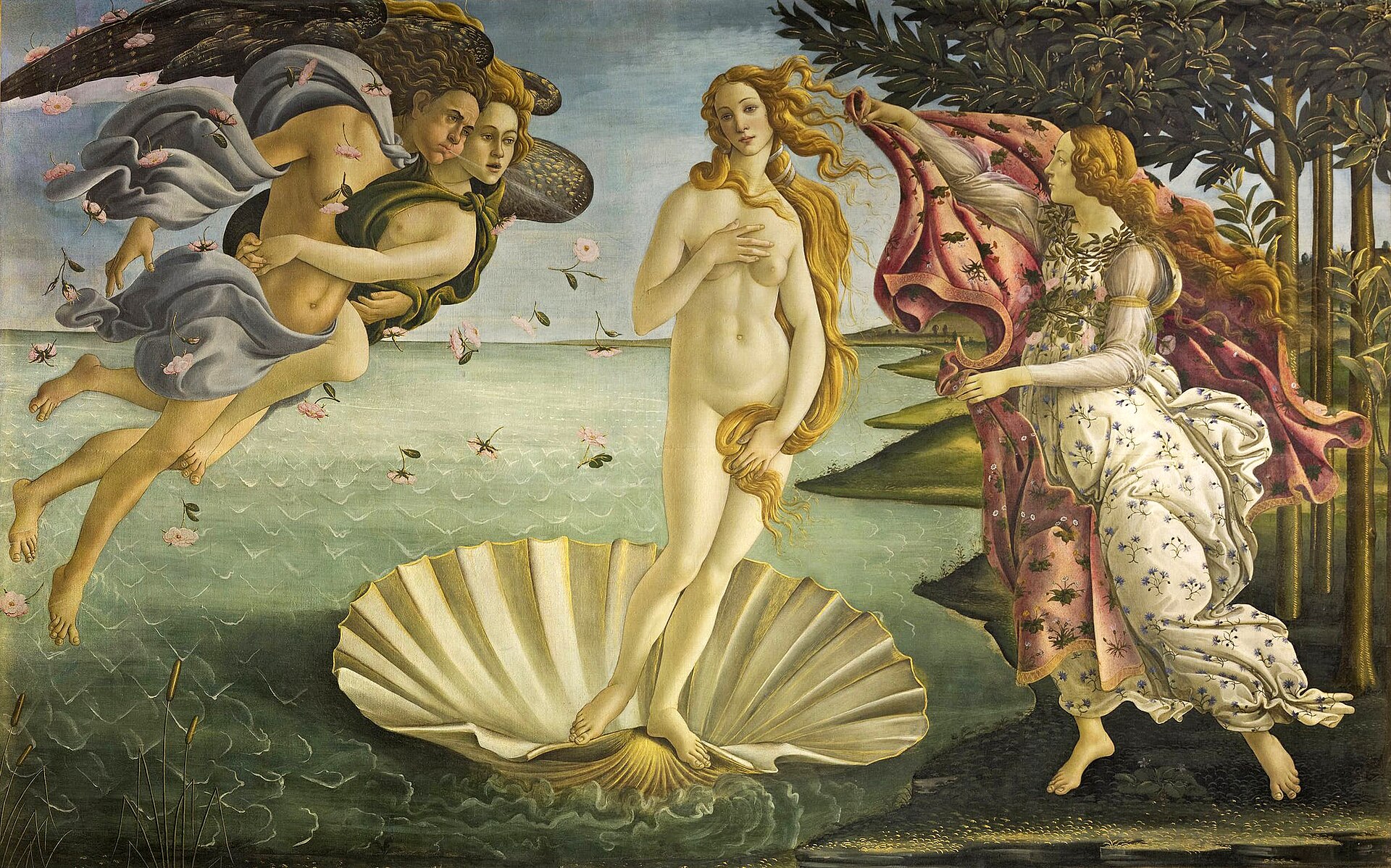
Aphrodite
Εἰς Ἀφροδίτην
Prayer and ritual
These hymns may be spoken as complete prayers to the Gods. Within the Temple’s practice, a ritual is a direct theurgical act; hymnody gathers the mind and turns it toward the Divine, helping the initiate enter reverent communion with the Gods.
Use a hymn on its own in place of another prayer, or add it to the prayer portion of a suitable ritual. Choose according to the deity addressed and the petition expressed in the hymn. When combining them, preserve the ritual’s prescribed sequence and let the hymn give voice to its purpose.
The petition of this hymn
For the gracious presence of Aphrodite and the harmonious generative power of divine love.
Offer this hymn alone as a prayer of reverence to Aphrodite. It may also accompany a rite of love, marriage, concord, or fertility, keeping the prayer centered on the goddess’s gracious presence and the sacred union praised by the hymn.
English hieratic rendering
Hymn 55 · An English rendering aligned with the Greek lines.
- Heavenly, much-hymned, smile-loving Aphrodite,
- sea-born, generative goddess, lover of the all-night feast, revered,
- nocturnal uniter, weaver of wiles, mother of necessity:
- for all things come from you, and you have yoked the cosmos;
- you rule the three portions and bring all things to birth,
- all that dwell in heaven and upon the richly fruitful earth
- and in the sea’s depth, revered companion of Bacchus,
- delighting in festivities, arranger of marriages, mother of loves,
- delighting through persuasion in the marriage-bed, hidden, grace-giving queen,
- appearing and unseen, with lovely tresses, born of a noble father,
- bridal goddess, sharing the gods’ feast, scepter-bearer, wolfish one,
- giver of birth, lover of men, most desired, giver of life,
- you who have bound mortals beneath unbridled necessities,
- and the many tribes of beasts beneath love-maddening charms:
- come, Cyprus-born, of divine lineage, whether upon Olympus
- you dwell, O queenly goddess, rejoicing in your beautiful countenance,
- or tend the dwelling-place of fragrant Syria,
- or in the plains, with chariots fashioned of gold,
- you possess the fertile bathing waters of sacred Egypt,
- or, borne in swan-drawn cars over the sea’s swelling waves,
- you rejoice in the circling dances of sea creatures,
- or delight with the fair-faced Nymphs in the land of Dia,
- leaping lightly along the dunes upon the sandy shores,
- or in Cyprus, O queen, your nurse, where beautiful
- untamed maidens and brides throughout the whole year
- hymn you, O blessed one, and immortal, pure Adonis:
- come, blessed goddess, bearing your most lovely form,
- for with a reverent soul and pure words I call upon you.
Ancient Greek & pronunciation
Read the English pronunciation spelling directly below each Greek line.
- Οὐρανίη, πολύυμνε, φιλομμειδὴς Ἀφροδίτη,oo-rah-NEE-ee, poh-LEE-eem-neh, fee-loh-mee-DHEES ah-froh-DHEE-tee,
- ποντογενές, γενέτειρα θεά, φιλοπάννυχε, σεμνή,pohn-doh-yeh-NEHS, yeh-NEH-tee-rah theh-AH, fee-loh-PAH-nee-hyeh, sehm-NEE,
- νυκτερίη, ζεύκτειρα, δολοπλόκε μῆτερ ἀνάγκης·neek-teh-REE-ee, ZEHFK-tee-rah, dhoh-loh-PLOH-keh MEE-tehr ah-NAHN-gees·
- πάντα γὰρ ἐκ σέθεν ἐστίν, ὑπεζεύξω δέ τε κόσμονPAHN-dah GHAHR ehk SEH-thehn eh-STEEN, ee-peh-ZEHFK-soh DHEH teh KOH-zmohn
- καὶ κρατέεις τρισσῶν μοιρῶν, γεννᾷς δὲ τὰ πάντα,KEH krah-TEH-ees tree-SOHN mee-ROHN, yeh-NAHS DHEH TAH PAHN-dah,
- ὅσσα τ’ ἐν οὐρανῷ ἐστι καὶ ἐν γαίῃ πολυκάρπῳOH-sah t’ ehn oo-rah-NOH eh-stee KEH ehn YEH-ee poh-lee-KAHR-poh
- ἐν πόντου τε βυθῷ, σεμνὴ Βάκχοιο πάρεδρε,ehn POHN-doo teh vee-THOH, sehm-NEE VAHK-hyee-oh PAH-reh-dhreh,
- τερπομένη θαλίῃσι, γαμοστόλε μῆτερ ἐρώτων,tehr-poh-MEH-nee thah-LEE-ee-see, ghah-moh-STOH-leh MEE-tehr eh-ROH-tohn,
- πειθοῖ λεκτροχαρές, κρυφίη, χαριδῶτι ἄνασσα,pee-THEE lehk-troh-khah-REHS, kree-FEE-ee, khah-ree-DHOH-tee AH-nah-sah,
- φαινομένη, ἀφανής, ἐρασιπλόκαμ’, εὐπατέρεια,feh-noh-MEH-nee, ah-fah-NEES, eh-rah-see-PLOH-kahm’, ehf-pah-TEH-ree-ah,
- νυμφιδίη, σύνδαιτι θεῶν σκηπτοῦχε, λυκείη,neem-fee-DHEE-ee, SEEN-dheh-tee theh-OHN skeep-TOO-hyeh, lee-KEE-ee,
- γεννοδότειρα, φίλανδρε, ποθεινοτάτη, βιοδῶτι,yeh-noh-DHOH-tee-rah, FEE-lahn-dhreh, poh-thee-noh-TAH-tee, vee-oh-DHOH-tee,
- ἐνζεύξασα βροτοὺς ἀχαλινώτοισιν ἀνάγκαιςehn-ZEHFK-sah-sah vroh-TOOS ah-khah-lee-NOH-tee-seen ah-NAHN-gehs
- καὶ θηρῶν πολὺ φῦλον ἐρωτομανῶν ὑπὸ φίλτρων·KEH thee-ROHN poh-LEE FEE-lohn eh-roh-toh-mah-NOHN ee-POH FEEL-trohn·
- ἔρχεο, Κυπρογενὲς θεῖον γένος, εἴτ’ ἐν’ ὈλύμπῳEHR-hyeh-oh, kee-proh-yeh-NEHS THEE-ohn YEH-nohs, EET’ ehn’ oh-LEEM-boh
- ἐσσί, θεὰ βασίλεια, καλῷ γήθουσα προσώπῳ,eh-SEE, theh-AH vah-SEE-lee-ah, kah-LOH YEE-thoo-sah proh-SOH-poh,
- εἴτε καὶ εὐλιβάνου Συρίης ἕδος ἀμφιπολεύεις,EE-teh KEH eh-vlee-VAH-noo see-REE-ees EH-dhohs ahm-fee-poh-LEH-vees,
- εἴτε σύ γ’ ἐν πεδίοισι σὺν ἅρμασι χρυσεοτεύκτοιςEE-teh SEE gh’ ehn peh-DHEE-ee-see SEEN AHR-mah-see khree-seh-oh-TEHFK-tees
- Αἰγύπτου κατέχεις ἱερῆς γονιμώδεα λουτρά,eh-YEEP-too kah-TEH-hyees ee-eh-REES ghoh-nee-MOH-dheh-ah loo-TRAH,
- ἢ καὶ κυκνείοισιν ὄχοις ἐπὶ πόντιον οἶδμαEE KEH keek-NEE-ee-seen OH-hyees eh-PEE POHN-dee-ohn EEDH-mah
- ἐρχομένη χαίρεις κητῶν κυκλίῃσι χορείαις,ehr-khoh-MEH-nee HYEH-rees kee-TOHN kee-KLEE-ee-see khoh-REE-ehs,
- ἢ νύμφαις τέρπῃ καλλινώπισιν ἐν χθονὶ Δίῃ,EE NEEM-fehs TEHR-pee kah-lee-NOH-pee-seen ehn khthoh-NEE DHEE-ee,
- θίνας ἐπ’ αἰγιαλοῖς ψαμαθώδεσιν ἅλματι κούφῳ·THEE-nahs ehp’ eh-yee-ah-LEES psah-mah-THOH-dheh-seen AHL-mah-tee KOO-foh·
- εἴτ' ἐν Κύπρῳ, ἄνασσα, τροφῷ σέο, ἔνθα καλαί σεEET' ehn KEE-proh, AH-nah-sah, troh-FOH SEH-oh, EHN-thah kah-LEH seh
- παρθένοι ἀδμῆται νύμφαι τ’ ἀνὰ πάντ’ ἐνιαυτὸνpahr-THEH-nee ahdh-MEE-teh NEEM-feh t’ ah-NAH PAHND’ eh-nee-ahf-TOHN
- ὑμνοῦσιν, σέ, μάκαιρα, καὶ ἄμβροτον ἁγνὸν Ἄδωνιν.eem-NOO-seen, SEH, MAH-keh-rah, KEH AHM-vroh-tohn ahgh-NOHN AH-dhoh-neen.
- ἐλθέ, μάκαιρα θεά, μάλ’ ἐπήρατον εἶδος ἔχουσα·ehl-THEH, MAH-keh-rah theh-AH, MAHL’ eh-PEE-rah-tohn EE-dhohs EH-khoo-sah·
- ψυχῇ γάρ σε καλῶ σεμνῇ ἁγνοῖσι λόγοισιν.psee-HYEE GHAHR seh kah-LOH sehm-NEE ahgh-NEE-see LOH-yee-seen.
Short sound guide for English speakers
Every line beneath the Greek uses English pronunciation spellings. Say each hyphenated syllable in sequence and emphasize the syllable in CAPITALS. For example, οὐρανόθεν is oo-rah-NOH-thehn. Read adjacent vowels separately: theh-AH has two syllables; oo-rah-NEE-een has four. Hyphens guide the voice; they do not mark pauses.
| Spelling | Sound to make |
|---|---|
| ah · eh · ee · oh · oo | father · met · see · go without its final glide · moon. Keep these vowels clear in unstressed syllables too. |
| th · dh | The unvoiced th in thin · the voiced th in this. Thus DHEE begins with the sound in “thee.” |
| kh | The ch in Scottish loch or German Bach: let air pass at the back of the mouth, without closing it into a k. |
| hy | The breathy beginning of a carefully spoken Hugh. Raise the middle of the tongue toward the roof of the mouth and let air pass without voice. In shy, sound s followed by hy; do not use the English sh sound or the English word “shy.” |
| gh | Make the kh sound above, then add voice. Keep the passage open; this is a flowing sound, not a hard g. |
| y · g | y as in yes, with gentle friction · always a hard g as in get. |
| r | Tap the tongue lightly behind the upper teeth, or use a light roll. |
| ks · ps | Sound both consonants, even at the beginning of a word: ks as in backs, ps as in lips. |
| n-g · m-b · n-d | Sound the nasal and the following consonant. In AHN-geh-leh, the n-g group is like finger, with the g audible. |
Always sound s as in hiss, even at the end of DHEE-kees; z is voiced, as in zero. All other consonants have their usual English sounds. Initial consonant groups may be unfamiliar: sound every written consonant, without inserting an extra vowel. A word without capitals carries no written stress in the Greek. Where two syllables have capitals, both written accents are retained. An apostrophe marks a vowel already elided in the Greek; do not add it back. A hyphen at the end of a Greek verse joins the unfinished word to the next verse.
These spellings follow the Modern Greek liturgical reading used throughout this library. Breathings and iota subscripts are silent; separately pronounced vowels remain separate. The few Greek consonants without an exact English equivalent use the sound cues above. Ancient vowel length, pitch accent and metre are not reconstructed.
Hymn notes
Sacred meaning
Aphrodite’s sovereignty reaches heaven, earth, and sea, gathering all generation under her power. Desire, persuasion, marriage, and necessity are presented as dimensions of that cosmic rule. Her many sacred abodes converge in the final invocation made with a reverent soul and pure words.
Textual note
The epithet λυκείη is rendered “wolfish,” preserving its difficult animal association rather than silently omitting it. “Three portions” preserves the cosmic tripartition expressed by the poem without replacing it with the three personal Fates. No incense appears in the printed heading.
Text and attribution
Greek text: Eugenius Abel, Orphica (1885), printed pages 86, 87, 88. The text follows the printed main reading of this edition; source-specific variants are recorded where relevant. Read the digitised edition. Greek source. Wikisource transcription, revision 124394; checked and corrected against Abel’s print. The English hieratic rendering and suggested devotional use are new editorial work. The applications are guidance for this library, not additional lines of the ancient poem.