The Festival Psalms · Psalm III: The Psalm of the Spring Equinox
To Astarte, Queen of Heaven and Earth, Aphrodite Ourania, Ishtar, Inanna, Isis, for the Equinox of the Spring, when the Sun enters the Ram
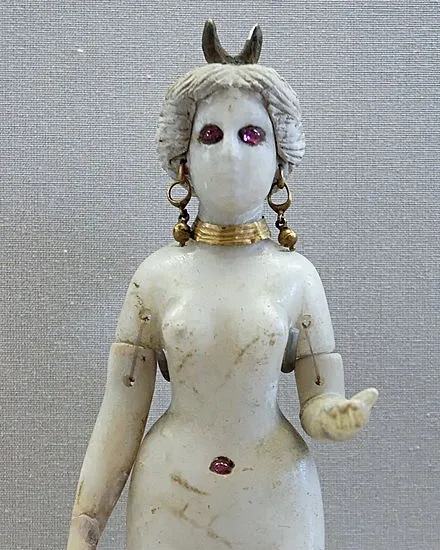
72 passages · 72 to Astarte · Homeric-Ionic hymnic cola · Ancient Greek, transliteration, English, in 3 columns
How the Psalm Is Used
This Psalm belongs to The Spring Equinox: The Festival of Astarte and is sung within its Rite at the points the festival page marks. It may also be read on its own on the day, before the altar or under the sky, as a complete prayer. Within the Temple's practice a ritual is a direct theurgical act; the Psalm gathers the mind and turns it toward the Gods, and gives the Rite its voice.
Each passage stands in 3 columns, read down the page: the Ancient Greek, the transliteration and the English. The Ancient Greek is the text itself. The transliteration carries the sound, in the Modern Greek liturgical reading used throughout the Temple's rituals and its Ancient Hymn Library: ee as in see, oo as in moon, th as in thin, kh as in loch, v for beta, f for phi, every consonant sounded.
The English carries the sense. A Zevist who doesn't yet read Greek sings the English and speaks the Greek of the first and last line of each movement; a Zevist who does, sings the Greek and lets the English stand beside it.
In a gathering the Chorus carries the Greek and the assembly answers the last line of every passage in English. Alone, read it through without hurry; 72 passages take about 40 minutes spoken, and the Rite allows for it. The Psalm is composed in the hymnic register of the Homeric and Orphic Hymns, in epithets, vocatives and the formulas of κλῦθι and χαῖρε, and it draws its lines from the ancient sources named at the end of the page.
Where a line is quoted from antiquity, it's quoted exactly; where the Temple composes, it composes in the same tongue.
The Key of the Psalm
| Movement | Greek title | English title | To | Passages | Isopsephy of the title |
|---|---|---|---|---|---|
| I | Ἡ Βασίλισσα τοῦ Οὐρανοῦ | The Queen of Heaven | Astarte | 1 to 12 | 2523 |
| II | Ἡ Κατάβασις καὶ ἡ Ἄνοδος | The Descent and the Return | Astarte | 13 to 24 | 1177 |
| III | Τὸ ᾨὸν καὶ ὁ Λαγώς | The Egg and the Hare | Astarte | 25 to 36 | 2425 |
| IV | Ἡ Ἰσημερία | The Equinox | Astarte | 37 to 48 | 382 |
| V | Ἡ Γονιμότης | The Fertility | Astarte | 49 to 60 | 759 |
| VI | Ἡ Ἀποκατάστασις | The Restoration | Astarte | 61 to 72 | 1392 |
The Psalm holds 72 passages in 6 movements of 12 (72 to Astarte). 72 is the number of the fifths of the circle: 72 × 5° = 360°, the wheel of the year drawn whole; 72 years are 1 degree of the precession of the equinoxes, 1 day of the Great Year. 12 is the number of the months and of the Olympians. The isopsephy of the Names in the Greek is counted, not guessed: ΑΣΤΑΡΤΗ = 910, ΑΦΡΟΔΙΤΗ = 993.
The titles of the movements carry their own numbers in the table. The Psalm speaks in 2 voices at once: the plain voice of praise, which anyone may sing, and a veiled voice that names the stations of the inner rite in the order in which they're passed. The second voice isn't explained on this page. Those who have passed the stations will read it without help; those who haven't, lose nothing by singing the first.
I · The Queen of Heaven · Ἡ Βασίλισσα τοῦ Οὐρανοῦ (Astarte)
| № | Ancient Greek | Transliteration | English |
|---|---|---|---|
| 1 | Κλῦθι, Ἀστάρτη, Βασίλισσα τοῦ Οὐρανοῦ καὶ τῆς Γῆς, ἣν Σιδὼν προσεκύνει καὶ Τύρος καὶ Βύβλος καὶ Ἀσκάλων· ὁ Ἥλιος εἰσέρχεται εἰς τὸν Κριόν, ἡ ἡμέρα ἴση τῇ νυκτί, καὶ σὲ καλοῦμεν. | Kleethi, Astartee, Vasilissa too Ooranoo kai tees Gees, een Sidon prosekeenei kai Teeros kai Veevlos kai Askalon· o Eelios eiserkhetai eis ton Krion, ee eemera isee tee neekti, kai se kaloomen. | Hear, Astarte, Queen of Heaven and of Earth, whom Sidon worshipped and Tyre and Byblos and Ascalon; the Sun enters the Ram, and the day stands equal to the night, and we call you. |
| 2 | Ἰστὰρ ἐν Βαβυλῶνι, Ἰνάννα ἐν Ὀρχόῃ, Ἀφροδίτη Οὐρανία ἐν Κύπρῳ, Ἶσις ἐν Αἰγύπτῳ, Ἁθὼρ ἡ χρυσῆ, Οὐένους ἐν Ῥώμῃ· μία Βασίλισσα, ἓξ στέφανοι, καὶ ὁ Ἑωσφόρος ὑπὲρ πάντας. | Istar en Vaveeloni, Inanna en Orkhoee, Afroditee Oorania en Keepro, Isis en Aigeepto, Athor ee khreesee, Ooenoos en Romee· mia Vasilissa, ex stefanoi, kai o Eosforos eeper pantas. | Ishtar in Babylon, Inanna in Uruk, Aphrodite Ourania in Cyprus, Isis in Egypt, Hathor the golden, Venus in Rome; 1 Queen, 6 crowns, and the Morning Star above them all. |
| 3 | Ἡρόδοτος ἔγραψεν ὅτι ὁ ἀρχαιότατος ναός σου ἐν Ἀσκάλωνι ἦν, καὶ ὅτι οἱ Κύπριοι σὲ παρὰ Φοινίκων ἔμαθον, καὶ τὰ Κύθηρα· πρὶν ἡ Ἑλλὰς σὲ ᾄδειν, ἡ Ἀνατολὴ τὸ γόνυ ἐκεκλίκει. | Eerodotos egrapsen oti o arkhaiotatos naos soo en Askaloni een, kai oti oi Keeprioi se para Foinikon emathon, kai ta Keetheera· prin ee Ellas se adein, ee Anatolee to gonee ekeklikei. | Herodotus wrote that your oldest temple stood at Ascalon, and that the Cyprians learned you from the Phoenicians, and Kythera too; before Greece sang of you, the East had knelt. |
| 4 | Δέσποινα τοῦ Οὐρανοῦ, ἧς ὁ ἀστὴρ ἀνατέλλει πρὸ τοῦ Ἡλίου καὶ μετ' αὐτόν, σὺ τὸ λαμπρότατον ἐν οὐρανῷ ὃ οὔτε Ἥλιος οὔτε Σελήνη· ὁ ποιμὴν τὴν νύκτα κατὰ σὲ ἀριθμεῖ, καὶ ὁ ναύτης τὴν θάλασσαν. | Despoina too Ooranoo, ees o asteer anatellei pro too Eelioo kai met' afton, see to lamprotaton en oorano o oote Eelios oote Seleenee· o poimeen teen neekta kata se arithmei, kai o naftees teen thalassan. | Lady of Heaven, whose star rises before the Sun and after it, you are the brightest thing in the sky that isn't the Sun or the Moon; the shepherd counts the night by you, and the sailor the sea. |
| 5 | Βελὲτ Ἰλί, Δέσποινα τῶν Θεῶν· Σαρρὰτ Σαμέ, Βασίλισσα τοῦ Οὐρανοῦ· οἱ Ἀκκάδιοι τοὺς τίτλους σου ἐσώρευον ὡς τὰς πλίνθους τοῦ πύργου σου· ἡμεῖς ἐπαναλαμβάνομεν, ὅτι ὄνομα ἐπαναλαμβανόμενον θύρα ἀνοιγομένη. | Velet Ili, Despoina ton Theon· Sarrat Same, Vasilissa too Ooranoo· oi Akkadioi toos titloos soo esorevon os tas plinthoos too peergoo soo· eemeis epanalamvanomen, oti onoma epanalamvanomenon theera anoigomenee. | Belet Ili, Lady of the Gods; Sharrat Shame, Queen of the Sky; the Akkadians piled your titles as they piled the bricks of your ziggurat; we repeat them, because a name repeated is a door opened. |
| 6 | Αἱ γυναῖκες Ἱερουσαλὴμ πλακοῦντας τῇ Βασιλίσσῃ τοῦ Οὐρανοῦ ἔπεσσον καὶ οἶνον αὐτῇ ἔσπενδον, ὁ δὲ προφήτης ἐμαίνετο καὶ αὐτῷ ἀπεκρίναντο· ὅτε αὐτὴν ἐσεβόμεθα, ἄρτον ἱκανὸν εἴχομεν καὶ κακὸν οὐκ εἴδομεν. | Ai geenaikes Ieroosaleem plakoontas tee Vasilissee too Ooranoo epesson kai oinon aftee espendon, o de profeetees emaineto kai afto apekrinanto· ote afteen esevometha, arton ikanon eikhomen kai kakon ook eidomen. | The women of Jerusalem baked cakes for the Queen of Heaven and poured her wine, and the prophet raged and they answered him: when we worshipped her we had bread enough and saw no evil. |
| 7 | Ἐνχεδουάννα, ἡ πρώτη ποιήτρια ἧς τὸ ὄνομα ἴδμεν, σοὶ ᾖδε· Δέσποινα πασῶν τῶν θείων δυνάμεων, φῶς λαμπρόν, γυνὴ ἀληθὴς λαμπρότητι ἐνδεδυμένη· πρὸ τετρακισχιλίων καὶ τριακοσίων ἐτῶν, καὶ τὸ μέλαν ἔτι ὑγρόν. | Enkhedooanna, ee protee poieetria ees to onoma idmen, soi eede· Despoina pason ton theion deenameon, fos lampron, geenee aleethees lamproteeti endedeemenee· pro tetrakiskhilion kai triakosion eton, kai to melan eti eegron. | Enheduanna, the first poet whose name we know, sang to you: Lady of all the divine powers, radiant light, true woman clothed in splendour; 4,300 years ago, and the ink is still wet. |
| 8 | Θύγατερ τοῦ Πατρὸς τοῦ Οὐρανοῦ, Διώνης τέκος, ἢ ἐκ τοῦ ἀφροῦ τῆς θαλάσσης γεγενημένη· πᾶς λόγος τῆς γενέσεώς σου ἀπὸ τοῦ Πατρὸς ἄρχεται, καὶ ὁ Πατὴρ τῇ ἡμέρᾳ ταύτῃ σοὶ τὸ ἔτος δίδωσιν. | Theegater too Patros too Ooranoo, Dionees tekos, ee ek too afroo tees thalassees gegeneemenee· pas logos tees geneseos soo apo too Patros arkhetai, kai o Pateer tee eemera taftee soi to etos didosin. | Daughter of the Sky-Father, Dione's child, or born of the sea-foam: every account of your birth begins with the Father, and the Father on this day gives you the year. |
| 9 | Ἡ περιστερὰ σή, καὶ ἡ μυρσίνη, καὶ τὸ ῥόδον, καὶ τὸ μῆλον· ἡ θάλασσα σή, ἐξ ἧς ἀνέβης, καὶ ὁ οὐρανός, ἐν ᾧ λάμπεις· μεταξὺ θαλάσσης καὶ οὐρανοῦ ἵσταται τὸ ὅλον ἔαρ, καὶ σόν ἐστιν. | Ee peristera see, kai ee meersinee, kai to rodon, kai to meelon· ee thalassa see, ex ees anevees, kai o ooranos, en Oh lampeis· metaxee thalassees kai ooranoo istatai to olon ear, kai son estin. | The dove is yours, and the myrtle, and the rose, and the apple; the sea is yours, from which you rose, and the sky, in which you shine; between the sea and the sky stands the whole spring, and it is yours. |
| 10 | Μεγάλη ἐν Μαγείᾳ, Οὐερὲτ Ἑκάου, οἱ Αἰγύπτιοι σὲ ὠνόμασαν, Μήτηρ τῶν Θεῶν, ἡ τὸ κρυπτὸν ὄνομα τοῦ Ῥᾶ γνοῦσα· ἡ Βασίλισσα τοῦ Οὐρανοῦ Βασίλισσα τοῦ κεκρυμμένου Λόγου. | Megalee en Mageia, Ooeret Ekaoo, oi Aigeeptioi se onomasan, Meeteer ton Theon, ee to kreepton onoma too Ra gnoosa· ee Vasilissa too Ooranoo Vasilissa too kekreemmenoo Logoo. | Great of Magic, Weret Hekau, the Egyptians named you, Mother of the Gods, who knew the secret name of Ra; the Queen of Heaven is the Queen of the hidden Word. |
| 11 | Ἄλλαξον τὸ ὄνομα, Ζευϊστά, κατὰ τὴν γλῶσσαν τῶν πατέρων σου, καὶ μηδὲν τῆς Βασιλίσσης ἄλλαξον· Ἀστάρτη, Ἰστάρ, Ἰνάννα, Ἀφροδίτη, Ἶσις, Οὐένους, Φρέϋα· πᾶσιν ἀποκρίνεται, ὅτι πάντα αὐτῆς ἐστιν. | Allaxon to onoma, Zevista, kata teen glossan ton pateron soo, kai meeden tees Vasilissees allaxon· Astartee, Istar, Inanna, Afroditee, Isis, Ooenoos, Freeea· pasin apokrinetai, oti panta aftees estin. | Change the name, Zevist, by the tongue of your fathers, and change nothing of the Queen: Astarte, Ishtar, Inanna, Aphrodite, Isis, Venus, Freyja; she answers to all of them, because all of them are hers. |
| 12 | Χαῖρε, Ἀστάρτη, Βασίλισσα τοῦ Οὐρανοῦ, ἐν τῇ πρώτῃ ὥρᾳ τοῦ ἔαρος· ὁ Κριὸς φέρει τὸν Ἥλιον ὑπὲρ τὴν γραμμήν, καὶ σὺ πρὸ αὐτοῦ ἱππεύεις· δέξαι τὸ πρῶτον τῶν ἑβδομήκοντα δύο, ὡς δέχῃ τὸ πρῶτον τοῦ ἔτους. | Khaire, Astartee, Vasilissa too Ooranoo, en tee protee ora too earos· o Krios ferei ton Eelion eeper teen grammeen, kai see pro aftoo ippeveis· dexai to proton ton evdomeekonta deeo, os dekhee to proton too etoos. | Hail, Astarte, Queen of Heaven, in the first hour of the spring; the Ram carries the Sun across the line, and you ride before it; receive the first of the 72, as you receive the first of the year. |
II · The Descent and the Return · Ἡ Κατάβασις καὶ ἡ Ἄνοδος (Astarte)
| № | Ancient Greek | Transliteration | English |
|---|---|---|---|
| 13 | Ἀπὸ τοῦ Μεγάλου Ἄνω τὸν νοῦν ἔθηκε πρὸς τὸ Μέγα Κάτω, Ἰνάννα, καὶ τὸν οὐρανὸν ἔλιπε, καὶ τὴν γῆν ἔλιπε, καὶ κατέβη· οὕτως τὸ ἀρχαιότατον ᾆσμα τῆς καταβάσεως ἄρχεται, καὶ οὕτως ἄρχεται τὸ ἔαρ. | Apo too Megaloo Ano ton noon etheeke pros to Mega Kato, Inanna, kai ton ooranon elipe, kai teen geen elipe, kai katevee· ootos to arkhaiotaton asma tees katavaseos arkhetai, kai ootos arkhetai to ear. | From the Great Above she set her mind toward the Great Below, Inanna, and left heaven, and left earth, and went down; so the oldest poem of the descent begins, and so begins the spring. |
| 14 | Ἐν ἑπτὰ πύλαις ὁ πυλωρὸς αὐτὴν ἑπτὰ δυνάμεων ἀπέδυσε, τοῦ στεφάνου, τῆς ῥάβδου, τοῦ ὅρμου, τοῦ θώρακος, τοῦ δακτυλίου, τοῦ μετρητοῦ σχοινίου, τοῦ πέπλου· γυμνὴ καὶ κεκλιμένη εἰσῆλθε πρὸ τῆς ἀδελφῆς, τῆς Βασιλίσσης τῶν Νεκρῶν. | En epta peelais o peeloros afteen epta deenameon apedeese, too stefanoo, tees ravdoo, too ormoo, too thorakos, too dakteelioo, too metreetoo skhoinioo, too peploo· geemnee kai keklimenee eiseelthe pro tees adelfees, tees Vasilissees ton Nekron. | At 7 gates the gatekeeper stripped her of 7 powers, the crown, the rod, the necklace, the breastplate, the ring, the measuring line, the robe; naked and bowed she entered before her sister, the Queen of the Dead. |
| 15 | Ὁ ὀφθαλμὸς τοῦ θανάτου ἐπ' αὐτὴν ἐστράφη, καὶ νεκρὰ ἐγένετο, καὶ ὁ νεκρὸς ἐπὶ πασσάλου ἐκρεμάσθη τρεῖς ἡμέρας καὶ τρεῖς νύκτας· ἡ Βασίλισσα τοῦ Οὐρανοῦ νεκρὰ ἐπὶ πασσάλου· τοῦτο οἱ Σουμέριοι ἐτόλμησαν ᾄδειν. | O ofthalmos too thanatoo ep' afteen estrafee, kai nekra egeneto, kai o nekros epi passaloo ekremasthee treis eemeras kai treis neektas· ee Vasilissa too Ooranoo nekra epi passaloo· tooto oi Soomerioi etolmeesan adein. | The eye of death was turned on her, and she became a corpse, and the corpse was hung on a hook for 3 days and 3 nights; the Queen of Heaven dead on a hook: this the Sumerians dared to sing. |
| 16 | Εἶτα τὸ ὕδωρ τῆς ζωῆς ἐπ' αὐτὴν ἐρράνθη, καὶ ἡ τροφὴ τῆς ζωῆς, καὶ ἀνέστη, καὶ τὰς ἑπτὰ πύλας ἀνέβη, καὶ τὰς ἑπτὰ δυνάμεις ἀνέλαβε· καὶ ὅπου τὸν πόδα πάλιν ἐπὶ τῆς γῆς ἔθηκε, ἡ πόα ἀνέστη. | Eita to eedor tees zoees ep' afteen erranthee, kai ee trofee tees zoees, kai anestee, kai tas epta peelas anevee, kai tas epta deenameis anelave· kai opoo ton poda palin epi tees gees etheeke, ee poa anestee. | Then the water of life was sprinkled on her, and the food of life, and she rose, and climbed the 7 gates, and took back the 7 powers; and where she set her foot on the earth again, the grass stood up. |
| 17 | Ἰστὰρ κατέβη, καὶ ὁ ταῦρος τὴν βοῦν οὐκ ἀνέβαινεν, ὁ ἀνὴρ πρὸς τὴν γυναῖκα οὐκ εἰσῄει, καὶ ἡ γῆ ἄκαρπος ἵστατο· ὁ ὅλος κόσμος σῶμα τῆς θεᾶς, καὶ θνῄσκει ὅτε ἐκείνη θνῄσκει. | Istar katevee, kai o tavros teen voon ook anevainen, o aneer pros teen geenaika ook eiseeei, kai ee gee akarpos istato· o olos kosmos soma tees theas, kai thneeskei ote ekeinee thneeskei. | Ishtar went down, and the bull didn't mount the cow, the man didn't go in to the woman, and the earth stood barren; the whole world is the body of the Goddess, and it dies when she dies. |
| 18 | Τὸ ἥμισυ τοῦ ἔτους ὁ σύνευνος αὐτῆς κάτω ἀντ' αὐτῆς ἔρχεται, Δουμουζί, Θαμμούζ, Ἄδωνις, ὁ ἐρώμενος ὁ θνῄσκων ἵνα ἐκείνη ζῇ· αἱ γυναῖκες αὐτὸν ἐν Βύβλῳ ἔκλαιον, καὶ ὁ ποταμὸς ἐρυθρὸς εἰς τὴν θάλασσαν ἔρρει. | To eemisee too etoos o seenevnos aftees kato ant' aftees erkhetai, Doomoozi, Thammooz, Adonis, o eromenos o thneeskon ina ekeinee zee· ai geenaikes afton en Veevlo eklaion, kai o potamos ereethros eis teen thalassan errei. | Half the year her consort goes below in her place, Dumuzi, Tammuz, Adonis, the beloved who dies that she may live; the women wept for him at Byblos, and the river ran red to the sea. |
| 19 | Εἶτα τῇ ὑστεραίᾳ ἔλεγον· ζῇ, καὶ εἰς τὸν ἀέρα αὐτὸν ἔπεμπον, καὶ ὁ θρῆνος χορὸς ἐγένετο, ὡς Λουκιανὸς τοῖς ἑαυτοῦ ὀφθαλμοῖς εἶδε· πᾶν ἔαρ ἐκφορὰ ἥτις ἐν μιᾷ νυκτὶ γάμος γίγνεται. | Eita tee eesteraia elegon· zee, kai eis ton aera afton epempon, kai o threenos khoros egeneto, os Lookianos tois eaftoo ofthalmois eide· pan ear ekfora eetis en mia neekti gamos gignetai. | Then on the next day they said: he lives, and sent him into the air, and the lament became a dance, as Lucian saw with his own eyes; every spring is a funeral that turns, in 1 night, into a wedding. |
| 20 | Ἡ κατάβασις τῆς Βασιλίσσης ἡ κατάβασις τοῦ Ἡλίου ὑπὸ τὴν γραμμήν, καὶ ἡ ἄνοδος αὐτῆς ὁ Ἥλιος ὑπερβαίνων αὐτὴν τῇ ἕῳ ταύτῃ· ὃ ὁ οὐρανὸς ἐν ἓξ μησὶ ποιεῖ, ὁ ψαλμὸς ἐν δώδεκα στίχοις ποιεῖ. | Ee katavasis tees Vasilissees ee katavasis too Eelioo eepo teen grammeen, kai ee anodos aftees o Eelios eepervainon afteen tee eo taftee· o o ooranos en ex meesi poiei, o psalmos en dodeka stikhois poiei. | The descent of the Queen is the descent of the Sun below the line, and her return is the Sun crossing it on this morning; what the sky does in 6 months, the Psalm does in 12 lines. |
| 21 | Ὅστις ἂν μετὰ τῆς θεᾶς ἀναβῆναι θέλῃ, πρῶτον μετ' αὐτῆς καταβήτω, καὶ ἐν ἑκάστῃ πύλῃ λιπέτω τι ὃ ἑαυτὸν εἶναι ἐνόμιζε· αἱ ἑπτὰ πύλαι ἔσω, καὶ ὁ πυλωρὸς ὁ ἑαυτός. | Ostis an meta tees theas anaveenai thelee, proton met' aftees kataveeto, kai en ekastee peelee lipeto ti o eafton einai enomize· ai epta peelai eso, kai o peeloros o eaftos. | Whoever would rise with the Goddess must first go down with her, and leave at every gate a thing he thought was himself; the 7 gates are within, and the gatekeeper is the self. |
| 22 | Γυμνὴ ἡ ψυχὴ ἵσταται πρὸ τῆς Βασιλίσσης τῶν Νεκρῶν καὶ ζῇ· ταῖς ἑπτὰ δυνάμεσι πάλιν ἐνδεδυμένη ἀναβαίνει, καὶ ἡ πόα ὄπισθεν αὐτῆς ἀνίσταται· τὸ Μυστήριον τῆς ἰσημερίας Μυστήριον τῆς δευτέρας ἀναβάσεως. | Geemnee ee pseekhee istatai pro tees Vasilissees ton Nekron kai zee· tais epta deenamesi palin endedeemenee anavainei, kai ee poa opisthen aftees anistatai· to Meesteerion tees iseemerias Meesteerion tees defteras anavaseos. | Naked the soul stands before the Queen of the Dead and lives; clothed in its 7 powers again, it climbs, and the grass stands up behind it; the Mystery of the equinox is the Mystery of the second climb. |
| 23 | Μεγάλη ἐν Μαγείᾳ, ἡ τὸν Ὄσιριν ἐκ τῶν μελῶν ἀναστήσασα, ἡ τὰ ἕλη ἐρευνήσασα καὶ τὸ σῶμα εὑροῦσα καὶ εἰς αὐτὸ ἐμπνεύσασα· ἐρεύνησον ἡμᾶς ὅπου διεσπάρημεν, καὶ σύναγε ἡμᾶς. | Megalee en Mageia, ee ton Osirin ek ton melon anasteesasa, ee ta elee erevneesasa kai to soma evroosa kai eis afto empnefsasa· erevneeson eemas opoo diespareemen, kai seenage eemas. | Great of Magic, who raised Osiris from the pieces, who searched the marshes and found the body and breathed into it; search us where we are scattered, and gather us. |
| 24 | Χαῖρε, Ἀστάρτη, ἡ καταβᾶσα καὶ ἀναβᾶσα· ἡ πύλη τοῦ Μεγάλου Κάτω ἀνοικτὴ ὄπισθέν σου, καὶ σὺ ἔκλεισας αὐτήν· ἄγε τοὺς Ζευϊστὰς ἄνω τὰς ἑπτὰ βαθμίδας εἰς τὸ ἔαρ. | Khaire, Astartee, ee katavasa kai anavasa· ee peelee too Megaloo Kato anoiktee opisthen soo, kai see ekleisas afteen· age toos Zevistas ano tas epta vathmidas eis to ear. | Hail, Astarte, who went down and came up; the gate of the Great Below is open behind you, and you have shut it; lead the Zevists up the 7 steps into the spring. |
III · The Egg and the Hare · Τὸ ᾨὸν καὶ ὁ Λαγώς (Astarte)
| № | Ancient Greek | Transliteration | English |
|---|---|---|---|
| 25 | ᾨὸν θαυμαστοῦ μεγέθους ἐξ οὐρανοῦ εἰς τὸν Εὐφράτην ἔπεσεν, οἱ ἰχθύες αὐτὸ πρὸς τὴν ὄχθην ἐκύλισαν, αἱ περιστεραὶ ἐπ' αὐτοῦ ἐκάθισαν καὶ ἐξέλεψαν, καὶ ἐξ αὐτοῦ ἡ Συρία θεὰ ἐξῆλθεν· οὕτως Ὑγῖνος, καὶ οὕτως τὸ ᾠὸν σόν. | Oon thavmastoo megethoos ex ooranoo eis ton Effrateen epesen, oi ikhtheees afto pros teen okhtheen ekeelisan, ai peristerai ep' aftoo ekathisan kai exelepsan, kai ex aftoo ee Seeria thea exeelthen· ootos Eeginos, kai ootos to oon son. | An egg of wondrous size fell from heaven into the Euphrates, the fishes rolled it to the bank, the doves sat on it and hatched it, and from it came the Syrian Goddess: so Hyginus, and so the egg is yours. |
| 26 | Τὸ ᾠὸν ὁ κόσμος πρὶν ἀνοιχθῆναι, τὸ ἔαρ πρὶν φανῆναι, τὸ Ὀρφικὸν ᾠὸν ἐξ οὗ Φάνης ὁ πρωτόγονος λάμπων ἐξερράγη· ἐρυθρὸν αὐτὸ βάπτομεν διὰ τὸ αἷμα τοῦ Ἀδώνιδος καὶ χρυσοῦν διὰ τὸν Ἥλιον. | To oon o kosmos prin anoikhtheenai, to ear prin faneenai, to Orfikon oon ex oo Fanees o protogonos lampon exerragee· ereethron afto vaptomen dia to aima too Adonidos kai khreesoon dia ton Eelion. | The egg is the world before it opens, the spring before it shows, the Orphic egg from which Phanes the firstborn broke out shining; we paint it red for the blood of Adonis and gold for the Sun. |
| 27 | Βέδας ἔγραψεν ὅτι οἱ Ἄγγλοι τὸν μῆνα Ἀπρίλιον ἀπὸ τῆς Ἐόστρης ὠνόμασαν, θεᾶς αὐτῶν, καὶ ἑορτὰς αὐτῇ ἐν αὐτῷ ἦγον· οἱ Χριστιανοὶ τὸ ὄνομα αὐτῆς τῇ ἑορτῇ αὐτῶν ἔλαβον καὶ ἐπελάθοντο ἐρωτῆσαι τίνος ἦν. | Vedas egrapsen oti oi Angloi ton meena Aprilion apo tees Eostrees onomasan, theas afton, kai eortas aftee en afto eegon· oi Khristianoi to onoma aftees tee eortee afton elavon kai epelathonto eroteesai tinos een. | Bede wrote that the English named the month of April after Eostre, a Goddess of theirs, and kept feasts for her in it; the Christians took her name for their feast and forgot to ask whose it was. |
| 28 | Ἐόστρη, Ὀστάρα, Ἠὼς τῶν Ἑλλήνων, Οὐσὰς τῶν Βεδικῶν, Αὐρώρα τῆς Ῥώμης· ἡ Ἠώς, ἡ αὐτὴ λέξις ἐν πάσῃ γλώσσῃ τῶν Ἰνδοευρωπαίων· τὸ ἔαρ ἠὼς τοῦ ἔτους, καὶ ἡ θεὰ τῆς ἠοῦς Βασίλισσα αὐτοῦ. | Eostree, Ostara, Eeos ton Elleenon, Oosas ton Vedikon, Avrora tees Romees· ee Eeos, ee aftee lexis en pasee glossee ton Indoevropaion· to ear eeos too etoos, kai ee thea tees eeoos Vasilissa aftoo. | Eostre, Ostara, Eos of the Greeks, Ushas of the Vedas, Aurora of Rome: the Dawn, the same word in every tongue of the Indo-European peoples; the spring is the dawn of the year, and the Goddess of dawn is its Queen. |
| 29 | Ὁ λαγὼς ὁ ἐν τοῖς ἀγροῖς τοῦ Μαρτίου τρέχων διὰ σὲ τρέχει, μαινόμενος τῷ ἔαρι, γόνιμος ὑπὲρ πᾶν θηρίον τοῦ ἀγροῦ· οἱ ἀρχαῖοι σὲ ἐν τῷ λαγῷ εἶδον, καὶ οἱ παῖδες ἔτι ὁρῶσιν. | O lagos o en tois agrois too Martioo trekhon dia se trekhei, mainomenos to eari, gonimos eeper pan theerion too agroo· oi arkhaioi se en to lago eidon, kai oi paides eti orosin. | The hare that runs in the March fields runs for you, mad with the spring, fertile beyond every beast of the field; the ancients saw you in the hare, and the children still do. |
| 30 | Ὁ Ἀμνὸς ἐκ τοῦ Κριοῦ ἐκλάπη· ὁ Ἥλιος εἰς τὸν Κριὸν τῇ ἡμέρᾳ ταύτῃ εἰσέρχεται, καὶ ὁ Κριὸς τοῦ οὐρανοῦ Ἀμνὸς ἐκλήθη θεοῦ ὃς πρόβατα οὐδέποτε ἔβοσκεν· ἡμεῖς τὸν Κριὸν τῷ οὐρανῷ ἀποδίδομεν καὶ τὴν ἡμέραν τῇ Βασιλίσσῃ. | O Amnos ek too Krioo eklapee· o Eelios eis ton Krion tee eemera taftee eiserkhetai, kai o Krios too ooranoo Amnos ekleethee theoo os provata oodepote evosken· eemeis ton Krion to oorano apodidomen kai teen eemeran tee Vasilissee. | The Lamb was stolen from the Ram: the Sun enters Aries on this day, and the Ram of the sky was called the Lamb of a God who never kept sheep; we return the Ram to the sky and the day to the Queen. |
| 31 | Οἱ πλακοῦντες τῆς Βασιλίσσης τοῦ Οὐρανοῦ πάλιν πέσσονται, στρογγύλοι, τῷ ἀστέρι αὐτῆς σεσημασμένοι, μέλιτι γλυκεῖς, ὡς αἱ γυναῖκες Ἱερουσαλὴμ αὐτοὺς ἔπεσσον· ἡ ὀργὴ τοῦ προφήτου δισχιλίων καὶ ἑξακοσίων ἐτῶν, οἱ δὲ πλακοῦντες θερμοί. | Oi plakoontes tees Vasilissees too Ooranoo palin pessontai, strongeeloi, to asteri aftees seseemasmenoi, meliti gleekeis, os ai geenaikes Ieroosaleem aftoos epesson· ee orgee too profeetoo diskhilion kai exakosion eton, oi de plakoontes thermoi. | The cakes of the Queen of Heaven are baked again, round, marked with her star, sweet with honey, as the women of Jerusalem baked them; the prophet's rage is 2,600 years old, and the cakes are warm. |
| 32 | Φύτευε τὰ σπέρματα τῇ ἡμέρᾳ ταύτῃ, ἐν τῇ γῇ καὶ ἐν τῷ νῷ, ὅ τι γὰρ ἐν ἰσημερίᾳ φυτεύεται, τῇ δυνάμει τοῦ ὅλου ἔτους αὐξάνεται· ὁ ζυγὸς ἴσος, καὶ ἡ χεὶρ ἡ ῥέπουσα αὐτὸν τὸ ἔτος ῥέπει. | Feeteve ta spermata tee eemera taftee, en tee gee kai en to no, o ti gar en iseemeria feetevetai, tee deenamei too oloo etoos afxanetai· o zeegos isos, kai ee kheir ee repoosa afton to etos repei. | Plant the seeds on this day, in the earth and in the mind, for what is planted at the equinox grows with the force of the whole year; the scales are level, and the hand that tips them tips the year. |
| 33 | Οἱ κῆποι τοῦ Ἀδώνιδος οὓς αἱ γυναῖκες ἐν ὀστράκοις ἐπὶ τῶν δωμάτων ἐτίθεσαν, θρίδακες καὶ μάραθα ἐν ὀκτὼ ἡμέραις ἀναθρῴσκοντα καὶ μαραινόμενα· τὸ ταχὺ χλωρὸν σημεῖον τοῦ θεοῦ τοῦ ταχέως ἐρχομένου καὶ ἀπερχομένου. | Oi keepoi too Adonidos oos ai geenaikes en ostrakois epi ton domaton etithesan, thridakes kai maratha en okto eemerais anathroskonta kai marainomena· to takhee khloron seemeion too theoo too takheos erkhomenoo kai aperkhomenoo. | The Adonis gardens the women set in pots upon the roofs, lettuce and fennel that shot up in 8 days and withered; the quick green was the sign of the God who comes quickly and goes. |
| 34 | Ἡ δὲ Βασίλισσα οὐ μαραίνεται· αὐτή ἐστιν ἡ γῆ ὑπὸ τὸ ὄστρακον· οἱ κῆποι ἐπὶ τοῦ δώματος θνῄσκουσι καὶ ὁ ἀγρὸς κάτω ζῇ· τὸ ταχὺ χλωρὸν δίδαγμα, τὸ δὲ βραδὺ χλωρὸν ἡ θεά. | Ee de Vasilissa oo marainetai· aftee estin ee gee eepo to ostrakon· oi keepoi epi too domatos thneeskoosi kai o agros kato zee· to takhee khloron didagma, to de vradee khloron ee thea. | But the Queen doesn't wither; she is the earth under the pot; the gardens die on the roof and the field lives beneath; the quick green is a lesson, and the slow green is the Goddess. |
| 35 | Βάπτετε τὰ ᾠά, κρύπτετε αὐτά, εὑρισκέτωσαν αὐτὰ οἱ παῖδες ἐν τῇ πόᾳ· τὸ κρυπτὸν τὸ εὑρισκόμενον ἡ ὅλη ἑορτὴ ἐν παιδιᾷ· ἡ θεὰ ἐν τῷ Μεγάλῳ Κάτω ἐκρύβη καὶ τὸ ἔαρ αὐτὴν εὗρε. | Vaptete ta oa, kreeptete afta, evrisketosan afta oi paides en tee poa· to kreepton to evriskomenon ee olee eortee en paidia· ee thea en to Megalo Kato ekreevee kai to ear afteen evre. | Dye the eggs, hide them, let the children find them in the grass; the hidden thing that is found is the whole feast in a game; the Goddess hid in the Great Below and the spring found her. |
| 36 | Χαῖρε, Ἀστάρτη τοῦ ᾠοῦ καὶ τῆς περιστερᾶς καὶ τοῦ λαγῶ· ὃ οἱ ἀρχαῖοι ἐν τῷ ἀγρῷ ᾔδεσαν, ὁ Ναὸς ἐπὶ τοῦ βωμοῦ οἶδε· τὰ σύμβολα σά, καὶ ἡμεῖς αὐτὰ οἴκαδε ἠγάγομεν. | Khaire, Astartee too ooo kai tees peristeras kai too lago· o oi arkhaioi en to agro eedesan, o Naos epi too vomoo oide· ta seemvola sa, kai eemeis afta oikade eegagomen. | Hail, Astarte of the egg and the dove and the hare; what the ancients knew in the field, the Temple knows on the altar; the symbols are yours, and we have brought them home. |
IV · The Equinox · Ἡ Ἰσημερία (Astarte)
| № | Ancient Greek | Transliteration | English |
|---|---|---|---|
| 37 | Ἡμέρα ἴση νυκτί· ὁ ζυγὸς τοῦ οὐρανοῦ ἴσος κρέμαται, καὶ μίαν ἡμέραν τὸ φῶς καὶ τὸ σκότος ἀδελφὸς καὶ ἀδελφή· αὔριον τὸ φῶς μεῖζον, καὶ μεῖζον ἔσται ἕως τοῦ Ἰουνίου. | Eemera isee neekti· o zeegos too ooranoo isos krematai, kai mian eemeran to fos kai to skotos adelfos kai adelfee· avrion to fos meizon, kai meizon estai eos too Ioonioo. | Day equal to night: the scales of the sky hang level, and for 1 day the light and the dark are brother and sister; tomorrow the light is greater, and it will be greater until June. |
| 38 | Ἡ Βαβυλὼν τὸ ἔτος αὐτῆς τῇ ἡμέρᾳ ταύτῃ ἤρχετο, τὸ Ἀκίτου τῶν δώδεκα ἡμερῶν, ὅτε ἡ δέλτος τῆς κτίσεως πρὸ τοῦ Μαρδοὺκ ἀνεγιγνώσκετο καὶ ὁ βασιλεὺς ἐπλήγη καὶ ἔκλαυσε· τὸ ἔτος νέον ἐγίγνετο τῷ πάλιν λέγειν πῶς ὁ κόσμος ἐποιήθη. | Ee Vaveelon to etos aftees tee eemera taftee eerkheto, to Akitoo ton dodeka eemeron, ote ee deltos tees ktiseos pro too Mardook anegignosketo kai o vasilevs epleegee kai eklafse· to etos neon egigneto to palin legein pos o kosmos epoieethee. | Babylon began its year on this day, the Akitu of 12 days, when the tablet of creation was read before Marduk and the king was struck and wept; the year was made new by telling again how the world was made. |
| 39 | Ἡ Ῥώμη τὰ Ἱλάρια τῇ πέμπτῃ καὶ εἰκοστῇ τοῦ Μαρτίου ἦγε, τὴν ἡμέραν τῆς χαρᾶς, ὅτε τὸ φῶς πρῶτον τὸ σκότος ὑπερέβαλεν, ὡς Μακρόβιος ἐξηγεῖται· ὁ θεὸς τῆς Μητρός, ὁ τεθνηκώς, ἔζη, καὶ ἡ πόλις ἐγέλα. | Ee Romee ta Ilaria tee pemptee kai eikostee too Martioo eege, teen eemeran tees kharas, ote to fos proton to skotos eeperevalen, os Makrovios exeegeitai· o theos tees Meetros, o tethneekos, ezee, kai ee polis egela. | Rome kept the Hilaria on the 25th of March, the day of joy, when the light first exceeded the dark, as Macrobius explains; the Mother's God, who had died, was alive, and the city laughed. |
| 40 | Οἱ Ζευϊσταὶ τὸ Μέγα Ἔργον ἄρχονται ὅτε ὁ Ἥλιος εἰς τὸν Κριὸν εἰσέρχεται, τῇ τρίτῃ ὥρᾳ μετὰ τὸ μεσονύκτιον, ἥτις ἐστὶν ἡ ὥρα τοῦ Διός· ὁ ζυγὸς ἴσος, καὶ τὸ θέλημα τοῦ ἀρχομένου ῥέπει αὐτὸν πρὸς τὴν κτίσιν. | Oi Zevistai to Mega Ergon arkhontai ote o Eelios eis ton Krion eiserkhetai, tee tritee ora meta to mesoneektion, eetis estin ee ora too Dios· o zeegos isos, kai to theleema too arkhomenoo repei afton pros teen ktisin. | Zevists begin the Great Work when the Sun enters the Ram, at the 3rd hour after midnight, which is the hour of Zeus; the balance is level, and the will of the one who begins tips it toward creation. |
| 41 | Αὕτη ἡ ἡμέρα τῶν ἀρχῶν αἳ μέλλουσι μένειν· ὁ οἶκος θεμελιούμενος, τὸ ἔργον ἀναλαμβανόμενον, ἡ εὐχὴ ποιουμένη, τὸ σπέρμα τιθέμενον· ὃ ἡ Ἑορτὴ τοῦ Πυρὸς ἐκάθηρεν, ἡ ἰσημερία φυτεύει. | Aftee ee eemera ton arkhon ai melloosi menein· o oikos themelioomenos, to ergon analamvanomenon, ee efkhee poioomenee, to sperma tithemenon· o ee Eortee too Peeros ekatheeren, ee iseemeria feetevei. | This is the day of beginnings that are meant to last: the house founded, the work undertaken, the vow made, the seed set; what Imbolc cleaned, the equinox plants. |
| 42 | Ὁ Κριὸς ἡ κεφαλὴ τοῦ ζῳδιακοῦ, τὸ πρῶτον ζῴδιον, ὁ Κριὸς τοῦ πυρός, καὶ ὁ Ἄρης αὐτοῦ κρατεῖ, καὶ ἡ Ἀφροδίτη ἡ ἐρωμένη αὐτοῦ· ἡ Βασίλισσα τοῦ Οὐρανοῦ εἰς τὸν οἶκον τοῦ πολεμιστοῦ εἰσέρχεται, καὶ ὁ πόλεμος ἔαρ γίγνεται. | O Krios ee kefalee too zodiakoo, to proton zodion, o Krios too peeros, kai o Arees aftoo kratei, kai ee Afroditee ee eromenee aftoo· ee Vasilissa too Ooranoo eis ton oikon too polemistoo eiserkhetai, kai o polemos ear gignetai. | Aries is the head of the zodiac, the first sign, the Ram of fire, and Mars rules it, and Venus is his beloved; the Queen of Heaven enters the house of the warrior, and the war becomes a spring. |
| 43 | Ἰνάννα τὰς δυνάμεις τοῦ πολέμου εἶχεν ὡς τὰς δυνάμεις τοῦ ἔρωτος· Ἀνὰτ τῆς Χαναὰν ἐν αἵματι ἕως γόνατος ἐβάδισε καὶ εἶτα ἐλούσατο καὶ τὸ κάλλος ἐνεδύσατο· ἡ θεὰ τῆς ἰσημερίας θεὰ ἀμφοτέρων τῶν πλαστίγγων τοῦ ζυγοῦ. | Inanna tas deenameis too polemoo eikhen os tas deenameis too erotos· Anat tees Khanaan en aimati eos gonatos evadise kai eita eloosato kai to kallos enedeesato· ee thea tees iseemerias thea amfoteron ton plastingon too zeegoo. | Inanna held the powers of war as she held the powers of love; Anat of Canaan waded in blood to the knee and then washed and put on her beauty; the Goddess of the equinox is a Goddess of both pans of the scale. |
| 44 | Ἡ ἰσορροπία οὐκ ἀνάπαυσις· ἡ στιγμὴ πρὸ τῆς αἱρέσεώς ἐστιν, τὸ βέλος ἐπὶ τῆς νευρᾶς, ὁ ποὺς ἐπὶ τοῦ οὐδοῦ, τὸ ᾠὸν πρὸ τῆς ῥήξεως· ὁ Ζευϊστὴς ἐν αὐτῇ μίαν ἡμέραν ἵσταται καὶ εἶτα τὸ φῶς αἱρεῖται. | Ee isorropia ook anapafsis· ee stigmee pro tees aireseos estin, to velos epi tees nevras, o poos epi too oodoo, to oon pro tees reexeos· o Zevistees en aftee mian eemeran istatai kai eita to fos aireitai. | Balance isn't rest; it's the moment before the choice, the arrow on the string, the foot on the threshold, the egg before the crack; the Zevist stands in it for 1 day and then chooses the light. |
| 45 | Ἡ Μάατ τὸ πτερὸν ἐπὶ τῆς ἑτέρας πλάστιγγος· ἡ καρδία πρὸς αὐτὸ ζυγοστατεῖται· ἐν τῇ ἰσημερίᾳ αὐτὸς ὁ οὐρανὸς ζυγοστατεῖται, καὶ ἀληθὴς εὑρίσκεται· ποίει τὴν καρδίαν ἴσην ὡς τὴν ἡμέραν, καὶ διελεύσεται. | Ee Maat to pteron epi tees eteras plastingos· ee kardia pros afto zeegostateitai· en tee iseemeria aftos o ooranos zeegostateitai, kai aleethees evrisketai· poiei teen kardian iseen os teen eemeran, kai dielefsetai. | Ma'at is the feather on the other pan; the heart is weighed against it; at the equinox the sky itself is weighed, and it is found true; make the heart as level as the day, and it will pass. |
| 46 | Ἀπὸ τῆς ἡμέρας ταύτης ὁ Ἥλιος ἀναβαίνει· Ταῦρος, Δίδυμοι, Καρκίνος ἐν τῇ κορυφῇ· ἀπὸ τῆς ἡμέρας ταύτης ὁ Ζευϊστὴς ἀναβαίνει· τὸ ἔργον ἀρξάμενον, τὸ ἔργον διωκόμενον, τὸ ἔργον στεφανούμενον· τὸ ἔτος κλῖμαξ, καὶ ἡ πρώτη βαθμὶς ὁ Κριός. | Apo tees eemeras taftees o Eelios anavainei· Tavros, Dideemoi, Karkinos en tee koreefee· apo tees eemeras taftees o Zevistees anavainei· to ergon arxamenon, to ergon diokomenon, to ergon stefanoomenon· to etos klimax, kai ee protee vathmis o Krios. | From this day the Sun climbs: Taurus, Gemini, Cancer at the summit; from this day the Zevist climbs: the work begun, the work pursued, the work crowned; the year is a ladder, and the first rung is the Ram. |
| 47 | Ζεὺς Οὔριος τὸν οὔριον ἄνεμον τῇ ἕῳ ταύτῃ ταῖς ναυσὶ τοῦ ἔτους δίδωσιν· Ἀστάρτη τῶν ναυτῶν ἐπὶ τῆς πρῴρας ἵσταται σὺν τῷ ἀστέρι αὐτῆς· ἐκ τοῦ λιμένος τοῦ χειμῶνος ἀναγόμεθα ἀμφοτέρους ἐπὶ τῆς νεὼς ἔχοντες. | Zevs Oorios ton oorion anemon tee eo taftee tais nafsi too etoos didosin· Astartee ton nafton epi tees proras istatai seen to asteri aftees· ek too limenos too kheimonos anagometha amfoteroos epi tees neos ekhontes. | Zeus Ourios gives the fair wind on this morning to the ships of the year; Astarte of the sailors stands at the prow with her star; we put out from the harbour of the winter with both of them aboard. |
| 48 | Χαῖρε, Ἀστάρτη τοῦ ἴσου ζυγοῦ καὶ τῆς πρώτης βαθμίδος· ἡ ἡμέρα σή, ὅτι τὸ φῶς εἵλου ὅτε τὸ φῶς ἀσθενέστατον ἦν· ἑλοῦ αὐτὸ ἐν ἡμῖν, καὶ ἀναβησόμεθα. | Khaire, Astartee too isoo zeegoo kai tees protees vathmidos· ee eemera see, oti to fos eiloo ote to fos asthenestaton een· eloo afto en eemin, kai anaveesometha. | Hail, Astarte of the level scales and the first rung; the day is yours, because you chose the light when the light was weakest; choose it in us, and we shall climb. |
V · The Fertility · Ἡ Γονιμότης (Astarte)
| № | Ancient Greek | Transliteration | English |
|---|---|---|---|
| 49 | Μῆτερ πάντων τῶν αὐξανομένων, ἡ τὸν ταῦρον ἀναβαίνειν καὶ τὸ σπέρμα ἅπτεσθαι ποιοῦσα, ἧς ἡ δύναμις ἐν τῷ ὀπῷ καὶ ἐν τῷ αἵματι καὶ ἐν τῇ ἐννοίᾳ τῇ γεννηθῆναι θελούσῃ τρέχει· Λουκρήτιος ᾖσε· διὰ σοῦ πᾶν γένος ζῴων συλλαμβάνεται καὶ τὸν Ἥλιον ὁρᾷ. | Meeter panton ton afxanomenon, ee ton tavron anavainein kai to sperma aptesthai poioosa, ees ee deenamis en to opo kai en to aimati kai en tee ennoia tee genneetheenai theloosee trekhei· Lookreetios eese· dia soo pan genos zoon seellamvanetai kai ton Eelion ora. | Mother of all that grows, who make the bull mount and the seed take, whose power runs in the sap and in the blood and in the thought that wants to be born; Lucretius sang: through you every kind of living thing is conceived and sees the Sun. |
| 50 | Ἐν τῷ ἔαρι οἱ ὄρνιθες πρῶτον περὶ σοῦ ᾄδουσι, τὴν καρδίαν τῇ δυνάμει σου πεπληγμένοι, εἶτα αἱ ἀγέλαι ὑπὲρ τὰς νομὰς πηδῶσι καὶ τοὺς ποταμοὺς διανήχονται, καὶ ἡ ὅλη γῆ, τῇ γλυκύτητί σου τετρωμένη, ἀκολουθεῖ ὅπου ἂν ἄγῃς. | En to eari oi ornithes proton peri soo adoosi, teen kardian tee deenamei soo pepleegmenoi, eita ai agelai eeper tas nomas peedosi kai toos potamoos dianeekhontai, kai ee olee gee, tee gleekeeteeti soo tetromenee, akoloothei opoo an agees. | In the spring the birds sing of you first, struck in the heart by your force, then the herds leap across the pastures and swim the rivers, and the whole earth, pierced by your sweetness, follows wherever you lead. |
| 51 | Γονιμότης τοῦ ἀγροῦ, ἥτις σῖτος· γονιμότης τοῦ σώματος, ἥτις τέκνα· γονιμότης τοῦ νοῦ, ἥτις τὸ ἔργον· γονιμότης τῆς ψυχῆς, ἥτις οἱ θεοί· τέσσαρες θερισμοὶ ἐξ ἑνὸς σπέρματος, καὶ τὸ σπέρμα σύ. | Gonimotees too agroo, eetis sitos· gonimotees too somatos, eetis tekna· gonimotees too noo, eetis to ergon· gonimotees tees pseekhees, eetis oi theoi· tessares therismoi ex enos spermatos, kai to sperma see. | Fertility of the field, which is grain; fertility of the body, which is children; fertility of the mind, which is the work; fertility of the soul, which is the Gods; 4 harvests from 1 seed, and the seed is you. |
| 52 | Ὁ ναὸς τῆς Ἰστὰρ ἐν Ὀρχόῃ ἦν ἡ Ἐάννα, ὁ Οἶκος τοῦ Οὐρανοῦ, καὶ οἱ βασιλεῖς τῆς Σουμερίας τὴν θεὰν νύμφην ἐλάμβανον ἐν τῷ νέῳ ἔτει, ἵνα ἡ χώρα φέρῃ· ὁ ἱερὸς γάμος τοῦ βασιλέως καὶ τῆς Βασιλίσσης τοῦ Οὐρανοῦ. | O naos tees Istar en Orkhoee een ee Eanna, o Oikos too Ooranoo, kai oi vasileis tees Soomerias teen thean neemfeen elamvanon en to neo etei, ina ee khora feree· o ieros gamos too vasileos kai tees Vasilissees too Ooranoo. | Ishtar's temple at Uruk was the Eanna, the House of Heaven, and the kings of Sumer took the Goddess as bride on the New Year, that the land might bear: the sacred marriage of the king and the Queen of Heaven. |
| 53 | Ἡ γονιμότης ἡ τῶν θεῶν μεγαλοδωρία ὁρατὴ γενομένη· ἡ θεὰ δίδωσιν οὐκ ἀριθμοῦσα, καὶ ὁ ἀγρὸς τριάκοντα ἀνθ' ἑνὸς ἀποδίδωσιν· ὅστις τῇ ἡμέρᾳ ταύτῃ δίδωσιν ὡς ἐκείνη δίδωσι, λαμβάνει ὡς ὁ ἀγρὸς λαμβάνει. | Ee gonimotees ee ton theon megalodoria oratee genomenee· ee thea didosin ook arithmoosa, kai o agros triakonta anth' enos apodidosin· ostis tee eemera taftee didosin os ekeinee didosi, lamvanei os o agros lamvanei. | Fertility is the generosity of the Gods made visible; the Goddess gives without counting, and the field returns 30 for 1; whoever gives on this day as she gives, receives as the field receives. |
| 54 | Ὁ Ἔρως ὁ πρεσβύτατος τῶν θεῶν, Ἡσίοδος εἶπε, καὶ Παρμενίδης· πρώτιστον μὲν Ἔρωτα θεῶν μητίσατο πάντων· πρὶν κόσμον εἶναι ἦν ἡ ἐπιθυμία ἡ ποιήσασα αὐτόν. | O Eros o presveetatos ton theon, Eesiodos eipe, kai Parmenidees· protiston men Erota theon meetisato panton· prin kosmon einai een ee epitheemia ee poieesasa afton. | Love is the oldest of the Gods, Hesiod said, and Parmenides: first of all the Gods she devised Eros; before there was a world there was the wanting that made it. |
| 55 | Ἁθὼρ ἡ χρυσῆ, Δέσποινα τῆς μέθης καὶ τῆς μουσικῆς καὶ τῆς συκαμίνου, ἧς τὸ σεῖστρον τὸν φόβον ἐκ τοῦ κόσμου ἐξέσεισεν· οἱ Αἰγύπτιοι ᾔδεσαν ὅτι ἡ χαρὰ ὅρος τῆς γονιμότητος, καὶ ἡμεῖς οἴδαμεν. | Athor ee khreesee, Despoina tees methees kai tees moosikees kai tees seekaminoo, ees to seistron ton fovon ek too kosmoo exeseisen· oi Aigeeptioi eedesan oti ee khara oros tees gonimoteetos, kai eemeis oidamen. | Hathor the golden, Lady of drunkenness and of music and of the sycamore, whose rattle shook the fear out of the world; the Egyptians knew that joy is a condition of fertility, and so do we. |
| 56 | Ἡ ἰσημερία ὁ σπόρος, καὶ οὐδεὶς θερίζει ὃς οὐκ ἔσπειρε· βάλε τὴν χεῖρα εἰς τὸ ἔργον σήμερον, καὶ ὁ θερισμὸς ἤδη κέκριται· ἡ ἑορτὴ τοῦ ἄρτου δείξει τί ὁ Μάρτιος ἐφύτευσεν. | Ee iseemeria o sporos, kai oodeis therizei os ook espeire· vale teen kheira eis to ergon seemeron, kai o therismos eedee kekritai· ee eortee too artoo deixei ti o Martios efeetefsen. | The equinox is the sowing, and no one reaps who didn't sow; set the hand to the work today, and the harvest is already decided; Lammas will show what March planted. |
| 57 | Ἶσις ἡ τὰς γυναῖκας ἀλήθειν καὶ ὑφαίνειν διδάξασα, ἡ τῇ Αἰγύπτῳ τοὺς νόμους καὶ τοὺς γάμους δοῦσα, ὡς Διόδωρος γράφει· ἡ γονιμότης τῆς Βασιλίσσης καὶ γονιμότης τῆς τάξεως. | Isis ee tas geenaikas aleethein kai eefainein didaxasa, ee tee Aigeepto toos nomoos kai toos gamoos doosa, os Diodoros grafei· ee gonimotees tees Vasilissees kai gonimotees tees taxeos. | Isis who taught the women to grind grain and to weave, who gave Egypt its laws and its marriages, so Diodorus writes; the fertility of the Queen is also the fertility of order. |
| 58 | Οὐχ ὁ ἀγρὸς μόνον· ὁ νοῦς συλλαμβάνει τῇ ἡμέρᾳ ταύτῃ, τὸ βούλευμα ὃ ὀμίχλη ἦν μορφὴν λαμβάνει, ἡ ἐρώτησις τὴν ἐρώτησιν αὐτῆς εὑρίσκει· κάθου τῇ ἕῳ σὺν χάρτῃ, καὶ ἡ θεὰ ὑπαγορεύσει. | Ookh o agros monon· o noos seellamvanei tee eemera taftee, to voolevma o omikhlee een morfeen lamvanei, ee eroteesis teen eroteesin aftees evriskei· kathoo tee eo seen khartee, kai ee thea eepagorefsei. | Not the field alone: the mind conceives on this day, the plan that was a fog takes form, the question finds its question; sit at dawn with paper, and the Goddess will dictate. |
| 59 | Εὐλόγει τοὺς ἀγροὺς τῶν Ζευϊστῶν, εὐλόγει τὰς κοίτας αὐτῶν, εὐλόγει τὰς τραπέζας τῆς γραφῆς· εὐλόγει τὸν βωμὸν ὅπου τὸ Μέγα Ἔργον τῇ τρίτῃ ὥρᾳ ἄρχεται· μηδὲν τῶν σήμερον ἐν τῷ ὀνόματί σου σπειρομένων κενὸν ἀναβήτω. | Evlogei toos agroos ton Zeviston, evlogei tas koitas afton, evlogei tas trapezas tees grafees· evlogei ton vomon opoo to Mega Ergon tee tritee ora arkhetai· meeden ton seemeron en to onomati soo speiromenon kenon anaveeto. | Bless the fields of the Zevists, bless their beds, bless their desks, bless the altar where the Great Work is begun at the 3rd hour; let nothing that is sown today in your name come up empty. |
| 60 | Χαῖρε, Ἀστάρτη, Μῆτερ τοῦ ἔαρος, Δέσποινα τῆς ζωογονήσεως· ὁ λαγὼς τρέχει, τὸ ᾠὸν ῥήγνυται, ὁ ταῦρος πηδᾷ, ὁ νοῦς συλλαμβάνει· καὶ πάντα ταῦτα σύ, διὰ τοῦ κόσμου κινουμένη ἐν τῇ πρώτῃ ἑβδομάδι τοῦ φωτός. | Khaire, Astartee, Meeter too earos, Despoina tees zoogoneeseos· o lagos trekhei, to oon reegneetai, o tavros peeda, o noos seellamvanei· kai panta tafta see, dia too kosmoo kinoomenee en tee protee evdomadi too fotos. | Hail, Astarte, Mother of the spring, Lady of the quickening; the hare runs, the egg cracks, the bull leaps, the mind conceives; and all of it is you, moving through the world in the first week of the light. |
VI · The Restoration · Ἡ Ἀποκατάστασις (Astarte)
| № | Ancient Greek | Transliteration | English |
|---|---|---|---|
| 61 | Τὸ ὄνομά σου πληθυντικὸν καὶ κατάραν ἐποίησαν, Ἀσταρώθ, καὶ ἐν βίβλῳ πνευμάτων σὲ ἔθηκαν ἐπὶ θηρίου ἱππεύουσαν σὺν ἔχει ἐν τῇ χειρί· τὸ θηρίον ὁ λέων τῆς Ἰστάρ, καὶ ὁ ἔχις ὁ ὄφις τῆς ζωῆς. | To onoma soo pleetheentikon kai kataran epoieesan, Astaroth, kai en vivlo pnevmaton se etheekan epi theerioo ippevoosan seen ekhei en tee kheiri· to theerion o leon tees Istar, kai o ekhis o ofis tees zoees. | They made your name a plural and a curse, Ashtaroth, and set you in a book of spirits riding a beast with a viper in the hand; the beast was the lion of Ishtar, and the viper was the serpent of life. |
| 62 | Τὴν ἀλήθειαν τῆς ταυτότητός σου πρὸ πάσης τῆς γῆς κηρύσσομεν· σὺ εἶ Ἀστάρτη, Βασίλισσα τοῦ Οὐρανοῦ, Ἀφροδίτη τοῦ οὐρανοῦ, Ἶσις Μεγάλη ἐν Μαγείᾳ· ἡ διαβολὴ ἀπὸ σοῦ πίπτει ὡς ὁ χειμὼν ἀπὸ ἀγροῦ. | Teen aleetheian tees taftoteetos soo pro pasees tees gees keereessomen· see ei Astartee, Vasilissa too Ooranoo, Afroditee too ooranoo, Isis Megalee en Mageia· ee diavolee apo soo piptei os o kheimon apo agroo. | We declare the truth of your identity before the whole earth: you are Astarte, Queen of Heaven, Aphrodite of the sky, Isis Great of Magic; the slander falls from you like winter from a field. |
| 63 | Ἡ ἰσημερία ἡ ἡμέρα τῆς ἀποκαταστάσεως, ὅτι ἡ ἡμέρα τῆς ἰσορροπίας ἐστίν, καὶ ἡ ἰσορροπία ἡ Μάατ, καὶ ἡ Μάατ ἡ λύσις παντὸς ψεύδους· ἐν τῇ ἴσῃ ἡμέρᾳ τὰ ὀνόματα πάλιν ἴσα ἵστανται. | Ee iseemeria ee eemera tees apokatastaseos, oti ee eemera tees isorropias estin, kai ee isorropia ee Maat, kai ee Maat ee leesis pantos psevdoos· en tee isee eemera ta onomata palin isa istantai. | The equinox is the day of restoration, because it is the day of balance, and balance is Ma'at, and Ma'at is the undoing of every lie; on the level day the names stand level again. |
| 64 | Ἡ Πάφος τὸν κωνικὸν λίθον σου φυλάσσει, ὃν Τάκιτος εἶδε καὶ ἐξηγήσασθαι οὐκ ἐδύνατο, τὴν ἀρχαιοτάτην εἰκόνα, ἄνευ προσώπου, ἄνευ μελῶν, σχῆμα καθαρᾶς ἀναβάσεως· ὁ λίθος τὸ ᾠὸν τὸ μὴ ῥαγέν, ὅτι τὸ ὅλον ἐστίν. | Ee Pafos ton konikon lithon soo feelassei, on Takitos eide kai exeegeesasthai ook edeenato, teen arkhaiotateen eikona, anef prosopoo, anef melon, skheema katharas anavaseos· o lithos to oon to mee ragen, oti to olon estin. | Paphos keeps your conical stone, which Tacitus saw and couldn't explain, the oldest image, without face, without limbs, a shape of pure ascent; the stone is the egg that didn't hatch, because it is the whole. |
| 65 | Κίτιον, Σιδών, Βύβλος, Καρχηδών, Ἀσκάλων, Ἔρυξ, Πάφος, Κύθηρα, Κόρινθος· οἱ λιμένες τῆς θαλάσσης λιμένες σου ἦσαν, καὶ αἱ νῆες τὴν περιστεράν σου ἔφερον· ὅπου ὁ Φοῖνιξ ἔπλευσεν, ἡ Βασίλισσα τοῦ Οὐρανοῦ ἀπέβη. | Kition, Sidon, Veevlos, Karkheedon, Askalon, Ereex, Pafos, Keetheera, Korinthos· oi limenes tees thalassees limenes soo eesan, kai ai neees teen peristeran soo eferon· opoo o Foinix eplefsen, ee Vasilissa too Ooranoo apevee. | Kition, Sidon, Byblos, Carthage, Ascalon, Eryx, Paphos, Kythera, Corinth: the harbours of the sea were your harbours, and the ships carried your dove; where the Phoenician sailed, the Queen of Heaven landed. |
| 66 | Οἱ ἱερεῖς σου ἐν Βύβλῳ τὰς κεφαλὰς διὰ τὸν Ἄδωνιν ἐξύρουν, καὶ τὴν κόμην διὰ σὲ ἔτρεφον· ὁ ναός σου ἐν Ἱεραπόλει τὴν λίμνην εἶχε σὺν τοῖς ἱεροῖς ἰχθύσι καὶ τὸν βωμὸν ἐν τῷ ὕδατι· Λουκιανὸς πάντα εἶδε καὶ ἔγραψεν, ἵνα ἡμεῖς τὸ σχῆμα τοῦ οἴκου σου εἰδῶμεν. | Oi iereis soo en Veevlo tas kefalas dia ton Adonin exeeroon, kai teen komeen dia se etrefon· o naos soo en Ierapolei teen limneen eikhe seen tois ierois ikhtheesi kai ton vomon en to eedati· Lookianos panta eide kai egrapsen, ina eemeis to skheema too oikoo soo eidomen. | Your priests at Byblos shaved their heads for Adonis, and let the hair grow for you; your temple at Hierapolis had the lake with the sacred fish and the altar in the water; Lucian saw it all and wrote it, so that we would know the shape of your house. |
| 67 | Ὁ Ναὸς τοῦ Διὸς τὸν οἶκόν σου ἐν τῷ νῷ τῶν πιστῶν πρῶτον ἀποκαθίστησιν· ὁ λίθος τῷ νῷ ἀκολουθήσει, ὡς ἀεί· πᾶς βωμὸς ὡς βεβαιότης τινὸς ἤρξατο. | O Naos too Dios ton oikon soo en to no ton piston proton apokathisteesin· o lithos to no akolootheesei, os aei· pas vomos os vevaiotees tinos eerxato. | The Temple of Zeus restores your house in the mind of the faithful first; the stone will follow the mind, as it always has; every altar began as someone's certainty. |
| 68 | Βασίλισσα, δὸς τοῖς Ζευϊσταῖς τὸ ἔαρ τὸ μένον· οὐ τὸν κῆπον τῶν ὀκτὼ ἡμερῶν ἐπὶ τοῦ δώματος, ἀλλὰ τὸν ἀγρὸν τὸν κατ' ἔτος φέροντα· τὸ βραδὺ χλωρόν, τὴν βαθεῖαν ῥίζαν, τὸν θερισμὸν τὸν ἐρχόμενον. | Vasilissa, dos tois Zevistais to ear to menon· oo ton keepon ton okto eemeron epi too domatos, alla ton agron ton kat' etos feronta· to vradee khloron, teen vatheian rizan, ton therismon ton erkhomenon. | Queen, give the Zevists the spring that lasts: not the 8-day garden on the roof, but the field that bears every year; the slow green, the deep root, the harvest that comes. |
| 69 | Δὸς κάλλος, ὅ ἐστιν ἡ ὁρατὴ μορφὴ τῆς τάξεως, καὶ ἔρωτα, ὅς ἐστιν ἡ ὁρατὴ μορφὴ τοῦ δεσμοῦ τοῦ τὸν κόσμον συνέχοντος· Ἐμπεδοκλῆς Φιλότητα αὐτὸν ἐκάλεσε, καὶ εἶπεν ὅτι δι' αὐτῆς τὰ στοιχεῖα ἓν γίγνεται. | Dos kallos, o estin ee oratee morfee tees taxeos, kai erota, os estin ee oratee morfee too desmoo too ton kosmon seenekhontos· Empedoklees Filoteeta afton ekalese, kai eipen oti di' aftees ta stoikheia en gignetai. | Give beauty, which is the visible form of order, and love, which is the visible form of the bond that holds the cosmos; Empedocles called it Philotes, and said that by it the elements become 1. |
| 70 | Δέξαι τὰ ἑβδομήκοντα δύο, Ἀστάρτη, ἓν ἑκάστῃ πεντάδι τοῦ κύκλου· ὁ κύκλος τοῦ ἔτους ἐστράφη, καὶ πάλιν ἄρχεται σήμερον· ὁ Κριὸς ἐπὶ τῆς γραμμῆς, καὶ ἡ Βασίλισσα ἐπὶ τοῦ Κριοῦ. | Dexai ta evdomeekonta deeo, Astartee, en ekastee pentadi too keekloo· o keeklos too etoos estrafee, kai palin arkhetai seemeron· o Krios epi tees grammees, kai ee Vasilissa epi too Krioo. | Receive the 72, Astarte, 1 for each fifth of the circle; the circle of the year has been turned, and it begins again today; the Ram is on the line, and the Queen is on the Ram. |
| 71 | Εὐλογημένα τὰ ὀνόματά σου, Ἀστάρτη, Ἰστάρ, Ἰνάννα, Ἀφροδίτη Οὐρανία, Ἶσι, Ἁθώρ, Οὐένους, Φρέϋα, Ἐόστρη· εὐλογημένα τὸ ᾠὸν καὶ ἡ περιστερὰ καὶ ὁ λαγὼς καὶ ὁ ἴσος ζυγός· εὐλογημένον τὸ ἔαρ, καὶ εὐλογημένοι οἱ ἐν αὐτῷ σπείραντες. | Evlogeemena ta onomata soo, Astartee, Istar, Inanna, Afroditee Oorania, Isi, Athor, Ooenoos, Freeea, Eostree· evlogeemena to oon kai ee peristera kai o lagos kai o isos zeegos· evlogeemenon to ear, kai evlogeemenoi oi en afto speirantes. | Blessed are your names, Astarte, Ishtar, Inanna, Aphrodite Ourania, Isis, Hathor, Venus, Freyja, Eostre; blessed are the egg and the dove and the hare and the level scales; blessed the spring, and blessed those who sowed in it. |
| 72 | ΖΕΥΣ ΑΕΝΑΟΣ, Πάτερ, ὁ τὸ ἔτος τῇ Βασιλίσσῃ τοῦ Οὐρανοῦ τῇ ἕῳ ταύτῃ δούς· τὸ φῶς τὴν γραμμὴν ὑπερέβη, καὶ ἡμεῖς μετ' αὐτοῦ ὑπερέβημεν· σὸς ὁ ζυγός, σὸς ὁ Κριός, σὸν τὸ ἔαρ. ΙΑΩ. | Zevs Aenaos, Pater, o to etos tee Vasilissee too Ooranoo tee eo taftee doos· to fos teen grammeen eeperevee, kai eemeis met' aftoo eepereveemen· sos o zeegos, sos o Krios, son to ear. Iao. | ZEUS EVERFLOWING, Father, who gave the year to the Queen of Heaven on this morning; the light has crossed the line, and we have crossed it with it; yours the balance, yours the Ram, yours the spring. IAO. |
Sources and Echoes
The passages below quote or echo the ancient text named. A quotation is marked by its source; everything else in the Psalm is the Temple's own composition.
| Passage | Source |
|---|---|
| I.1, I.3, VI.5 | Herodotus 1.105 (the temple of Aphrodite Ourania at Ascalon, the oldest; Cyprus and Kythera from the Phoenicians); Pausanias 1.14.7; the Eshmunazar sarcophagus (KAI 14) for the priesthood of Astarte at Sidon. |
| I.2, I.5 | The Akkadian titles of Ishtar, bēlet ilī and šarrat šamê: the Aphrodite [Astarte] Power Ritual of the Temple; the Ishtar hymns in Foster, Before the Muses (3rd ed., 2005). |
| I.6, III.7 | Jeremiah 7.18 and 44.15 to 19 (the cakes and libations for the Queen of Heaven, and the women's reply). |
| I.7 | Enheduanna, Nin-me-šar-ra (The Exaltation of Inanna), lines 1 to 3 (Hallo and van Dijk, 1968); the Hymns of Enheduanna on the Temple's doctrine pages. |
| I.8 | Homer, Iliad 5.370 to 371 (Dione); Hesiod, Theogony 188 to 206 (the sea-foam). |
| I.10, II.11 | The name Weret Hekau, “Great of Magic,” and the secret name of Ra: Papyrus Turin 1993 (the Legend of Isis and Ra); Plutarch, De Iside et Osiride 14 to 19 (the search for Osiris). |
| II.1 to II.5 | Inanna's Descent to the Netherworld (ETCSL 1.4.1), lines 1 to 5, 129 to 172 (the 7 gates), 164 to 172 (the corpse on the hook), 273 to 281 (the water and food of life); Ishtar's Descent (Akkadian), lines 76 to 80 (the bull doesn't mount the cow). |
| II.6 to II.7 | Lucian, De Dea Syria 6 to 8 (the Adonia at Byblos; the river Adonis runs red; “the next day they say he lives”); Theocritus, Idyll 15.100 to 144; Plutarch, Alcibiades 18.3. |
| III.1 | Hyginus, Fabulae 197 (the egg in the Euphrates, the fishes, the doves, the Syrian Goddess). |
| III.2 | The Orphic egg and Phanes: Orphic fr. 54 to 56, 60 Kern (= 76 to 80 Bernabé); Aristophanes, Birds 693 to 697; Orphic Hymn 6. |
| III.3 to III.4 | Bede, De temporum ratione 15 (Eosturmonath, named after the Goddess Eostre); the Indo-European Dawn: Mallory and Adams, Oxford Introduction to Proto-Indo-European (2006) 409, 432. |
| III.9 to III.10 | Plato, Phaedrus 276b (the gardens of Adonis); Theophrastus, Historia plantarum 6.7.3; Hesychius s.v. Ἀδώνιδος κῆποι. |
| IV.2 | The Akitu of Babylon: the New Year ritual text (Thureau-Dangin, Rituels accadiens, 1921, 127 to 154; Linssen, The Cults of Uruk and Babylon, 2004); the Enuma Elish recited on the 4th day; the king struck by the priest on the 5th. |
| IV.3 | Macrobius, Saturnalia 1.21.10 (the Hilaria on the 8th day before the Kalends of April, when the day first exceeds the night); Julian, Oration 5, 168c to d; Sallustius, De diis 4. |
| IV.4 | The beginning of the Magnum Opus at 3 am on the day the Sun enters Aries: the Temple's own teaching, recorded on its Summer Solstice and Calendar pages. |
| IV.6 | Ptolemy, Tetrabiblos 1.10, 1.17 (Aries, the first sign; Mars its ruler; Venus and Mars); Manilius, Astronomica 2.433 to 452. |
| IV.7 | The Ugaritic Baal Cycle, KTU 1.3 ii (Anat wading in blood, then washing and anointing). |
| IV.9 | The Book of the Dead, spell 125 (the weighing of the heart against the feather of Ma'at). |
| IV.11 | Zeus Ourios: IG I³ 1 (the Sounion dedication); Arrian, Periplus 12; Aphrodite Euploia and Pontia: Pausanias 1.1.3, 2.34.11. |
| V.1 to V.2 | Lucretius, De rerum natura 1.1 to 20 (the spring proem to Venus). |
| V.4 | The sacred marriage at Uruk: the Iddin-Dagan hymn A (ETCSL 2.5.3.1); Kramer, The Sacred Marriage Rite (1969). |
| V.6 | Hesiod, Theogony 120 to 122; Parmenides fr. B 13 Diels-Kranz (πρώτιστον μὲν Ἔρωτα θεῶν μητίσατο πάντων). |
| V.7 | The Destruction of Mankind (the Book of the Heavenly Cow), from the tomb of Seti I; Hathor's sistrum and the Festival of Drunkenness (Herodotus 2.60; the Mut temple texts at Karnak). |
| V.9 | Diodorus Siculus 1.14, 1.27 (Isis the lawgiver; the Isis aretalogy of Kyme, lines 3 to 30). |
| VI.1 | The Ars Goetia, spirit 29 (Astaroth); the Hebrew plural Ashtaroth: Judges 2.13, 1 Samuel 7.3 to 4, 31.10; the Aphrodite [Astarte] Power Ritual of the Temple, “On Astaroth.” |
| VI.4 | Tacitus, Histories 2.3 (the conical stone of Aphrodite at Paphos, “the reason is obscure”); Maximus of Tyre 2.8. |
| VI.6 | Lucian, De Dea Syria 6, 45 to 47 (the shaven heads at Byblos; the lake and the fish at Hierapolis). |
| VI.9 | Empedocles fr. B 17, B 26, B 35 Diels-Kranz (Philotes and Neikos). |
Composed in the worship of Astarte,
in service of Ma'at, Satya, and the Sovereignty of Zeus,
for the restoration of the festivals of mankind.
Author: High Priest Zevios Metathronos
Issued for the Temple of Zeus Foundation.
Issued for the Spring Equinox of the 21st of March, for every year.