The Festival Psalms · Psalm II: The Psalm of Imbolc, the Feast of Fire
To Estia, Keeper of the First and the Last Fire, and to Artemis the Light-Bearer, for the Feast of Fire of the 2nd of February
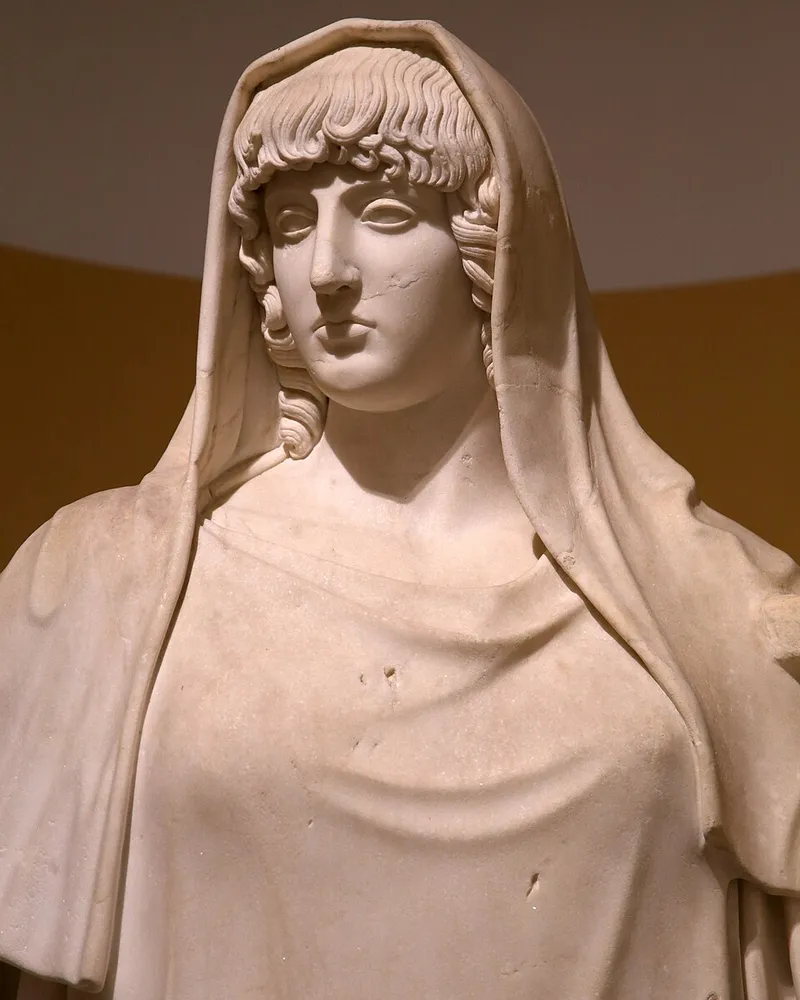
72 passages · 36 to Estia · 36 to Artemis · Homeric-Ionic hymnic cola · Ancient Greek, transliteration, English, in 3 columns
How the Psalm Is Used
This Psalm belongs to Imbolc: The Feast of Fire and is sung within its Rite at the points the festival page marks. It may also be read on its own on the day, before the altar or under the sky, as a complete prayer. Within the Temple's practice a ritual is a direct theurgical act; the Psalm gathers the mind and turns it toward the Gods, and gives the Rite its voice.
Each passage stands in 3 columns, read down the page: the Ancient Greek, the transliteration and the English. The Ancient Greek is the text itself. The transliteration carries the sound, in the Modern Greek liturgical reading used throughout the Temple's rituals and its Ancient Hymn Library: ee as in see, oo as in moon, th as in thin, kh as in loch, v for beta, f for phi, every consonant sounded.
The English carries the sense. A Zevist who doesn't yet read Greek sings the English and speaks the Greek of the first and last line of each movement; a Zevist who does, sings the Greek and lets the English stand beside it.
In a gathering the Chorus carries the Greek and the assembly answers the last line of every passage in English. Alone, read it through without hurry; 72 passages take about 40 minutes spoken, and the Rite allows for it. The Psalm is composed in the hymnic register of the Homeric and Orphic Hymns, in epithets, vocatives and the formulas of κλῦθι and χαῖρε, and it draws its lines from the ancient sources named at the end of the page.
Where a line is quoted from antiquity, it's quoted exactly; where the Temple composes, it composes in the same tongue.
The Key of the Psalm
| Movement | Greek title | English title | To | Passages | Isopsephy of the title |
|---|---|---|---|---|---|
| I | Τὸ Πῦρ τὸ Πρῶτον | The First Fire | Estia | 1 to 12 | 2720 |
| II | Ἡ Ἑστία τοῦ Κόσμου | The Hearth of the Cosmos | Estia | 13 to 24 | 2094 |
| III | Ἡ Κάθαρσις | The Purification | Estia | 25 to 36 | 549 |
| IV | Ἡ Φωσφόρος | The Light-Bearer | Artemis | 37 to 48 | 2448 |
| V | Ἡ Ἁγνή | The Pure One | Artemis | 49 to 60 | 70 |
| VI | Ἡ Τοξότις τοῦ Ἔαρος | The Archer of the Spring | Artemis | 61 to 72 | 2164 |
The Psalm holds 72 passages in 6 movements of 12 (36 to Estia; 36 to Artemis). 72 is the number of the fifths of the circle: 72 × 5° = 360°, the wheel of the year drawn whole; 72 years are 1 degree of the precession of the equinoxes, 1 day of the Great Year. 12 is the number of the months and of the Olympians. The isopsephy of the Names in the Greek is counted, not guessed: ΕΣΤΙΑ = 516, ΑΡΤΕΜΙΣ = 656.
The titles of the movements carry their own numbers in the table. The Psalm speaks in 2 voices at once: the plain voice of praise, which anyone may sing, and a veiled voice that names the stations of the inner rite in the order in which they're passed. The second voice isn't explained on this page. Those who have passed the stations will read it without help; those who haven't, lose nothing by singing the first.
I · The First Fire · Τὸ Πῦρ τὸ Πρῶτον (Estia)
| № | Ancient Greek | Transliteration | English |
|---|---|---|---|
| 1 | Ἑστία, Κρόνου πρωτόγονε θύγατερ καὶ Ῥέας, ᾗ τὸ πρῶτον σπονδῆς καὶ τὸ ὕστατον ὀφείλεται· ἀπὸ σοῦ ἀρχόμεθα, ὡς πάντες οἱ θεοὶ ἤρξαντο. | Estia, Kronoo protogone theegater kai Reas, ee to proton spondees kai to eestaton ofeiletai· apo soo arkhometha, os pantes oi theoi eerxanto. | Estia, first-born of Kronos and of Rhea, to whom the first offering belongs and the last; we begin with you, as all the Gods began. |
| 2 | Οὐ γὰρ ἄτερ σοῦ εἰλαπίναι θνητοῖσιν, ἵν' οὐ πρώτῃ πυμάτῃ τε Ἑστίῃ οἶνον μελιηδέα σπένδουσιν· οὕτως ὁ Ὁμηρικὸς ἀοιδὸς ᾖσε, καὶ ὁ Ναὸς τὴν τάξιν φυλάσσει. | Oo gar ater soo eilapinai thneetoisin, in' oo protee peematee te Estiee oinon melieedea spendoosin· ootos o Omeerikos aoidos eese, kai o Naos teen taxin feelassei. | Without you mortals hold no feast, where one doesn't pour the honey-sweet wine to Estia first and last; so the Homeric singer sang, and the Temple keeps the order. |
| 3 | Σὺ τὴν ἑστίαν εἵλου καὶ τὸν γάμον ἀπηρνήσω, Ζεὺς δέ σοι ἔδωκε μέσῳ οἴκῳ καθῆσθαι, πῖαρ ἑλούσῃ, τιμωμένῃ ἐν πᾶσι ναοῖσι θεῶν. | See teen estian eiloo kai ton gamon apeerneeso, Zevs de soi edoke meso oiko katheesthai, piar eloosee, timomenee en pasi naoisi theon. | You chose the hearth and refused the marriage, and Zeus gave you to sit in the midst of the house, receiving the fat of the feast, honoured in every temple of the Gods. |
| 4 | Ἑστία οἴκου, ἑστία πόλεως, ἑστία ναοῦ· τρία πυρὰ καὶ ἓν πῦρ, καὶ τὰ τρία σύ· ὅπου τὸ πῦρ σου καίεται, ἐκεῖ ὁ οἶκος. | Estia oikoo, estia poleos, estia naoo· tria peera kai en peer, kai ta tria see· opoo to peer soo kaietai, ekei o oikos. | Hearth of the house, hearth of the city, hearth of the temple: 3 fires and 1 fire, and all 3 are you; where your fire burns, that place is home. |
| 5 | Ἐν τῷ Πρυτανείῳ πάσης πόλεως ἡ φλόξ σου οὐκ ἐκοιμᾶτο, οἱ δὲ ἄποικοι πῦρ ἐκ τῆς μητρὸς ἑστίας διὰ θαλάσσης ἔφερον· οὕτως ἡ νέα πόλις ἐκ τῆς παλαιᾶς ἐγεννᾶτο, ὡς θυγάτηρ ἐκ μητρός. | En to Preetaneio pasees poleos ee flox soo ook ekoimato, oi de apoikoi peer ek tees meetros estias dia thalassees eferon· ootos ee nea polis ek tees palaias egennato, os theegateer ek meetros. | In the Prytaneion of every city your flame never slept, and the colonists carried fire from the mother-hearth across the sea; so the new city was born of the old, as a daughter of a mother. |
| 6 | Οὐέστα ἐν Ῥώμῃ, ἡ ζῶσα φλόξ, ὁ ναὸς ὁ στρογγύλος, ὃν αἱ παρθένοι τῷ πνεύματι καὶ τῷ βίῳ ἐφύλασσον· ἕως τὸ πῦρ ἐκαίετο, ἡ πόλις ἵστατο. | Ooesta en Romee, ee zosa flox, o naos o strongeelos, on ai parthenoi to pnevmati kai to vio efeelasson· eos to peer ekaieto, ee polis istato. | Vesta in Rome, the living flame, the round temple, which the virgins guarded with their breath and with their lives; as long as the fire burned, the city stood. |
| 7 | Βριγὶς ἐν Κιλδάρῃ, τὸ πῦρ τῶν ἐννεακαίδεκα νυκτῶν, τῇ δὲ εἰκοστῇ αὐτὴ σὺ αὐτὸ ἔτρεφες ἀόρατος· τρία ἔθνη, τρία ὀνόματα, μία θεά, ἓν πῦρ ἄσβεστον. | Vrigis en Kildaree, to peer ton enneakaideka neekton, tee de eikostee aftee see afto etrefes aoratos· tria ethnee, tria onomata, mia thea, en peer asveston. | Brigid at Kildare, the fire of the 19 nights, and on the 20th you tended it yourself, unseen; 3 peoples, 3 names, 1 Goddess, 1 fire that never went out. |
| 8 | Νόει τὸ πῦρ· οὕτως ὁ Πατὴρ τοῖς ἱερεῦσι τῆς ἑορτῆς ταύτης εἶπεν· ἡ ἑορτὴ τοῦ Φεβρουαρίου ἑορτὴ τοῦ πυρός, καὶ τὸ πῦρ ἀρχὴ πάσης γενέσεως. | Noei to peer· ootos o Pateer tois ierefsi tees eortees taftees eipen· ee eortee too Fevrooarioo eortee too peeros, kai to peer arkhee pasees geneseos. | Think fire: so the Father said to the priests of this feast; the feast of February is the feast of fire, and the fire is the beginning of every creation. |
| 9 | Μέσον τῶν τροπῶν τοῦ Ἡλίου καὶ τῆς ἰσημερίας ὁ Ἥλιος ἵσταται ἐν τῇ πεντεκαιδεκάτῃ μοίρᾳ τοῦ Ὑδροχόου, καὶ ἡ πρώτη θέρμη κινεῖται ὑπὸ τὴν παγερὰν γῆν. | Meson ton tropon too Eelioo kai tees iseemerias o Eelios istatai en tee pentekaidekatee moira too Eedrokhooo, kai ee protee thermee kineitai eepo teen pageran geen. | Midway between the turning of the Sun and the equal day the Sun stands at the 15th degree of the Water-Bearer, and the first warmth stirs under the frozen ground. |
| 10 | Ἐν γαστρὶ γαίης ὁ ἀμνός, ἐν γαστρὶ τῆς οἰὸς τὸ γάλα, ἐν γαστρὶ τοῦ ἔτους τὸ ἔαρ, ἐν γαστρὶ τῆς ψυχῆς ἡ φλόξ· Ἴμβολκ τὸ ὄνομα τοῦ κρυπτοῦ καὶ τοῦ μέλλοντος γεννᾶσθαι. | En gastri gaiees o amnos, en gastri tees oios to gala, en gastri too etoos to ear, en gastri tees pseekhees ee flox· Imvolk to onoma too kreeptoo kai too mellontos gennasthai. | In the belly of the earth the lamb, in the belly of the ewe the milk, in the belly of the year the spring, in the belly of the soul the flame; Imbolc is the name of what is hidden and about to be born. |
| 11 | Χαῖρε, Ἑστία, ἡ τὸ μέσον οὖσα καὶ οὐδέποτε ἡ κορυφή, ἡ τὸ μέσον ἑλομένη καὶ οὕτως ἀναγκαιοτάτη πάντων γενομένη· ἄνευ ἑστίας οὐκ οἶκος, ἄνευ οἴκου οὐ δῆμος, ἄνευ δήμου οὐ Ναός. | Khaire, Estia, ee to meson oosa kai oodepote ee koreefee, ee to meson elomenee kai ootos anankaiotatee panton genomenee· anef estias ook oikos, anef oikoo oo deemos, anef deemoo oo Naos. | Hail, Estia, who are the centre and never the summit, who chose the middle and so became the most needed of all; without the hearth there is no family, without the family no people, without the people no Temple. |
| 12 | Δέξαι τὴν πρώτην σπονδὴν τῆς νυκτὸς τοῦ πυρός, καὶ δέξαι τὴν ὑστάτην, ὅτε οἱ λύχνοι κατακαυθῶσι· μεταξὺ τῶν δύο ἡ ὅλη ἑορτή, καὶ σή ἐστιν. | Dexai teen proteen spondeen tees neektos too peeros, kai dexai teen eestateen, ote oi leekhnoi katakafthosi· metaxee ton deeo ee olee eortee, kai see estin. | Receive the first libation of the night of fire, and receive the last, when the candles have burned down; between the 2 stands the whole feast, and it is yours. |
II · The Hearth of the Cosmos · Ἡ Ἑστία τοῦ Κόσμου (Estia)
| № | Ancient Greek | Transliteration | English |
|---|---|---|---|
| 13 | Οἱ Πυθαγόρειοι ἔλεγον· ἐν μέσῳ τοῦ παντὸς πῦρ καίεται, καὶ ἐκάλουν αὐτὸ Ἑστίαν τοῦ παντός, Διὸς φυλακήν· περὶ αὐτὸ ἡ Γῆ καὶ οἱ ἀστέρες χορεύουσιν ὡς οἶκος περὶ ἑστίαν. | Oi Peethagoreioi elegon· en meso too pantos peer kaietai, kai ekaloon afto Estian too pantos, Dios feelakeen· peri afto ee Gee kai oi asteres khorevoosin os oikos peri estian. | The Pythagoreans said: at the centre of the All burns a fire, and they called it the Hearth of the universe, the Watch-tower of Zeus; around it the Earth and the stars dance as a family around the hearth. |
| 14 | Τὸ πῦρ τοῦ οἴκου εἰκὼν τοῦ πυρὸς τοῦ κόσμου, τὸ πῦρ τοῦ ναοῦ εἰκὼν τοῦ πυρὸς τῶν θεῶν· πάντα τὰ πυρὰ ἓν πῦρ, καὶ τὸ πῦρ ἐκεῖνο σύ. | To peer too oikoo eikon too peeros too kosmoo, to peer too naoo eikon too peeros ton theon· panta ta peera en peer, kai to peer ekeino see. | The fire of the home is the image of the fire of the cosmos, the fire of the temple is the image of the fire of the Gods; all fires are 1 fire, and that fire is you. |
| 15 | Ὀβίδιος εἶπε· μηδὲν ἄλλο νόει τὴν Οὐέσταν ἢ ζῶσαν φλόγα, σώματα δὲ ἐκ φλογὸς γεννώμενα οὐχ ὁρᾷς· διὸ εἰκόνα οὐκ ἔχεις, ὅτι αὐτὸ τὸ πρᾶγμα εἶ. | Ovidios eipe· meeden allo noei teen Ooestan ee zosan floga, somata de ek flogos gennomena ookh oras· dio eikona ook ekheis, oti afto to pragma ei. | Ovid said: understand Vesta as nothing other than living flame, and you see no bodies born of flame; so you have no image, because you are the thing itself. |
| 16 | Ταῖς Καλάνδαις τοῦ Μαρτίου οἱ Ῥωμαῖοι τὸ πῦρ τῆς Οὐέστας ἀνενέουν, νέα φλόξ, νέα δάφνη ἐπὶ τῆς ἑστίας, τὸ παλαιὸν ἔτος κατακαυθέν· ἡμεῖς δὲ τὸ ἡμέτερον ἐν τῇ νυκτὶ τῆς Ἑορτῆς τοῦ Πυρός. | Tais Kalandais too Martioo oi Romaioi to peer tees Ooestas aneneoon, nea flox, nea dafnee epi tees estias, to palaion etos katakafthen· eemeis de to eemeteron en tee neekti tees Eortees too Peeros. | On the Kalends of March the Romans renewed the fire of Vesta, a new flame, new laurel on the hearth, the old year burned away; we renew ours on the night of the Feast of Fire. |
| 17 | Σβέσον πᾶν πῦρ ἐν τῷ οἴκῳ, πάντα λύχνον, πᾶσαν φλόγα, καὶ στῆθι μίαν στιγμὴν ἐν τῷ σκότει, ἵνα τὸ σκότος γνωσθῇ· εἶτα ἄναψον τὸ νέον πῦρ ἐκ πυρίτου ἢ ἐξ Ἡλίου, καὶ ἐξ αὐτοῦ πάντα λύχνον. | Sveson pan peer en to oiko, panta leekhnon, pasan floga, kai steethi mian stigmeen en to skotei, ina to skotos gnosthee· eita anapson to neon peer ek peeritoo ee ex Eelioo, kai ex aftoo panta leekhnon. | Put out every fire in the house, every lamp, every flame, and stand 1 moment in the dark, that the dark may be known; then kindle the new fire from flint or from the Sun, and from it every lamp. |
| 18 | Τὸ νέον πῦρ τὸ παλαιὸν πῦρ· ἡ φλὸξ οὐ γηράσκει· γηράσκει τὸ ξύλον, θνῄσκει ἡ τέφρα· οὕτως ἡ ψυχή· τὸ σῶμα τὸ ξύλον, σὺ δὲ ἡ φλόξ. | To neon peer to palaion peer· ee flox oo geeraskei· geeraskei to xeelon, thneeskei ee tefra· ootos ee pseekhee· to soma to xeelon, see de ee flox. | The new fire is the old fire; the flame doesn't age; what ages is the wood, what dies is the ash; so the soul: the body is the wood, and you are the flame. |
| 19 | Ὀφθαλμὲ τῶν θεῶν, ἐκ πυρὸς πεποιημένε, πάντα ὁρῶν, ὃς τοὺς πιστοὺς θερμαίνεις καὶ τὸ ψεῦδος καίεις· τὸ αὐτὸ πῦρ, ἡ δὲ διαφορὰ ἡ κατεύθυνσις τοῦ βλέμματος. | Ofthalme ton theon, ek peeros pepoieemene, panta oron, os toos pistoos thermaineis kai to psevdos kaieis· to afto peer, ee de diafora ee kateftheensis too vlemmatos. | Eye of the Gods, made of fire, that sees all things, that warms the faithful and burns the lie; the same fire, and the difference is the direction of the gaze. |
| 20 | Τρία πυρὰ ἐν ἑνί, Βριγίς· τὸ πῦρ τῆς καμίνου, τὸ πῦρ τοῦ ᾄσματος, τὸ πῦρ τῆς ἰωμένης χειρός· μόρφου ἡμᾶς, ἔμπνει ἡμᾶς, ἴασαι ἡμᾶς, ἐν μιᾷ φλογί. | Tria peera en eni, Vrigis· to peer tees kaminoo, to peer too asmatos, to peer tees iomenees kheiros· morfoo eemas, empnei eemas, iasai eemas, en mia flogi. | 3 fires in 1, Brigid: the fire of the forge, the fire of the song, the fire of the healing hand; shape us, inspire us, heal us, in 1 flame. |
| 21 | Γενέσθω πᾶς μύστης ἑστία, κέντρον ζῶν, περὶ ὃ θέρμη καὶ ἀλήθεια συνάγονται· γενέσθω ὁ Ναὸς ἡ ἑστία τοῦ κόσμου. | Genestho pas meestees estia, kentron zon, peri o thermee kai aleetheia seenagontai· genestho o Naos ee estia too kosmoo. | Let every initiate become a hearth, a living centre around which warmth and truth gather; let the Temple be the hearth of the world. |
| 22 | Πλακοῦντες στρογγύλοι ἐπὶ τῆς τραπέζης, χρύσεοι ὡς ὁ Ἥλιος ὁ ἐπανερχόμενος, γάλα τῶν πρώτων ἀμνῶν, μέλι τοῦ τεθησαυρισμένου θέρους· ἡ τροφὴ τῆς νυκτὸς ταύτης τροφὴ φωτός. | Plakoontes strongeeloi epi tees trapezees, khreeseoi os o Eelios o epanerkhomenos, gala ton proton amnon, meli too tetheesavrismenoo theroos· ee trofee tees neektos taftees trofee fotos. | Round cakes on the table, golden as the Sun that returns, milk of the first lambs, honey of the stored summer; the food of this night is the food of light. |
| 23 | Βλέψον εἰς τὸ πῦρ καὶ ἴδε· ἡ φλὸξ λέγει τὸ μέλλον, τὸ ὕψος αὐτῆς, τὸ χρῶμα, ὅπου κλίνει, τὰ σχήματα ἃ ποιεῖ· οἱ ἀρχαῖοι τὸ πῦρ ἀνεγίγνωσκον, καὶ ὁ Ζευϊστὴς ἔτι ἀναγιγνώσκει. | Vlepson eis to peer kai ide· ee flox legei to mellon, to eepsos aftees, to khroma, opoo klinei, ta skheemata a poiei· oi arkhaioi to peer anegignoskon, kai o Zevistees eti anagignoskei. | Look into the fire and see: the flame tells what is to come, its height, its colour, the way it leans, the shapes it makes; the ancients read the fire, and the Zevist reads it still. |
| 24 | Χαῖρε, Ἑστία τοῦ κόσμου, πῦρ ἐν μέσῳ πάντων· φύλασσε τὴν ἑστίαν παντὸς Ζευϊστοῦ ὅλην, θερμήν, εἰρηνικήν, καὶ φύλασσε τὸ πῦρ τοῦ Ναοῦ καιόμενον μακρότερον ἢ ἡ Ῥώμη. | Khaire, Estia too kosmoo, peer en meso panton· feelasse teen estian pantos Zevistoo oleen, thermeen, eireenikeen, kai feelasse to peer too Naoo kaiomenon makroteron ee ee Romee. | Hail, Estia of the cosmos, fire at the centre of all; keep the hearth of every Zevist whole, warm and at peace, and keep the fire of the Temple burning longer than Rome. |
III · The Purification · Ἡ Κάθαρσις (Estia)
| № | Ancient Greek | Transliteration | English |
|---|---|---|---|
| 25 | Ὁ Φεβρουάριος μὴν καθάρσεως· οἱ Ῥωμαῖοι ἀπὸ τῶν φεβρούων ὠνόμασαν, τῶν ὀργάνων οἷς πρᾶγμα καθαρὸν γίγνεται· ὁ ὅλος μὴν λουτρόν, ἡ δὲ νὺξ αὕτη τὸ πρῶτον ὕδωρ αὐτοῦ. | O Fevrooarios meen katharseos· oi Romaioi apo ton fevrooon onomasan, ton organon ois pragma katharon gignetai· o olos meen lootron, ee de neex aftee to proton eedor aftoo. | February is the month of purification; the Romans named it from the februa, the instruments by which a thing is made clean; the whole month is a washing, and this night is its first water. |
| 26 | Κάθαρον τὸν οἶκον πρὶν τὸ πῦρ ἀναφθῆναι, σάρωσον τὰς γωνίας ὅπου ὁ χειμὼν τὸν κονιορτὸν αὐτοῦ συνήγαγε· ὁ οἶκος τὸ σῶμα τοῦ γένους, καὶ λούεται τῇ νυκτὶ ταύτῃ. | Katharon ton oikon prin to peer anaftheenai, saroson tas gonias opoo o kheimon ton koniorton aftoo seeneegage· o oikos to soma too genoos, kai looetai tee neekti taftee. | Clean the house before the fire is kindled, sweep the corners where the winter gathered its dust; the house is the body of the family, and it bathes tonight. |
| 27 | Κάθαρον τὸ σῶμα· ὕδωρ πρῶτον, εἶτα πῦρ· δίελθε τὰς χεῖρας διὰ τοῦ καπνοῦ τῆς δάφνης, ὡς οἱ ἀρχαῖοι διὰ τοῦ καπνοῦ διῆλθον· ὃ τὸ ὕδωρ οὐ λαμβάνει, τὸ πῦρ λαμβάνει. | Katharon to soma· eedor proton, eita peer· dielthe tas kheiras dia too kapnoo tees dafnees, os oi arkhaioi dia too kapnoo dieelthon· o to eedor oo lamvanei, to peer lamvanei. | Clean the body: water first, then fire; pass the hands through the smoke of the laurel, as the ancients passed through the smoke; what the water doesn't take, the fire takes. |
| 28 | Κάθαρον τὴν ψυχήν· ὀνόμασον ὃ διὰ τοῦ χειμῶνος ἔφερες, τὴν ἕξιν τὴν ἕωλον, τὸν φόβον τὸν θερμὸν φυλαχθέντα, τὴν ἔννοιαν τὴν οὐδαμοῦ ἐλθοῦσαν· γράψον, ἀνάγνωθι, καὶ δὸς τῇ φλογὶ τῆς Ἑστίας. | Katharon teen pseekheen· onomason o dia too kheimonos eferes, teen exin teen eolon, ton fovon ton thermon feelakhthenta, teen ennoian teen oodamoo elthoosan· grapson, anagnothi, kai dos tee flogi tees Estias. | Clean the soul: name what you carried through the winter, the stale habit, the fear kept warm, the thought that went nowhere; write it, read it, and give it to Estia's flame. |
| 29 | Εἶτα γράψον τὸν ἕτερον χάρτην· τί οἱ ἓξ μῆνες ἕξουσιν, ἀπὸ τοῦ πυρὸς τούτου ἕως τοῦ πυρὸς τοῦ πρώτου θερισμοῦ· ἐν τῇ ἑορτῇ τοῦ ἄρτου πάλιν ἀναγνώσῃ καὶ ζυγοστατήσεις ὃ ἔπραξας. | Eita grapson ton eteron kharteen· ti oi ex meenes exoosin, apo too peeros tootoo eos too peeros too protoo therismoo· en tee eortee too artoo palin anagnosee kai zeegostateeseis o epraxas. | Then write the other paper: what the 6 months are to hold, from this fire to the fire of the first harvest; at Lammas you will read it again and weigh what you did. |
| 30 | Ἄναψον τοὺς λύχνους κατὰ πάντα τὸν οἶκον, ἕνα ἐν παντὶ δωματίῳ, καὶ ἕνα ἐν τῇ θυρίδι, ἵνα ὁ Ἥλιος ὁ ἐπανερχόμενος τὰ ἑαυτοῦ ἴδῃ· οἱ Χριστιανοὶ τὴν νύκτα ταύτην τῶν λύχνων ἑορτὴν ἐκάλεσαν, καὶ τοὺς λύχνους ἡμῶν ἐφύλαξαν. | Anapson toos leekhnoos kata panta ton oikon, ena en panti domatio, kai ena en tee theeridi, ina o Eelios o epanerkhomenos ta eaftoo idee· oi Khristianoi teen neekta tafteen ton leekhnon eorteen ekalesan, kai toos leekhnoos eemon efeelaxan. | Light the candles throughout the house, 1 in every room, and 1 in the window, that the returning Sun may see its own; the Christians called this night Candlemas, and kept our candles. |
| 31 | Αὕτη ἡ νὺξ τῆς ἀφιερώσεως τῶν ψυχῶν· ὅστις διὰ τοῦ χειμῶνος ἐβουλεύσατο ἑαυτὸν τῷ Διὶ δοῦναι, δίδωσιν ἑαυτὸν τῇ νυκτὶ ταύτῃ, παρὰ τὸ πῦρ, πρὸ τῆς Ἑστίας, ἐν τῇ ὥρᾳ τῶν ἀρχῶν. | Aftee ee neex tees afieroseos ton pseekhon· ostis dia too kheimonos evoolefsato eafton to Dii doonai, didosin eafton tee neekti taftee, para to peer, pro tees Estias, en tee ora ton arkhon. | This is the night of the dedication of souls: whoever has resolved through the winter to give himself to Zeus gives himself tonight, by the fire, before Estia, in the hour of beginnings. |
| 32 | Ἐν Ἄγραις παρὰ τὸν Ἰλισσὸν τὰ Μικρὰ Μυστήρια ἐν τῷ μηνὶ τούτῳ ἐτελεῖτο, ἡ κάθαρσις πρὸ τῶν Μεγάλων, τὸ λουτρὸν πρὸ τῆς ἐποπτείας· οὐδεὶς εἰς Ἐλευσῖνα ἦλθεν ὃς μὴ πρῶτον ἐν Ἄγραις ἔστη. | En Agrais para ton Ilisson ta Mikra Meesteeria en to meeni tooto eteleito, ee katharsis pro ton Megalon, to lootron pro tees epopteias· oodeis eis Elefsina eelthen os mee proton en Agrais estee. | At Agrai by the Ilissos the Lesser Mysteries were held in this month, the purification before the Greater, the washing before the seeing; no one went to Eleusis who hadn't first stood at Agrai. |
| 33 | Οὕτως ἡ Ἑορτὴ τοῦ Πυρὸς τὸ Μικρὸν Μυστήριον τοῦ Ζευϊστικοῦ ἔτους· ὃ ἐνθάδε καθαίρεται, ἐκεῖ δείκνυται, ἐν τῇ ἰσημερίᾳ τοῦ φθινοπώρου· τὸ πῦρ τοῦ Φεβρουαρίου τὸν ὀφθαλμὸν ἑτοιμάζει πρὸς τὸ φῶς τοῦ Σεπτεμβρίου. | Ootos ee Eortee too Peeros to Mikron Meesteerion too Zevistikoo etoos· o enthade kathairetai, ekei deikneetai, en tee iseemeria too fthinoporoo· to peer too Fevrooarioo ton ofthalmon etoimazei pros to fos too Septemvrioo. | So the Feast of Fire is the Lesser Mystery of the Zevist year: what is cleaned here is shown there, at the equinox of autumn; the fire of February prepares the eye for the light of September. |
| 34 | Χόρευε περὶ τὸ πῦρ ἕως τῆς ἠοῦς, ὡς οἱ ἀρχαῖοι ἐχόρευον, καὶ ὁ ὄφις ὁ πύρινος ἐν τῇ ῥίζῃ τῆς ῥάχεως τὴν θέρμην τῆς ἑστίας αἰσθανέσθω· τὸ πῦρ τὸ ἔξω καλεῖ τὸ πῦρ τὸ ἔσω, καὶ τὸ πῦρ τὸ ἔσω ἀποκρίνεται. | Khoreve peri to peer eos tees eeoos, os oi arkhaioi ekhorevon, kai o ofis o peerinos en tee rizee tees rakheos teen thermeen tees estias aisthanestho· to peer to exo kalei to peer to eso, kai to peer to eso apokrinetai. | Dance around the fire until the dawn, as the ancients danced, and let the fire-serpent at the base of the spine feel the heat of the hearth; the fire outside calls to the fire within, and the fire within answers. |
| 35 | Μακάριος ὁ οἶκος οὗ τὸ πῦρ ἐσβέσθη τῇ νυκτὶ ταύτῃ καὶ πάλιν ἀνήφθη, μακάριον τὸ σῶμα τὸ λουσάμενον, μακάριος ὁ χάρτης ὁ καυθείς, μακαρία ἡ ψυχὴ ἡ ἀρχομένη, ὅτι ἡ Ἑστία θεὰ τῶν ἀρχῶν. | Makarios o oikos oo to peer esvesthee tee neekti taftee kai palin aneefthee, makarion to soma to loosamenon, makarios o khartees o kaftheis, makaria ee pseekhee ee arkhomenee, oti ee Estia thea ton arkhon. | Blessed is the house whose fire was put out tonight and lit again, blessed the body washed, blessed the paper burned, blessed the soul that begins, for Estia is the Goddess of beginnings. |
| 36 | Χαῖρε, Ἑστία, καὶ παράδος τὸ πῦρ τῇ ἀδελφῇ σου τῇ τῶν δᾴδων· ἡ ἑστία ἀνήφθη· νῦν ἐξελθέτω τὸ φῶς εἰς τὴν νύκτα· Ἄρτεμι Φωσφόρε, τὸ ἥμισυ τὸ δεύτερον τῆς ἑορτῆς σόν. | Khaire, Estia, kai parados to peer tee adelfee soo tee ton dadon· ee estia aneefthee· neen exeltheto to fos eis teen neekta· Artemi Fosfore, to eemisee to defteron tees eortees son. | Hail, Estia, and pass the fire to your sister of the torches; the hearth has been kindled; now let the light go out into the night; Artemis, Light-Bearer, the second half of the feast is yours. |
IV · The Light-Bearer · Ἡ Φωσφόρος (Artemis)
| № | Ancient Greek | Transliteration | English |
|---|---|---|---|
| 37 | Κλῦθι, Ἄρτεμι, Διὸς καὶ Λητοῦς θύγατερ, Ἀπόλλωνος δίδυμε, Φωσφόρε, Σελασφόρε, Σελήνης δέσποινα· ὅτε ὁ Ἥλιος τὸν οὐρανὸν παραδίδωσιν, ὁ οὐρανὸς σός. | Kleethi, Artemi, Dios kai Leetoos theegater, Apollonos dideeme, Fosfore, Selasfore, Seleenees despoina· ote o Eelios ton ooranon paradidosin, o ooranos sos. | Hear, Artemis, daughter of Zeus and of Leto, twin of Apollo, Light-Bearer, Torch-Bearer, Lady of the Moon; when the Sun yields the sky, the sky is yours. |
| 38 | Ὁ ἄργυρός σου οὐκ ἐλάσσων τοῦ χρυσοῦ, ἡ νύξ σου οὐκ ἐλάσσων τῆς ἡμέρας· σὺ τὸ ἕτερον ἥμισυ τοῦ οὐρανοῦ, καὶ ἄνευ σοῦ ὁ οὐρανὸς ἀτελής. | O argeeros soo ook elasson too khreesoo, ee neex soo ook elasson tees eemeras· see to eteron eemisee too ooranoo, kai anef soo o ooranos atelees. | Your silver isn't less than gold, your night isn't less than day; you are the other half of the sky, and without you the heavens are incomplete. |
| 39 | Ἐν Μουνιχίᾳ οἱ Ἀθηναῖοι σοὶ πλακοῦντας δᾳδίοις ἐστεφανωμένους ἔφερον, τοὺς ἀμφιφῶντας, ἀμφοτέρωθεν λάμποντας, ὡς ἡ σελήνη πλήρης λάμπει· τῇ νυκτὶ ταύτῃ ὁ πλακοῦς ὁ στρογγύλος σὺν τῷ λύχνῳ ἡ αὐτὴ προσφορά. | En Moonikhia oi Atheenaioi soi plakoontas dadiois estefanomenoos eferon, toos amfifontas, amfoterothen lampontas, os ee seleenee pleerees lampei· tee neekti taftee o plakoos o strongeelos seen to leekhno ee aftee prosfora. | At Mounichia the Athenians brought you cakes ringed with little torches, the amphiphontes, shining on both sides, as the moon shines full; tonight the round cake with its candle is the same offering. |
| 40 | Δᾷδα ἐν ἑκατέρᾳ χειρί, τρέχεις τὸ ὄρος ἐν τῷ σκότει, καὶ τὰ θηρία τὸ φῶς γινώσκει καὶ τὰς κεφαλὰς κλίνει· ἡ δᾲς τῆς Ἀρτέμιδος δᾲς τοῦ μὴ φοβουμένου. | Dada en ekatera kheiri, trekheis to oros en to skotei, kai ta theeria to fos ginoskei kai tas kefalas klinei· ee das tees Artemidos das too mee fovoomenoo. | Torch in each hand, you run the mountain in the dark, and the beasts know the light and lower their heads; the torch of Artemis is the torch of the one who isn't afraid. |
| 41 | Ἐν Θρᾴκῃ Βενδῖν σε ἐκάλουν, καὶ ἡ λαμπαδηδρομία ἀφ' ἵππων σή, ἣν Σωκράτης εἰς Πειραιᾶ κατέβη ὀψόμενος· οἱ ἱππεῖς τὰς λαμπάδας ἐκ χειρὸς εἰς χεῖρα παρεδίδοσαν, καὶ τὸ φῶς οὐκ ἔπεσεν. | En Thrakee Vendin se ekaloon, kai ee lampadeedromia af' ippon see, een Sokratees eis Peiraia katevee opsomenos· oi ippeis tas lampadas ek kheiros eis kheira paredidosan, kai to fos ook epesen. | In Thrace they called you Bendis, and the torch-race on horseback was yours, which Socrates went down to the Piraeus to see; the riders passed the torches hand to hand, and the light never fell. |
| 42 | Οὕτως οἱ Ζευϊσταὶ τὴν φλόγα τῆς ἑορτῆς ταύτης ἐκ χειρὸς εἰς χεῖρα παραδιδόασιν, ἀπὸ τῆς ἑστίας τῆς Ἑστίας εἰς τὴν δᾷδα τῆς Ἀρτέμιδος, ἀπὸ τοῦ οἴκου εἰς τὴν νύκτα, ἀπὸ τῆς νυκτὸς εἰς τὸ ἔαρ. | Ootos oi Zevistai teen floga tees eortees taftees ek kheiros eis kheira paradidoasin, apo tees estias tees Estias eis teen dada tees Artemidos, apo too oikoo eis teen neekta, apo tees neektos eis to ear. | So the Zevists pass the flame of this feast hand to hand, from the hearth of Estia to the torch of Artemis, from the house to the night, from the night to the spring. |
| 43 | Φωσφόρος ὁ ἀστὴρ ὁ ἑωθινός, καὶ ὄνομά σου ἐστίν· βαδίζεις πρὸ τῆς ἠοῦς ὡς ὁ ἀστὴρ πρὸ τοῦ Ἡλίου βαδίζει· ὁ Φεβρουάριος μήν σου, ὅτι ἡ ἠὼς τοῦ ἔτους ἐν αὐτῷ. | Fosforos o asteer o eothinos, kai onoma soo estin· vadizeis pro tees eeoos os o asteer pro too Eelioo vadizei· o Fevrooarios meen soo, oti ee eeos too etoos en afto. | Phosphoros is the Morning Star, and it is also your name; you walk before the dawn as the Star walks before the Sun; February is your month, because the dawn of the year is in it. |
| 44 | Φῶς τὸ διαπερῶν, φῶς τὸ ἀποκαλύπτον ὃ τὸ τοῦ Ἡλίου φῶς οὐ δύναται, φῶς τῆς ὕλης ἐν μέσῃ νυκτί, φῶς τῆς ἐσωτέρας ὄψεως· δὸς τοῖς μύσταις τὸν ὀφθαλμὸν τὸν διὰ τοῦ προσωπείου ὁρῶντα. | Fos to diaperon, fos to apokaleepton o to too Eelioo fos oo deenatai, fos tees eelees en mesee neekti, fos tees esoteras opseos· dos tois meestais ton ofthalmon ton dia too prosopeioo oronta. | Light that pierces, light that reveals what sunlight can't, light of the forest at midnight, light of the inner sight; grant the initiates the eye that sees through the mask. |
| 45 | Διάνα ἐν Νέμει, ὅπου ἡ λίμνη τὸ πρόσωπόν σου εἶχε, Δεβάνα τῶν Σκλαβικῶν ὑλῶν, Ἀρδουίννα ἡ τὸν κάπρον ἱππεύουσα, Ἀνὰτ ἡ πολεμικὴ παρθένος τῆς Χαναάν· πάντα ταῦτα πρόσωπά σου, καὶ τὰ ἔθνη σὲ ἔγνω. | Diana en Nemei, opoo ee limnee to prosopon soo eikhe, Devana ton Sklavikon eelon, Ardooinna ee ton kapron ippevoosa, Anat ee polemikee parthenos tees Khanaan· panta tafta prosopa soo, kai ta ethnee se egno. | Diana at Nemi, where the lake held your face, Devana of the Slavic forests, Arduinna who rode the boar, Anat the warrior-maiden of Canaan: all these are your faces, and the peoples knew you. |
| 46 | Ἄλλαξον τὸ ὄνομα κατὰ τὴν γλῶσσαν, καὶ μηδὲν τῆς θεᾶς ἄλλαξον· τὸ τόξον τὸ αὐτὸ τόξον, ἡ δᾲς ἡ αὐτὴ δᾴς, ὁ ἄργυρος ὁ αὐτὸς ἄργυρος ἐπὶ παντὸς ὄρους τῆς γῆς. | Allaxon to onoma kata teen glossan, kai meeden tees theas allaxon· to toxon to afto toxon, ee das ee aftee das, o argeeros o aftos argeeros epi pantos oroos tees gees. | Change the name by the tongue, and change nothing of the Goddess; the bow is the same bow, the torch the same torch, the silver the same silver on every mountain of the earth. |
| 47 | Κυνθία ἐστεμμένη ἐπὶ τῆς κορυφῆς τοῦ Κύνθου, ὅπου ἡ Δῆλός σε ἔτικτε, ἡ νῆσος ἡ πλέουσα ἕως τοὺς διδύμους τῆς Λητοῦς ἔσχε· ἡ ὅλη γῆ Δῆλος τῇ νυκτὶ ταύτῃ, ἔχουσα τὸ φῶς τὸ μέλλον γεννᾶσθαι. | Keenthia estemmenee epi tees koreefees too Keenthoo, opoo ee Deelos se etikte, ee neesos ee pleoosa eos toos dideemoos tees Leetoos eskhe· ee olee gee Deelos tee neekti taftee, ekhoosa to fos to mellon gennasthai. | Cynthia crowned on the peak of Cynthus, where Delos bore you, the island that floated until it held the twins of Leto; the whole earth is Delos tonight, holding the light that is about to be born. |
| 48 | Χαῖρε, Ἄρτεμι Φωσφόρε, δέσποινα τῶν δᾴδων τοῦ Φεβρουαρίου· φέρε τὴν φλόγα ἡμῶν διὰ τοῦ ὑστάτου χειμῶνος, καὶ θὲς αὐτὴν ἐπὶ τοῦ οὐδοῦ τοῦ ἔαρος. | Khaire, Artemi Fosfore, despoina ton dadon too Fevrooarioo· fere teen floga eemon dia too eestatoo kheimonos, kai thes afteen epi too oodoo too earos. | Hail, Artemis Phosphoros, Lady of the torches of February; carry our flame through the last of the winter, and set it down on the threshold of the spring. |
V · The Pure One · Ἡ Ἁγνή (Artemis)
| № | Ancient Greek | Transliteration | English |
|---|---|---|---|
| 49 | Ἁγνή, ἡ Καθαρά, ἡ οὐδέποτε τῷ ζυγῷ τοῦ γάμου κλιθεῖσα, ἄθικτε, ἄρρηκτε, ἄσυλε· ἡ ἁγνεία σου οὐκ ἀπουσία· ὁλότης ἐστίν. | Agnee, ee Kathara, ee oodepote to zeego too gamoo klitheisa, athikte, arreekte, aseele· ee agneia soo ook apoosia· olotees estin. | Hagne, the Pure, who never bowed to the yoke of marriage, untouched, unbroken, inviolable; your purity isn't absence; it's wholeness. |
| 50 | Ὁ Φεβρουάριος καθαίρει τὴν πόλιν, σὺ δὲ τὴν ψυχήν· τὰ Λουπερκάλια διέτρεχε τὴν Ῥώμην ἱμᾶσιν αἰγείοις, οὓς δὲ ἔπληττον, ἐκάθαιρον. | O Fevrooarios kathairei teen polin, see de teen pseekheen· ta Looperkalia dietrekhe teen Romeen imasin aigeiois, oos de epleetton, ekathairon. | February cleans the city, and you clean the soul; the Lupercalia ran through Rome with thongs of goatskin, and whom they struck, they purified. |
| 51 | Πότνια Θηρῶν, δέσποινα τῶν ζῴων, πρὸ ἧς ὁ λέων ἵσταται, ἡ ὕλη σή, καὶ ἡ ὕλη οὐ χάος· τάξις ἐστὶν ἣν ἄνθρωπος οὐκ ἐποίησε καὶ ἄνθρωπος οὐ λύσει. | Potnia Theeron, despoina ton zoon, pro ees o leon istatai, ee eelee see, kai ee eelee oo khaos· taxis estin een anthropos ook epoieese kai anthropos oo leesei. | Potnia Theron, Mistress of Beasts, before whom the lion halts, the wild is yours, and the wild isn't chaos; it's the order that no man made and no man may break. |
| 52 | Κουροτρόφε, τροφὲ τῶν νέων, φύλαξ τῶν νεογνῶν, ὁ ἀμνὸς ἐν τῇ μάνδρᾳ, τὸ παιδίον ἐν τῷ λίκνῳ, ἡ γνῶσις ἡ νεωστὶ φυτευθεῖσα· σκέπε τὸ ἀσθενὲς ἕως ἂν στῇ. | Koorotrofe, trofe ton neon, feelax ton neognon, o amnos en tee mandra, to paidion en to likno, ee gnosis ee neosti feeteftheisa· skepe to asthenes eos an stee. | Kourotrophos, nurse of the young, guardian of the newly born, the lamb in the fold, the child in the cradle, the knowledge newly planted; shield what is fragile until it stands. |
| 53 | Οἴμελκ, γάλα οἰός· οὕτως οἱ Ἴβερνοι τὴν ἡμέραν ταύτην ὠνόμασαν, ὅτι αἱ ὄϊες πάλιν γάλα ἐδίδοσαν, καὶ τὸ σκοτεινὸν ἥμισυ τοῦ ἔτους ἐρράγη· τὸ πρῶτον γάλα τοῦ ἔτους σοὶ σπένδεται. | Oimelk, gala oios· ootos oi Ivernoi teen eemeran tafteen onomasan, oti ai oies palin gala edidosan, kai to skoteinon eemisee too etoos erragee· to proton gala too etoos soi spendetai. | Oimelc, ewe's milk: so the Irish named this day, because the ewes gave milk again, and the dark half of the year broke; the first milk of the year is poured for you. |
| 54 | Ἐν Βραυρῶνι αἱ κόραι τῶν Ἀθηνῶν ἄρκτοι σου ἦσαν, τρέχουσαι ἐν κροκωτοῖς πρὸ τοῦ βωμοῦ, ἄγριαι γιγνόμεναι ἵνα ὅλαι γένωνται· ὁ Ζευϊστικὸς παῖς τὴν ἀγρίαν φύσιν παρὰ σοῦ μανθάνει, καὶ ἀσφαλέστερος διὰ τοῦτο. | En Vravroni ai korai ton Atheenon arktoi soo eesan, trekhoosai en krokotois pro too vomoo, agriai gignomenai ina olai genontai· o Zevistikos pais teen agrian feesin para soo manthanei, kai asfalesteros dia tooto. | At Brauron the girls of Athens were your bears, running in saffron robes before the altar, becoming wild to become whole; the Zevist child learns the wild from you, and is safer for it. |
| 55 | Ὀρθία, ἡ Ὀρθή, πρὸ ἧς οἱ Σπαρτιᾶται παῖδες ἄτρεπτοι ἔστησαν· ἡ ῥάχις ἡ ὀρθὴ ὁ βωμός σου, καὶ ὁ μὴ κλινόμενος τῷ φόβῳ ἤδη σὲ προσεκύνησεν. | Orthia, ee Orthee, pro ees oi Spartiatai paides atreptoi esteesan· ee rakhis ee orthee o vomos soo, kai o mee klinomenos to fovo eedee se prosekeeneesen. | Orthia, the Upright, before whom the Spartan boys stood unflinching; the straight spine is your altar, and the one who doesn't bend to fear has already worshipped you. |
| 56 | Ἀγροτέρα, ἣν οἱ Σπαρτιᾶται πρὸ πάσης μάχης ἐκάλουν, οἱ δὲ Ἀθηναῖοι μετὰ Μαραθῶνα πεντακοσίαις αἰξὶ κατ' ἔτος ηὐχαρίστουν· φύλασσε τὰς μάχας τῶν Ζευϊστῶν, αἳ ἔσω πρῶτον μάχονται. | Agrotera, een oi Spartiatai pro pasees makhees ekaloon, oi de Atheenaioi meta Marathona pentakosiais aixi kat' etos eefkharistoon· feelasse tas makhas ton Zeviston, ai eso proton makhontai. | Agrotera, whom the Spartans called before every battle, and the Athenians thanked after Marathon with 500 goats a year; keep the battles of the Zevists, which are fought inside first. |
| 57 | Κάθαρον τὸν ὀφθαλμόν, ἵνα τοὺς θεοὺς ἴδῃ ὡς εἰσί· κάθαρον τὸ οὖς, ἵνα αὐτῶν ἀκούῃ ἄνευ τοῦ θορύβου τοῦ αἰῶνος· κάθαρον τὴν χεῖρα, ἵνα ὃ ἀνάπτει τῇ νυκτὶ ταύτῃ καθαρὸν ᾖ. | Katharon ton ofthalmon, ina toos theoos idee os eisi· katharon to oos, ina afton akooee anef too thoreevoo too aionos· katharon teen kheira, ina o anaptei tee neekti taftee katharon ee. | Purify the eye, that it see the Gods as they are; purify the ear, that it hear them without the noise of the age; purify the hand, that what it kindles tonight be clean. |
| 58 | Ἡ Γοητικὴ παράδοσις σὲ ὑπὸ χλωρὸν ἱμάτιον ἔκρυψε καὶ πνεῦμα σὺν τόξῳ ἐκάλεσε· τὸ ἱμάτιον ἦν ἡ ὕλη καὶ τὸ τόξον σόν· ἡμεῖς σὲ τῷ Ὀνόματί σου ὀνομάζομεν, καὶ ἡ σκιὰ ἀπὸ σοῦ πίπτει. | Ee Goeetikee paradosis se eepo khloron imation ekreepse kai pnevma seen toxo ekalese· to imation een ee eelee kai to toxon son· eemeis se to Onomati soo onomazomen, kai ee skia apo soo piptei. | The Goetic tradition hid you under a green garment and called you a spirit with a bow; the garment was the forest and the bow was yours; we name you by your Name, and the shadow falls from you. |
| 59 | Καθαρὸν πῦρ, καθαρὸν ὕδωρ, καθαρὸς ἀὴρ τῆς ἡμέρας τῆς μηκυνομένης, καθαρὰ γῆ ὅπου ὁ ἀμνὸς ἐπὶ τῶν σκελῶν τὸ πρῶτον ἵσταται· τέσσαρες ἁγνεῖαι καὶ μία θεὰ ἡ φυλάσσουσα αὐτάς. | Katharon peer, katharon eedor, katharos aeer tees eemeras tees meekeenomenees, kathara gee opoo o amnos epi ton skelon to proton istatai· tessares agneiai kai mia thea ee feelassoosa aftas. | Pure fire, pure water, pure air of the lengthening day, pure earth where the lamb stands on its legs for the first time; 4 purities and 1 Goddess who keeps them. |
| 60 | Χαῖρε, Ἄρτεμι Ἁγνή, ὅλη καὶ ἄσυλε· ποίει τοὺς Ζευϊστὰς ὅλους ὡς σὺ ὅλη εἶ, καὶ μηδὲν βέλος τῶν φθονερῶν ἐφικέσθω ὧν φυλάσσεις. | Khaire, Artemi Agnee, olee kai aseele· poiei toos Zevistas oloos os see olee ei, kai meeden velos ton fthoneron efikestho on feelasseis. | Hail, Artemis Hagne, whole and inviolable; make the Zevists whole as you are whole, and let no arrow of the envious reach what you guard. |
VI · The Archer of the Spring · Ἡ Τοξότις τοῦ Ἔαρος (Artemis)
| № | Ancient Greek | Transliteration | English |
|---|---|---|---|
| 61 | Ἰοχέαιρα, ἡ ἰοῖς χαίρουσα, ἕλκε τὸ ἀργύρεον τόξον· ὁ σκοπὸς ὁ χειμών, τὸ δὲ βέλος ἡ ἡμέρα ἡ μηκυνομένη· πᾶσα ἠὼς νῦν πρωϊαίτερον ἔρχεται τῷ πλάτει τοῦ βέλους σου. | Iokheaira, ee iois khairoosa, elke to argeereon toxon· o skopos o kheimon, to de velos ee eemera ee meekeenomenee· pasa eeos neen proiaiteron erkhetai to platei too veloos soo. | Iocheaira, who rejoices in arrows, draw the silver bow; the target is the winter, and the arrow is the lengthening day; every dawn now comes earlier by the width of your arrow. |
| 62 | Ἐλαφηβόλε, ἐλάφων βάλλουσα, ἧς ὁ μὴν τὸν μῆνα τοῦτον εἵπετο, ὅτε οἱ Ἀθηναῖοι πλακοῦντας ἐν σχήματι ἐλάφων ἔπεσσον· ἡ θήρα τοῦ τέλους τοῦ χειμῶνος θήρα τοῦ κρυφθέντος ἐν ἡμῖν. | Elafeevole, elafon valloosa, ees o meen ton meena tooton eipeto, ote oi Atheenaioi plakoontas en skheemati elafon epesson· ee theera too teloos too kheimonos theera too kreefthentos en eemin. | Elaphebolos, striker of deer, whose month followed this one, when the Athenians baked cakes in the shape of the deer; the hunt of the end of winter is the hunt of what hid in us. |
| 63 | Τὰ βέλη σου εὑρίσκει τὸ κρυπτόμενον· εὑρέτω τὸ ἕωλον ἐν τῇ ψυχῇ ὃ τὸ πῦρ τῆς Ἑστίας οὐκ ἔκαυσε, καὶ βαλέτω αὐτό, καὶ πεσέτω. | Ta velee soo evriskei to kreeptomenon· evreto to eolon en tee pseekhee o to peer tees Estias ook ekafse, kai valeto afto, kai peseto. | Your arrows find what hides; let them find the stale thing in the soul that the fire of Estia didn't burn, and strike it, and let it fall. |
| 64 | Ἡ Κυνηγέτις οὐχ ἁμαρτάνει. Ἡ Νιόβη ἐκαυχήσατο καὶ τὰς θυγατέρας ἀπώλεσε· τὸ βέλος τῆς θεᾶς ἀποκρίνεται τῷ στόματι τῷ τοὺς θεοὺς σκώπτοντι· ὁ Ζευϊστὴς στόμα εὔφημον φυλάσσει, καὶ τὸ βέλος αὐτὸν παρέρχεται. | Ee Keeneegetis ookh amartanei. Ee Niovee ekafkheesato kai tas theegateras apolese· to velos tees theas apokrinetai to stomati to toos theoos skoptonti· o Zevistees stoma effeemon feelassei, kai to velos afton parerkhetai. | The Huntress doesn't miss. Niobe boasted and lost her daughters; the arrow of the Goddess answers the mouth that mocks the Gods; the Zevist keeps a reverent mouth, and the arrow passes him by. |
| 65 | Νῦν ὁ Ἥλιος ἵσταται ἐν μέσῳ τοῦ Ὑδροχόου, καὶ τὸ ὕδωρ τοῦ νέου ἔτους ἐκ τοῦ ὑδρίου τοῦ οὐρανοῦ χεῖται· ὁ πάγος τὴν χεῖρα χαλᾷ, καὶ ὁ ῥοῦς πάλιν λαλεῖ ὑπὸ τὸν κρύσταλλον. | Neen o Eelios istatai en meso too Eedrokhooo, kai to eedor too neoo etoos ek too eedrioo too ooranoo kheitai· o pagos teen kheira khala, kai o roos palin lalei eepo ton kreestallon. | Now the Sun stands in the middle of the Water-Bearer, and the water of the new year is poured from the jar of heaven; the frost loosens its hand, and the stream speaks again under the ice. |
| 66 | Τὸ ἥμισυ τῆς ὁδοῦ ἀπὸ τῆς μακροτάτης νυκτὸς εἰς τὴν ἴσην ἡμέραν βεβάδισται· στραφεὶς βλέψον τὸ σκότος ὄπισθέν σου, καὶ μὴ αἰσχύνου αὐτό· ἡ θεὰ ἡ τὴν νύκτα βαδίζουσα θεὰ ἡ ἐξ αὐτῆς ἐξάγουσα. | To eemisee tees odoo apo tees makrotatees neektos eis teen iseen eemeran vevadistai· strafeis vlepson to skotos opisthen soo, kai mee aiskheenoo afto· ee thea ee teen neekta vadizoosa thea ee ex aftees exagoosa. | Half the road from the longest night to the equal day is walked; turn and look at the dark behind you, and don't be ashamed of it; the Goddess who walks the night is the Goddess who leads out of it. |
| 67 | Οἱ Χριστιανοὶ τὴν ἡμέραν ἔκλεψαν καὶ Καθαρισμὸν παρθένου ἐκάλεσαν, καὶ λύχνους ηὐλόγησαν ἐν ὀνόματι τῆς μηδέποτε δᾷδα φερούσης· ἡ παρθένος τῶν δᾴδων ἀεὶ σὺ ἦσθα. | Oi Khristianoi teen eemeran eklepsan kai Katharismon parthenoo ekalesan, kai leekhnoos eevlogeesan en onomati tees meedepote dada feroosees· ee parthenos ton dadon aei see eestha. | The Christians stole the day and called it the Purification of a virgin, and blessed candles in the name of one who never bore a torch; the virgin of the torches was always you. |
| 68 | Ἀδελφὴ τοῦ Ἡλίου, δίδως τῇ νυκτὶ τὸ μέτρον, ὡς ἐκεῖνος τῇ ἡμέρᾳ· αἱ παλίρροιαι σοὶ πείθονται, τὸ αἷμα σοὶ πείθεται, ἡ μήτρα τὸν μῆνά σου φυλάσσει· πᾶν τὸ ἐν τῷ σκότει αὐξανόμενον ὑπὸ τῷ ὀφθαλμῷ σου αὐξάνεται. | Adelfee too Eelioo, didos tee neekti to metron, os ekeinos tee eemera· ai palirroiai soi peithontai, to aima soi peithetai, ee meetra ton meena soo feelassei· pan to en to skotei afxanomenon eepo to ofthalmo soo afxanetai. | Sister of the Sun, you give the night its measure, as he gives the day; the tides obey you, the blood obeys you, the womb keeps your month; all that grows in the dark grows under your eye. |
| 69 | Φύλασσε τὸ πῦρ τοῦ οἴκου, ὡς ἡ Ἑστία αὐτὸ τηρεῖ, ἔξωθεν· ἐκείνη τὸ κέντρον καὶ σὺ ὁ κύκλος, καὶ μεταξὺ τῆς ἑστίας καὶ τῆς δᾳδὸς οὐκ ἔστι χάσμα τῷ ἐχθρῷ. | Feelasse to peer too oikoo, os ee Estia afto teerei, exothen· ekeinee to kentron kai see o keeklos, kai metaxee tees estias kai tees dados ook esti khasma to ekhthro. | Guard the fire of the house, as Estia keeps it, from the outside; she is the centre and you are the circle, and between the hearth and the torch there is no gap for the enemy. |
| 70 | Δέξαι τὸν ψαλμόν, Ἑστία, καὶ σύ, Ἄρτεμι, δέξαι· ἓξ καὶ τριάκοντα τῇ ἑστίᾳ καὶ ἓξ καὶ τριάκοντα τῇ δᾳδί, δύο καὶ ἑβδομήκοντα φλόγες ἐν μιᾷ νυκτί· τὸ πῦρ παρεδόθη, καὶ τὸ ἔτος ἀνήφθη. | Dexai ton psalmon, Estia, kai see, Artemi, dexai· ex kai triakonta tee estia kai ex kai triakonta tee dadi, deeo kai evdomeekonta floges en mia neekti· to peer paredothee, kai to etos aneefthee. | Receive the Psalm, Estia, and you, Artemis, receive it; 36 to the hearth and 36 to the torch, 72 flames in 1 night; the fire has been passed, and the year has caught. |
| 71 | Εὐλογημένα τὰ ὀνόματά σου, Ἑστία, Οὐέστα, Βριγίς, Ἑστία τοῦ μέσου· εὐλογημένα τὰ ὀνόματά σου, Ἄρτεμι, Διάνα, Βενδῖ, Ἀνάτ, Φωσφόρε τῆς νυκτός· εὐλογημένη ἡ Ἑορτὴ τοῦ Πυρός, καὶ εὐλογημένοι οἱ φυλάξαντες αὐτήν. | Evlogeemena ta onomata soo, Estia, Ooesta, Vrigis, Estia too mesoo· evlogeemena ta onomata soo, Artemi, Diana, Vendi, Anat, Fosfore tees neektos· evlogeemenee ee Eortee too Peeros, kai evlogeemenoi oi feelaxantes afteen. | Blessed are your names, Estia, Vesta, Brigid, Hestia of the centre; blessed are your names, Artemis, Diana, Bendis, Anat, Phosphoros of the night; blessed the Feast of Fire, and blessed those who kept it. |
| 72 | ΖΕΥΣ ΑΕΝΑΟΣ, Πάτερ τοῦ πυρὸς καὶ τοῦ φωτός· ἐκ τῆς σῆς ἑστίας πᾶσα ἑστία, ἐκ τῆς σῆς δᾳδὸς πᾶσα δᾴς· ἡ πρώτη σπονδὴ τῇ Ἑστίᾳ, ἡ ὑστάτη τῇ Ἑστίᾳ, καὶ πᾶσα σοί. ΙΑΩ. | Zevs Aenaos, Pater too peeros kai too fotos· ek tees sees estias pasa estia, ek tees sees dados pasa das· ee protee spondee tee Estia, ee eestatee tee Estia, kai pasa soi. Iao. | ZEUS EVERFLOWING, Father of the fire and of the light; from your hearth every hearth, from your torch every torch; the first offering to Estia, the last to Estia, and all of it to you. IAO. |
Sources and Echoes
The passages below quote or echo the ancient text named. A quotation is marked by its source; everything else in the Psalm is the Temple's own composition.
| Passage | Source |
|---|---|
| I.1 to I.3 | Homeric Hymn 29 to Hestia, 1 to 6 (πρώτῃ πυμάτῃ τε, the honey-sweet wine poured first and last); Homeric Hymn 5 to Aphrodite, 21 to 32 (Hestia refuses marriage and receives the fat of the feast in every temple); Hesiod, Theogony 453 to 454; Pindar, Nemean 11.1 to 7. |
| I.5 | The Prytaneion fire and the colonists' fire: Herodotus 1.146; Aristotle, Politics 1322b; scholion to Aristides 103.16 Dindorf; Etymologicum Magnum s.v. πρυτανεῖα. |
| I.6 | Ovid, Fasti 6.249 to 318 (the round temple, the virgins, the living flame); Plutarch, Numa 9 to 11; Dionysius of Halicarnassus 2.64 to 67. |
| I.7, II.8 | Giraldus Cambrensis, Topographia Hibernica 2.34 to 36 (the fire of Kildare, the 19 nuns, the 20th night); Cormac's Glossary (Sanas Cormaic) s.v. Brigit (the 3 Brigits: poetry, healing, smithcraft). |
| I.8 | The words “Think Fire,” received by the clergy of the Temple and recorded on the Imbolc page since its first publication. |
| I.10, V.5 | Cormac's Glossary s.v. Oimelc (ewe's milk); the alternative etymology i mbolg, “in the belly” (Vendryes, Lexique étymologique s.v.). |
| II.1 | Philolaus fr. 7 Diels-Kranz; Aristotle, De caelo 293a to b (the central fire, called Ἑστία τοῦ παντός and Διὸς φυλακή in the doxographers: Aëtius 2.7.7; Simplicius on De caelo 512.9). |
| II.3 | Ovid, Fasti 6.291 to 298 (nec tu aliud Vestam quam vivam intellege flammam). |
| II.4 | Ovid, Fasti 3.135 to 144 (the new fire and new laurel on the Kalends of March); Macrobius, Saturnalia 1.12.6. |
| II.7 | The Eye of the Gods: the Hestia / Brigid / Vesta Power Ritual of the Temple, movement 4. |
| III.1, V.2 | Ovid, Fasti 2.19 to 46 (februa, the instruments of purification), 2.267 to 452 (the Lupercalia); Plutarch, Romulus 21; Varro, De lingua Latina 6.13, 6.34. |
| III.8 to III.9 | The Lesser Mysteries at Agrai in Anthesterion: Plutarch, Demetrius 26; Stephanus of Byzantium s.v. Ἄγρα; Polyaenus 5.17.1; Plato, Gorgias 497c; Clement, Stromateis 5.11.70 to 71 (the Lesser as purification and instruction before the Greater). |
| IV.1 to IV.2 | Orphic Hymn 36 to Artemis; Homeric Hymn 27; Callimachus, Hymn 3; the Artemis Power Ritual of the Temple (“Your silver is not lesser than gold”). |
| IV.3 | The ἀμφιφῶντες of the Mounichia: Athenaeus 14.645a; Philochorus FGrH 328 F 86; Pausanias 1.36.1. |
| IV.5 | Plato, Republic 327a to 328a (the Bendideia and the torch-race on horseback). |
| IV.9 | Diana at Nemi: Strabo 5.3.12; Ovid, Fasti 3.263 to 272; Bendis: Herodotus 5.7; Devana: Jan Długosz, Annales 1; Arduinna: CIL VI 46; Anat: the Ugaritic Baal Cycle (KTU 1.3). |
| V.3 | Homer, Iliad 21.470 (πότνια θηρῶν). |
| V.6 | Aristophanes, Lysistrata 641 to 647 (the bears of Brauron); the scholia; Euripides, Iphigenia in Tauris 1462 to 1467. |
| V.7 to V.8 | Pausanias 3.16.7 to 11 (Artemis Orthia); Xenophon, Hellenica 4.2.20 and Lacedaimonion Politeia 13.8 (Artemis Agrotera before battle); Xenophon, Anabasis 3.2.12 and Plutarch, De Herodoti malignitate 26 (the 500 goats of Marathon). |
| V.10 | The Artemis [Lerajie] Power Ritual of the Temple, “The Goddess Restored.” |
| VI.2 | Athenaeus 14.646e (the ἔλαφοι cakes of the Elaphebolia); Plutarch, De mulierum virtutibus 244d. |
| VI.4 | Homer, Iliad 24.602 to 609 (Niobe). |
| VI.7 | The feast of 2 February (Candlemas) and its blessing of candles: the Liber Pontificalis under Sergius I; the hostile account of the pagan origin in Bede, De temporum ratione 12 and in the Catholic Encyclopedia s.v. Candlemas. |
Composed in the worship of Estia and Artemis,
in service of Ma'at, Satya, and the Sovereignty of Zeus,
for the restoration of the festivals of mankind.
Author: High Priest Zevios Metathronos
Issued for the Temple of Zeus Foundation.
Issued for the Feast of Fire of the 2nd of February, for every year.