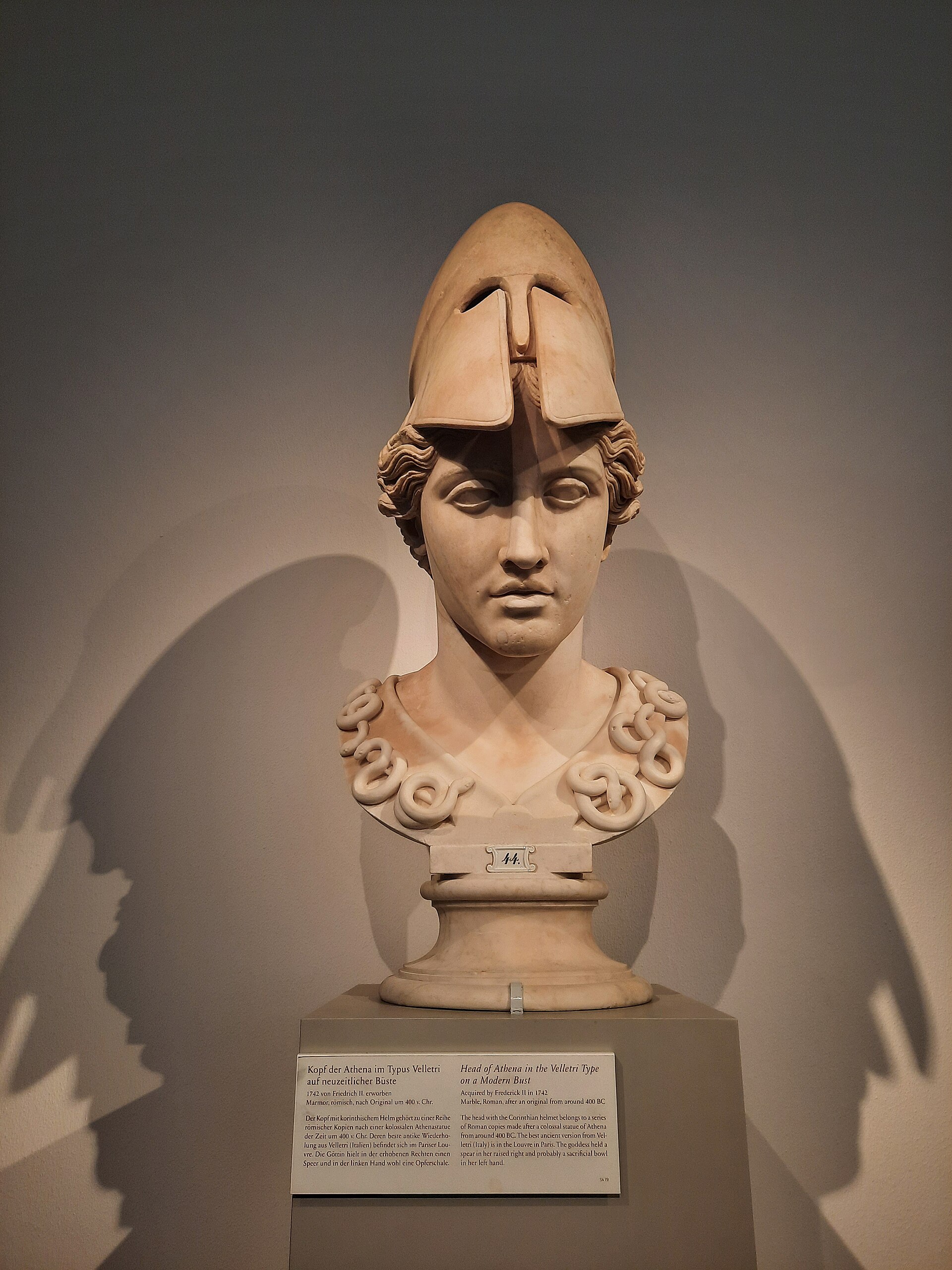
.jpg)
Hymns of Proclus · Hymn 07
Athena of Many Counsels
Εἰς Ἀθηνᾶν πολύμητιν
Prayer and ritual
These hymns may be spoken as complete prayers to the Gods. Within the Temple’s practice, a ritual is a direct theurgical act; hymnody gathers the mind and turns it toward the Divine, helping the initiate enter reverent communion with the Gods.
Use a hymn on its own in place of another prayer, or add it to the prayer portion of a suitable ritual. Choose according to the deity addressed and the petition expressed in the hymn. When combining them, preserve the ritual’s prescribed sequence and let the hymn give voice to its purpose.
The petition of this hymn
For sacred wisdom, purified love, bodily wholeness, and a life ordered under Athena’s guidance.
Recite this hymn as a complete prayer to Athena, preserving its movement from her divine deeds to the worshipper’s petitions. It may supplement a rite for wisdom, purification, or protection, asking that love gain the strength to lift the soul toward the Father while earthly life receives health, counsel, and honour.
English hieratic rendering
Hymn 07 · An English rendering aligned with the Greek lines.
- Hear me, child of aegis-bearing Zeus, you who sprang forth
- from the Father's source and from the highest divine series,
- masculine in courage, shield-bearer, greatly strong, daughter of a mighty Father,
- Pallas, Tritogeneia, spear-brandisher, golden-helmed,
- hear; receive this hymn, O Sovereign, with a gracious heart.
- Never abandon my words, fruitless, to the winds.
- You who opened the gates of wisdom trodden by the Gods,
- and subdued the earth-born tribes of Giants that fought the Gods;
- you who escaped the longing of desirous Hephaestus
- and guarded the adamantine bridle of your virginity;
- you who preserved, uncut, the heart of Lord
- Bacchus when within the hollows of aether he was divided
- by the hands of the Titans, and bore it to his Father,
- so that, through the Father's ineffable counsels,
- Dionysus might flower anew from Semele throughout the cosmos;
- you whose axe, cutting off the beastly heads at their roots,
- lulled the generation of passions belonging to all-seeing Hecate;
- you who won the revered dominion of virtues that awaken mortals;
- you who adorned the whole of life with manifold arts,
- placing intellective craftsmanship within souls;
- you who received the acropolis upon the lofty-crested hill,
- a symbol, O Sovereign, of your highest and great divine series;
- you who loved the land that nourishes humankind, the mother of books,
- overcoming the sacred desire of your Father's brother,
- and gave the city your own name and noble understanding;
- there, beneath the mountain's high foot, as a manifest sign of the contest
- even for generations yet to come, you caused the olive to spring up;
- when upon the descendants of Cecrops, with Poseidon's aid,
- a vast, seething wave came out of the sea,
- scourging everything with its loudly surging streams.
- Hear me, you whose countenance flashes pure light;
- grant me a blessed harbour as I wander about the earth.
- Grant my soul pure light from your sacred teachings,
- and wisdom and love; breathe into love a strength
- so great and of such a kind that from the bosoms of Earth
- it shall draw me again toward Olympus, to the dwelling of the noble Father.
- If some evil fault of life subdues me
- (for I know I am assailed on many sides by manifold
- unholy actions in which I erred with a heedless heart),
- be gracious, kindly in counsel, Saviour of mortals; do not allow me
- to become spoil and prey to fearful retributions,
- lying upon the ground, for I profess that I am yours.
- Grant the joints of my limbs firm and unharmed health;
- drive away the swarming host of bitter, flesh-consuming diseases.
- Yes, I beseech you, Queen, with your immortal hand
- still the whole affliction of dark sufferings.
- Grant tranquil winds to my voyage through life,
- children, marriage, renown, prosperity, and lovely gladness,
- persuasion, the ready speech of friendship, a mind rich in subtle counsel,
- strength against adversaries, and a place of honour among the people.
- Hear, hear, O Queen; with many prayers I come to you
- in compelling need: incline your gracious ear.
Ancient Greek & pronunciation
Read the English pronunciation spelling directly below each Greek line.
- Κλῦθί μοι, αἰγιόχοιο Διὸς τέκος, ἣ γενετῆροςKLEE-THEE mee, eh-yee-OH-hyee-oh dhee-OHS TEH-kohs, EE yeh-neh-TEE-rohs
- πηγῆς ἐκπροθοροῦσα καὶ ἀκροτάτης ἀπὸ σειρῆς,pee-YEES ehk-proh-thoh-ROO-sah KEH ah-kroh-TAH-tees ah-POH see-REES,
- ἀρσενόθυμε, φέρασπι, μεγασθενές, ὀβριμοπάτρη,ahr-seh-NOH-thee-meh, FEH-rah-spee, meh-ghahs-theh-NEHS, oh-vree-moh-PAH-tree,
- Παλλάς, Τριτογένεια, δορυσσόε, χρυσεοπήληξ,pah-LAHS, tree-toh-YEH-nee-ah, dhoh-ree-SOH-eh, khree-seh-oh-PEE-leeks,
- κέκλυθι· δέχνυσο δ’ ὕμνον εὔφρονι, πότνια, θυμῷ·KEH-klee-thee· DHEHKH-nee-soh dh’ EEM-nohn EH-froh-nee, POHT-nee-ah, thee-MOH·
- μηδ’ αὔτως ἀνέμοισιν ἐμόν ποτε μῦθον ἐάσῃς.meedh’ AHF-tohs ah-NEH-mee-seen eh-MOHN poh-teh MEE-thohn eh-AH-sees.
- ἣ σοφίης πετάσασα θεοστιβέας πυλεῶναςEE soh-FEE-ees peh-TAH-sah-sah theh-oh-stee-VEH-ahs pee-leh-OH-nahs
- καὶ χθονίων δαμάσασα θεημάχα φῦλα Γιγάντων·KEH khthoh-NEE-ohn dhah-MAH-sah-sah theh-ee-MAH-khah FEE-lah yee-GHAHN-dohn·
- ἣ πόθον Ἡφαίστοιο λιλαιομένοιο φυγοῦσαEE POH-thohn ee-FEH-stee-oh lee-leh-oh-MEH-nee-oh fee-GHOO-sah
- παρθενίης ἐφύλαξας ἑῆς ἀδάμαντα χαλινόν·pahr-theh-NEE-ees eh-FEE-lahk-sahs eh-EES ah-DHAH-mahn-dah khah-lee-NOHN·
- ἣ κραδίην ἐσάωσας ἀμιστύλλευτον ἄνακτοςEE krah-DHEE-een eh-SAH-oh-sahs ah-mee-STEE-lehf-tohn AH-nahk-tohs
- αἰθέρος ἐν γυάλοισι μεριζομένου ποτὲ Βάκχουeh-THEH-rohs ehn yee-AH-lee-see meh-ree-zoh-MEH-noo poh-TEH VAHK-khoo
- Τιτήνων ὑπὸ χερσί· πόρες δέ ἑ πατρὶ φέρουσα,tee-TEE-nohn ee-POH hyehr-SEE· POH-rehs DHEH eh pah-TREE FEH-roo-sah,
- ὄφρα νέος βουλῇσιν ὑπ’ ἀρρήτοισι τοκῆοςOH-frah NEH-ohs voo-LEE-seen eep’ ah-REE-tee-see toh-KEE-ohs
- ἐκ Σεμέλης περὶ κόσμον ἀνηβήσῃ Διόνυσος.ehk seh-MEH-lees peh-REE KOH-zmohn ah-nee-VEE-see dhee-OH-nee-sohs.
- ἧς πέλεκυς θήρεια ταμὼν προθέλυμνα κάρηνα,EES PEH-leh-kees THEE-ree-ah tah-MOHN proh-THEH-leem-nah KAH-ree-nah,
- πανδερκοῦς Ἑκάτης παθέων ηὔνησε γενέθλην.pahn-dhehr-KOOS eh-KAH-tees pah-THEH-ohn EEV-nee-seh yeh-NEHTH-leen.
- ἣ κράτος ἤραο σεμνὸν ἐγερσιβρότων ἀρετάων·EE KRAH-tohs EE-rah-oh sehm-NOHN eh-yehr-see-VROH-tohn ah-reh-TAH-ohn·
- ἣ βίοτον κόσμησας ὅλον πολυειδέσι τέχναιςEE VEE-oh-tohn KOH-zmee-sahs OH-lohn poh-lee-ee-DHEH-see TEHKH-nehs
- δημιοεργείην νοερὴν ψυχῇσι βαλοῦσα.dhee-mee-oh-ehr-YEE-een noh-eh-REEN psee-HYEE-see vah-LOO-sah.
- ἣ λάχες ἀκροπόληα καθ’ ὑψιλόφοιο κολώνης,EE LAH-hyehs ah-kroh-POH-lee-ah kahth’ eep-see-LOH-fee-oh koh-LOH-nees,
- σύμβολον ἀκροτάτης μεγάλης σέο, πότνια, σειρῆς·SEEM-voh-lohn ah-kroh-TAH-tees meh-GHAH-lees SEH-oh, POHT-nee-ah, see-REES·
- ἣ χθόνα βωτιάνειραν ἐφίλαο, μητέρα βίβλων,EE KHTHOH-nah voh-tee-AH-nee-rahn eh-FEE-lah-oh, mee-TEH-rah VEE-vlohn,
- πατροκασιγνήτοιο βιησαμένη πόθον ἱρόν,pah-troh-kah-seegh-NEE-tee-oh vee-ee-sah-MEH-nee POH-thohn ee-ROHN,
- οὔνομα δ’ ἄστεϊ δῶκας ἔχειν σέο καὶ φρένας ἐσθλάς,OO-noh-mah dh’ AH-steh-ee DHOH-kahs EH-hyeen SEH-oh KEH FREH-nahs ehsth-LAHS,
- ἔνθα μάχης ἀρίδηλον ὑπὸ σφυρὸν οὔρεος ἄκρονEHN-thah MAH-hyees ah-REE-dhee-lohn ee-POH sfee-ROHN OO-reh-ohs AH-krohn
- σῆμα καὶ ὀψιγόνοισιν ἀνεβλάστησας ἐλαίην·SEE-mah KEH ohp-see-GHOH-nee-seen ah-neh-VLAH-stee-sahs eh-LEH-een·
- εὖτ’ ἐπὶ Κεκροπίδῃσι Ποσειδάωνος ἀρωγῇEHFT’ eh-PEE keh-kroh-PEE-dhee-see poh-see-DHAH-oh-nohs ah-roh-YEE
- μυρίον ἐκ πόντοιο κυκώμενον ἤλυθε κῦμα,mee-REE-ohn ehk POHN-dee-oh kee-KOH-meh-nohn EE-lee-theh KEE-mah,
- πάντα πολυφλοίσβοισιν ἑοῖς ῥεέθροισιν ἱμάσσον.PAHN-dah poh-lee-FLEEZ-vee-seen eh-EES reh-EH-three-seen ee-MAH-sohn.
- κλῦθί μευ, ἣ φάος ἁγνὸν ἀπαστράπτουσα προσώπῳ,KLEE-THEE mehv, EE FAH-ohs ahgh-NOHN ah-pah-STRAHP-too-sah proh-SOH-poh,
- δὸς δέ μοι ὄλβιον ὅρμον ἀλωομένῳ περὶ γαῖαν·DHOHS DHEH mee OHL-vee-ohn OHR-mohn ah-loh-oh-MEH-noh peh-REE YEH-ahn·
- δὸς ψυχῇ φάος ἁγνὸν ἀπ’ εὐιέρων σέο μύθωνDHOHS psee-HYEE FAH-ohs ahgh-NOHN ahp’ eh-vee-EH-rohn SEH-oh MEE-thohn
- καὶ σοφίην καὶ ἔρωτα· μένος δ’ ἔμπνευσον ἔρωτιKEH soh-FEE-een KEH EH-roh-tah· MEH-nohs dh’ EHMB-nehf-sohn EH-roh-tee
- τοσσάτιον καὶ τοῖον, ὅσον χθονίων ἀπὸ κόλπωνtoh-SAH-tee-ohn KEH TEE-ohn, OH-sohn khthoh-NEE-ohn ah-POH KOHL-pohn
- αὖ ἐρύσει πρὸς Ὄλυμπον, ἐς ἤθεα πατρὸς ἐῆος.AHV eh-REE-see PROHS OH-leem-bohn, ehs EE-theh-ah pah-TROHS eh-EE-ohs.
- εἰ δέ τις ἀμπλακίη με κακὴ βιότοιο δαμάζειee DHEH tees ahm-blah-KEE-ee meh kah-KEE vee-OH-tee-oh dhah-MAH-zee
- (οἶδα γάρ, ὡς πολλοῖσιν ἐρέχθομαι ἄλλοθεν ἄλλαις(EE-dhah GHAHR, ohs poh-LEE-seen eh-REHKH-thoh-meh AH-loh-thehn AH-lehs
- πρήξεσιν οὐχ ὁσίαις, τὰς ἤλιτον ἄφρονι θυμῷ),PREEK-seh-seen ookh oh-SEE-ehs, TAHS EE-lee-tohn AH-froh-nee thee-MOH),
- ἵλαθι, μειλιχόβουλε, σαόμβροτε, μηδέ μ’ ἐάσῃςEE-lah-thee, mee-lee-KHOH-voo-leh, sah-OHM-vroh-teh, mee-DHEH m’ eh-AH-sees
- ῥιγεδαναῖς ποινῇσιν ἕλωρ καὶ κύρμα γενέσθαιree-yeh-dhah-NEHS pee-NEE-seen EH-lohr KEH KEER-mah yeh-NEHS-theh
- κείμενον ἐν δαπέδοισιν, ὅτι τεὸς εὔχομαι εἶναι.KEE-meh-nohn ehn dhah-PEH-dhee-seen, OH-tee teh-OHS EHF-khoh-meh EE-neh.
- δὸς γυάλοις μελέων σταθερὴν καὶ ἀπήμον’ ὑγείην,DHOHS yee-AH-lees meh-LEH-ohn stah-theh-REEN KEH ah-PEE-mohn’ ee-YEE-een,
- σαρκοτακῶν δ’ ἀπέλαυνε πικρῶν ἀγελάσματα νούσων,sahr-koh-tah-KOHN dh’ ah-PEH-lahv-neh pee-KROHN ah-yeh-LAH-zmah-tah NOO-sohn,
- ναί, λίτομαι, βασίλεια, καὶ ἀμβροσίῃ σέο χειρὶNEH, LEE-toh-meh, vah-SEE-lee-ah, KEH ahm-vroh-SEE-ee SEH-oh hyee-REE
- παῦσον ὅλην κακότητα μελαινάων ὀδυνάων.PAHF-sohn OH-leen kah-KOH-tee-tah meh-leh-NAH-ohn oh-dhee-NAH-ohn.
- δὸς βιότῳ πλώοντι γαληνιόωντας ἀήτας,DHOHS vee-OH-toh PLOH-ohn-dee ghah-lee-nee-OH-ohn-dahs ah-EE-tahs,
- τέκνα, λέχος, κλέος, ὄλβον, εὐφροσύνην ἐρατεινήν,TEHK-nah, LEH-khohs, KLEH-ohs, OHL-vohn, eh-froh-SEE-neen eh-rah-tee-NEEN,
- πειθὼ στωμυλίην φιλίης, νόον ἀγκυλομήτην,pee-THOH stoh-mee-LEE-een fee-LEE-ees, NOH-ohn ahn-gee-loh-MEE-teen,
- κάρτος ἐπ’ ἀντιβίοισι, προεδρίην ἐνὶ λαοῖς.KAHR-tohs ehp’ ahn-dee-VEE-ee-see, proh-eh-DHREE-een eh-NEE lah-EES.
- κέκλυθι, κέκλυθ’, ἄνασσα, πολύλλιστος δέ σ’ ἱκάνωKEH-klee-thee, KEH-kleeth’, AH-nah-sah, poh-LEE-lee-stohs DHEH s’ ee-KAH-noh
- χρειοῖ ἀναγκαίῃ· σὺ δὲ μείλιχον οὖας ὑπόσχες.khree-EE ah-nahn-GEH-ee· SEE DHEH MEE-lee-khohn OO-ahs ee-POHS-hyehs.
Short sound guide for English speakers
Every line beneath the Greek uses English pronunciation spellings. Say each hyphenated syllable in sequence and emphasize the syllable in CAPITALS. For example, οὐρανόθεν is oo-rah-NOH-thehn. Read adjacent vowels separately: theh-AH has two syllables; oo-rah-NEE-een has four. Hyphens guide the voice; they do not mark pauses.
| Spelling | Sound to make |
|---|---|
| ah · eh · ee · oh · oo | father · met · see · go without its final glide · moon. Keep these vowels clear in unstressed syllables too. |
| th · dh | The unvoiced th in thin · the voiced th in this. Thus DHEE begins with the sound in “thee.” |
| kh | The ch in Scottish loch or German Bach: let air pass at the back of the mouth, without closing it into a k. |
| hy | The breathy beginning of a carefully spoken Hugh. Raise the middle of the tongue toward the roof of the mouth and let air pass without voice. In shy, sound s followed by hy; do not use the English sh sound or the English word “shy.” |
| gh | Make the kh sound above, then add voice. Keep the passage open; this is a flowing sound, not a hard g. |
| y · g | y as in yes, with gentle friction · always a hard g as in get. |
| r | Tap the tongue lightly behind the upper teeth, or use a light roll. |
| ks · ps | Sound both consonants, even at the beginning of a word: ks as in backs, ps as in lips. |
| n-g · m-b · n-d | Sound the nasal and the following consonant. In AHN-geh-leh, the n-g group is like finger, with the g audible. |
Always sound s as in hiss, even at the end of DHEE-kees; z is voiced, as in zero. All other consonants have their usual English sounds. Initial consonant groups may be unfamiliar: sound every written consonant, without inserting an extra vowel. A word without capitals carries no written stress in the Greek. Where two syllables have capitals, both written accents are retained. An apostrophe marks a vowel already elided in the Greek; do not add it back. A hyphen at the end of a Greek verse joins the unfinished word to the next verse.
These spellings follow the Modern Greek liturgical reading used throughout this library. Breathings and iota subscripts are silent; separately pronounced vowels remain separate. The few Greek consonants without an exact English equivalent use the sound cues above. Ancient vowel length, pitch accent and metre are not reconstructed.
Hymn notes
Sacred meaning
Athena proceeds from the highest paternal source and orders the soul through wisdom, virtue, and craft. Her preservation of the heart of Dionysus, her mastery of the passions, and her guardianship of Athens reveal distinct works of that power. The prayer asks for an ascent sustained by love and sacred teachings, together with release from fault, bodily suffering, and the instability of life.
Textual note
Abel VII, printed pp. 282–283. Complete in this edition, 52 verses. The ancient parenthesis at verses 37–39 is presented with parentheses rather than long dashes. The particular myths, petitions for family and civic standing, and the identification of the olive as the sign of Athena’s contest are retained. The following Abel VIII is a quotation fragment to Dionysus and is excluded from this collection of complete hymns.
At line 36, ἐῆος follows Abel’s smooth-breathed reading, the epic form meaning good or noble.
Text and attribution
Greek text: Eugenius Abel, Orphica (1885), printed pages 282, 283. The text follows the printed main reading of this edition; source-specific variants are recorded where relevant. Read the digitised edition. Greek source. Manual transcription collated against Abel’s printed main text. The English hieratic rendering and suggested devotional use are new editorial work. The applications are guidance for this library, not additional lines of the ancient poem.