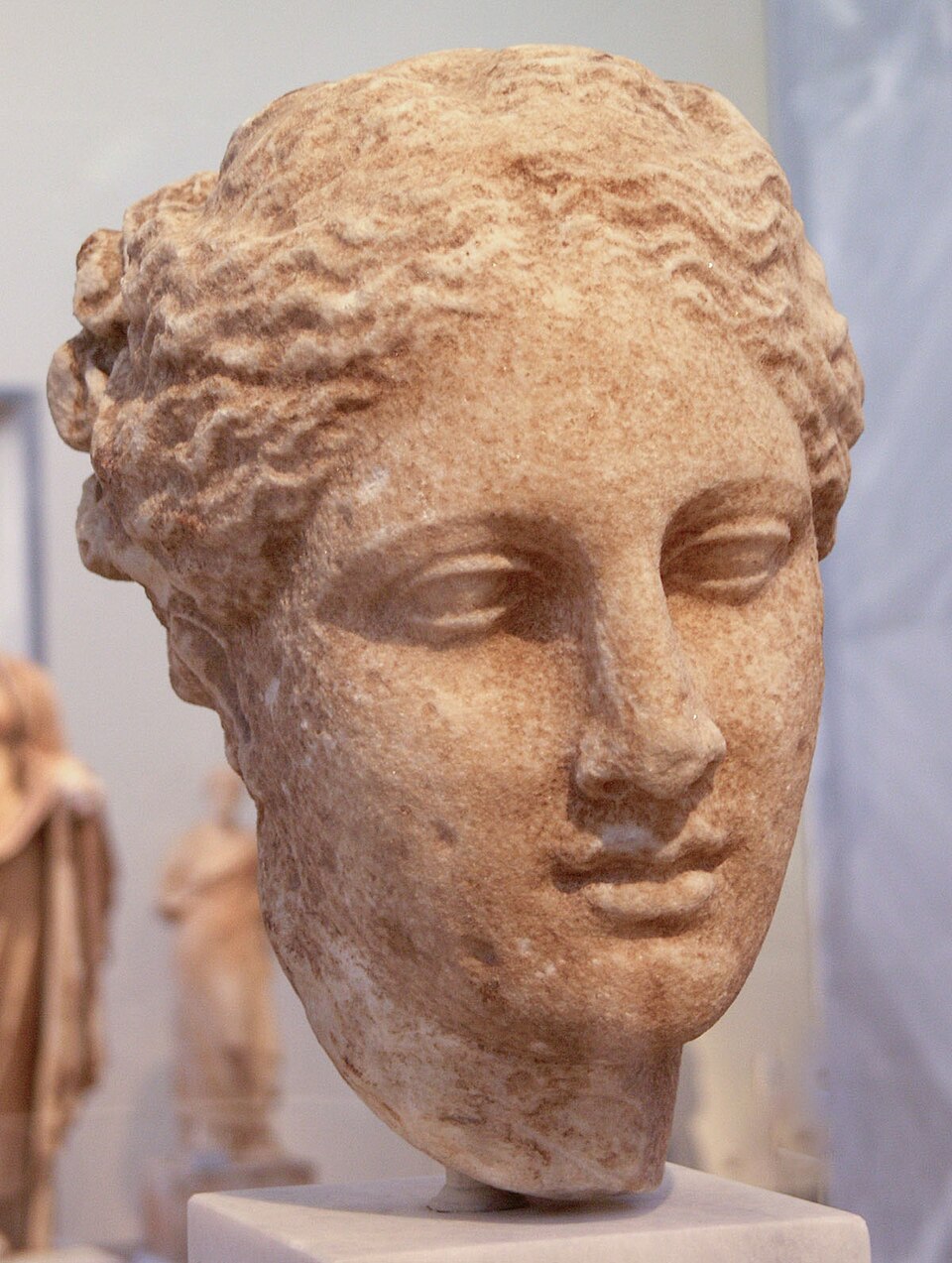

Orphic Hymns · Hymn 68
Hygieia, Health
Ὑγείας
Prayer and ritual
These hymns may be spoken as complete prayers to the Gods. Within the Temple’s practice, a ritual is a direct theurgical act; hymnody gathers the mind and turns it toward the Divine, helping the initiate enter reverent communion with the Gods.
Use a hymn on its own in place of another prayer, or add it to the prayer portion of a suitable ritual. Choose according to the deity addressed and the petition expressed in the hymn. When combining them, preserve the ritual’s prescribed sequence and let the hymn give voice to its purpose.
The petition of this hymn
For the health through which households, work, and life can flourish.
Use the hymn as a daily or occasional prayer of gratitude and petition for health. Add it to a healing rite after the principal invocation when seeking the restoration of the whole pattern of life, including the household and its work.
English hieratic rendering
Hymn 68 · An English rendering aligned with the Greek lines.
- Desired and lovely, abundant in flowering, Queen of all,
- hear, blessed Hygieia, bearer of prosperity, Mother of all.
- Through you diseases waste away among mortals,
- and every house flowers with great gladness because of you;
- the arts grow rich, and the cosmos longs for you, O Queen.
- Only Hades, destroyer of souls, ever hates you,
- ever-flourishing, most earnestly prayed for, repose of mortals.
- For without you all things are without benefit to humankind:
- neither wealth that brings prosperity is sweet at the feast,
- nor does a man grow old through many labours without you.
- You alone have power over all and are Queen over all.
- But come, O Goddess, ever a helper to those who serve the mysteries,
- delivering them from the ill-fated anguish of grievous diseases.
Ancient Greek & pronunciation
Read the English pronunciation spelling directly below each Greek line.
- Ἱμερόεσσ’, ἐρατή, πολυθάλμιε, παμβασίλεια,ee-meh-ROH-ehs’, eh-rah-TEE, poh-lee-THAHL-mee-eh, pahm-vah-SEE-lee-ah,
- κλῦθι, μάκαιρ’ Ὑγίεια, φερόλβιε, μῆτερ ἁπάντων·KLEE-thee, MAH-kehr’ ee-YEE-ee-ah, feh-ROHL-vee-eh, MEE-tehr ah-PAHN-dohn·
- ἐκ σέο γὰρ νοῦσοι μὲν ἀποφθινύθουσι βροτοῖσι,ehk SEH-oh GHAHR NOO-see MEHN ah-pohf-thee-NEE-thoo-see vroh-TEE-see,
- πᾶς δὲ δόμος θάλλει πολυγηθὴς εἵνεκα σεῖο,PAHS DHEH DHOH-mohs THAH-lee poh-lee-yee-THEES EE-neh-kah SEE-oh,
- καὶ τέχναι βρίθουσι· ποθεῖ δέ σε κόσμος, ἄνασσα,KEH TEHKH-neh VREE-thoo-see· poh-THEE DHEH seh KOH-zmohs, AH-nah-sah,
- μοῦνος δὲ στυγέει σ’ Ἀίδης ψυχοφθόρος αἰεί,MOO-nohs DHEH stee-YEH-ee s’ ah-EE-dhees psee-khohf-THOH-rohs eh-EE,
- αἰθαλής, εὐκταιοτάτη, θνητῶν ἀνάπαυμα·eh-thah-LEES, ehfk-teh-oh-TAH-tee, thnee-TOHN ah-NAH-pahv-mah·
- σοῦ γὰρ ἄτερ πάντ’ ἐστὶν ἀνωφελέ’ ἀνθρώποισιν·SOO GHAHR AH-tehr PAHND’ eh-STEEN ah-noh-feh-LEH’ ahn-THROH-pee-seen·
- οὔτε γὰρ ὀλβοδότης πλοῦτος γλυκερὸς θαλίῃσιν,OO-teh GHAHR ohl-voh-DHOH-tees PLOO-tohs ghlee-keh-ROHS thah-LEE-ee-seen,
- οὔτε γέρων πολύμοχθος ἄτερ σέο γίγνεται ἀνήρ·OO-teh YEH-rohn poh-LEE-mohkh-thohs AH-tehr SEH-oh YEEGH-neh-teh ah-NEER·
- πάντων γὰρ κρατέεις μούνη καὶ πᾶσιν ἀνάσσεις.PAHN-dohn GHAHR krah-TEH-ees MOO-nee KEH PAH-seen ah-NAH-sees.
- ἀλλά, θεά, μόλε μυστιπόλοις ἐπιτάρροθος αἰεὶah-LAH, theh-AH, MOH-leh mee-stee-POH-lees eh-pee-TAH-roh-thohs eh-EE
- ῥυομένη νούσων χαλεπῶν κακόποτμον ἀνίην.ree-oh-MEH-nee NOO-sohn khah-leh-POHN kah-KOH-poht-mohn ah-NEE-een.
Short sound guide for English speakers
Every line beneath the Greek uses English pronunciation spellings. Say each hyphenated syllable in sequence and emphasize the syllable in CAPITALS. For example, οὐρανόθεν is oo-rah-NOH-thehn. Read adjacent vowels separately: theh-AH has two syllables; oo-rah-NEE-een has four. Hyphens guide the voice; they do not mark pauses.
| Spelling | Sound to make |
|---|---|
| ah · eh · ee · oh · oo | father · met · see · go without its final glide · moon. Keep these vowels clear in unstressed syllables too. |
| th · dh | The unvoiced th in thin · the voiced th in this. Thus DHEE begins with the sound in “thee.” |
| kh | The ch in Scottish loch or German Bach: let air pass at the back of the mouth, without closing it into a k. |
| hy | The breathy beginning of a carefully spoken Hugh. Raise the middle of the tongue toward the roof of the mouth and let air pass without voice. In shy, sound s followed by hy; do not use the English sh sound or the English word “shy.” |
| gh | Make the kh sound above, then add voice. Keep the passage open; this is a flowing sound, not a hard g. |
| y · g | y as in yes, with gentle friction · always a hard g as in get. |
| r | Tap the tongue lightly behind the upper teeth, or use a light roll. |
| ks · ps | Sound both consonants, even at the beginning of a word: ks as in backs, ps as in lips. |
| n-g · m-b · n-d | Sound the nasal and the following consonant. In AHN-geh-leh, the n-g group is like finger, with the g audible. |
Always sound s as in hiss, even at the end of DHEE-kees; z is voiced, as in zero. All other consonants have their usual English sounds. Initial consonant groups may be unfamiliar: sound every written consonant, without inserting an extra vowel. A word without capitals carries no written stress in the Greek. Where two syllables have capitals, both written accents are retained. An apostrophe marks a vowel already elided in the Greek; do not add it back. A hyphen at the end of a Greek verse joins the unfinished word to the next verse.
These spellings follow the Modern Greek liturgical reading used throughout this library. Breathings and iota subscripts are silent; separately pronounced vowels remain separate. The few Greek consonants without an exact English equivalent use the sound cues above. Ancient vowel length, pitch accent and metre are not reconstructed.
Hymn notes
Sacred meaning
Hygieia is invoked as the condition through which the goods of life can be enjoyed. Her presence makes households and crafts flourish, while her absence leaves other gifts without benefit. The closing prayer asks her to stand beside the initiates and release them from the sorrow of grievous disease.
Ancient offering rubric: Manna incense.
Text and attribution
Greek text: Eugenius Abel, Orphica (1885), printed pages 94. The text follows the printed main reading of this edition; source-specific variants are recorded where relevant. Read the digitised edition. Greek source. Wikisource transcription, revision 124461; checked and corrected against Abel’s print. The English hieratic rendering and suggested devotional use are new editorial work. The applications are guidance for this library, not additional lines of the ancient poem.