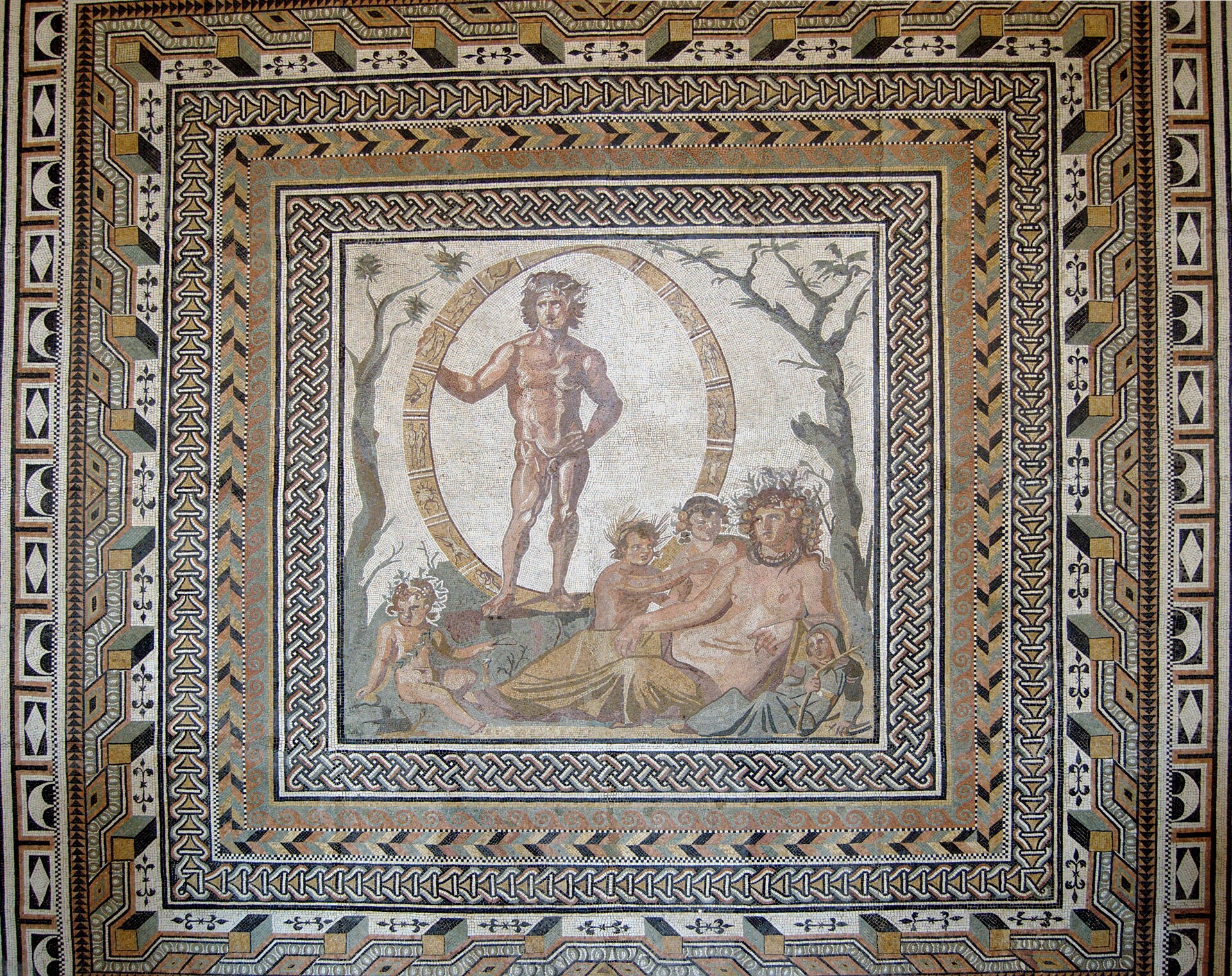

Orphic Hymns · Hymn 10
Physis: Nature
Φύσεως
Prayer and ritual
These hymns may be spoken as complete prayers to the Gods. Within the Temple’s practice, a ritual is a direct theurgical act; hymnody gathers the mind and turns it toward the Divine, helping the initiate enter reverent communion with the Gods.
Use a hymn on its own in place of another prayer, or add it to the prayer portion of a suitable ritual. Choose according to the deity addressed and the petition expressed in the hymn. When combining them, preserve the ritual’s prescribed sequence and let the hymn give voice to its purpose.
The petition of this hymn
Prayer to Nature as the divine mother, sustainer, and ordering power of all. It asks for peace, health, and the increase of everything in favourable seasons.
Recite independently in thanksgiving for life and prayer for its ordered flourishing. It may supplement an established rite concerning growth, health, or the seasons, concentrating upon the hymn's final threefold petition.
English hieratic rendering
Hymn 10 · An English rendering aligned with the Greek lines.
- O Physis, Goddess, Mother of all, mother of manifold art,
- heavenly, eldest, Daimon who fashions many things, sovereign Lady,
- subduer of all, unsubdued, steerswoman, shining upon all,
- ruler of all, ever honoured, supremely exalted Daimon,
- imperishable, firstborn, famed of old, glory of humankind,
- nocturnal, deeply experienced, bearer of radiance, dread in your mastery,
- turning a noiseless track on the joints of your feet,
- pure, ordainer of the Gods, fulfilment without an end,
- shared by all, yet you alone admitting no companion,
- your own father, fatherless, radiant, rich in joy, greatest,
- blossoming, intertwining, loving, manifold in mingling, knowing,
- guide and sovereign, bearer of life, Maiden nourishing all,
- sufficiency in yourself, Justice, persuasion of the Graces, bearing many names,
- ruling in aether, on earth, and in the sea,
- bitter to the base, but sweet to those who obey,
- wise in all things, giving all things, sustaining, Queen of all,
- fostering growth, abundant, releasing what has ripened.
- You are the father, mother, nourisher, and nurse of all,
- swift in birth, blessed, rich in seed, the impulse of the seasons,
- craftswoman of all, shaper, fashioner of many things, sovereign Daimon,
- everlasting, bearer of motion, deeply experienced, wise,
- whirling your swift current in an everlasting revolution,
- flowing through all, encircling, dwelling through ever different forms,
- enthroned in splendour, honoured, who alone fulfil what is decreed,
- above those who bear the sceptre, thundering deeply, mightiest,
- unshaken, subduing all, destined Fate, breathing fire,
- eternal Life and immortal Providence.
- You are all things, for you alone fashion all these things.
- But, Goddess, I beseech you, with the richly blessed seasons
- bring peace and health, and the increase of all.
Ancient Greek & pronunciation
Read the English pronunciation spelling directly below each Greek line.
- Ὦ Φύσι, παμμήτειρα θεά, πολυμήχανε μῆτερ,OH FEE-see, pah-MEE-tee-rah theh-AH, poh-lee-MEE-khah-neh MEE-tehr,
- οὐρανίη, πρέσβειρα, πολύκτιτε δαῖμον, ἄνασσα,oo-rah-NEE-ee, PREHZ-vee-rah, poh-LEEK-tee-teh DHEH-mohn, AH-nah-sah,
- πανδαμάτωρ, ἀδάμαστε, κυβερνήτειρα, παναυγές,pahn-dhah-MAH-tohr, ah-DHAH-mah-steh, kee-vehr-NEE-tee-rah, pah-nahv-YEHS,
- παντοκράτειρα, τετιμέν’ ἀεί, πανυπέρτατε δαῖμον,pahn-doh-KRAH-tee-rah, teh-tee-MEHN’ ah-EE, pah-nee-PEHR-tah-teh DHEH-mohn,
- ἄφθιτε, πρωτογένεια, παλαίφατε, κυδιάνειρα,AHF-thee-teh, proh-toh-YEH-nee-ah, pah-LEH-fah-teh, kee-dhee-AH-nee-rah,
- ἐννυχίη, πολύπειρε, σελασφόρε, δεινοκαθέκτε,eh-nee-HYEE-ee, poh-LEE-pee-reh, seh-lah-SFOH-reh, dhee-noh-kah-THEHK-teh,
- ἄψοφον ἀστραγάλοισι ποδῶν ἴχνος εἱλίσσουσα,AHP-soh-fohn ah-strah-GHAH-lee-see poh-DHOHN EEKH-nohs ee-LEE-soo-sah,
- ἁγνή, κοσμήτειρα θεῶν ἀτελής τε τελευτή,ahgh-NEE, koh-ZMEE-tee-rah theh-OHN ah-teh-LEES teh teh-lehf-TEE,
- κοινὴ μὲν πάντεσσιν, ἀκοινώνητε δὲ μούνη,kee-NEE MEHN PAHN-deh-seen, ah-kee-NOH-nee-teh DHEH MOO-nee,
- αὐτοπάτωρ, ἀπάτωρ, ἀργής, πολύγηθε, μεγίστη,ahf-toh-PAH-tohr, ah-PAH-tohr, ahr-YEES, poh-LEE-yee-theh, meh-YEE-stee,
- εὐαντές, πλοκίη, φιλίη, πολύμικτε, δαῆμον,eh-vahn-DEHS, ploh-KEE-ee, fee-LEE-ee, poh-LEE-meek-teh, dhah-EE-mohn,
- ἡγεμόνη, κράντειρα, φερέσβιε, παντρόφε κούρη,ee-yeh-MOH-nee, KRAHN-dee-rah, feh-REHZ-vee-eh, pahn-DROH-feh KOO-ree,
- αὐτάρκεια, Δίκη, Χαρίτων πολυώνυμε πειθώ,ahf-TAHR-kee-ah, DHEE-kee, khah-REE-tohn poh-lee-OH-nee-meh pee-THOH,
- αἰθερίη χθονίη τε καὶ εἰναλίη μεδέουσα,eh-theh-REE-ee khthoh-NEE-ee teh KEH ee-nah-LEE-ee meh-DHEH-oo-sah,
- πικρὰ μὲν φαύλοισι, γλυκεῖα δὲ πειθομένοισι,pee-KRAH MEHN FAH-vlee-see, ghlee-KEE-ah DHEH pee-thoh-MEH-nee-see,
- πάνσοφε, πανδώτειρα, κομίστρια, παμβασίλεια,PAHN-soh-feh, pahn-DHOH-tee-rah, koh-MEE-stree-ah, pahm-vah-SEE-lee-ah,
- αὐξιτρόφος, πίειρα πεπαινομένων τε λύτειρα.ahfk-see-TROH-fohs, PEE-ee-rah peh-peh-noh-MEH-nohn teh LEE-tee-rah.
- πάντων μὲν σὺ πατήρ, μήτηρ, τροφὸς ἠδὲ τιθήνη,PAHN-dohn MEHN SEE pah-TEER, MEE-teer, troh-FOHS ee-DHEH tee-THEE-nee,
- ὠκυλόχεια, μάκαιρα, πολύσπορος, ὡριὰς ὁρμή,oh-kee-LOH-hyee-ah, MAH-keh-rah, poh-LEE-spoh-rohs, oh-ree-AHS ohr-MEE,
- παντοτεχνές, πλάστειρα, πολύκτιτε, πότνια δαῖμον,pahn-doh-tehkh-NEHS, PLAH-stee-rah, poh-LEEK-tee-teh, POHT-nee-ah DHEH-mohn,
- ἀιδίη, κινησιφόρος, πολύπειρε, περίφρων,ah-ee-DHEE-ee, kee-nee-see-FOH-rohs, poh-LEE-pee-reh, peh-REE-frohn,
- ἀενάῳ στροφάλιγγι θοὸν ῥύμα δινεύουσα,ah-eh-NAH-oh stroh-FAH-leen-gee thoh-OHN REE-mah dhee-NEH-voo-sah,
- πάνρυτε, κυκλοτερής, ἀλλοτριομορφοδίαιτε,PAHN-ree-teh, kee-kloh-teh-REES, ah-loh-tree-oh-mohr-foh-DHEE-eh-teh,
- εὔθρονε, τιμήεσσα, μόνη τὸ κριθὲν τελέουσα,EHF-throh-neh, tee-MEE-eh-sah, MOH-nee TOH kree-THEHN teh-LEH-oo-sah,
- σκηπτούχων ἐφύπερθε, βαρυβρεμέτειρα, κρατίστη,skeep-TOO-khohn eh-FEE-pehr-theh, vah-ree-vreh-MEH-tee-rah, krah-TEE-stee,
- ἄτρομε, πανδαμάτειρα, πεπρωμένη αἶσα, πυρίπνους,AH-troh-meh, pahn-dhah-MAH-tee-rah, peh-proh-MEH-nee EH-sah, pee-REEP-noos,
- ἀίδιος ζωὴ ἠδ’ ἀθανάτη τε πρόνοια·ah-EE-dhee-ohs zoh-EE eedh’ ah-thah-NAH-tee teh PROH-nee-ah·
- πάντα σὺ ἔσσι· τὰ πάντα σὺ γὰρ μούνη τάδε τεύχεις.PAHN-dah SEE EH-see· TAH PAHN-dah SEE GHAHR MOO-nee TAH-dheh TEHF-hyees.
- ἀλλά, θεά, λίτομαί σε σὺν εὐόλβοισιν ἐν ὥραιςah-LAH, theh-AH, LEE-toh-MEH seh SEEN eh-VOHL-vee-seen ehn OH-rehs
- εἰρήνην ὑγίειαν ἄγειν, αὔξησιν ἁπάντων.ee-REE-neen ee-YEE-ee-ahn AH-yeen, AHFK-see-seen ah-PAHN-dohn.
Short sound guide for English speakers
Every line beneath the Greek uses English pronunciation spellings. Say each hyphenated syllable in sequence and emphasize the syllable in CAPITALS. For example, οὐρανόθεν is oo-rah-NOH-thehn. Read adjacent vowels separately: theh-AH has two syllables; oo-rah-NEE-een has four. Hyphens guide the voice; they do not mark pauses.
| Spelling | Sound to make |
|---|---|
| ah · eh · ee · oh · oo | father · met · see · go without its final glide · moon. Keep these vowels clear in unstressed syllables too. |
| th · dh | The unvoiced th in thin · the voiced th in this. Thus DHEE begins with the sound in “thee.” |
| kh | The ch in Scottish loch or German Bach: let air pass at the back of the mouth, without closing it into a k. |
| hy | The breathy beginning of a carefully spoken Hugh. Raise the middle of the tongue toward the roof of the mouth and let air pass without voice. In shy, sound s followed by hy; do not use the English sh sound or the English word “shy.” |
| gh | Make the kh sound above, then add voice. Keep the passage open; this is a flowing sound, not a hard g. |
| y · g | y as in yes, with gentle friction · always a hard g as in get. |
| r | Tap the tongue lightly behind the upper teeth, or use a light roll. |
| ks · ps | Sound both consonants, even at the beginning of a word: ks as in backs, ps as in lips. |
| n-g · m-b · n-d | Sound the nasal and the following consonant. In AHN-geh-leh, the n-g group is like finger, with the g audible. |
Always sound s as in hiss, even at the end of DHEE-kees; z is voiced, as in zero. All other consonants have their usual English sounds. Initial consonant groups may be unfamiliar: sound every written consonant, without inserting an extra vowel. A word without capitals carries no written stress in the Greek. Where two syllables have capitals, both written accents are retained. An apostrophe marks a vowel already elided in the Greek; do not add it back. A hyphen at the end of a Greek verse joins the unfinished word to the next verse.
These spellings follow the Modern Greek liturgical reading used throughout this library. Breathings and iota subscripts are silent; separately pronounced vowels remain separate. The few Greek consonants without an exact English equivalent use the sound cues above. Ancient vowel length, pitch accent and metre are not reconstructed.
Hymn notes
Sacred meaning
Physis is named father and mother, beginning and endless fulfilment, Justice, Life, and Providence. These relations present Nature as the coherent divine power of formation, nourishment, change, and the completion of what is decreed.
Ancient offering rubric: Aromatic substances.
Textual note
Line 28 follows Abel's τὰ πάντα rather than the alternate address ἄνασσα. The paired αὐτοπάτωρ and ἀπάτωρ, self fathering and fatherless, are both retained; their apparent tension is intrinsic to the hymn.
At line 15, μὲν follows the grave accent in Abel’s printed text.
Text and attribution
Greek text: Eugenius Abel, Orphica (1885), printed pages 63, 64. The text follows the printed main reading of this edition; source-specific variants are recorded where relevant. Read the digitised edition. Greek source. Wikisource transcription, revision 124087; checked and corrected against Abel’s print. The English hieratic rendering and suggested devotional use are new editorial work. The applications are guidance for this library, not additional lines of the ancient poem.