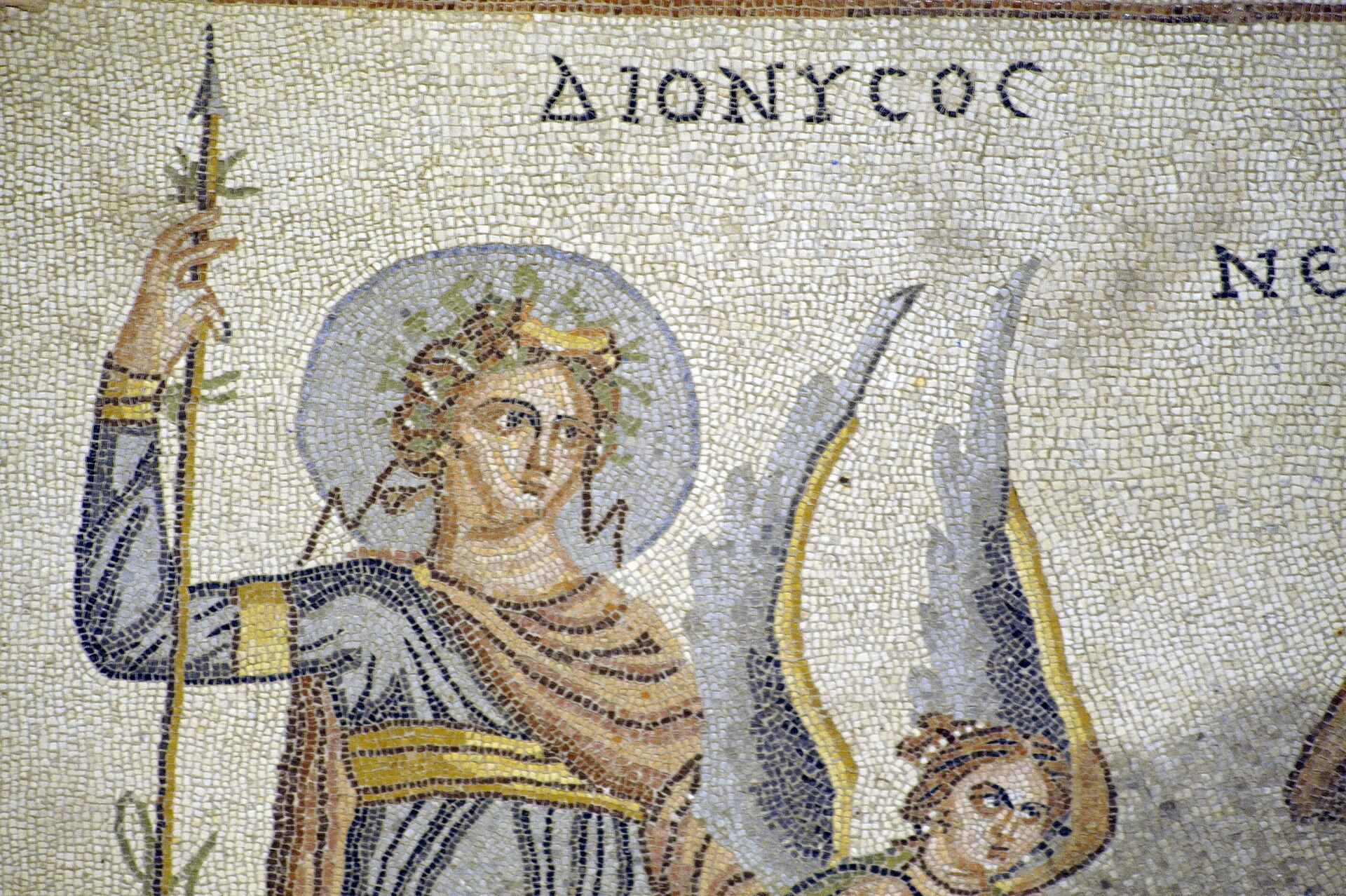

Homeric Hymns · Hymn 07
Dionysos and the Pirates
Διόνυσος
Prayer and ritual
These hymns may be spoken as complete prayers to the Gods. Within the Temple’s practice, a ritual is a direct theurgical act; hymnody gathers the mind and turns it toward the Divine, helping the initiate enter reverent communion with the Gods.
Use a hymn on its own in place of another prayer, or add it to the prayer portion of a suitable ritual. Choose according to the deity addressed and the petition expressed in the hymn. When combining them, preserve the ritual’s prescribed sequence and let the hymn give voice to its purpose.
The petition of this hymn
Contemplate recognition of divine presence and Dionysos’ release of the discerning helmsman from danger.
Read this hymn as a complete prayer of praise to Dionysos, keeping the helmsman’s attentive recognition at the centre of reflection. It may accompany a rite for protection during journeys or for release from constraint, with the narrative supplying a sacred image of discernment and deliverance.
English hieratic rendering
Hymn 07 · An English rendering aligned with the Greek lines.
- Of Dionysos, the son of glorious Semele,
- I shall make remembrance: how he appeared beside the shore of the unharvested Sea,
- upon a jutting headland, like a young man
- in the first bloom of youth; his beautiful dark hair
- flowed about him, and over his strong shoulders he wore
- a purple cloak. Soon men from a ship with good rowing benches,
- pirates, came swiftly over the wine dark Sea,
- Tyrrhenians, led by an evil fate. Seeing him,
- they nodded to one another and quickly leapt ashore; seizing him at once,
- they set him aboard their own ship, rejoicing in their hearts.
- For they supposed him the son of kings nourished by Zeus,
- and wished to bind him in grievous bonds.
- But the bonds could not hold him; the withes fell far away
- from his hands and feet, while he sat smiling
- with his dark eyes. The helmsman understood,
- and at once called out to his companions, saying:
- “Strange men, what mighty God have you seized
- and bound? Even this well built ship cannot carry him.
- Surely this is Zeus, or Apollon of the silver bow,
- or Poseidon, for he is unlike mortal men,
- but like the Gods who dwell in the halls of Olympos.
- Come, let us release him upon the dark mainland
- at once. Lay no hands upon him, lest in his anger
- he raise violent winds and a mighty storm against us.”
- Thus he spoke; but the captain rebuked him with harsh words:
- “Strange fellow, watch the wind, and haul up the ship's sail,
- taking hold of all the rigging; the men will see to this one.
- I expect he will reach Egypt, or Cyprus,
- or the Hyperboreans, or farther yet; and in the end
- he will tell us of his friends and all his possessions
- and his brothers, since a divine power has cast him into our hands.”
- Thus speaking, he raised the mast and the sail of the ship.
- The wind blew into the middle of the sail, and they drew taut
- the ropes on either side; then marvellous deeds appeared before them.
- First, throughout the swift black ship,
- sweet and fragrant wine gurgled, and an immortal scent
- arose; amazement seized all the sailors at the sight.
- At once along the uppermost edge of the sail there spread
- a vine, this way and that, and many clusters
- hung down; about the mast dark ivy twined,
- flourishing with blossoms, and lovely fruit sprang forth.
- All the thole pins bore garlands. When they saw these things,
- then at last they ordered the helmsman to bring
- the ship close to land. But within the ship he became a lion,
- terrible at its foremost part, and roared mightily; in its midst
- he made a bear with shaggy neck, revealing signs.
- She rose up in fury, while the lion upon the foremost bench
- glared terribly. They fled toward the stern,
- and about the helmsman, whose heart was sound in judgement,
- they stood in terror. Suddenly the lion sprang
- and seized the captain; the others, escaping an evil fate,
- all together leapt out into the divine Sea at the sight,
- and became dolphins. But he pitied the helmsman,
- held him safe, made him wholly blessed, and spoke:
- “Take courage, †O noble one ...†, dear to my heart.
- I am Dionysos of the mighty roar, whom my mother
- Semele, daughter of Kadmos, bore after joining with Zeus in love.”
- Hail, child of Semele of the lovely face; there is no way,
- forgetting you, to order a song of sweetness.
Ancient Greek & pronunciation
Read the English pronunciation spelling directly below each Greek line.
- ἀμφὶ Διώνυσον, Σεμέλης ἐρικυδέος υἱόν,ahm-FEE dhee-OH-nee-sohn, seh-MEH-lees eh-ree-kee-DHEH-ohs ee-OHN,
- μνήσομαι, ὡς ἐφάνη παρὰ θῖν’ ἁλὸς ἀτρυγέτοιοMNEE-soh-meh, ohs eh-FAH-nee pah-RAH THEEN’ ah-LOHS ah-tree-YEH-tee-oh
- ἀκτῇ ἔπι προβλῆτι νεηνίῃ ἀνδρὶ ἐοικώς,ahk-TEE EH-pee proh-VLEE-tee neh-ee-NEE-ee ahn-DHREE eh-ee-KOHS,
- πρωθήβῃ· καλαὶ δὲ περισσείοντο ἔθειραι,proh-THEE-vee· kah-LEH DHEH peh-ree-SEE-ohn-doh EH-thee-reh,
- κυάνεαι, φᾶρος δὲ περὶ στιβαροῖς ἔχεν ὤμοιςkee-AH-neh-eh, FAH-rohs DHEH peh-REE stee-vah-REES EH-hyehn OH-mees
- πορφύρεον· τάχα δ’ ἄνδρες ἐυσσέλμου ἀπὸ νηὸςpohr-FEE-reh-ohn· TAH-khah dh’ AHN-dhrehs eh-ee-SEHL-moo ah-POH nee-OHS
- ληισταὶ προγένοντο θοῶς ἐπὶ οἴνοπα πόντον,lee-ee-STEH proh-YEH-nohn-doh thoh-OHS eh-PEE EE-noh-pah POHN-dohn,
- Τυρσηνοί· τοὺς δ’ ἦγε κακὸς μόρος· οἳ δὲ ἰδόντεςteer-see-NEE· TOOS dh’ EE-yeh kah-KOHS MOH-rohs· EE DHEH ee-DHOHN-dehs
- νεῦσαν ἐς ἀλλήλους, τάχα δ’ ἔκθορον. αἶψα δ’ ἑλόντεςNEHF-sahn ehs ah-LEE-loos, TAH-khah dh’ EHK-thoh-rohn. EHP-sah dh’ eh-LOHN-dehs
- εἷσαν ἐπὶ σφετέρης νηὸς κεχαρημένοι ἦτορ.EE-sahn eh-PEE sfeh-TEH-rees nee-OHS keh-khah-ree-MEH-nee EE-tohr.
- υἱὸν γάρ μιν ἔφαντο διοτρεφέων βασιλήωνee-OHN GHAHR meen EH-fahn-doh dhee-oh-treh-FEH-ohn vah-see-LEE-ohn
- εἶναι καὶ δεσμοῖς ἔθελον δεῖν ἀργαλέοισι.EE-neh KEH dheh-ZMEES EH-theh-lohn DHEEN ahr-ghah-LEH-ee-see.
- τὸν δ’ οὐκ ἴσχανε δεσμά, λύγοι δ’ ἀπὸ τηλόσε πῖπτονTOHN dh’ ook EES-khah-neh dheh-ZMAH, LEE-yee dh’ ah-POH tee-LOH-seh PEEP-tohn
- χειρῶν ἠδὲ ποδῶν· ὃ δὲ μειδιάων ἐκάθητοhyee-ROHN ee-DHEH poh-DHOHN· OH DHEH mee-dhee-AH-ohn eh-KAH-thee-toh
- ὄμμασι κυανέοισι· κυβερνήτης δὲ νοήσαςOH-mah-see kee-ah-NEH-ee-see· kee-vehr-NEE-tees DHEH noh-EE-sahs
- αὐτίκα οἷς ἑτάροισιν ἐκέκλετο φώνησέν τε·ahf-TEE-kah EES eh-TAH-ree-seen eh-KEH-kleh-toh FOH-nee-SEHN teh·
- δαιμόνιοι, τίνα τόνδε θεὸν δεσμεύεθ’ ἑλόντες,dheh-MOH-nee-ee, TEE-nah TOHN-dheh theh-OHN dheh-ZMEH-vehth’ eh-LOHN-dehs,
- καρτερόν; οὐδὲ φέρειν δύναταί μιν νηῦς εὐεργής.kahr-teh-ROHN; oo-DHEH FEH-reen DHEE-nah-TEH meen NEEFS eh-vehr-YEES.
- ἢ γὰρ Ζεὺς ὅδε γ’ ἐστὶν ἢ ἀργυρότοξος ἈπόλλωνEE GHAHR ZEHFS OH-dheh gh’ eh-STEEN EE ahr-yee-ROH-tohk-sohs ah-POH-lohn
- ἠὲ Ποσειδάων· ἐπεὶ οὐ θνητοῖσι βροτοῖσινee-EH poh-see-DHAH-ohn· eh-PEE oo thnee-TEE-see vroh-TEE-seen
- εἴκελος, ἀλλὰ θεοῖς, οἳ Ὀλύμπια δώματ’ ἔχουσιν.EE-keh-lohs, ah-LAH theh-EES, EE oh-LEEM-bee-ah DHOH-maht’ EH-khoo-seen.
- ἀλλ’ ἄγετ’, αὐτὸν ἀφῶμεν ἐπ’ ἠπείροιο μελαίνηςahl’ AH-yeht’, ahf-TOHN ah-FOH-mehn ehp’ ee-PEE-ree-oh meh-LEH-nees
- αὐτίκα· μηδ’ ἐπὶ χεῖρας ἰάλλετε, μή τι χολωθεὶςahf-TEE-kah· meedh’ eh-PEE HYEE-rahs ee-AH-leh-teh, MEE tee khoh-loh-THEES
- ὄρσῃ ἔπ’ ἀργαλέους τ’ ἀνέμους καὶ λαίλαπα πολλήν.OHR-see EHP’ ahr-ghah-LEH-oos t’ ah-NEH-moos KEH LEH-lah-pah poh-LEEN.
- Ὣς φάτο· τὸν δ’ ἀρχὸς στυγερῷ ἠνίπαπε μύθῳ·OHS FAH-toh· TOHN dh’ ahr-KHOHS stee-yeh-ROH ee-NEE-pah-peh MEE-thoh·
- δαιμόνι’, οὖρον ὅρα, ἅμα δ’ ἱστίον ἕλκεο νηὸςdheh-MOH-nee’, OO-rohn OH-rah, AH-mah dh’ ee-STEE-ohn EHL-keh-oh nee-OHS
- σύμπανθ’ ὅπλα λαβών· ὅδε δ’ αὖτ’ ἄνδρεσσι μελήσει.SEEM-bahnth’ OH-plah lah-VOHN· OH-dheh dh’ AHFT’ AHN-dhreh-see meh-LEE-see.
- ἔλπομαι, ἢ Αἴγυπτον ἀφίξεται ἢ ὅ γε ΚύπρονEHL-poh-meh, EE EH-yeep-tohn ah-FEEK-seh-teh EE OH yeh KEE-prohn
- ἢ ἐς Ὑπερβορέους ἢ ἑκαστέρω· ἐς δὲ τελευτὴνEE ehs ee-pehr-voh-REH-oos EE eh-kah-STEH-roh· ehs DHEH teh-lehf-TEEN
- ἔκ ποτ’ ἐρεῖ αὐτοῦ τε φίλους καὶ κτήματα πάνταEHK poht’ eh-REE ahf-TOO teh FEE-loos KEH KTEE-mah-tah PAHN-dah
- οὕς τε κασιγνήτους, ἐπεὶ ἡμῖν ἔμβαλε δαίμων.OOS teh kah-seegh-NEE-toos, eh-PEE ee-MEEN EHM-vah-leh DHEH-mohn.
- ὣς εἰπὼν ἱστόν τε καὶ ἱστίον ἕλκετο νηός.OHS ee-POHN ee-STOHN teh KEH ee-STEE-ohn EHL-keh-toh nee-OHS.
- ἔμπνευσεν δ’ ἄνεμος μέσον ἱστίον· ἀμφὶ δ’ ἄρ’ ὅπλαEHMB-nehf-sehn dh’ AH-neh-mohs MEH-sohn ee-STEE-ohn· ahm-FEE dh’ AHR’ OH-plah
- καττάνυσαν· τάχα δέ σφιν ἐφαίνετο θαυματὰ ἔργα.kah-TAH-nee-sahn· TAH-khah DHEH sfeen eh-FEH-neh-toh thahv-mah-TAH EHR-ghah.
- οἶνος μὲν πρώτιστα θοὴν ἀνὰ νῆα μέλαινανEE-nohs MEHN PROH-tee-stah thoh-EEN ah-NAH NEE-ah MEH-leh-nahn
- ἡδύποτος κελάρυζ’ εὐώδης, ὤρνυτο δ’ ὀδμὴee-DHEE-poh-tohs keh-LAH-reez’ eh-VOH-dhees, OHR-nee-toh dh’ ohdh-MEE
- ἀμβροσίη· ναύτας δὲ τάφος λάβε πάντας ἰδόντας.ahm-vroh-SEE-ee· NAHF-tahs DHEH TAH-fohs LAH-veh PAHN-dahs ee-DHOHN-dahs.
- αὐτίκα δ’ ἀκρότατον παρὰ ἱστίον ἐξετανύσθηahf-TEE-kah dh’ ah-KROH-tah-tohn pah-RAH ee-STEE-ohn ehk-seh-tah-NEES-thee
- ἄμπελος ἔνθα καὶ ἔνθα, κατεκρημνῶντο δὲ πολλοὶAHM-beh-lohs EHN-thah KEH EHN-thah, kah-teh-kreem-NOHN-doh DHEH poh-LEE
- βότρυες· ἀμφ’ ἱστὸν δὲ μέλας εἱλίσσετο κισσός,VOH-tree-ehs· ahmf’ ee-STOHN DHEH MEH-lahs ee-LEE-seh-toh kee-SOHS,
- ἄνθεσι τηλεθάων, χαρίεις δ’ ἐπὶ καρπὸς ὀρώρει·AHN-theh-see tee-leh-THAH-ohn, khah-REE-ees dh’ eh-PEE kahr-POHS oh-ROH-ree·
- πάντες δὲ σκαλμοὶ στεφάνους ἔχον· οἳ δὲ ἰδόντες,PAHN-dehs DHEH skahl-MEE steh-FAH-noos EH-khohn· EE DHEH ee-DHOHN-dehs,
- νῆ’ ἤδη τότ’ ἔπειτα κυβερνήτην ἐκέλευονNEE’ EE-dhee TOHT’ EH-pee-tah kee-vehr-NEE-teen eh-KEH-leh-vohn
- γῇ πελάαν· ὃ δ’ ἄρα σφι λέων γένετ’ ἔνδοθι νηὸςYEE peh-LAH-ahn· OH dh’ AH-rah sfee LEH-ohn YEH-neht’ EHN-dhoh-thee nee-OHS
- δεινὸς ἐπ’ ἀκροτάτης, μέγα δ’ ἔβραχεν, ἐν δ’ ἄρα μέσσῃdhee-NOHS ehp’ ah-kroh-TAH-tees, MEH-ghah dh’ EH-vrah-hyehn, ehn dh’ AH-rah MEH-see
- ἄρκτον ἐποίησεν λασιαύχενα, σήματα φαίνων·AHRK-tohn eh-PEE-ee-sehn lah-see-AHF-hyeh-nah, SEE-mah-tah FEH-nohn·
- ἂν δ’ ἔστη μεμαυῖα· λέων δ’ ἐπὶ σέλματος ἄκρουAHN dh’ EH-stee meh-mah-EE-ah· LEH-ohn dh’ eh-PEE SEHL-mah-tohs AH-kroo
- δεινὸν ὑπόδρα ἰδών· οἳ δ’ ἐς πρύμνην ἐφόβηθεν,dhee-NOHN ee-POH-dhrah ee-DHOHN· EE dh’ ehs PREEM-neen eh-FOH-vee-thehn,
- ἀμφὶ κυβερνήτην δὲ σαόφρονα θυμὸν ἔχονταahm-FEE kee-vehr-NEE-teen DHEH sah-OH-froh-nah thee-MOHN EH-khohn-dah
- ἔσταν ἄρ’ ἐκπληγέντες· ὃ δ’ ἐξαπίνης ἐπορούσαςEH-stahn AHR’ ehk-plee-YEHN-dehs· OH dh’ ehk-sah-PEE-nees eh-poh-ROO-sahs
- ἀρχὸν ἕλ’, οἳ δὲ θύραζε κακὸν μόρον ἐξαλύοντεςahr-KHOHN EHL’, EE DHEH THEE-rah-zeh kah-KOHN MOH-rohn ehk-sah-LEE-ohn-dehs
- πάντες ὁμῶς πήδησαν, ἐπεὶ ἴδον, εἰς ἅλα δῖαν,PAHN-dehs oh-MOHS PEE-dhee-sahn, eh-PEE EE-dhohn, ees AH-lah DHEE-ahn,
- δελφῖνες δ’ ἐγένοντο· κυβερνήτην δ’ ἐλεήσαςdhehl-FEE-nehs dh’ eh-YEH-nohn-doh· kee-vehr-NEE-teen dh’ eh-leh-EE-sahs
- ἔσχεθε καί μιν ἔθηκε πανόλβιον εἶπέ τε μῦθον·EHS-hyeh-theh KEH meen EH-thee-keh pah-NOHL-vee-ohn EE-PEH teh MEE-thohn·
- θάρσει, †δῖε κάτωρ†, τῷ ἐμῷ κεχαρισμένε θυμῷ·THAHR-see, †DHEE-eh KAH-tohr†, TOH eh-MOH keh-khah-ree-ZMEH-neh thee-MOH·
- εἰμὶ δ’ ἐγὼ Διόνυσος ἐρίβρομος, ὃν τέκε μήτηρee-MEE dh’ eh-GHOH dhee-OH-nee-sohs eh-REE-vroh-mohs, OHN TEH-keh MEE-teer
- Καδμηὶς Σεμέλη Διὸς ἐν φιλότητι μιγεῖσα.kahdh-mee-EES seh-MEH-lee dhee-OHS ehn fee-LOH-tee-tee mee-YEE-sah.
- χαῖρε, τέκος Σεμέλης εὐώπιδος· οὐδέ πη ἔστιHYEH-reh, TEH-kohs seh-MEH-lees eh-VOH-pee-dhohs· oo-DHEH pee EH-stee
- σεῖό γε ληθόμενον γλυκερὴν κοσμῆσαι ἀοιδήν.SEE-OH yeh lee-THOH-meh-nohn ghlee-keh-REEN koh-ZMEE-seh ah-ee-DHEEN.
Short sound guide for English speakers
Every line beneath the Greek uses English pronunciation spellings. Say each hyphenated syllable in sequence and emphasize the syllable in CAPITALS. For example, οὐρανόθεν is oo-rah-NOH-thehn. Read adjacent vowels separately: theh-AH has two syllables; oo-rah-NEE-een has four. Hyphens guide the voice; they do not mark pauses.
| Spelling | Sound to make |
|---|---|
| ah · eh · ee · oh · oo | father · met · see · go without its final glide · moon. Keep these vowels clear in unstressed syllables too. |
| th · dh | The unvoiced th in thin · the voiced th in this. Thus DHEE begins with the sound in “thee.” |
| kh | The ch in Scottish loch or German Bach: let air pass at the back of the mouth, without closing it into a k. |
| hy | The breathy beginning of a carefully spoken Hugh. Raise the middle of the tongue toward the roof of the mouth and let air pass without voice. In shy, sound s followed by hy; do not use the English sh sound or the English word “shy.” |
| gh | Make the kh sound above, then add voice. Keep the passage open; this is a flowing sound, not a hard g. |
| y · g | y as in yes, with gentle friction · always a hard g as in get. |
| r | Tap the tongue lightly behind the upper teeth, or use a light roll. |
| ks · ps | Sound both consonants, even at the beginning of a word: ks as in backs, ps as in lips. |
| n-g · m-b · n-d | Sound the nasal and the following consonant. In AHN-geh-leh, the n-g group is like finger, with the g audible. |
Always sound s as in hiss, even at the end of DHEE-kees; z is voiced, as in zero. All other consonants have their usual English sounds. Initial consonant groups may be unfamiliar: sound every written consonant, without inserting an extra vowel. A word without capitals carries no written stress in the Greek. Where two syllables have capitals, both written accents are retained. An apostrophe marks a vowel already elided in the Greek; do not add it back. A hyphen at the end of a Greek verse joins the unfinished word to the next verse.
These spellings follow the Modern Greek liturgical reading used throughout this library. Breathings and iota subscripts are silent; separately pronounced vowels remain separate. The few Greek consonants without an exact English equivalent use the sound cues above. Ancient vowel length, pitch accent and metre are not reconstructed.
Hymn notes
Sacred meaning
Bonds fail before Dionysos, and the ship becomes a place of wine, growth, animal revelation, and transformation. The helmsman sees what the others overlook and receives compassion and blessedness. In devotional interpretation, recognition and reverence prepare the mind to receive a divine manifestation whose form exceeds ordinary expectation.
Textual note
Line 55 contains the unresolved reading †δῖε κάτωρ† in the edition. The English †O noble one ...† renders only the intelligible address and explicitly leaves the uncertain word unresolved; no personal name or missing verse is invented.
Text and attribution
Greek text: Hugh G. Evelyn-White, Hymn 7 To Dionysus (1914), Perseus Digital Library. Greek source. The English hieratic rendering and suggested devotional use are new editorial work. The applications are guidance for this library, not additional lines of the ancient poem.