.jpg)
Homeric Hymns · Hymn 08
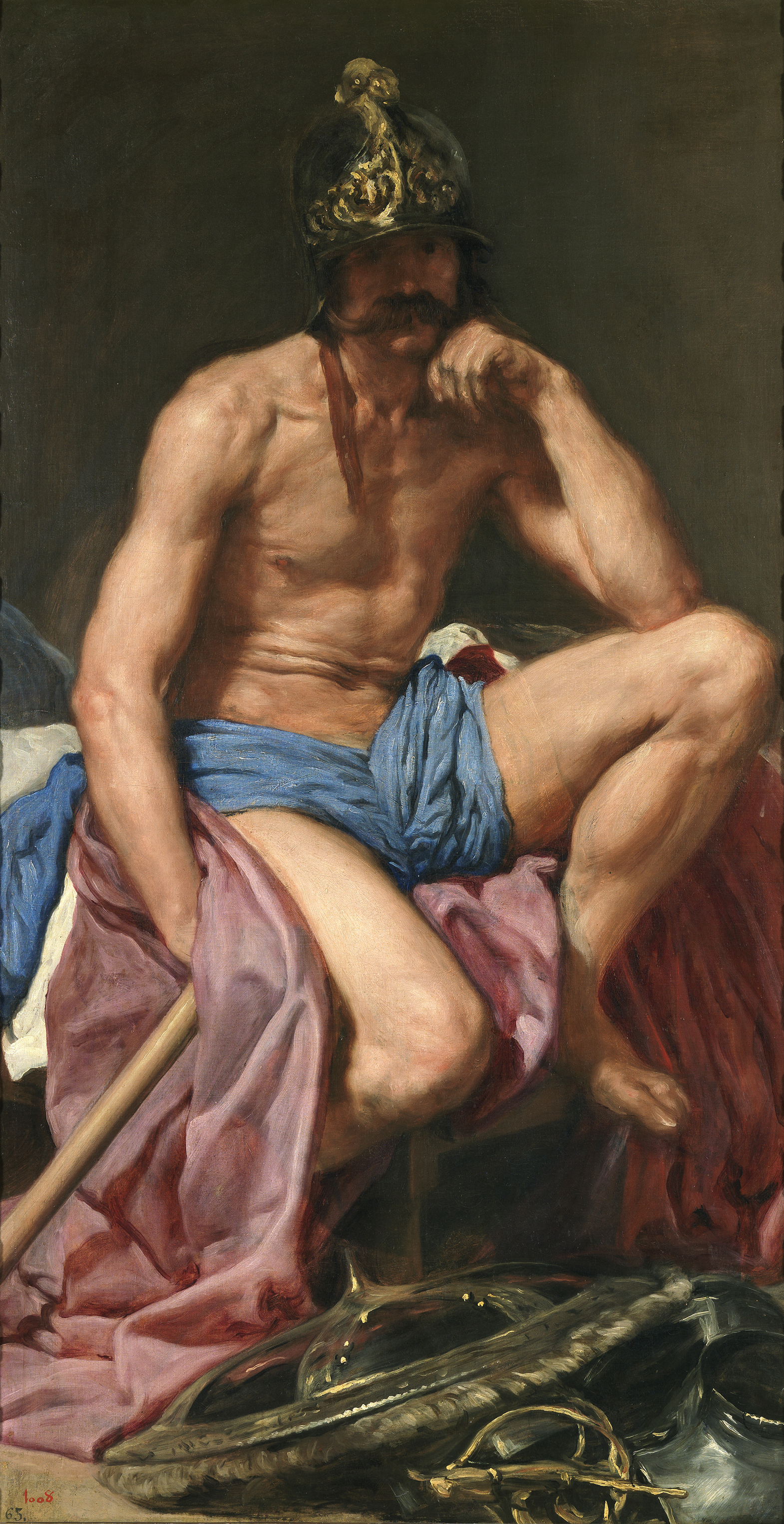
Ares, Courage and Peace
Ἄρης
Prayer and ritual
These hymns may be spoken as complete prayers to the Gods. Within the Temple’s practice, a ritual is a direct theurgical act; hymnody gathers the mind and turns it toward the Divine, helping the initiate enter reverent communion with the Gods.
Use a hymn on its own in place of another prayer, or add it to the prayer portion of a suitable ritual. Choose according to the deity addressed and the petition expressed in the hymn. When combining them, preserve the ritual’s prescribed sequence and let the hymn give voice to its purpose.
The petition of this hymn
Pray for steadfast courage, mastery of anger, and the strength to remain within the ordinances of peace.
Recite this hymn independently when seeking courage joined to clear self-command. It can supplement a protective rite or an appeal for justice, directing martial strength toward restraint, preservation, and release from hostile conflict.
English hieratic rendering
Hymn 08 · An English rendering aligned with the Greek lines.
- Ares of surpassing might, whose chariot is mighty, helmeted in gold,
- mighty of heart, shield bearer, city saviour, armed in bronze,
- strong of hand, unwearied, mighty in the spear, bulwark of Olympos,
- Father of Nike valiant in war, companion and helper of Themis,
- master of your opponents, leader of the most righteous men,
- bearer of the sceptre of manhood, wheeling your fiery circle
- among the seven wandering stars of aether, where your horses
- that blaze with fire ever hold you above the third celestial rim:
- hear, helper of mortals, giver of youth filled with courage,
- shining down a gentle radiance from on high upon
- our life, and strength for battle, that I may be able
- to drive bitter baseness far from my head,
- and bend down within my mind the soul's deceitful impulse,
- and restrain the sharp force of anger that provokes me
- to enter chilling strife. But grant me courage,
- blessed one, and to abide within the untroubled ordinances of peace,
- having escaped the tumult of enemies and the violent powers of doom.
Ancient Greek & pronunciation
Read the English pronunciation spelling directly below each Greek line.
- Ἆρες ὑπερμενέτα, βρισάρματε, χρυσεοπήληξ,AH-rehs ee-pehr-meh-NEH-tah, vree-SAHR-mah-teh, khree-seh-oh-PEE-leeks,
- ὀβριμόθυμε, φέρασπι, πολισσόε, χαλκοκορυστά,oh-vree-MOH-thee-meh, FEH-rah-spee, poh-lee-SOH-eh, khahl-koh-koh-ree-STAH,
- καρτερόχειρ, ἀμόγητε, δορισθενές, ἕρκος Ὀλύμπου,kahr-teh-ROH-hyeer, ah-MOH-yee-teh, dhoh-rees-theh-NEHS, EHR-kohs oh-LEEM-boo,
- Νίκης εὐπολέμοιο πάτερ, συναρωγὲ Θέμιστος,NEE-kees ehf-poh-LEH-mee-oh PAH-tehr, see-nah-roh-YEH THEH-mee-stohs,
- ἀντιβίοισι τύραννε, δικαιοτάτων ἀγὲ φωτῶν,ahn-dee-VEE-ee-see TEE-rah-neh, dhee-keh-oh-TAH-tohn ah-YEH foh-TOHN,
- ἠνορέης σκηπτοῦχε, πυραυγέα κύκλον ἑλίσσωνee-noh-REH-ees skeep-TOO-hyeh, pee-rahv-YEH-ah KEE-klohn eh-LEE-sohn
- αἰθέρος ἑπταπόροις ἐνὶ τείρεσιν, ἔνθα σε πῶλοιeh-THEH-rohs ehp-tah-POH-rees eh-NEE TEE-reh-seen, EHN-thah seh POH-lee
- ζαφλεγέες τριτάτης ὑπὲρ ἄντυγος αἰὲν ἔχουσι·zah-fleh-YEH-ehs tree-TAH-tees ee-PEHR AHN-dee-ghohs eh-EHN EH-khoo-see·
- κλῦθι, βροτῶν ἐπίκουρε, δοτὴρ εὐθαρσέος ἥβης,KLEE-thee, vroh-TOHN eh-PEE-koo-reh, dhoh-TEER ehf-thahr-SEH-ohs EE-vees,
- πρηὺ καταστίλβων σέλας ὑψόθεν ἐς βιότηταpree-EE kah-tah-STEEL-vohn SEH-lahs eep-SOH-thehn ehs vee-OH-tee-tah
- ἡμετέρην καὶ κάρτος ἀρήιον, ὥς κε δυναίμηνee-meh-TEH-reen KEH KAHR-tohs ah-REE-ee-ohn, OHS keh dhee-NEH-meen
- σεύασθαι κακότητα πικρὴν ἀπʼ ἐμοῖο καρήνου,SEH-vahs-theh kah-KOH-tee-tah pee-KREEN ahp’ eh-MEE-oh kah-REE-noo,
- καὶ ψυχῆς ἀπατηλὸν ὑπογνάμψαι φρεσὶν ὁρμήν,KEH psee-HYEES ah-pah-tee-LOHN ee-pohgh-NAHMP-seh freh-SEEN ohr-MEEN,
- θυμοῦ τ᾽ αὖ μένος ὀξὺ κατισχέμεν, ὅς μʼ ἐρέθῃσιthee-MOO t’ AHV MEH-nohs ohk-SEE kah-tees-HYEH-mehn, OHS m’ eh-REH-thee-see
- φυλόπιδος κρυερῆς ἐπιβαινέμεν· ἀλλὰ σὺ θάρσοςfee-LOH-pee-dhohs kree-eh-REES eh-pee-veh-NEH-mehn· ah-LAH SEE THAHR-sohs
- δός, μάκαρ, εἰρήνης τε μένειν ἐν ἀπήμοσι θεσμοῖςDHOHS, MAH-kahr, ee-REE-nees teh MEH-neen ehn ah-PEE-moh-see theh-ZMEES
- δυσμενέων προφυγόντα μόθον Κῆράς τε βιαίους.dhee-zmeh-NEH-ohn proh-fee-GHOHN-dah MOH-thohn KEE-RAHS teh vee-EH-oos.
Short sound guide for English speakers
Every line beneath the Greek uses English pronunciation spellings. Say each hyphenated syllable in sequence and emphasize the syllable in CAPITALS. For example, οὐρανόθεν is oo-rah-NOH-thehn. Read adjacent vowels separately: theh-AH has two syllables; oo-rah-NEE-een has four. Hyphens guide the voice; they do not mark pauses.
| Spelling | Sound to make |
|---|---|
| ah · eh · ee · oh · oo | father · met · see · go without its final glide · moon. Keep these vowels clear in unstressed syllables too. |
| th · dh | The unvoiced th in thin · the voiced th in this. Thus DHEE begins with the sound in “thee.” |
| kh | The ch in Scottish loch or German Bach: let air pass at the back of the mouth, without closing it into a k. |
| hy | The breathy beginning of a carefully spoken Hugh. Raise the middle of the tongue toward the roof of the mouth and let air pass without voice. In shy, sound s followed by hy; do not use the English sh sound or the English word “shy.” |
| gh | Make the kh sound above, then add voice. Keep the passage open; this is a flowing sound, not a hard g. |
| y · g | y as in yes, with gentle friction · always a hard g as in get. |
| r | Tap the tongue lightly behind the upper teeth, or use a light roll. |
| ks · ps | Sound both consonants, even at the beginning of a word: ks as in backs, ps as in lips. |
| n-g · m-b · n-d | Sound the nasal and the following consonant. In AHN-geh-leh, the n-g group is like finger, with the g audible. |
Always sound s as in hiss, even at the end of DHEE-kees; z is voiced, as in zero. All other consonants have their usual English sounds. Initial consonant groups may be unfamiliar: sound every written consonant, without inserting an extra vowel. A word without capitals carries no written stress in the Greek. Where two syllables have capitals, both written accents are retained. An apostrophe marks a vowel already elided in the Greek; do not add it back. A hyphen at the end of a Greek verse joins the unfinished word to the next verse.
These spellings follow the Modern Greek liturgical reading used throughout this library. Breathings and iota subscripts are silent; separately pronounced vowels remain separate. The few Greek consonants without an exact English equivalent use the sound cues above. Ancient vowel length, pitch accent and metre are not reconstructed.
Hymn notes
Sacred meaning
Ares appears as defender of cities, ally of Themis, father of Nike, and a celestial power among the seven wandering stars. The prayer asks his strength to govern the inward impulses that lead into destructive conflict. Its movement from armament to peace presents self-command as an exercise of divine martial power.
Textual note
The seven wandering stars and the third celestial rim are retained as the hymn’s own cosmological language. Their numbering is not replaced with a modern astronomical scheme.
Text and attribution
Greek text: Hugh G. Evelyn-White, Hymn 8 To Ares (1914), Perseus Digital Library. Greek source. The English hieratic rendering and suggested devotional use are new editorial work. The applications are guidance for this library, not additional lines of the ancient poem.