
Homeric Hymns · Hymn 06
Aphrodite Crowned with Gold
Ἀφροδίτη
Prayer and ritual
These hymns may be spoken as complete prayers to the Gods. Within the Temple’s practice, a ritual is a direct theurgical act; hymnody gathers the mind and turns it toward the Divine, helping the initiate enter reverent communion with the Gods.
Use a hymn on its own in place of another prayer, or add it to the prayer portion of a suitable ritual. Choose according to the deity addressed and the petition expressed in the hymn. When combining them, preserve the ritual’s prescribed sequence and let the hymn give voice to its purpose.
The petition of this hymn
Honour Aphrodite’s radiant arrival among the Gods and seek grace for song, beauty, and worthy accomplishment.
Use this hymn alone as a prayer of welcome and praise to Aphrodite. As a supplement to a rite for love or artistic success, its adornment and concluding request for victory can focus attention on grace made manifest through a completed work.
English hieratic rendering
Hymn 06 · An English rendering aligned with the Greek lines.
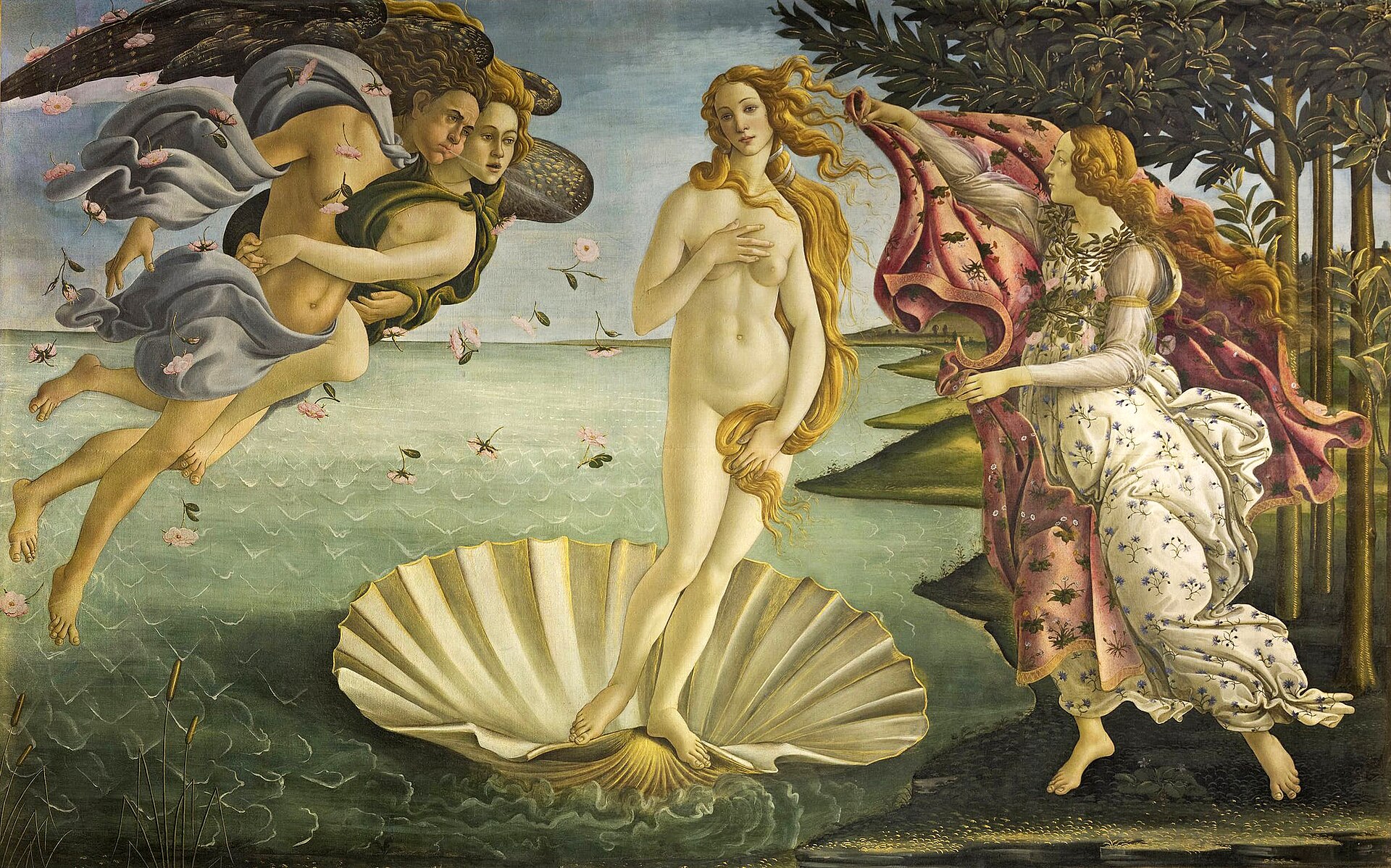
- Revered, crowned with gold, beautiful Aphrodite
- I shall sing, who has received the heights of all Cyprus,
- the island in the Sea, where the moist breath of mighty Zephyros
- bore her over the waves of the loudly roaring Sea
- within soft foam. The Seasons with their golden headbands
- welcomed her gladly and clothed her in immortal garments.
- Upon her immortal head they placed a crown wrought with care,
- beautiful and golden; and in her pierced earlobes,
- flowers of mountain bronze and precious gold.
- About her tender neck and her gleaming breasts
- they adorned her with golden necklaces, such as the Seasons themselves
- with their golden headbands wore when they went
- to the lovely dance of the Gods and to their Father's house.
- When they had placed every adornment about her body,
- they led her to the Immortals, who welcomed her at the sight,
- greeted her with their hands, and each desired
- that she should be his wedded wife and that he might bring her home,
- wondering at the beauty of Kythereia crowned with violets.
- Hail, you of the curling lashes, sweet in gentleness; grant that in this contest
- I may bear away victory, and set my song in order.
- And I shall remember both you and another song.
Ancient Greek & pronunciation
Read the English pronunciation spelling directly below each Greek line.
- αἰδοίην, χρυσοστέφανον, καλὴν Ἀφροδίτηνeh-DHEE-een, khree-soh-STEH-fah-nohn, kah-LEEN ah-froh-DHEE-teen
- ᾄσομαι, ἣ πάσης Κύπρου κρήδεμνα λέλογχενAH-soh-meh, EE PAH-sees KEE-proo KREE-dhehm-nah LEH-lohn-hyehn
- εἰναλίης, ὅθι μιν Ζεφύρου μένος ὑγρὸν ἀέντοςee-nah-LEE-ees, OH-thee meen zeh-FEE-roo MEH-nohs ee-GHROHN ah-EHN-dohs
- ἤνεικεν κατὰ κῦμα πολυφλοίσβοιο θαλάσσηςEE-nee-kehn kah-TAH KEE-mah poh-lee-FLEEZ-vee-oh thah-LAH-sees
- ἀφρῷ ἔνι μαλακῷ· τὴν δὲ χρυσάμπυκες Ὧραιah-FROH EH-nee mah-lah-KOH· TEEN DHEH khree-SAHM-bee-kehs OH-reh
- δέξαντ’ ἀσπασίως, περὶ δ’ ἄμβροτα εἵματα ἕσσαν·DHEHK-sahnd’ ah-spah-SEE-ohs, peh-REE dh’ AHM-vroh-tah EE-mah-tah EH-sahn·
- κρατὶ δ’ ἐπ’ ἀθανάτῳ στεφάνην εὔτυκτον ἔθηκανkrah-TEE dh’ ehp’ ah-thah-NAH-toh steh-FAH-neen EHF-teek-tohn EH-thee-kahn
- καλήν, χρυσείην· ἐν δὲ τρητοῖσι λοβοῖσινkah-LEEN, khree-SEE-een· ehn DHEH tree-TEE-see loh-VEE-seen
- ἄνθεμ’ ὀρειχάλκου χρυσοῖό τε τιμήεντος·AHN-thehm’ oh-ree-KHAHL-koo khree-SEE-OH teh tee-MEE-ehn-dohs·
- δειρῇ δ’ ἀμφ’ ἁπαλῇ καὶ στήθεσιν ἀργυφέοισινdhee-REE dh’ ahmf’ ah-pah-LEE KEH STEE-theh-seen ahr-yee-FEH-ee-seen
- ὅρμοισι χρυσέοισιν ἐκόσμεον, οἷσί περ αὐταὶOHR-mee-see khree-SEH-ee-seen eh-KOH-zmeh-ohn, EE-SEE pehr ahf-TEH
- Ὧραι κοσμείσθην χρυσάμπυκες, ὁππότ’ ἴοιενOH-reh koh-ZMEES-theen khree-SAHM-bee-kehs, oh-POHT’ EE-ee-ehn
- ἐς χορὸν ἱμερόεντα θεῶν καὶ δώματα πατρός.ehs khoh-ROHN ee-meh-ROH-ehn-dah theh-OHN KEH DHOH-mah-tah pah-TROHS.
- αὐτὰρ ἐπειδὴ πάντα περὶ χροῒ κόσμον ἔθηκαν,ahf-TAHR eh-pee-DHEE PAHN-dah peh-REE khroh-EE KOH-zmohn EH-thee-kahn,
- ἦγον ἐς ἀθανάτους· οἳ δ’ ἠσπάζοντο ἰδόντεςEE-ghohn ehs ah-thah-NAH-toos· EE dh’ ee-SPAH-zohn-doh ee-DHOHN-dehs
- χερσί τ’ ἐδεξιόωντο καὶ ἠρήσαντο ἕκαστοςhyehr-SEE t’ eh-dhehk-see-OH-ohn-doh KEH ee-REE-sahn-doh EH-kah-stohs
- εἶναι κουριδίην ἄλοχον καὶ οἴκαδ’ ἄγεσθαι,EE-neh koo-ree-DHEE-een AH-loh-khohn KEH EE-kahdh’ AH-yehs-theh,
- εἶδος θαυμάζοντες ἰοστεφάνου Κυθερείης.EE-dhohs thahv-MAH-zohn-dehs ee-oh-steh-FAH-noo kee-theh-REE-ees.
- χαῖρ’ ἑλικοβλέφαρε, γλυκυμείλιχε· δὸς δ’ ἐν ἀγῶνιHYEHR’ eh-lee-koh-VLEH-fah-reh, ghlee-kee-MEE-lee-hyeh· DHOHS dh’ ehn ah-GHOH-nee
- νίκην τῷδε φέρεσθαι, ἐμὴν δ’ ἔντυνον ἀοιδήν.NEE-keen TOH-dheh FEH-rehs-theh, eh-MEEN dh’ EHN-dee-nohn ah-ee-DHEEN.
- αὐτὰρ ἐγὼ καὶ σεῖο καὶ ἄλλης μνήσομ’ ἀοιδῆς.ahf-TAHR eh-GHOH KEH SEE-oh KEH AH-lees MNEE-sohm’ ah-ee-DHEES.
Short sound guide for English speakers
Every line beneath the Greek uses English pronunciation spellings. Say each hyphenated syllable in sequence and emphasize the syllable in CAPITALS. For example, οὐρανόθεν is oo-rah-NOH-thehn. Read adjacent vowels separately: theh-AH has two syllables; oo-rah-NEE-een has four. Hyphens guide the voice; they do not mark pauses.
| Spelling | Sound to make |
|---|---|
| ah · eh · ee · oh · oo | father · met · see · go without its final glide · moon. Keep these vowels clear in unstressed syllables too. |
| th · dh | The unvoiced th in thin · the voiced th in this. Thus DHEE begins with the sound in “thee.” |
| kh | The ch in Scottish loch or German Bach: let air pass at the back of the mouth, without closing it into a k. |
| hy | The breathy beginning of a carefully spoken Hugh. Raise the middle of the tongue toward the roof of the mouth and let air pass without voice. In shy, sound s followed by hy; do not use the English sh sound or the English word “shy.” |
| gh | Make the kh sound above, then add voice. Keep the passage open; this is a flowing sound, not a hard g. |
| y · g | y as in yes, with gentle friction · always a hard g as in get. |
| r | Tap the tongue lightly behind the upper teeth, or use a light roll. |
| ks · ps | Sound both consonants, even at the beginning of a word: ks as in backs, ps as in lips. |
| n-g · m-b · n-d | Sound the nasal and the following consonant. In AHN-geh-leh, the n-g group is like finger, with the g audible. |
Always sound s as in hiss, even at the end of DHEE-kees; z is voiced, as in zero. All other consonants have their usual English sounds. Initial consonant groups may be unfamiliar: sound every written consonant, without inserting an extra vowel. A word without capitals carries no written stress in the Greek. Where two syllables have capitals, both written accents are retained. An apostrophe marks a vowel already elided in the Greek; do not add it back. A hyphen at the end of a Greek verse joins the unfinished word to the next verse.
These spellings follow the Modern Greek liturgical reading used throughout this library. Breathings and iota subscripts are silent; separately pronounced vowels remain separate. The few Greek consonants without an exact English equivalent use the sound cues above. Ancient vowel length, pitch accent and metre are not reconstructed.
Hymn notes
Sacred meaning
The Seasons receive and adorn Aphrodite, placing beauty within an ordered divine welcome. Gold, flowers, garments, and necklaces express the splendour through which the Goddess becomes perceptible. The final appeal turns contemplation of her beauty into a request that the singer’s own song receive order and success.
Textual note
ὀρείχαλκος is rendered literally “mountain bronze”; the ancient name does not establish a precise modern alloy.
Text and attribution
Greek text: Hugh G. Evelyn-White, Hymn 6 To Aphrodite (1914), Perseus Digital Library. Greek source. The English hieratic rendering and suggested devotional use are new editorial work. The applications are guidance for this library, not additional lines of the ancient poem.