.jpg)
Hymns of Callimachus · Hymn 05
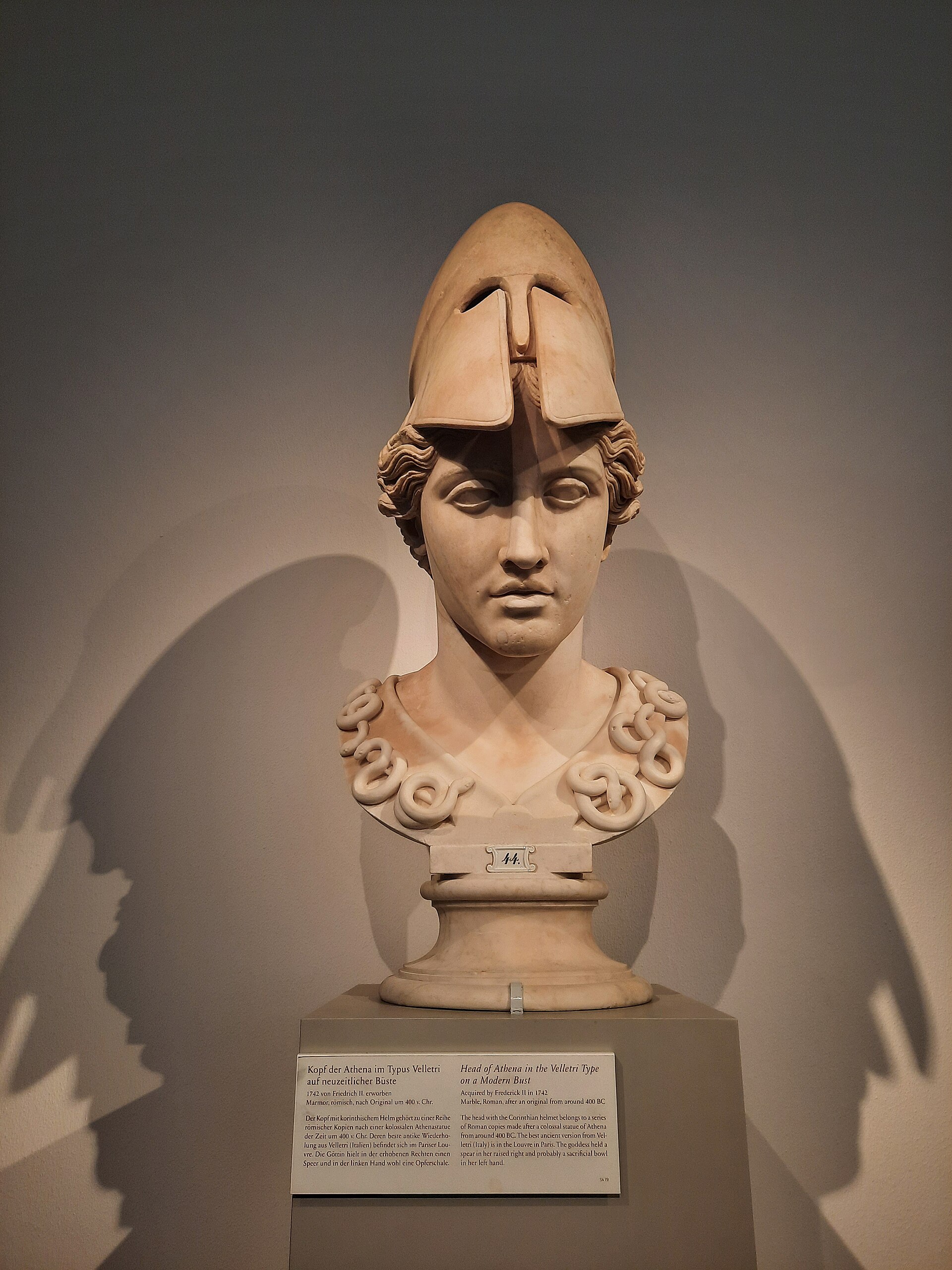
Athena: The Bath of Pallas
εἰς λουτρὰ τῆς Παλλάδος
Prayer and ritual
These hymns may be spoken as complete prayers to the Gods. Within the Temple’s practice, a ritual is a direct theurgical act; hymnody gathers the mind and turns it toward the Divine, helping the initiate enter reverent communion with the Gods.
Use a hymn on its own in place of another prayer, or add it to the prayer portion of a suitable ritual. Choose according to the deity addressed and the petition expressed in the hymn. When combining them, preserve the ritual’s prescribed sequence and let the hymn give voice to its purpose.
The petition of this hymn
For the reverent reception of Athena, the protection of one’s community, and wisdom in approaching the divine.
This hymn may stand as an extended prayer welcoming Athena and seeking her care for a community. It may also supplement an existing purification or protective rite: the bathing procession and its prescriptions belong to the ancient poem, while the present recommendation concerns recitation and recollection.
English hieratic rendering
Hymn 05 · An English rendering aligned with the Greek lines.
- All you who bear the bath-water of Pallas, come forth together,
- come forth: just now I heard the sacred horses
- snorting, and the goddess is ready to proceed.
- Hasten now, fair-haired daughters of Pelasgus, hasten.
- Never did Athena wash her mighty arms
- before driving the dust from her horses’ flanks,
- not even when she came bearing all her armor
- spattered with gore, returning from the unjust earthborn Giants.
- First of all she loosed the horses’ necks from beneath the chariot,
- and in the springs of Ocean washed away
- their sweat and splashes, and cleansed all the foam
- that had hardened upon their bit-biting mouths.
- Come, daughters of Achaea, and bring neither perfumes nor alabaster vessels,
- (I hear the sound of the axles’ pipes),
- neither perfumes, bath-attendants, nor alabaster vessels for Pallas,
- for Athena does not love compounded ointments;
- bring no mirror either, for her face is ever fair.
- Not even when the Phrygian judged the quarrel upon Ida
- did the great goddess gaze into polished brass,
- nor into the translucent eddy of Simois;
- nor did Hera. But Cypris took the shining bronze
- and often twice rearranged the very same lock of hair.
- Athena ran twice sixty double courses,
- like the Lacedaemonian stars beside Eurotas,
- and skillfully rubbed herself with plain ointment,
- taken from the fruit of her own planting.
- O maidens, the flush rose upon her, such a color
- as the morning rose or the seed of the pomegranate bears.
- Therefore now also bring only manly oil,
- with which Castor, with which Heracles too anoints himself.
- Bring her a comb all of gold, that she may comb out
- her hair, having cleansed her gleaming locks.
- Come forth, Athena: here stands the company dear to your heart,
- maidens, daughters of the mighty sons of Acestor.
- O Athena, the shield of Diomedes too is borne in procession,
- for this was the older custom of the Argives,
- taught by Eumedes, your favored priest.
- Once, perceiving that the people were preparing
- a plotted death for him, he fled bearing your sacred image,
- and made his home upon Mount Creion.
- Mount Creion was his home; you, divine one, he placed
- among the rugged rocks now called Pallatides.
- Come forth, Athena, sacker of cities, golden-helmeted,
- delighting in the thunder of horses and shields.
- Today, water-bearers, do not dip your vessels; today, Argos,
- drink from the fountains, and not from the river.
- Today, women in service, carry your pitchers either to Physadeia
- or to Amymone, the daughter of Danaus.
- For Inachus, mingling his waters with gold and flowers,
- will come from the mountains where cattle graze,
- bearing a fair bath for Athena. But you, Pelasgian man,
- take heed lest even unwillingly you behold the Queen.
- Whoever sees Pallas, guardian of the city, naked,
- shall behold this Argos for the very last time.
- Sovereign Athena, come forth; meanwhile I shall tell
- these maidens a tale, no tale of my own, but of others.
- Children, once at Thebes Athena loved one Nymph
- far beyond all her other companions,
- the mother of Tiresias, and never was she apart from her.
- Whether she drove toward ancient Thespiae,
- or toward Coroneia, or into Haliartus,
- passing with her horses through the fields of the Boeotians,
- or toward Coroneia, where her fragrant grove
- and altars stand beside the river Coralius,
- often the goddess set her upon her own chariot.
- Neither the Nymphs’ converse nor their circling dances
- were sweet when Chariclo did not lead them.
- Yet even her many tears awaited,
- though she was a companion dear to Athena’s heart.
- For once, unfastening the brooches of their robes,
- at the fair-flowing Spring of the Horse on Helicon,
- they bathed; midday stillness held the mountain.
- Both were bathing, and it was the hour of noon,
- and a deep stillness possessed that mountain.
- Tiresias, alone with his hounds, his cheeks only beginning
- to darken with a beard, ranged about the sacred place.
- Thirsting beyond measure, he came to the flowing spring,
- unhappy youth; unwillingly he saw what was not permitted.
- Though angry, Athena nevertheless spoke to him:
- “Who led you, whose eyes shall not be carried away again,
- O son of Eueres, what divine power led you upon this grievous road?”
- So she spoke, and night took the boy’s eyes.
- He stood speechless, for anguish fastened
- his knees, and helplessness held his voice.
- The Nymph cried out: “What have you done to my son,
- sovereign? Are such as these the friendships of goddesses?
- You have taken away my child’s eyes. Child never to be forgotten,
- you saw Athena’s breast and flanks,
- but shall not see the sun again. Alas, unhappy me!
- O mountain, O Helicon, where I may no longer go,
- great payment you have exacted for a little: having lost a few
- roe-deer and gazelles, you possess my child’s eyes.”
- Ah, then taking her dear child in both arms,
- the mother raised the mournful lament of nightingales,
- weeping heavily. The goddess pitied her companion,
- and Athena spoke this word to her:
- “Divine woman, take back every word
- that you spoke in anger. I did not make your child blind.
- For it brings Athena no delight to snatch away
- the eyes of children. Yet the laws of Cronus’s son declare:
- whoever beholds an immortal, when the god does not choose it,
- shall see at a great price.
- Divine woman, what has been done cannot now be taken back,
- for the thread of the Fates spun thus for him
- when first you bore him. Now receive,
- O son of Eueres, the portion that is owed to you.
- How many burnt offerings in days to come shall the daughter of Cadmus kindle,
- how many Aristaeus, praying to behold their only
- son, youthful Actaeon, merely blind!
- He too shall be a companion in the chase of great Artemis;
- yet neither their running together nor their shared
- archery in the mountains shall save him then,
- when, though unwillingly, he sees the gracious bath
- of the goddess. His own hounds shall then feast
- upon their former master; and his mother shall gather
- her son’s bones, passing through every thicket.
- She shall call you most blessed and fortunate,
- for receiving your blind son home from the mountains.
- Therefore, dear companion, lament no more: for him other
- honors in abundance shall await him from me, because of you.
- I shall make him a seer sung by generations yet to come,
- far excelling all the others.
- He shall know the birds, which are auspicious, which fly
- without a sign, and whose wings bear no good omen.
- Many oracles shall he pronounce to the Boeotians, many to Cadmus,
- and afterward to the mighty descendants of Labdacus.
- I shall give him a great staff, to lead his feet where they must go,
- and I shall grant his life a long-delayed end.
- Alone, when he dies, he shall move in full understanding
- among the dead, honored by great Hagesilas.”
- So she spoke and nodded assent. Whatever Pallas nods upon
- is fulfilled, for to Athena alone among his daughters
- Zeus granted that she should bear all that is her father’s.
- O bath-attendants, no mother bore the goddess,
- but the head of Zeus. The head of Zeus does not assent to
- falsehood, nor does the daughter of Zeus speak falsely.
- Now Athena truly comes. Receive
- the goddess, O maidens charged with this task,
- with auspicious speech, with prayers, with sacred cries of joy.
- Hail, goddess, and take care of Inachian Argos.
- Hail as you drive forth, and may you drive your horses
- back here again; preserve the whole inheritance of the Danaans.
Ancient Greek & pronunciation
Read the English pronunciation spelling directly below each Greek line.
- ὅσσαι λωτροχόοι τᾶς Παλλάδος ἔξιτε πᾶσαι,OH-seh loh-troh-KHOH-ee TAHS pah-LAH-dhohs EHK-see-teh PAH-seh,
- ἔξιτε· τᾶν ἵππων ἄρτι φρυασσομενᾶνEHK-see-teh· TAHN EE-pohn AHR-tee free-ah-soh-meh-NAHN
- τᾶν ἱερᾶν ἐσάκουσα, καὶ ἁ θεὸς εὔτυκος ἕρπεινTAHN ee-eh-RAHN eh-SAH-koo-sah, KEH ah theh-OHS EHF-tee-kohs EHR-peen
- σοῦσθέ νυν, ὦ ξανθαί, σοῦσθε Πελασγιάδες.SOOS-THEH neen, OH ksahn-THEH, SOOS-theh peh-lahz-yee-AH-dhehs.
- οὔποκʼ Ἀθαναία μεγάλως ἀπενίψατο πάχειςOO-pohk’ ah-thah-NEH-ah meh-GHAH-lohs ah-peh-NEEP-sah-toh PAH-hyees
- πρὶν κόνιν ἱππειᾶν ἐξελάσαι λαγόνων,PREEN KOH-neen ee-pee-AHN ehk-seh-LAH-seh lah-GHOH-nohn,
- οὐδʼ ὅκα δὴ λύθρῳ πεπαλαγμένα πάντα φέροισαoodh’ OH-kah DHEE LEE-throh peh-pah-lahgh-MEH-nah PAHN-dah FEH-ree-sah
- τεύχεα τῶν ἀδίκων ἦνθʼ ἀπὸ γηγενέων,TEHF-hyeh-ah TOHN ah-DHEE-kohn EENTH’ ah-POH yee-yeh-NEH-ohn,
- ἀλλὰ πολὺ πράτιστον ὑφʼ ἅρματος αὐχένας ἵππωνah-LAH poh-LEE PRAH-tee-stohn eef’ AHR-mah-tohs ahf-HYEH-nahs EE-pohn
- λυσαμένα παγαῖς ἔκλυσεν Ὠκεανῶlee-sah-MEH-nah pah-YEHS EH-klee-sehn oh-keh-ah-NOH
- ἱδρῶ καὶ ῥαθάμιγγας, ἐφοίβασεν δὲ παγένταee-DHROH KEH rah-THAH-meen-gahs, eh-FEE-vah-sehn DHEH pah-YEHN-dah
- πάντα χαλινοφάγων ἀφρὸν ἀπὸ στομάτων.PAHN-dah khah-lee-noh-FAH-ghohn ah-FROHN ah-POH stoh-MAH-tohn.
- ὦ ἴτʼ Ἀχαιιάδες, καὶ μὴ μύρα μηδʼ ἀλαβάστρωςOH EET’ ah-hyeh-ee-AH-dhehs, KEH MEE MEE-rah meedh’ ah-lah-VAH-strohs
- (συρίγγων ἀίω φθόγγον ὑπαξονίων),(see-REEN-gohn ah-EE-oh FTHOHN-gohn ee-pahk-soh-NEE-ohn),
- μὴ μύρα λωτροχόοι τᾷ Παλλάδι μηδʼ ἀλαβάστρωςMEE MEE-rah loh-troh-KHOH-ee TAH pah-LAH-dhee meedh’ ah-lah-VAH-strohs
- (οὐ γὰρ Ἀθαναία χρίματα μεικτὰ φιλεῖ)(oo GHAHR ah-thah-NEH-ah KHREE-mah-tah meek-TAH fee-LEE)
- οἴσετε μηδὲ κάτοπτρον· ἀεὶ καλὸν ὄμμα τὸ τήναςEE-seh-teh mee-DHEH KAH-tohp-trohn· ah-EE kah-LOHN OH-mah TOH TEE-nahs
- οὐδʼ ὅκα τὰν Ἴδᾳ Φρὺξ ἐδίκαζεν ἔριν,oodh’ OH-kah TAHN EE-dhah FREEKS eh-DHEE-kah-zehn EH-reen,
- οὔτʼ ἐς ὀρείχαλκον μεγάλα θεὸς οὔτε ΣιμοῦντοςOOT’ ehs oh-REE-khahl-kohn meh-GHAH-lah theh-OHS OO-teh see-MOON-dohs
- ἔβλεψεν δίναν ἐς διαφαινομέναν·EH-vlehp-sehn DHEE-nahn ehs dhee-ah-feh-noh-MEH-nahn·
- οὐδʼ Ἥρα· Κύπρις δὲ διαυγέα χαλκὸν ἑλοῖσαoodh’ EE-rah· KEE-prees DHEH dhee-ahv-YEH-ah khahl-KOHN eh-LEE-sah
- πολλάκι τὰν αὐτὰν δὶς μετέθηκε κόμαν·poh-LAH-kee TAHN ahf-TAHN DHEES meh-TEH-thee-keh KOH-mahn·
- ἁ δέ, δὶς ἑξήκοντα διαθρέξασα διαύλως,ah DHEH, DHEES ehk-SEE-kohn-dah dhee-ah-THREHK-sah-sah dhee-AH-vlohs,
- οἷα παρʼ Εὐρώτᾳ τοὶ ΛακεδαιμόνιοιEE-ah pahr’ eh-VROH-tah TEE lah-keh-dheh-MOH-nee-ee
- ἀστέρες, ἐμπεράμως ἐνετρίψατο λιτὰ λαβοῖσαah-STEH-rehs, ehm-beh-RAH-mohs eh-neh-TREEP-sah-toh lee-TAH lah-VEE-sah
- χρίματα, τᾶς ἰδίας ἔκγονα φυταλιᾶς·KHREE-mah-tah, TAHS ee-DHEE-ahs EHK-ghoh-nah fee-tah-lee-AHS·
- ὦ κῶραι, τὸ δʼ ἔρευθος ἀνέδραμε, πρώιον οἵανOH KOH-reh, TOH dh’ EH-rehf-thohs ah-NEH-dhrah-meh, PROH-ee-ohn EE-ahn
- ἢ ῥόδον ἢ σίβδας κόκκος ἔχει χροΐαν.EE ROH-dhohn EE SEEV-dhahs KOH-kohs EH-hyee khroh-EE-ahn.
- τῶ καὶ νῦν ἄρσεν τι κομίξατε μῶνον ἔλαιον,TOH KEH NEEN AHR-sehn tee koh-MEEK-sah-teh MOH-nohn EH-leh-ohn,
- ᾧ Κάστωρ, ᾧ καὶ χρίεται Ἡρακλέης·OH KAH-stohr, OH KEH KHREE-eh-teh ee-rah-KLEH-ees·
- οἴσετε καὶ κτένα οἱ παγχρύσεον, ὡς ἀπὸ χαίτανEE-seh-teh KEH KTEH-nah ee pahn-KHREE-seh-ohn, ohs ah-POH HYEH-tahn
- πέξηται, λιπαρὸν σμασαμένα πλόκαμον.PEHK-see-teh, lee-pah-ROHN zmah-sah-MEH-nah PLOH-kah-mohn.
- ἔξιθʼ Ἀθαναία· πάρα τοι καταθύμιος ἴλα,EHK-seeth’ ah-thah-NEH-ah· PAH-rah tee kah-tah-THEE-mee-ohs EE-lah,
- παρθενικαὶ μεγάλων παῖδες Ἀκεστοριδᾶνpahr-theh-nee-KEH meh-GHAH-lohn PEH-dhehs ah-keh-stoh-ree-DHAHN
- ὠθάνα, φέρεται δὲ καὶ ἁ Διομήδεος ἀσπίς,oh-THAH-nah, FEH-reh-teh DHEH KEH ah dhee-oh-MEE-dheh-ohs ah-SPEES,
- ὡς ἔθος Ἀργείων τοῦτο παλαιότερονohs EH-thohs ahr-YEE-ohn TOO-toh pah-leh-OH-teh-rohn
- Εὐμήδης ἐδίδαξε, τεὶν κεχαρισμένος ἱρεύς·ehv-MEE-dhees eh-DHEE-dhahk-seh, TEEN keh-khah-ree-ZMEH-nohs ee-REHFS·
- ὅς ποκα βωλευτὸν γνοὺς ἐπί οἱ θάνατονOHS poh-kah voh-lehf-TOHN GHNOOS eh-PEE ee THAH-nah-tohn
- δᾶμον ἑτοιμάζοντα φυγᾷ τεὸν ἱρὸν ἄγαλμαDHAH-mohn eh-tee-MAH-zohn-dah fee-GHAH teh-OHN ee-ROHN AH-ghahl-mah
- ᾤχετʼ ἔχων, Κρεῖον δʼ εἰς ὄρος ᾠκίσατο·OH-hyeht’ EH-khohn, KREE-ohn dh’ ees OH-rohs oh-KEE-sah-toh·
- Κρεῖον ὄρος· σὲ δέ, δαῖμον, ἀπορρώγεσσιν ἔθηκενKREE-ohn OH-rohs· SEH DHEH, DHEH-mohn, ah-poh-ROH-yeh-seen EH-thee-kehn
- ἐν πέτραις, αἷς νῦν οὔνομα Παλλατίδες·ehn PEH-trehs, EHS NEEN OO-noh-mah pah-lah-TEE-dhehs·
- ἔξιθʼ Ἀθαναία περσέπτολι, χρυσεοπήληξ,EHK-seeth’ ah-thah-NEH-ah pehr-SEHP-toh-lee, khree-seh-oh-PEE-leeks,
- ἵππων καὶ σακέων ἁδομένα πατάγῳ.EE-pohn KEH sah-KEH-ohn ah-dhoh-MEH-nah pah-TAH-ghoh.
- σάμερον ὑδροφόροι μὴ βάπτετε—σάμερον ἌργοςSAH-meh-rohn ee-dhroh-FOH-ree MEE VAHP-teh-teh—SAH-meh-rohn AHR-ghohs
- πίνετʼ ἀπὸ κρανᾶν μηδʼ ἀπὸ τῶ ποταμῶ,PEE-neht’ ah-POH krah-NAHN meedh’ ah-POH TOH poh-tah-MOH,
- σάμερον αἱ δῶλαι τὰς κάλπιδας ἢ ᾽ς ΦυσάδειανSAH-meh-rohn eh DHOH-leh TAHS KAHL-pee-dhahs EE ’s fee-SAH-dhee-ahn
- ἢ ἐς Ἀμυμώναν οἴσετε τὰν Δαναῶ.EE ehs ah-mee-MOH-nahn EE-seh-teh TAHN dhah-nah-OH.
- καὶ γὰρ δὴ χρυσῷ τε καὶ ἄνθεσιν ὕδατα μίξαςKEH GHAHR DHEE khree-SOH teh KEH AHN-theh-seen EE-dhah-tah MEEK-sahs
- ἡξεῖ φορβαίων Ἴναχος ἐξ ὀρέωνeek-SEE fohr-VEH-ohn EE-nah-khohs ehks oh-REH-ohn
- τἀθάνᾳ τὸ λοετρὸν ἄγων καλόν. ἀλλά, Πελασγέ,tah-THAH-nah TOH loh-eh-TROHN AH-ghohn kah-LOHN. ah-LAH, peh-lahz-YEH,
- φράζεο μὴ οὐκ ἐθέλων τὰν βασίλειαν ἴδῃς.FRAH-zeh-oh MEE ook eh-THEH-lohn TAHN vah-SEE-lee-ahn EE-dhees.
- ὅς κεν ἴδῃ γυμνὰν τὰν Παλλάδα τὰν πολιοῦχον,OHS kehn EE-dhee yeem-NAHN TAHN pah-LAH-dhah TAHN poh-lee-OO-khohn,
- τὦργος ἐσοψεῖται τοῦτο πανυστάτιον.TOHR-ghohs eh-sohp-SEE-teh TOO-toh pah-nee-STAH-tee-ohn.
- πότνιʼ Ἀθαναία τὺ μὲν ἔξιθι· μέσφα δʼ ἐγώ τιPOHT-nee’ ah-thah-NEH-ah TEE MEHN EHK-see-thee· MEH-sfah dh’ eh-GHOH tee
- ταῖσδʼ ἐρέω. μῦθος δʼ οὐκ ἐμός, ἀλλʼ ἑτέρων.TEHZDH’ eh-REH-oh. MEE-thohs dh’ ook eh-MOHS, ahl’ eh-TEH-rohn.
- παῖδες, Ἀθαναία νύμφαν μίαν ἔν ποκα ΘήβαιςPEH-dhehs, ah-thah-NEH-ah NEEM-fahn MEE-ahn EHN poh-kah THEE-vehs
- πουλύ τι καὶ περὶ δὴ φίλατο τᾶν ἑταρᾶν,poo-LEE tee KEH peh-REE DHEE FEE-lah-toh TAHN eh-tah-RAHN,
- ματέρα Τειρεσίαο, καὶ οὔποκα χωρὶς ἔγεντο·mah-TEH-rah tee-reh-SEE-ah-oh, KEH OO-poh-kah khoh-REES EH-yehn-doh·
- ἀλλὰ καὶ ἀρχαίων εὖτʼ ἐπὶ Θεσπιέωνah-LAH KEH ahr-HYEH-ohn EHFT’ eh-PEE theh-spee-EH-ohn
- ἢ ʼπὶ Κορωνείας ἢ εἰς Ἁλίαρτον ἐλαύνοιEE ’PEE koh-roh-NEE-ahs EE ees ah-LEE-ahr-tohn eh-LAHV-nee
- ἵππως, Βοιωτῶν ἔργα διερχομένα,EE-pohs, vee-oh-TOHN EHR-ghah dhee-ehr-khoh-MEH-nah,
- ἢ ʼπὶ Κορωνείας, ἵνα οἱ τεθυωμένον ἄλσοςEE ’PEE koh-roh-NEE-ahs, EE-nah ee teh-thee-oh-MEH-nohn AHL-sohs
- καὶ βωμοὶ ποταμῷ κεῖντʼ ἐπὶ Κωραλίῳ·KEH voh-MEE poh-tah-MOH KEEND’ eh-PEE koh-rah-LEE-oh·
- πολλάκις ἁ δαίμων νιν ἑῶ ἐπεβάσατο δίφρω,poh-LAH-kees ah DHEH-mohn neen eh-OH eh-peh-VAH-sah-toh DHEE-froh,
- οὐδʼ ὄαροι νυμφᾶν οὐδὲ χοροστασίαιoodh’ OH-ah-ree neem-FAHN oo-DHEH khoh-roh-stah-SEE-eh
- ἁδεῖαι τελέθεσκον, ὅκʼ οὐχ ἁγεῖτο Χαρικλώ·ah-DHEE-eh teh-LEH-theh-skohn, OHK’ ookh ah-YEE-toh khah-ree-KLOH·
- ἀλλʼ ἔτι καὶ τήναν δάκρυα πόλλʼ ἔμενεν,ahl’ EH-tee KEH TEE-nahn DHAH-kree-ah POHL’ EH-meh-nehn,
- καίπερ Ἀθαναίᾳ καταθύμιον ἔσσαν ἑταίραν.KEH-pehr ah-thah-NEH-ah kah-tah-THEE-mee-ohn EH-sahn eh-TEH-rahn.
- δή ποκα γὰρ πέπλων λυσαμένα περόναςDHEE poh-kah GHAHR PEH-plohn lee-sah-MEH-nah peh-ROH-nahs
- ἵππω ἐπὶ κράνᾳ Ἑλικωνίδι καλὰ ῥεοίσᾳEE-poh eh-PEE KRAH-nah eh-lee-koh-NEE-dhee kah-LAH reh-EE-sah
- λῶντο· μεσαμβρινὰ δʼ εἶχʼ ὄρος ἁσυχία.LOHN-doh· meh-sahm-vree-NAH dh’ EEKH’ OH-rohs ah-see-HYEE-ah.
- ἀμφότεραι λώοντο, μεσαμβριναὶ δʼ ἔσαν ὧραι,ahm-FOH-teh-reh LOH-ohn-doh, meh-sahm-vree-NEH dh’ EH-sahn OH-reh,
- πολλὰ δʼ ἁσυχία τῆνο κατεῖχεν ὄρος.poh-LAH dh’ ah-see-HYEE-ah TEE-noh kah-TEE-hyehn OH-rohs.
- Τειρεσίας δʼ ἔτι μῶνος ἁμᾶ κυσὶν ἄρτι γένειαtee-reh-SEE-ahs dh’ EH-tee MOH-nohs ah-MAH kee-SEEN AHR-tee YEH-nee-ah
- περκάζων ἱερὸν χῶρον ἀνεστρέφετο·pehr-KAH-zohn ee-eh-ROHN KHOH-rohn ah-neh-STREH-feh-toh·
- διψάσας δʼ ἄφατόν τι ποτὶ ῥόον ἤλυθε κράνας,dheep-SAH-sahs dh’ AH-fah-TOHN tee poh-TEE ROH-ohn EE-lee-theh KRAH-nahs,
- σχέτλιος· οὐκ ἐθέλων δʼ εἶδε τὰ μὴ θεμιτά·SHYEHT-lee-ohs· ook eh-THEH-lohn dh’ EE-dheh TAH MEE theh-mee-TAH·
- τὸν δὲ χολωσαμένα περ ὅμως προσέφασεν ἈθάναTOHN DHEH khoh-loh-sah-MEH-nah pehr OH-mohs proh-SEH-fah-sehn ah-THAH-nah
- τίς σε, τὸν ὀφθαλμὼς οὐκέτʼ ἀποισόμενον,TEES seh, TOHN ohf-thahl-MOHS oo-KEHT’ ah-pee-SOH-meh-nohn,
- ὦ Εὐηρείδα, χαλεπὰν ὁδὸν ἄγαγε δαίμων;OH eh-vee-REE-dhah, khah-leh-PAHN oh-DHOHN AH-ghah-yeh DHEH-mohn;
- ἁ μὲν ἔφα, παιδὸς δʼ ὄμματα νὺξ ἔλαβεν.ah MEHN EH-fah, peh-DHOHS dh’ OH-mah-tah NEEKS EH-lah-vehn.
- ἑστάκη δʼ ἄφθογγος, ἐκόλλασαν γὰρ ἀνῖαιeh-STAH-kee dh’ AHF-thohn-gohs, eh-KOH-lah-sahn GHAHR ah-NEE-eh
- γώνατα καὶ φωνὰν ἔσχεν ἀμηχανία.GHOH-nah-tah KEH foh-NAHN EHS-hyehn ah-mee-khah-NEE-ah.
- ἁ νύμφα δʼ ἐβόασε τί μοι τὸν κῶρον ἔρεξας,ah NEEM-fah dh’ eh-VOH-ah-seh TEE mee TOHN KOH-rohn EH-rehk-sahs,
- πότνια; τοιαῦται δαίμονες ἐστὲ φίλαι;POHT-nee-ah; tee-AHF-teh DHEH-moh-nehs eh-STEH FEE-leh;
- ὄμματά μοι τῶ παιδὸς ἀφείλεο. τέκνον ἄλαστε,OH-mah-TAH mee TOH peh-DHOHS ah-FEE-leh-oh. TEHK-nohn AH-lah-steh,
- εἶδες Ἀθαναίας στήθεα καὶ λαγόνας,EE-dhehs ah-thah-NEH-ahs STEE-theh-ah KEH lah-GHOH-nahs,
- ἀλλʼ οὐκ ἀέλιον πάλιν ὄψεαι. ὦ ἐμὲ δειλάν,ahl’ ook ah-EH-lee-ohn PAH-leen OHP-seh-eh. OH eh-MEH dhee-LAHN,
- ὦ ὄρος, ὦ Ἑλικὼν οὐκέτι μοι παριτέ,OH OH-rohs, OH eh-lee-KOHN oo-KEH-tee mee pah-ree-TEH,
- ἦ μεγάλʼ ἀντʼ ὀλίγων ἐπράξαο· δόρκας ὀλέσσαςEE meh-GHAHL’ ahnd’ oh-LEE-ghohn eh-PRAHK-sah-oh· DHOHR-kahs oh-LEH-sahs
- καὶ πρόκας οὐ πολλὰς φάεα παιδὸς ἔχεις.KEH PROH-kahs oo poh-LAHS FAH-eh-ah peh-DHOHS EH-hyees.
- ἆ καὶ ἅμʼ ἀμφοτέραισι φίλον περὶ παῖδα λαβοῖσαAH KEH AHM’ ahm-foh-TEH-reh-see FEE-lohn peh-REE PEH-dhah lah-VEE-sah
- μάτηρ μὲν γοερᾶν οἶτον ἀηδονίδωνMAH-teer MEHN ghoh-eh-RAHN EE-tohn ah-ee-dhoh-NEE-dhohn
- ἆγε βαρὺ κλαίοισα, θεὰ δʼ ἐλέησεν ἑταίρανAH-yeh vah-REE KLEH-ee-sah, theh-AH dh’ eh-LEH-ee-sehn eh-TEH-rahn
- καί νιν Ἀθαναία πρὸς τόδʼ ἔλεξεν ἔποςKEH neen ah-thah-NEH-ah PROHS TOHDH’ EH-lehk-sehn EH-pohs
- δῖα γύναι, μετὰ πάντα βαλεῦ πάλιν ὅσσα διʼ ὀργὰνDHEE-ah YEE-neh, meh-TAH PAHN-dah vah-LEHV PAH-leen OH-sah dhee’ ohr-GHAHN
- εἶπας· ἐγὼ δʼ οὔ τοι τέκνον ἔθηκʼ ἀλαόν.EE-pahs· eh-GHOH dh’ OO tee TEHK-nohn EH-theek’ ah-lah-OHN.
- οὐ γὰρ Ἀθαναίᾳ γλυκερὸν πέλει ὄμματα παίδωνoo GHAHR ah-thah-NEH-ah ghlee-keh-ROHN PEH-lee OH-mah-tah PEH-dhohn
- ἁρπάζειν· Κρόνιοι δʼ ὧδε λέγοντι νόμοι·ahr-PAH-zeen· KROH-nee-ee dh’ OH-dheh LEH-ghohn-dee NOH-mee·
- ὅς κε τινʼ ἀθανάτων, ὅκα μὴ θεὸς αὐτὸς ἕληται,OHS keh teen’ ah-thah-NAH-tohn, OH-kah MEE theh-OHS ahf-TOHS EH-lee-teh,
- ἀθρήσῃ, μισθῶ τοῦτον ἰδεῖν μεγάλω.ah-THREE-see, mees-THOH TOO-tohn ee-DHEEN meh-GHAH-loh.
- δῖα γύναι, τὸ μὲν οὐ παλινάγρετον αὖθι γένοιτοDHEE-ah YEE-neh, TOH MEHN oo pah-lee-NAH-ghreh-tohn AHF-thee YEH-nee-toh
- ἔργον· ἐπεὶ μοιρᾶν ὧδʼ ἐπένησε λίνα,EHR-ghohn· eh-PEE mee-RAHN OHDH’ eh-PEH-nee-seh LEE-nah,
- ἁνίκα τὸ πρᾶτόν νιν ἐγείναο· νῦν δὲ κομίζευ,ah-NEE-kah TOH PRAH-TOHN neen eh-YEE-nah-oh· NEEN DHEH koh-MEE-zehv,
- ὦ Εὐηρείδα, τέλθος ὀφειλόμενον.OH eh-vee-REE-dhah, TEHL-thohs oh-fee-LOH-meh-nohn.
- πόσσα μὲν ἁ Καδμηὶς ἐς ὕστερον ἔμπυρα καυσεῖ,POH-sah MEHN ah kahdh-mee-EES ehs EE-steh-rohn EHM-bee-rah kahf-SEE,
- πόσσα δʼ Ἀρισταῖος, τὸν μόνον εὐχόμενοιPOH-sah dh’ ah-ree-STEH-ohs, TOHN MOH-nohn ehf-KHOH-meh-nee
- παῖδα, τὸν ἁβατὰν Ἀκταίονα, τυφλὸν ἰδέσθαι.PEH-dhah, TOHN ah-vah-TAHN ahk-TEH-oh-nah, tee-FLOHN ee-DHEHS-theh.
- καὶ τῆνος μεγάλας σύνδρομος ἈρτέμιδοςKEH TEE-nohs meh-GHAH-lahs SEEN-dhroh-mohs ahr-TEH-mee-dhohs
- ἐσσεῖτʼ· ἀλλʼ οὐκ αὐτὸν ὅ τε δρόμος αἵ τʼ ἐν ὄρεσσιeh-SEET’· ahl’ ook ahf-TOHN OH teh DHROH-mohs EH t’ ehn OH-reh-see
- ῥυσεῦνται ξυναὶ τᾶμος ἑκαβολίαι,ree-SEHVN-deh ksee-NEH TAH-mohs eh-kah-voh-LEE-eh,
- ὁππόκʼ ἂν οὐκ ἐθέλων περ ἴδῃ χαρίεντα λοετρὰoh-POHK’ AHN ook eh-THEH-lohn pehr EE-dhee khah-REE-ehn-dah loh-eh-TRAH
- δαίμονος· ἀλλʼ αὐταὶ τὸν πρὶν ἄνακτα κύνεςDHEH-moh-nohs· ahl’ ahf-TEH TOHN PREEN AH-nahk-tah KEE-nehs
- τουτάκι δειπνησεῦντι· τὰ δʼ υἱέος ὀστέα μάτηρtoo-TAH-kee dheep-nee-SEHVN-dee· TAH dh’ ee-EH-ohs oh-STEH-ah MAH-teer
- λεξεῖται δρυμὼς πάντας ἐπερχομένα·lehk-SEE-teh dhree-MOHS PAHN-dahs eh-pehr-khoh-MEH-nah·
- ὀλβίσταν ἐρέει σε καὶ εὐαίωνα γενέσθαι,ohl-VEE-stahn eh-REH-ee seh KEH eh-VEH-oh-nah yeh-NEHS-theh,
- ἐξ ὀρέων ἀλαὸν παῖδʼ ὑποδεξαμέναν.ehks oh-REH-ohn ah-lah-OHN PEHDH’ ee-poh-dhehk-sah-MEH-nahn.
- ὦ ἑτάρα, τῶ μή τι μινύρεο· τῷδε γὰρ ἄλλαOH eh-TAH-rah, TOH MEE tee mee-NEE-reh-oh· TOH-dheh GHAHR AH-lah
- τεῦ χάριν ἐξ ἐμέθεν πολλὰ μενεῦντι γέρα.TEHV KHAH-reen ehks eh-MEH-thehn poh-LAH meh-NEHVN-dee YEH-rah.
- μάντιν ἐπεὶ θησῶ νιν ἀοίδιμον ἐσσομένοισιν,MAHN-deen eh-PEE thee-SOH neen ah-EE-dhee-mohn eh-soh-MEH-nee-seen,
- ἦ μέγα τῶν ἄλλων δή τι περισσότερον.EE MEH-ghah TOHN AH-lohn DHEE tee peh-ree-SOH-teh-rohn.
- γνωσεῖται δʼ ὄρνιχας, ὅς αἴσιος οἵ τε πέτονταιghnoh-SEE-teh dh’ OHR-nee-khahs, OHS EH-see-ohs EE teh PEH-tohn-deh
- ἤλιθα καὶ ποίων οὐκ ἀγαθαὶ πτέρυγες.EE-lee-thah KEH PEE-ohn ook ah-ghah-THEH PTEH-ree-yehs.
- πολλὰ δὲ Βοιωτοῖσι θεοπρόπα, πολλὰ δὲ Κάδμῳpoh-LAH DHEH vee-oh-TEE-see theh-oh-PROH-pah, poh-LAH DHEH KAHDH-moh
- χρησεῖ, καὶ μεγάλοις ὕστερα Λαβδακίδαις.khree-SEE, KEH meh-GHAH-lees EE-steh-rah lahv-dhah-KEE-dhehs.
- δωσῶ καὶ μέγα βάκτρον, ὅ οἱ πόδας ἐς δέον ἀξεῖ,dhoh-SOH KEH MEH-ghah VAHK-trohn, OH ee POH-dhahs ehs DHEH-ohn ahk-SEE,
- δωσῶ καὶ βιότω τέρμα πολυχρόνιον.dhoh-SOH KEH vee-OH-toh TEHR-mah poh-lee-KHROH-nee-ohn.
- καὶ μόνος, εὖτε θάνῃ, πεπνυμένος ἐν νεκύεσσιKEH MOH-nohs, EHF-teh THAH-nee, pehp-nee-MEH-nohs ehn neh-KEE-eh-see
- φοιτασεῖ, μεγάλῳ τίμιος Ἁγεσίλᾳ.fee-tah-SEE, meh-GHAH-loh TEE-mee-ohs ah-yeh-SEE-lah.
- ὥς φαμένα κατένευσε· τὸ δʼ ἐντελὲς ᾧ κʼ ἔπι νεύσῃOHS fah-MEH-nah kah-TEH-nehf-seh· TOH dh’ ehn-deh-LEHS OH k’ EH-pee NEHF-see
- Παλλάς, ἐπεὶ μώνᾳ Ζεὺς τό γε θυγατέρωνpah-LAHS, eh-PEE MOH-nah ZEHFS TOH yeh thee-ghah-TEH-rohn
- δῶκεν Ἀθαναίᾳ, πατρώια πάντα φέρεσθαι,DHOH-kehn ah-thah-NEH-ah, pah-TROH-ee-ah PAHN-dah FEH-rehs-theh,
- λωτροχόοι, μάτηρ δʼ οὔτις ἔτικτε θεάν,loh-troh-KHOH-ee, MAH-teer dh’ OO-tees EH-teek-teh theh-AHN,
- ἀλλὰ Διὸς κορυφά. κορυφὰ Διὸς οὐκ ἐπινεύειah-LAH dhee-OHS koh-ree-FAH. koh-ree-FAH dhee-OHS ook eh-pee-NEH-vee
- ψεύδεα ⟨κοὐδὲ Διὸς ψεύδετ⟩αι ⟨ἁ⟩ θυγάτηρ.PSEHV-dheh-ah koo-DHEH dhee-OHS PSEHV-dheh-teh ah thee-GHAH-teer.
- ἔρχετʼ Ἀθαναία νῦν ἀτρεκές· ἀλλὰ δέχεσθεEHR-hyeht’ ah-thah-NEH-ah NEEN ah-treh-KEHS· ah-LAH DHEH-hyehs-theh
- τὰν θεόν, ὦ κῶραι τὦργον ὅσαις μέλεται,TAHN theh-OHN, OH KOH-reh TOHR-ghohn OH-sehs MEH-leh-teh,
- σύν τʼ εὐαγορίᾳ σύν τʼ εὔγμασι σύν τʼ ὀλολυγαῖς.SEEN t’ eh-vah-ghoh-REE-ah SEEN t’ EHVGH-mah-see SEEN t’ oh-loh-lee-YEHS.
- χαῖρε θεά, κάδευ δʼ Ἄργεος Ἰναχίω.HYEH-reh theh-AH, KAH-dhehv dh’ AHR-yeh-ohs ee-nah-HYEE-oh.
- χαῖρε καὶ ἐξελάοισα, καὶ ἐς πάλιν αὖτις ἐλάσσαιςHYEH-reh KEH ehk-seh-LAH-ee-sah, KEH ehs PAH-leen AHF-tees eh-LAH-sehs
- ἵππως, καὶ Δαναῶν κλᾶρον ἅπαντα σάω.EE-pohs, KEH dhah-nah-OHN KLAH-rohn AH-pahn-dah SAH-oh.
Short sound guide for English speakers
Every line beneath the Greek uses English pronunciation spellings. Say each hyphenated syllable in sequence and emphasize the syllable in CAPITALS. For example, οὐρανόθεν is oo-rah-NOH-thehn. Read adjacent vowels separately: theh-AH has two syllables; oo-rah-NEE-een has four. Hyphens guide the voice; they do not mark pauses.
| Spelling | Sound to make |
|---|---|
| ah · eh · ee · oh · oo | father · met · see · go without its final glide · moon. Keep these vowels clear in unstressed syllables too. |
| th · dh | The unvoiced th in thin · the voiced th in this. Thus DHEE begins with the sound in “thee.” |
| kh | The ch in Scottish loch or German Bach: let air pass at the back of the mouth, without closing it into a k. |
| hy | The breathy beginning of a carefully spoken Hugh. Raise the middle of the tongue toward the roof of the mouth and let air pass without voice. In shy, sound s followed by hy; do not use the English sh sound or the English word “shy.” |
| gh | Make the kh sound above, then add voice. Keep the passage open; this is a flowing sound, not a hard g. |
| y · g | y as in yes, with gentle friction · always a hard g as in get. |
| r | Tap the tongue lightly behind the upper teeth, or use a light roll. |
| ks · ps | Sound both consonants, even at the beginning of a word: ks as in backs, ps as in lips. |
| n-g · m-b · n-d | Sound the nasal and the following consonant. In AHN-geh-leh, the n-g group is like finger, with the g audible. |
Always sound s as in hiss, even at the end of DHEE-kees; z is voiced, as in zero. All other consonants have their usual English sounds. Initial consonant groups may be unfamiliar: sound every written consonant, without inserting an extra vowel. A word without capitals carries no written stress in the Greek. Where two syllables have capitals, both written accents are retained. An apostrophe marks a vowel already elided in the Greek; do not add it back. A hyphen at the end of a Greek verse joins the unfinished word to the next verse.
These spellings follow the Modern Greek liturgical reading used throughout this library. Breathings and iota subscripts are silent; separately pronounced vowels remain separate. The few Greek consonants without an exact English equivalent use the sound cues above. Ancient vowel length, pitch accent and metre are not reconstructed.
Hymn notes
Sacred meaning
The public procession opens into the encounter of Athena, Chariclo, and Tiresias, where bodily sight gives way to another mode of knowing. Athena’s promised gifts transform the seer’s future without undoing the event, and her infallible assent derives from her birth from Zeus. The hymn closes by receiving the goddess with auspicious speech and asking her to preserve the shared inheritance of the people.
Textual note
This poem uses Doric forms and elegiac couplets, both preserved in the Greek. Verse 63 repeats the approach to Coroneia; Mair explicitly calls the text uncertain and retains it as a bold repetition, so it has not been deleted. Verse 136 contains an editorial restoration of missing letters: Mair prints ψεύδεα ⟨κοὐδὲ Διὸς ψεύδετ⟩αι ⟨ἁ⟩ θυγάτηρ. The angle brackets mark Mair’s supplements, not securely transmitted ancient words; the English renders the restored reading. At 93 and 104 Mair’s main editorial readings are retained. The procession’s ritual statements and the account of Actaeon remain part of the ancient voice; devotional-use guidance is newly composed.
Text and attribution
Greek text: A. W. Mair, εἰς Λουτρά τῆς Παλλάδος (1921), Perseus Digital Library. Greek source. The English hieratic rendering and suggested devotional use are new editorial work. The applications are guidance for this library, not additional lines of the ancient poem.