
Hymns of Callimachus · Hymn 01
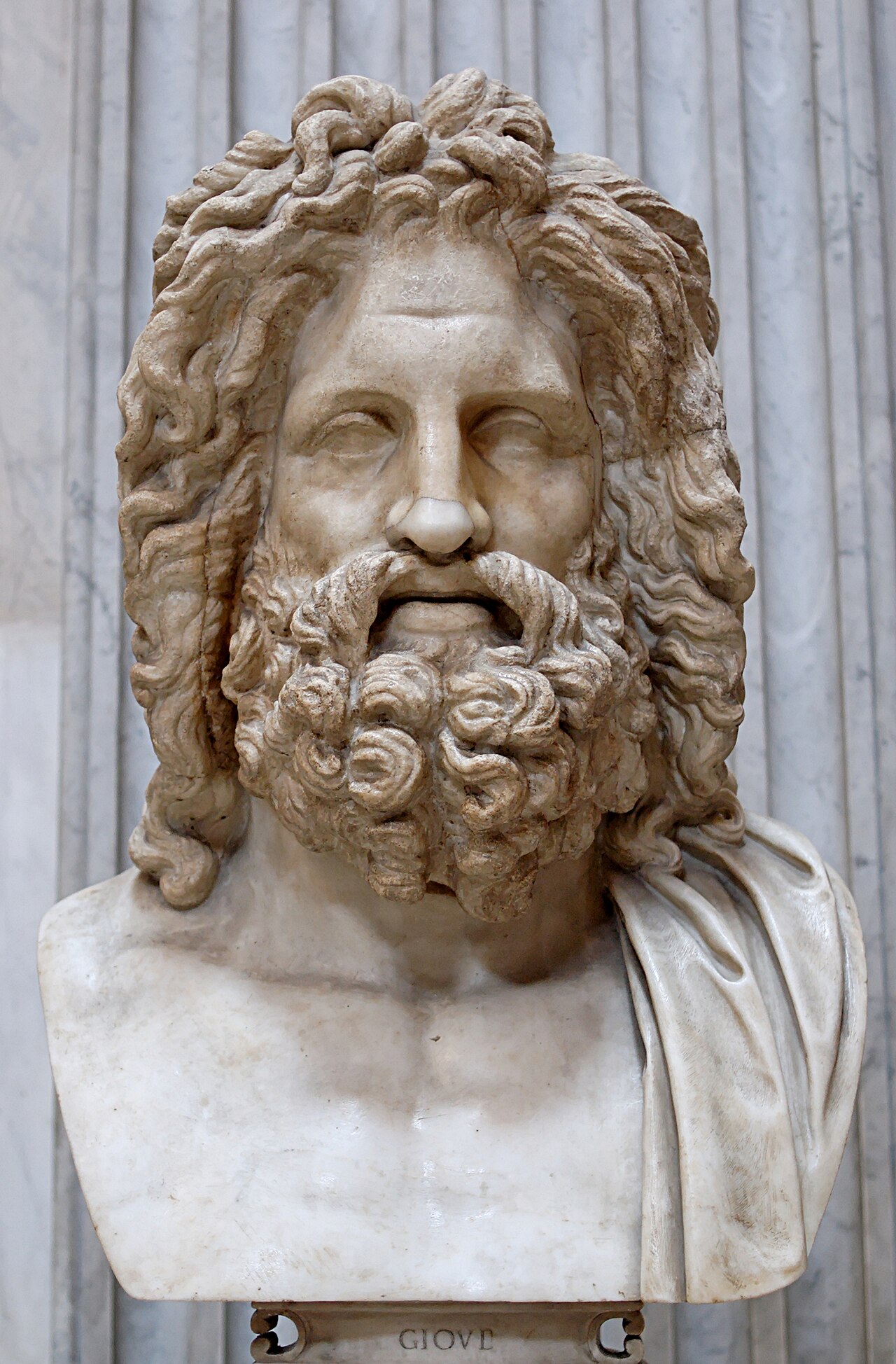
Zeus
εἰς Δία
Prayer and ritual
These hymns may be spoken as complete prayers to the Gods. Within the Temple’s practice, a ritual is a direct theurgical act; hymnody gathers the mind and turns it toward the Divine, helping the initiate enter reverent communion with the Gods.
Use a hymn on its own in place of another prayer, or add it to the prayer portion of a suitable ritual. Choose according to the deity addressed and the petition expressed in the hymn. When combining them, preserve the ritual’s prescribed sequence and let the hymn give voice to its purpose.
The petition of this hymn
For Zeus’s sovereign protection and the union of excellence with prosperity in personal and communal life.
This complete hymn may be recited as extended praise of Zeus and a prayer for excellence, prosperity, and freedom from harm. It may also supplement an existing rite for just governance, divine protection, or the flourishing of a community; its narrative and historical royal praise remain part of the ancient poem.
English hieratic rendering
Hymn 01 · An English rendering aligned with the Greek lines.
- At the pouring of libations, what better song could there be
- than of Zeus himself, the god forever mighty, forever sovereign,
- driver of the earthborn Giants, giver of judgment to the children of Heaven?
- But how shall we sing him: as lord of Dicte, or of Lycaeum?
- My heart is deeply divided, for his birthplace is disputed.
- O Zeus, some say you were born among the mountains of Ida,
- O Zeus, others in Arcadia. Which of them, Father, spoke falsely?
- The Cretans are ever liars: for even a tomb for you, O sovereign,
- the Cretans fashioned. Yet you have not died, for you live forever.
- Rhea bore you in Parrhasia, where the mountain
- was most thickly sheltered by shrubs; hence that place
- is sacred, and no creature needing Eileithyia’s aid,
- no woman, enters it; the Apidanian people call it
- Rhea’s primeval childbed.
- There, when your mother had set you down from her great bosom,
- at once she sought a flowing stream, in whose water
- she might wash away the stains of birth and bathe your body.
- But great Ladon did not yet flow, nor Erymanthus,
- whitest of rivers; all Arcadia was still
- without water, though afterward it was to be called
- rich in waters. For then, when Rhea loosened her girdle,
- moist Iaon still raised many oaks above its bed,
- and Melas carried many wagons upon its course;
- above Carnion, though now a watery river, many
- beasts made their lairs, and a man went
- on foot across Crathis and many-pebbled Metope,
- thirsting; yet abundant water lay beneath his feet.
- Then, held in helplessness, sovereign Rhea spoke:
- “Dear Earth, give birth, you also; your birth-pains are light.”
- She spoke, and the goddess stretched her great arm high
- and struck the mountain with her staff. It opened far apart for her,
- and poured forth a mighty stream. There she cleansed your skin,
- O sovereign, wrapped you, and gave you to Neda to carry
- into the Cretan hiding-place, that you might be reared in secret:
- Neda, eldest of the Nymphs who then attended her in childbirth,
- firstborn after Styx and Philyra.
- Nor did the goddess repay her kindness with an empty gift, but she named
- that stream Neda. Its abundant waters, by the very
- city of the Caucones called Lepreion,
- join Nereus, and the descendants
- of Lycaon’s daughter, the she-bear, drink that most ancient water.
- When the Nymph left Thenae, carrying you toward Cnossus,
- Father Zeus, and Thenae lay near Cnossus,
- then your navel-cord fell away, divine one; hence afterward
- the Cydonians call that plain the Plain of the Navel.
- O Zeus, the companions of the Cyrbantes took you in their arms,
- the Dictaean Meliae; Adrasteia laid you to sleep
- in a golden winnowing-cradle, and you drank the rich milk
- from the breast of the goat Amaltheia, and ate sweet honeycomb.
- For suddenly the works of the Panacrian bee had come forth
- on the mountains of Ida, which are called Panacra.
- Around you the Curetes fiercely danced the armed dance,
- clashing their weapons, that Cronus might hear with his ears
- the ringing of the shield, and not your infant voice.
- Fairly you grew, fairly you were nurtured, heavenly Zeus;
- swiftly you came to youth, and quickly your first beard appeared.
- Yet even while a child you devised all things in their perfection;
- therefore your brothers, though born before you,
- did not begrudge you heaven as the dwelling of your allotted portion.
- The ancient singers were not altogether truthful:
- they said a lot divided the dwellings three ways among the sons of Cronus.
- But who would cast lots for Olympus and Hades,
- unless altogether foolish? It is fitting to cast lots
- for equal portions, but these differ as widely as can be.
- May any lies I tell be such as persuade the ear of the hearer.
- No lots made you the sovereign of the gods, but the works of your hands,
- your might, and your power, which you seated beside your throne.
- You made the bird far surpassing all others the messenger
- of your signs. May you show those signs auspiciously to my friends.
- You chose the foremost among men: not the seafarer,
- not the shield-bearing warrior, nor the singer;
- these you left to the lesser blessed gods,
- each to another’s care, but you selected the rulers of cities
- themselves, beneath whose hand stand the tiller and the master of the spear,
- the rower and all others. What lies beyond a ruler’s strength?
- We know at once that smiths belong to Hephaestus,
- armed warriors to Ares, and hunters to Artemis
- of the Tunic, while those who know the lyre’s paths belong to Phoebus.
- But kings come from Zeus, since nothing is more divine than Zeus’s kings;
- therefore you chose them as your own allotted charge.
- You gave them cities to guard, while you yourself took your seat
- upon the citadels, watching those who by crooked judgments
- guide their people, and those who guide them otherwise.
- You bestowed upon them overflowing means and plentiful prosperity,
- upon all, yet not equally. Our own ruler
- may serve as witness, for he has advanced far beyond the rest.
- By evening he fulfills what he conceives at dawn:
- by evening the greatest things, the lesser as soon as he conceives them.
- Others achieve some things in a year, others not even in one;
- and from some you yourself cut off achievement entirely, breaking their purpose.
- Great hail to you, highest son of Cronus, giver of good things,
- giver of freedom from harm. Who could sing your deeds?
- None has been born, none shall be, who could sing all the works of Zeus.
- Hail, Father; hail once more. Grant excellence and abundance.
- For prosperity without excellence cannot make people flourish,
- nor excellence without abundance. Grant excellence and prosperity.
Ancient Greek & pronunciation
Read the English pronunciation spelling directly below each Greek line.
- Ζηνὸς ἔοι τί κεν ἄλλο παρὰ σπονδῇσιν ἀείδεινzee-NOHS EH-ee TEE kehn AH-loh pah-RAH spohn-DHEE-seen ah-EE-dheen
- λώιον ἢ θεὸν αὐτόν, ἀεὶ μέγαν, αἰὲν ἄνακτα,LOH-ee-ohn EE theh-OHN ahf-TOHN, ah-EE MEH-ghahn, eh-EHN AH-nahk-tah,
- Πηλαγόνων ἐλατῆρα, δικασπόλον οὐρανίδῃσι;pee-lah-GHOH-nohn eh-lah-TEE-rah, dhee-kah-SPOH-lohn oo-rah-NEE-dhee-see;
- πῶς καί μιν, Δικταῖον ἀείσομεν ἠὲ Λυκαῖον;POHS KEH meen, dheek-TEH-ohn ah-EE-soh-mehn ee-EH lee-KEH-ohn;
- ἐν δοιῇ μάλα θυμός, ἐπεὶ γένος ἀμφήριστον.ehn dhee-EE MAH-lah thee-MOHS, eh-PEE YEH-nohs ahm-FEE-ree-stohn.
- Ζεῦ, σὲ μὲν Ἰδαίοισιν ἐν οὔρεσί φασι γενέσθαι,ZEHV, SEH MEHN ee-DHEH-ee-seen ehn OO-reh-SEE fah-see yeh-NEHS-theh,
- Ζεῦ, σὲ δʼ ἐν Ἀρκαδίῃ· πότεροι, πάτερ, ἐψεύσαντο;ZEHV, SEH dh’ ehn ahr-kah-DHEE-ee· POH-teh-ree, PAH-tehr, ehp-SEHF-sahn-doh;
- Κρῆτες ἀεὶ ψεῦσται· καὶ γὰρ τάφον, ὦ ἄνα, σεῖοKREE-tehs ah-EE PSEHF-steh· KEH GHAHR TAH-fohn, OH AH-nah, SEE-oh
- Κρῆτες ἐτεκτήναντο· σὺ δʼ οὐ θάνες, ἐσσὶ γὰρ αἰεί.KREE-tehs eh-tehk-TEE-nahn-doh· SEE dh’ oo THAH-nehs, eh-SEE GHAHR eh-EE.
- ἐν δέ σε Παρρασίῃ Ῥείη τέκεν, ἧχι μάλισταehn DHEH seh pah-rah-SEE-ee REE-ee TEH-kehn, EE-hyee MAH-lee-stah
- ἔσκεν ὄρος θάμνοισι περισκεπές· ἔνθεν ὁ χῶροςEH-skehn OH-rohs THAHM-nee-see peh-ree-skeh-PEHS· EHN-thehn oh KHOH-rohs
- ἱερός, οὐδέ τί μιν κεχρημένον Εἰλειθυίηςee-eh-ROHS, oo-DHEH TEE meen keh-khree-MEH-nohn ee-lee-THEE-ees
- ἑρπετὸν οὐδὲ γυνὴ ἐπιμίσγεται, ἀλλά ἑ Ῥείηςehr-peh-TOHN oo-DHEH yee-NEE eh-pee-MEEZ-yeh-teh, ah-LAH eh REE-ees
- ὠγύγιον καλέουσι λεχώιον Ἀπιδανῆες.oh-YEE-yee-ohn kah-LEH-oo-see leh-KHOH-ee-ohn ah-pee-dhah-NEE-ehs.
- ἔνθα σʼ ἐπεὶ μήτηρ μεγάλων ἀπεθήκατο κόλπωνEHN-thah s’ eh-PEE MEE-teer meh-GHAH-lohn ah-peh-THEE-kah-toh KOHL-pohn
- αὐτίκα δίζητο ῥόον ὕδατος, ᾧ κε τόκοιοahf-TEE-kah DHEE-zee-toh ROH-ohn EE-dhah-tohs, OH keh TOH-kee-oh
- λύματα χυτλώσαιτο, τεὸν δʼ ἐνὶ χρῶτα λοέσσαι.LEE-mah-tah hyeet-LOH-seh-toh, teh-OHN dh’ eh-NEE KHROH-tah loh-EH-seh.
- Λάδων ἀλλʼ οὔπω μέγας ἔρρεεν οὐδʼ Ἐρύμανθος,LAH-dhohn ahl’ OO-poh MEH-ghahs EH-reh-ehn oodh’ eh-REE-mahn-thohs,
- λευκότατος ποταμῶν, ἔτι δʼ ἄβροχος ἦεν ἅπασαlehf-KOH-tah-tohs poh-tah-MOHN, EH-tee dh’ AH-vroh-khohs EE-ehn AH-pah-sah
- Ἀρκαδίη· μέλλεν δὲ μάλʼ εὔυδρος καλέεσθαιahr-kah-DHEE-ee· MEH-lehn DHEH MAHL’ EH-vee-dhrohs kah-LEH-ehs-theh
- αὖτις· ἐπεὶ τημόσδε, Ῥέη ὅτʼ ἐλύσατο μίτρην,AHF-tees· eh-PEE tee-MOHZ-dheh, REH-ee OHT’ eh-LEE-sah-toh MEE-treen,
- ἦ πολλὰς ἐφύπερθε σαρωνίδας ὑγρὸς ἸάωνEE poh-LAHS eh-FEE-pehr-theh sah-roh-NEE-dhahs ee-GHROHS ee-AH-ohn
- ἤειρεν, πολλὰς δὲ Μέλας ὤκχησεν ἁμάξας,EE-ee-rehn, poh-LAHS DHEH MEH-lahs OHK-hyee-sehn ah-MAHK-sahs,
- πολλὰ δὲ Καρνίωνος ἄνω διεροῦ περ ἐόντοςpoh-LAH DHEH kahr-NEE-oh-nohs AH-noh dhee-eh-ROO pehr eh-OHN-dohs
- ἰλυοὺς ἐβάλοντο κινώπετα, νίσσετο δʼ ἀνὴρee-lee-OOS eh-VAH-lohn-doh kee-NOH-peh-tah, NEE-seh-toh dh’ ah-NEER
- πεζὸς ὑπὲρ Κρᾶθίν τε πολύστιόν τε Μετώπηνpeh-ZOHS ee-PEHR KRAH-THEEN teh poh-LEE-stee-OHN teh meh-TOH-peen
- διψαλέος· τὸ δὲ πολλὸν ὕδωρ ὑπὸ ποσσὶν ἔκειτο.dheep-sah-LEH-ohs· TOH DHEH poh-LOHN EE-dhohr ee-POH poh-SEEN EH-kee-toh.
- καί ῥʼ ὑπʼ ἀμηχανίης σχομένη φάτο πότνια Ῥείη·KEH r’ eep’ ah-mee-khah-NEE-ees skhoh-MEH-nee FAH-toh POHT-nee-ah REE-ee·
- Γαῖα φίλη, τέκε καὶ σύ· τεαὶ δʼ ὠδῖνες ἐλαφραί.YEH-ah FEE-lee, TEH-keh KEH SEE· teh-EH dh’ oh-DHEE-nehs eh-lah-FREH.
- εἶπε καὶ ἀντανύσασα θεὴ μέγαν ὑψόθι πῆχυνEE-peh KEH ahn-dah-NEE-sah-sah theh-EE MEH-ghahn eep-SOH-thee PEE-hyeen
- πλῆξεν ὄρος σκήπτρῳ· τὸ δέ οἱ δίχα πουλὺ διέστη,PLEEK-sehn OH-rohs SKEEP-troh· TOH DHEH ee DHEE-khah poo-LEE dhee-EH-stee,
- ἐκ δʼ ἔχεεν μέγα χεῦμα· τόθι χρόα φαιδρύνασα,ehk dh’ EH-hyeh-ehn MEH-ghah HYEHV-mah· TOH-thee KHROH-ah feh-DHREE-nah-sah,
- ὦνα, τεὸν σπείρωσε, Νέδῃ δέ σε δῶκε κομίζεινOH-nah, teh-OHN SPEE-roh-seh, NEH-dhee DHEH seh DHOH-keh koh-MEE-zeen
- κευθμὸν ἔσω Κρηταῖον, ἵνα κρύφα παιδεύοιο,kehfth-MOHN EH-soh kree-TEH-ohn, EE-nah KREE-fah peh-DHEH-vee-oh,
- πρεσβυτάτῃ Νυμφέων αἵ μιν τότε μαιώσαντο,prehz-vee-TAH-tee neem-FEH-ohn EH meen TOH-teh meh-OH-sahn-doh,
- πρωτίστῃ γενεῇ μετά γε Στύγα τε Φιλύρην τε.proh-TEE-stee yeh-neh-EE meh-TAH yeh STEE-ghah teh fee-LEE-reen teh.
- οὐδʼ ἁλίην ἀπέτεισε θεὴ χάριν, ἀλλὰ τὸ χεῦμαoodh’ ah-LEE-een ah-PEH-tee-seh theh-EE KHAH-reen, ah-LAH TOH HYEHV-mah
- κεῖνο Νέδην ὀνόμηνε· τὸ μέν ποθι πουλὺ κατʼ αὐτὸKEE-noh NEH-dheen oh-NOH-mee-neh· TOH MEHN poh-thee poo-LEE kaht’ ahf-TOH
- Καυκώνων πτολίεθρον, ὃ Λέπρειον πεφάτισται,kahf-KOH-nohn ptoh-LEE-eh-throhn, OH LEH-pree-ohn peh-FAH-tee-steh,
- συμφέρεται Νηρῆι, παλαιότατον δέ μιν ὕδωρseem-FEH-reh-teh nee-REE-ee, pah-leh-OH-tah-tohn DHEH meen EE-dhohr
- υἱωνοὶ πίνουσι Λυκαονίης ἄρκτοιο.ee-oh-NEE PEE-noo-see lee-kah-oh-NEE-ees AHRK-tee-oh.
- εὖτε Θενὰς ἀπέλειπεν ἐπὶ Κνωσοῖο φέρουσα,EHF-teh theh-NAHS ah-PEH-lee-pehn eh-PEE knoh-SEE-oh FEH-roo-sah,
- Ζεῦ πάτερ, ἡ Νύμφη σε (Θεναὶ δʼ ἔσαν ἐγγύθι Κνωσοῦ),ZEHV PAH-tehr, ee NEEM-fee seh (theh-NEH dh’ EH-sahn ehn-GEE-thee knoh-SOO),
- τουτάκι τοι πέσε, δαῖμον, ἄπʼ ὀμφαλός· ἔνθεν ἐκεῖνοtoo-TAH-kee tee PEH-seh, DHEH-mohn, AHP’ ohm-fah-LOHS· EHN-thehn eh-KEE-noh
- ὀμφάλιον μετέπειτα πέδον καλέουσι Κύδωνες.ohm-FAH-lee-ohn meh-TEH-pee-tah PEH-dhohn kah-LEH-oo-see KEE-dhoh-nehs.
- Ζεῦ, σὲ δὲ Κυρβάντων ἑτάραι προσεπηχύναντοZEHV, SEH DHEH keer-VAHN-dohn eh-TAH-reh proh-seh-pee-HYEE-nahn-doh
- Δικταῖαι Μελίαι, σὲ δʼ ἐκοίμισεν Ἀδρήστειαdheek-TEH-eh meh-LEE-eh, SEH dh’ eh-KEE-mee-sehn ah-DHREE-stee-ah
- λίκνῳ ἐνὶ χρυσέῳ, σὺ δʼ ἐθήσαο πίονα μαζὸνLEEK-noh eh-NEE khree-SEH-oh, SEE dh’ eh-THEE-sah-oh PEE-oh-nah mah-ZOHN
- αἰγὸς Ἀμαλθείης, ἐπὶ δὲ γλυκὺ κηρίον ἔβρως.eh-GHOHS ah-mahl-THEE-ees, eh-PEE DHEH ghlee-KEE kee-REE-ohn EH-vrohs.
- γέντο γὰρ ἐξαπιναῖα Πανακρίδος ἔργα μελίσσηςYEHN-doh GHAHR ehk-sah-pee-NEH-ah pah-nah-KREE-dhohs EHR-ghah meh-LEE-sees
- Ἰδαίοις ἐν ὄρεσσι, τά τε κλείουσι Πάνακρα.ee-DHEH-ees ehn OH-reh-see, TAH teh KLEE-oo-see PAH-nah-krah.
- οὖλα δὲ Κούρητές σε περὶ πρύλιν ὠρχήσαντοOO-lah DHEH KOO-ree-TEHS seh peh-REE PREE-leen ohr-HYEE-sahn-doh
- τεύχεα πεπλήγοντες, ἵνα Κρόνος οὔασιν ἠχὴνTEHF-hyeh-ah peh-PLEE-ghohn-dehs, EE-nah KROH-nohs OO-ah-seen ee-HYEEN
- ἀσπίδος εἰσαΐοι καὶ μή σεο κουρίζοντος.ah-SPEE-dhohs ee-sah-EE-ee KEH MEE seh-oh koo-REE-zohn-dohs.
- καλὰ μὲν ἠέξευ, καλὰ δʼ ἔτραφες, οὐράνιε Ζεῦ,kah-LAH MEHN ee-EHK-sehv, kah-LAH dh’ EH-trah-fehs, oo-RAH-nee-eh ZEHV,
- ὀξὺ δʼ ἀνήβησας, ταχινοὶ δέ τοι ἦλθον ἴουλοι.ohk-SEE dh’ ah-NEE-vee-sahs, tah-hyee-NEE DHEH tee EEL-thohn EE-oo-lee.
- ἀλλʼ ἔτι παιδνὸς ἐὼν ἐφράσσαο πάντα τέλεια·ahl’ EH-tee pehdh-NOHS eh-OHN eh-FRAH-sah-oh PAHN-dah TEH-lee-ah·
- τῶ τοι καὶ γνωτοὶ προτερηγενέες περ ἐόντεςTOH tee KEH ghnoh-TEE proh-teh-ree-yeh-NEH-ehs pehr eh-OHN-dehs
- οὐρανὸν οὐκ ἐμέγηραν ἔχειν ἐπιδαίσιον οἶκον.oo-rah-NOHN ook eh-MEH-yee-rahn EH-hyeen eh-pee-DHEH-see-ohn EE-kohn.
- δηναιοὶ δʼ οὐ πάμπαν ἀληθέες ἦσαν ἀοιδοί.dhee-neh-EE dh’ oo PAHM-bahn ah-lee-THEH-ehs EE-sahn ah-ee-DHEE.
- φάντο πάλον Κρονίδῃσι διάτριχα δώματα νεῖμαι·FAHN-doh PAH-lohn kroh-NEE-dhee-see dhee-AH-tree-khah DHOH-mah-tah NEE-meh·
- τίς δέ κʼ ἐπʼ Οὐλύμπῳ τε καὶ Ἄιδι κλῆρον ἐρύσσαι,TEES DHEH k’ ehp’ oo-LEEM-boh teh KEH AH-ee-dhee KLEE-rohn eh-REE-seh,
- ὃς μάλα μὴ νενίηλος; ἐπʼ ἰσαίῃ γὰρ ἔοικεOHS MAH-lah MEE neh-NEE-ee-lohs; ehp’ ee-SEH-ee GHAHR EH-ee-keh
- πήλασθαι· τὰ δὲ τόσσον ὅσον διὰ πλεῖστον ἔχουσι.PEE-lahs-theh· TAH DHEH TOH-sohn OH-sohn dhee-AH PLEE-stohn EH-khoo-see.
- ψευδοίμην ἀίοντος ἅ κεν πεπίθοιεν ἀκουήν.psehv-DHEE-meen ah-EE-ohn-dohs AH kehn peh-PEE-thee-ehn ah-koo-EEN.
- οὔ σε θεῶν ἐσσῆνα πάλοι θέσαν, ἔργα δὲ χειρῶν,OO seh theh-OHN eh-SEE-nah PAH-lee THEH-sahn, EHR-ghah DHEH hyee-ROHN,
- σή τε βίη τό τε κάρτος, ὃ καὶ πέλας εἵσαο δίφρου.SEE teh VEE-ee TOH teh KAHR-tohs, OH KEH PEH-lahs EE-sah-oh DHEE-froo.
- θήκαο δʼ οἰωνῶν μέγʼ ὑπείροχον ἀγγελιώτηνTHEE-kah-oh dh’ ee-oh-NOHN MEHGH’ ee-PEE-roh-khohn ahn-geh-lee-OH-teen
- σῶν τεράων· ἅ τʼ ἐμοῖσι φίλοις ἐνδέξια φαίνοις.SOHN teh-RAH-ohn· AH t’ eh-MEE-see FEE-lees ehn-DHEHK-see-ah FEH-nees.
- εἵλεο δʼ αἰζηῶν ὅ τι φέρτατον· οὐ σύ γε νηῶνEE-leh-oh dh’ eh-zee-OHN OH tee FEHR-tah-tohn· oo SEE yeh nee-OHN
- ἐμπεράμους, οὐκ ἄνδρα σακέσπαλον, οὐ μὲν ἀοιδόν·ehm-beh-RAH-moos, ook AHN-dhrah sah-KEH-spah-lohn, oo MEHN ah-ee-DHOHN·
- ἀλλὰ τὰ μὲν μακάρεσσιν ὀλίζοσιν αὖθι παρῆκαςah-LAH TAH MEHN mah-KAH-reh-seen oh-LEE-zoh-seen AHF-thee pah-REE-kahs
- ἄλλα μέλειν ἑτέροισι, σὺ δʼ ἐξέλεο πτολιάρχουςAH-lah MEH-leen eh-TEH-ree-see, SEE dh’ ehk-SEH-leh-oh ptoh-lee-AHR-khoos
- αὐτούς, ὧν ὑπὸ χεῖρα γεωμόρος, ὧν ἴδρις αἰχμῆς,ahf-TOOS, OHN ee-POH HYEE-rah yeh-oh-MOH-rohs, OHN EE-dhrees ehkh-MEES,
- ὧν ἐρέτης, ὧν πάντα· τί δʼ οὐ κρατέοντος ὑπʼ ἰσχύν;OHN eh-REH-tees, OHN PAHN-dah· TEE dh’ oo krah-TEH-ohn-dohs eep’ ees-HYEEN;
- αὐτίκα χαλκῆας μὲν ὑδείομεν Ἡφαίστοιο,ahf-TEE-kah khahl-KEE-ahs MEHN ee-DHEE-oh-mehn ee-FEH-stee-oh,
- τευχηστὰς δʼ Ἄρηος, ἐπακτῆρας δὲ Χιτώνηςtehf-hyee-STAHS dh’ AH-ree-ohs, eh-pahk-TEE-rahs DHEH hyee-TOH-nees
- Ἀρτέμιδος, Φοίβου δὲ λύρης εὖ εἰδότας οἴμους·ahr-TEH-mee-dhohs, FEE-voo DHEH LEE-rees EHV ee-DHOH-tahs EE-moos·
- ἐκ δὲ Διὸς βασιλῆες, ἐπεὶ Διὸς οὐδὲν ἀνάκτωνehk DHEH dhee-OHS vah-see-LEE-ehs, eh-PEE dhee-OHS oo-DHEHN ah-NAHK-tohn
- θειότερον· τῶ καί σφε τεὴν ἐκρίναο λάξιν.thee-OH-teh-rohn· TOH KEH sfeh teh-EEN eh-KREE-nah-oh LAHK-seen.
- δῶκας δὲ πτολίεθρα φυλασσέμεν, ἵζεο δʼ αὐτὸςDHOH-kahs DHEH ptoh-LEE-eh-thrah fee-lah-SEH-mehn, EE-zeh-oh dh’ ahf-TOHS
- ἄκρῃσʼ ἐν πολίεσσιν, ἐπόψιος οἵ τε δίκῃσιAH-krees’ ehn poh-LEE-eh-seen, eh-POHP-see-ohs EE teh DHEE-kee-see
- λαὸν ὑπὸ σκολιῇσʼ οἵ τʼ ἔμπαλιν ἰθύνουσιν·lah-OHN ee-POH skoh-lee-EES’ EE t’ EHM-bah-leen ee-THEE-noo-seen·
- ἐν δὲ ῥυηφενίην ἔβαλές σφισιν, ἐν δʼ ἅλις ὄλβον·ehn DHEH ree-ee-feh-NEE-een EH-vah-LEHS sfee-seen, ehn dh’ AH-lees OHL-vohn·
- πᾶσι μέν, οὐ μάλα δʼ ἶσον. ἔοικε δὲ τεκμήρασθαιPAH-see MEHN, oo MAH-lah dh’ EE-sohn. EH-ee-keh DHEH tehk-MEE-rahs-theh
- ἡμετέρῳ μεδέοντι· περιπρὸ γὰρ εὐρὺ βέβηκεν.ee-meh-TEH-roh meh-DHEH-ohn-dee· peh-ree-PROH GHAHR eh-VREE VEH-vee-kehn.
- ἑσπέριος κεῖνός γε τελεῖ τά κεν ἦρι νοήσῃ·eh-SPEH-ree-ohs KEE-NOHS yeh teh-LEE TAH kehn EE-ree noh-EE-see·
- ἑσπέριος τὰ μέγιστα, τὰ μείονα δʼ, εὖτε νοήσῃ.eh-SPEH-ree-ohs TAH MEH-yee-stah, TAH MEE-oh-nah dh’, EHF-teh noh-EE-see.
- οἱ δὲ τὰ μὲν πλειῶνι, τὰ δʼ οὐχ ἑνί, τῶν δʼ ἀπὸ πάμπανee DHEH TAH MEHN plee-OH-nee, TAH dh’ ookh eh-NEE, TOHN dh’ ah-POH PAHM-bahn
- αὐτὸς ἄνην ἐκόλουσας, ἐνέκλασσας δὲ μενοινήν.ahf-TOHS AH-neen eh-KOH-loo-sahs, eh-NEH-klah-sahs DHEH meh-nee-NEEN.
- χαῖρε μέγα, Κρονίδη πανυπέρτατε, δῶτορ ἐάων,HYEH-reh MEH-ghah, kroh-NEE-dhee pah-nee-PEHR-tah-teh, DHOH-tohr eh-AH-ohn,
- δῶτορ ἀπημονίης. τεὰ δʼ ἔργματα τίς κεν ἀείδοι;DHOH-tohr ah-pee-moh-NEE-ees. teh-AH dh’ EHRGH-mah-tah TEES kehn ah-EE-dhee;
- οὐ γένετʼ, οὐκ ἔσται, τίς κεν Διὸς ἔργματʼ ἀείσαι.oo YEH-neht’, ook EH-steh, TEES kehn dhee-OHS EHRGH-maht’ ah-EE-seh.
- χαῖρε πάτερ, χαῖρʼ αὖθι· δίδου δʼ ἀρετήν τʼ ἄφενός τε.HYEH-reh PAH-tehr, HYEHR’ AHF-thee· DHEE-dhoo dh’ ah-reh-TEEN t’ AH-feh-NOHS teh.
- οὔτʼ ἀρετῆς ἄτερ ὄλβος ἐπίσταται ἄνδρας ἀέξεινOOT’ ah-reh-TEES AH-tehr OHL-vohs eh-PEE-stah-teh AHN-dhrahs ah-EHK-seen
- οὔτʼ ἀρετὴ ἀφένοιο· δίδου δʼ ἀρετήν τε καὶ ὄλβον.OOT’ ah-reh-TEE ah-FEH-nee-oh· DHEE-dhoo dh’ ah-reh-TEEN teh KEH OHL-vohn.
Short sound guide for English speakers
Every line beneath the Greek uses English pronunciation spellings. Say each hyphenated syllable in sequence and emphasize the syllable in CAPITALS. For example, οὐρανόθεν is oo-rah-NOH-thehn. Read adjacent vowels separately: theh-AH has two syllables; oo-rah-NEE-een has four. Hyphens guide the voice; they do not mark pauses.
| Spelling | Sound to make |
|---|---|
| ah · eh · ee · oh · oo | father · met · see · go without its final glide · moon. Keep these vowels clear in unstressed syllables too. |
| th · dh | The unvoiced th in thin · the voiced th in this. Thus DHEE begins with the sound in “thee.” |
| kh | The ch in Scottish loch or German Bach: let air pass at the back of the mouth, without closing it into a k. |
| hy | The breathy beginning of a carefully spoken Hugh. Raise the middle of the tongue toward the roof of the mouth and let air pass without voice. In shy, sound s followed by hy; do not use the English sh sound or the English word “shy.” |
| gh | Make the kh sound above, then add voice. Keep the passage open; this is a flowing sound, not a hard g. |
| y · g | y as in yes, with gentle friction · always a hard g as in get. |
| r | Tap the tongue lightly behind the upper teeth, or use a light roll. |
| ks · ps | Sound both consonants, even at the beginning of a word: ks as in backs, ps as in lips. |
| n-g · m-b · n-d | Sound the nasal and the following consonant. In AHN-geh-leh, the n-g group is like finger, with the g audible. |
Always sound s as in hiss, even at the end of DHEE-kees; z is voiced, as in zero. All other consonants have their usual English sounds. Initial consonant groups may be unfamiliar: sound every written consonant, without inserting an extra vowel. A word without capitals carries no written stress in the Greek. Where two syllables have capitals, both written accents are retained. An apostrophe marks a vowel already elided in the Greek; do not add it back. A hyphen at the end of a Greek verse joins the unfinished word to the next verse.
These spellings follow the Modern Greek liturgical reading used throughout this library. Breathings and iota subscripts are silent; separately pronounced vowels remain separate. The few Greek consonants without an exact English equivalent use the sound cues above. Ancient vowel length, pitch accent and metre are not reconstructed.
Hymn notes
Sacred meaning
The hymn moves from Zeus’s hidden birth and nurture to his sovereignty, achieved through divine strength and deeds. Kingship is presented as a charge under his sight, with the right ordering of human communities depending upon that relation. Its final prayer joins material flourishing to excellence, refusing to sever one from the other.
Textual note
The poem’s disputed birthplace, its rebuke of the Cretan tomb tradition, and its praise of the poet’s contemporary ruler are preserved as ancient narrative and historical voice. The devotional-use note is newly composed guidance, not an ancient ritual rubric. The supplied Greek follows Mair’s edited text, whose apparatus records conjectures and variant readings.
Text and attribution
Greek text: A. W. Mair, εἰς Δία (1921), Perseus Digital Library. Greek source. The English hieratic rendering and suggested devotional use are new editorial work. The applications are guidance for this library, not additional lines of the ancient poem.