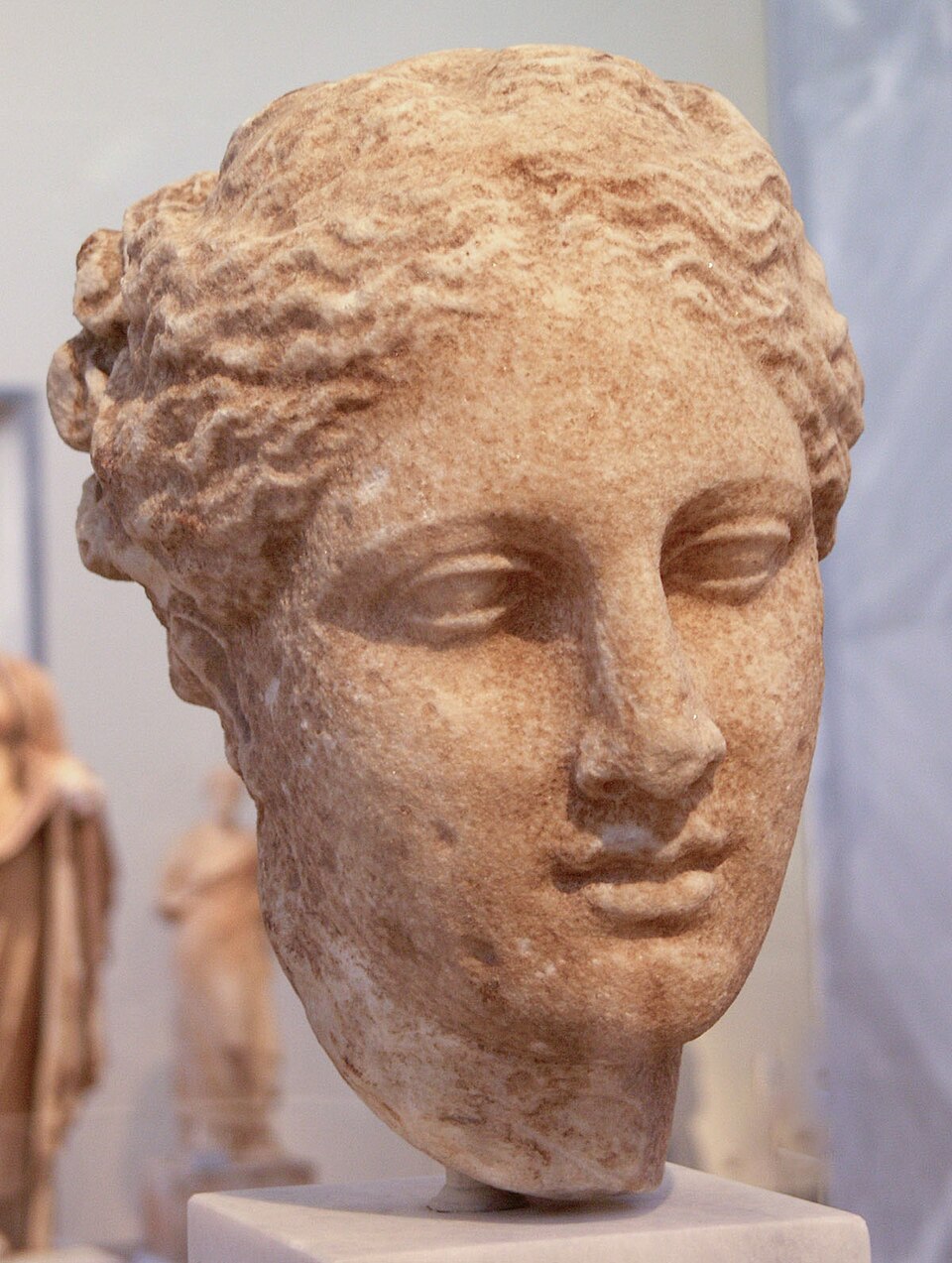

Other Ancient Hymns · Hymn 02
Hygieia: The Gift of Health
Παιὰν εἰς Ὑγίειαν
Prayer and ritual
These hymns may be spoken as complete prayers to the Gods. Within the Temple’s practice, a ritual is a direct theurgical act; hymnody gathers the mind and turns it toward the Divine, helping the initiate enter reverent communion with the Gods.
Use a hymn on its own in place of another prayer, or add it to the prayer portion of a suitable ritual. Choose according to the deity addressed and the petition expressed in the hymn. When combining them, preserve the ritual’s prescribed sequence and let the hymn give voice to its purpose.
The petition of this hymn
For the abiding presence of health, through which the gifts of life may flourish.
Use this paean as a standalone prayer to Hygieia for yourself or your household. It may also accompany a rite to Asklepios and Hygieia, or thanksgiving for restored strength and the capacity to enjoy life’s blessings.
English hieratic rendering
Hymn 02 · An English rendering aligned with the Greek lines.
- O Health, most honoured of the Blessed Ones, may I dwell with you for the
- remainder of my life; and as my gracious companion at home
- may you abide. For if there is any delight in wealth or in children,
- or in kingly power that makes mortals equal to the Gods, or in desires
- that we pursue in Aphrodite’s hidden nets,
- or if any other joy for mortals, or any
- breathing space from labour, has been revealed by the Gods,
- with you, O blessed Health,
- all things flourish and shine in the intimate converse of the Graces;
- without you, no one comes to blessed happiness.
Ancient Greek & pronunciation
Read the English pronunciation spelling directly below each Greek line.
- Ὑγέεια, πρεσβίστα μακάρων, μετὰ σοῦ ναίοιμι τὸee-YEH-ee-ah, prehz-VEE-stah mah-KAH-rohn, meh-TAH SOO NEH-ee-mee TOH
- λειπόμενον βιοτᾶς, σὺ δέ μοι πρόφρων σύνοικοςlee-POH-meh-nohn vee-oh-TAHS, SEE DHEH mee PROH-frohn SEE-nee-kohs
- εἴης· εἰ γάρ τις ἢ πλούτου χάρις ἢ τεκέωνEE-ees· ee GHAHR tees EE PLOO-too KHAH-rees EE teh-KEH-ohn
- ἢ τᾶς ἰσοδαίμονος ἀνθρώποις βασιληίδος ἀρχᾶς ἢ πόθων,EE TAHS ee-soh-DHEH-moh-nohs ahn-THROH-pees vah-see-lee-EE-dhohs ahr-KHAHS EE POH-thohn,
- οὓς κρυφίοις Ἀφροδίτας ἄρκυσιν θηρεύομεν,OOS kree-FEE-ees ah-froh-DHEE-tahs AHR-kee-seen thee-REH-voh-mehn,
- ἢ εἴ τις ἄλλα θεόθεν ἀνθρώποισι τέρψις ἢ πόνωνEE EE tees AH-lah theh-OH-thehn ahn-THROH-pee-see TEHRP-sees EE POH-nohn
- ἀμπνοὰ πέφανται,ahmb-noh-AH PEH-fahn-deh,
- μετὰ σεῖο, μάκαιρ’ Ὑγίεια,meh-TAH SEE-oh, MAH-kehr’ ee-YEE-ee-ah,
- τέθαλε πάντα καὶ λάμπει Χαρίτων ὀάροιςTEH-thah-leh PAHN-dah KEH LAHM-bee khah-REE-tohn oh-AH-rees
- σέθεν δὲ χωρὶς οὔτις εὐδαίμων ἔφυ.SEH-thehn DHEH khoh-REES OO-tees ehv-DHEH-mohn EH-fee.
Short sound guide for English speakers
Every line beneath the Greek uses English pronunciation spellings. Say each hyphenated syllable in sequence and emphasize the syllable in CAPITALS. For example, οὐρανόθεν is oo-rah-NOH-thehn. Read adjacent vowels separately: theh-AH has two syllables; oo-rah-NEE-een has four. Hyphens guide the voice; they do not mark pauses.
| Spelling | Sound to make |
|---|---|
| ah · eh · ee · oh · oo | father · met · see · go without its final glide · moon. Keep these vowels clear in unstressed syllables too. |
| th · dh | The unvoiced th in thin · the voiced th in this. Thus DHEE begins with the sound in “thee.” |
| kh | The ch in Scottish loch or German Bach: let air pass at the back of the mouth, without closing it into a k. |
| hy | The breathy beginning of a carefully spoken Hugh. Raise the middle of the tongue toward the roof of the mouth and let air pass without voice. In shy, sound s followed by hy; do not use the English sh sound or the English word “shy.” |
| gh | Make the kh sound above, then add voice. Keep the passage open; this is a flowing sound, not a hard g. |
| y · g | y as in yes, with gentle friction · always a hard g as in get. |
| r | Tap the tongue lightly behind the upper teeth, or use a light roll. |
| ks · ps | Sound both consonants, even at the beginning of a word: ks as in backs, ps as in lips. |
| n-g · m-b · n-d | Sound the nasal and the following consonant. In AHN-geh-leh, the n-g group is like finger, with the g audible. |
Always sound s as in hiss, even at the end of DHEE-kees; z is voiced, as in zero. All other consonants have their usual English sounds. Initial consonant groups may be unfamiliar: sound every written consonant, without inserting an extra vowel. A word without capitals carries no written stress in the Greek. Where two syllables have capitals, both written accents are retained. An apostrophe marks a vowel already elided in the Greek; do not add it back. A hyphen at the end of a Greek verse joins the unfinished word to the next verse.
These spellings follow the Modern Greek liturgical reading used throughout this library. Breathings and iota subscripts are silent; separately pronounced vowels remain separate. The few Greek consonants without an exact English equivalent use the sound cues above. Ancient vowel length, pitch accent and metre are not reconstructed.
Hymn notes
Sacred meaning
Health is invoked as a willing companion in the home. The hymn does not isolate her gift from the rest of life: children, prosperity, love, authority and rest become fruitful in her presence. Its close gathers all these gifts into the recognition that happiness depends upon her.
Textual note
The Greek follows Gulick’s arrangement of the complete quotation; Kaibel prints a different line division and several different readings. The final rest-from-labour phrase runs across verses 6–7. The damaged prose surrounding the quotation in Athenaeus is not part of the hymn.
Text and attribution
Ariphron of Sicyon, paean to Hygieia, preserved in Athenaeus 15.63 (702a–b). Greek follows Charles Burton Gulick, The Deipnosophists, vol. VII (1941), p. 272; Perseus transcription. Ancient poem quoted here; no modern translation reproduced. Greek source. The English hieratic rendering and suggested devotional use are new editorial work. The applications are guidance for this library, not additional lines of the ancient poem.