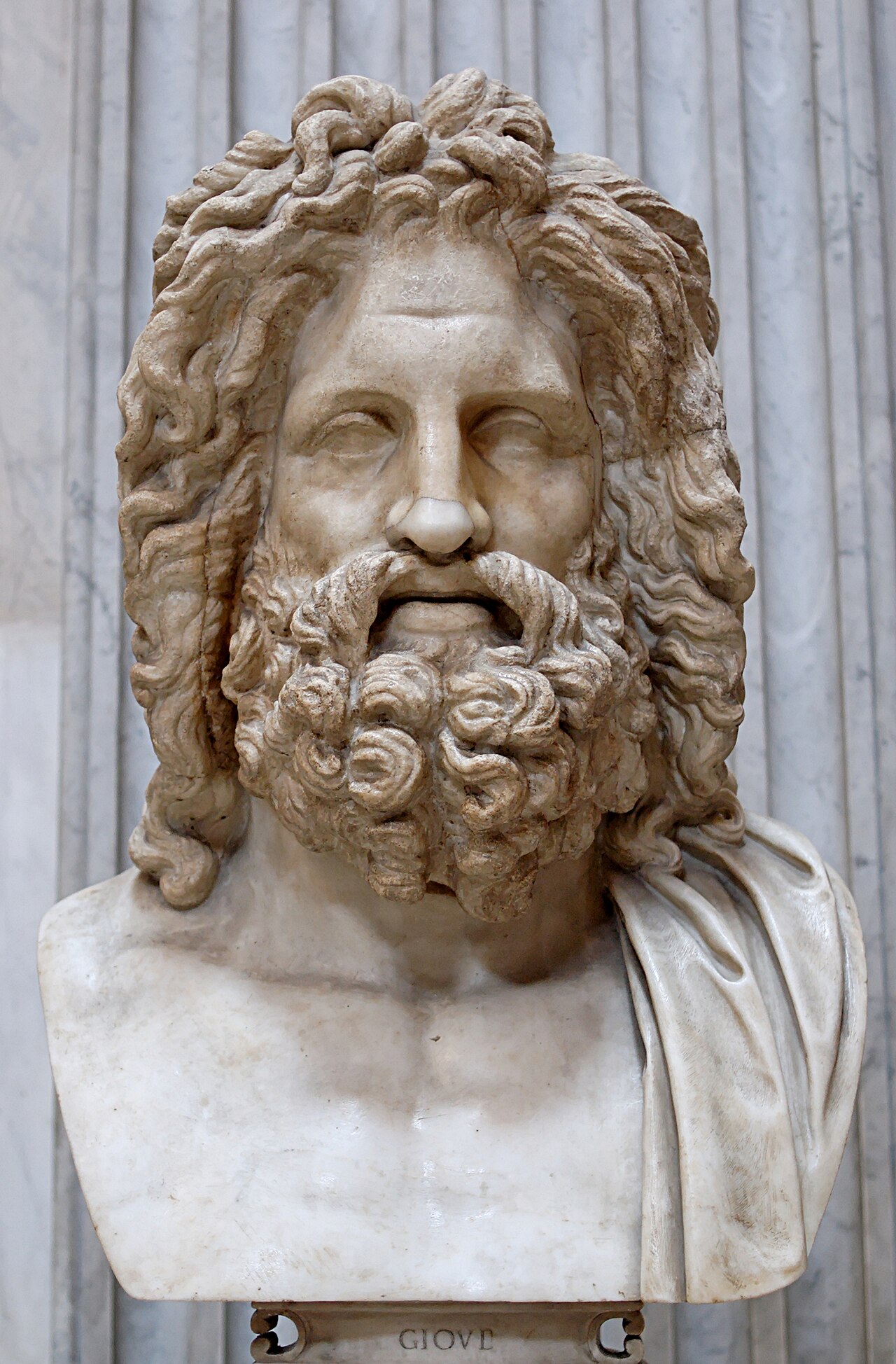

Orphic Hymns · Hymn 19
Zeus of the Thunderbolt
Κεραυνίου Διός
Prayer and ritual
These hymns may be spoken as complete prayers to the Gods. Within the Temple’s practice, a ritual is a direct theurgical act; hymnody gathers the mind and turns it toward the Divine, helping the initiate enter reverent communion with the Gods.
Use a hymn on its own in place of another prayer, or add it to the prayer portion of a suitable ritual. Choose according to the deity addressed and the petition expressed in the hymn. When combining them, preserve the ritual’s prescribed sequence and let the hymn give voice to its purpose.
The petition of this hymn
Prayer to Zeus in the thunderbolt for the turning aside of destructive force and the granting of health, peace, and a life of glad thoughts. It acknowledges his power before asking that it act favourably.
Use independently when praying for protection and a tranquil life under Zeus's care. It may accompany an established protective rite to Zeus, preserving the hymn's movement from the vision of thunder to the explicit requests for health and peace.
English hieratic rendering
Hymn 19 · An English rendering aligned with the Greek lines.
- Father Zeus, driving the Cosmos that thunders on high and gleams with fire,
- flashing the heavenly, loftiest brilliance of lightning,
- shaking the seat of all the blessed Gods with divine thunders,
- kindling the blazing lightning in streams from the gathered clouds,
- hurling squalls, rains, whirlwinds, and mighty thunderbolts,
- burning all things, swift, dreadful, mighty of heart,
- roaring mightily, blazing, while you veil within the clouds
- the dread winged weapon that shakes the heart and makes the hair stand,
- sudden, thunderous, an unconquerable holy missile,
- whirling with a boundless roar, devouring all in its onset,
- unbreakable, fierce in spirit, irresistible, the whirlwind's
- sharp heavenly missile, descending in smoky flame,
- at whose utter radiance Earth and Sea tremble,
- while beasts cower when the crash enters their ears.
- Faces flash in the radiance; the thunderbolt resounds
- in the hollows of the aether; and tearing through the robe,
- the veil of Heaven, you release the brilliant thunderbolt.
- But, blessed one, cast your heavy wrath into the waves of the Sea
- and onto the mountain peaks; we all know your power.
- In return for this libation, grant all that is fitting to our minds,
- a life of blessed spirit, together with sovereign Health,
- and Peace the Goddess, nurturer of the young, splendid in honour,
- and a life ever flourishing with thoughts of gladness.
Ancient Greek & pronunciation
Read the English pronunciation spelling directly below each Greek line.
- Ζεῦ πάτερ, ὑψίβρομον πυριαυγέα κόσμον ἐλαύνων,ZEHV PAH-tehr, eep-SEE-vroh-mohn pee-ree-ahv-YEH-ah KOH-zmohn eh-LAHV-nohn,
- στράπτων αἰθέριον στεροπῆς πανυπέρτατον αἴγλην,STRAHP-tohn eh-THEH-ree-ohn steh-roh-PEES pah-nee-PEHR-tah-tohn EH-ghleen,
- παμμακάρων ἕδρανον θείαις βροντῇσι τινάσσων,pah-mah-KAH-rohn EH-dhrah-nohn THEE-ehs vrohn-DEE-see tee-NAH-sohn,
- νάμασι παννεφέλοις στεροπὴν φλεγέθουσαν ἀναίθων,NAH-mah-see pah-neh-FEH-lees steh-roh-PEEN fleh-YEH-thoo-sahn ah-NEH-thohn,
- λαίλαπας, ὄμβρους, πρηστῆρας κρατερούς τε κεραυνούς,LEH-lah-pahs, OHM-vroos, pree-STEE-rahs krah-teh-ROOS teh keh-rahv-NOOS,
- παμφλέκτους, κραιπνούς, φρικώδεας, ὀβριμοθύμους,pahm-FLEHK-toos, krehp-NOOS, free-KOH-dheh-ahs, oh-vree-moh-THEE-moos,
- βάλλων εὐροθίους, φλογερούς, νεφέεσσι καλύπτωνVAH-lohn eh-vroh-THEE-oos, floh-yeh-ROOS, neh-FEH-eh-see kah-LEEP-tohn
- πτηνὸν ὅπλον δεινόν, κλονοκάρδιον, ὀρθοέθειρον,ptee-NOHN OH-plohn dhee-NOHN, kloh-noh-KAHR-dhee-ohn, ohr-thoh-EH-thee-rohn,
- αἰφνίδιον, βρονταῖον, ἀνίκητον βέλος ἁγνὸνehf-NEE-dhee-ohn, vrohn-DEH-ohn, ah-NEE-kee-tohn VEH-lohs ahgh-NOHN
- ῥοίζου ἀπειρεσίου δινεύμασι, παμφάγον ὁρμῇ,REE-zoo ah-pee-reh-SEE-oo dhee-NEHV-mah-see, pahm-FAH-ghohn ohr-MEE,
- ἄρρηκτον, βαρύθυμον, ἀμαιμάκετον πρηστῆροςAH-reek-tohn, vah-REE-thee-mohn, ah-meh-MAH-keh-tohn pree-STEE-rohs
- οὐράνιον βέλος ὀξὺ καταιβάτου αἰθαλόεντος,oo-RAH-nee-ohn VEH-lohs ohk-SEE kah-teh-VAH-too eh-thah-LOH-ehn-dohs,
- ὃν καὶ γαῖα πέφρικε θάλασσά τε παμφανόωντα,OHN KEH YEH-ah PEH-free-keh THAH-lah-SAH teh pahm-fah-NOH-ohn-dah,
- καὶ θῆρες πτήσσουσιν, ὅτ’ ἂν κτύπος οὖας ἐσέλθῃ·KEH THEE-rehs PTEE-soo-seen, OHT’ AHN KTEE-pohs OO-ahs eh-SEHL-thee·
- μαρμαίρει δὲ πρόσωπ’ αὐγαῖς, σμαραγεῖ δὲ κεραυνὸςmahr-MEH-ree DHEH PROH-sohp’ ahv-YEHS, zmah-rah-YEE DHEH keh-rahv-NOHS
- αἰθέρος ἐν γυάλοισι· διαρρήξας δὲ χιτῶνα,eh-THEH-rohs ehn yee-AH-lee-see· dhee-ah-REEK-sahs DHEH hyee-TOH-nah,
- οὐράνιον προκάλυμμ’ ἀφίεις ἀργῆτα κεραυνόν.oo-RAH-nee-ohn proh-KAH-leem’ ah-FEE-ees ahr-YEE-tah keh-rahv-NOHN.
- ἀλλά, μάκαρ, θυμὸν βαρὺν ἔμβαλε κύμασι πόντου,ah-LAH, MAH-kahr, thee-MOHN vah-REEN EHM-vah-leh KEE-mah-see POHN-doo,
- ἠδ’ ὀρέων κορυφῇσι· τὸ σὸν κράτος ἴσμεν ἅπαντες.eedh’ oh-REH-ohn koh-ree-FEE-see· TOH SOHN KRAH-tohs EE-zmehn AH-pahn-dehs.
- ἀλλὰ χάριν λοιβῆς σὺ δίδου, φρεσὶν αἴσιμα πάντα,ah-LAH KHAH-reen lee-VEES SEE DHEE-dhoo, freh-SEEN EH-see-mah PAHN-dah,
- ζωήν τ’ ὀλβιόθυμον, ὁμοῦ θ’ ὑγίειαν ἄνασσανzoh-EEN t’ ohl-vee-OH-thee-mohn, oh-MOO th’ ee-YEE-ee-ahn AH-nah-sahn
- εἰρήνην τε θεάν, κουροτρόφον, ἀγλαότιμον,ee-REE-neen teh theh-AHN, koo-roh-TROH-fohn, ah-ghlah-OH-tee-mohn,
- καὶ βίον εὐθύμοισιν ἀεὶ θάλλοντα λογισμοῖς.KEH VEE-ohn ehf-THEE-mee-seen ah-EE THAH-lohn-dah loh-yee-ZMEES.
Short sound guide for English speakers
Every line beneath the Greek uses English pronunciation spellings. Say each hyphenated syllable in sequence and emphasize the syllable in CAPITALS. For example, οὐρανόθεν is oo-rah-NOH-thehn. Read adjacent vowels separately: theh-AH has two syllables; oo-rah-NEE-een has four. Hyphens guide the voice; they do not mark pauses.
| Spelling | Sound to make |
|---|---|
| ah · eh · ee · oh · oo | father · met · see · go without its final glide · moon. Keep these vowels clear in unstressed syllables too. |
| th · dh | The unvoiced th in thin · the voiced th in this. Thus DHEE begins with the sound in “thee.” |
| kh | The ch in Scottish loch or German Bach: let air pass at the back of the mouth, without closing it into a k. |
| hy | The breathy beginning of a carefully spoken Hugh. Raise the middle of the tongue toward the roof of the mouth and let air pass without voice. In shy, sound s followed by hy; do not use the English sh sound or the English word “shy.” |
| gh | Make the kh sound above, then add voice. Keep the passage open; this is a flowing sound, not a hard g. |
| y · g | y as in yes, with gentle friction · always a hard g as in get. |
| r | Tap the tongue lightly behind the upper teeth, or use a light roll. |
| ks · ps | Sound both consonants, even at the beginning of a word: ks as in backs, ps as in lips. |
| n-g · m-b · n-d | Sound the nasal and the following consonant. In AHN-geh-leh, the n-g group is like finger, with the g audible. |
Always sound s as in hiss, even at the end of DHEE-kees; z is voiced, as in zero. All other consonants have their usual English sounds. Initial consonant groups may be unfamiliar: sound every written consonant, without inserting an extra vowel. A word without capitals carries no written stress in the Greek. Where two syllables have capitals, both written accents are retained. An apostrophe marks a vowel already elided in the Greek; do not add it back. A hyphen at the end of a Greek verse joins the unfinished word to the next verse.
These spellings follow the Modern Greek liturgical reading used throughout this library. Breathings and iota subscripts are silent; separately pronounced vowels remain separate. The few Greek consonants without an exact English equivalent use the sound cues above. Ancient vowel length, pitch accent and metre are not reconstructed.
Hymn notes
Sacred meaning
The hymn unfolds the thunderbolt's power across heaven, earth, sea, and living creatures. Its final movement places the suppliant within that sovereignty, seeking fitting understanding, blessed life, and Peace who nurtures the young.
Ancient offering rubric: Storax.
Textual note
Abel prints the line beginning παμφλέκτους before the line beginning βάλλων. That main text order is restored here. The opening follows ὑψίβρομον πυριαυγέα, thundering on high and gleaming with fire.
Text and attribution
Greek text: Eugenius Abel, Orphica (1885), printed pages 69, 70. The text follows the printed main reading of this edition; source-specific variants are recorded where relevant. Read the digitised edition. Greek source. Wikisource transcription, revision 124160; checked and corrected against Abel’s print. The English hieratic rendering and suggested devotional use are new editorial work. The applications are guidance for this library, not additional lines of the ancient poem.