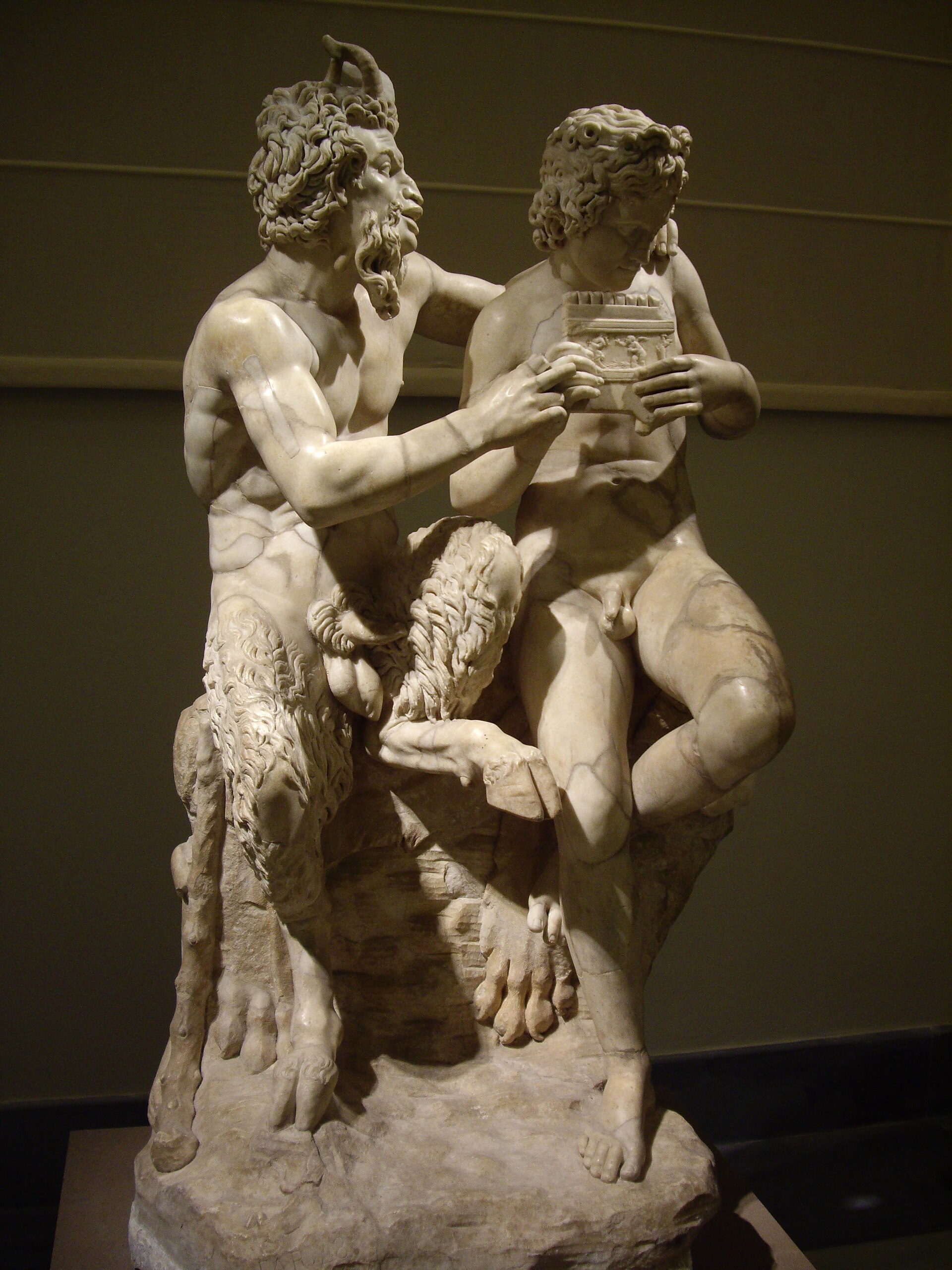

Homeric Hymns · Hymn 19
Pan, Beloved Son of Hermes
Πάν
Prayer and ritual
These hymns may be spoken as complete prayers to the Gods. Within the Temple’s practice, a ritual is a direct theurgical act; hymnody gathers the mind and turns it toward the Divine, helping the initiate enter reverent communion with the Gods.
Use a hymn on its own in place of another prayer, or add it to the prayer portion of a suitable ritual. Choose according to the deity addressed and the petition expressed in the hymn. When combining them, preserve the ritual’s prescribed sequence and let the hymn give voice to its purpose.
The petition of this hymn
Honour Pan’s mountain presence, pastoral life, music, and delight among the Gods.
Pray with this hymn in contemplation of mountains, springs, animals, and the living world. It may accompany a rite for the flourishing of land or for musical inspiration, allowing the reed music and the dance of the Nymphs to shape the devotional attention.
English hieratic rendering
Hymn 19 · An English rendering aligned with the Greek lines.
- Muse, tell me of the beloved offspring of Hermes,
- with the feet of a goat, two horns, and love of clattering mirth, who through the meadows
- rich in trees wanders with the Nymphs who rejoice in dance;
- they tread the crests of the sheer rock,
- calling upon Pan, God of pastures, with splendid hair,
- shaggy, who has received every snowy hill,
- the peaks of the mountains and the rocky summits.
- He roams here and there through the dense thickets,
- now wandering beside the gentle streams,
- now passing among the towering rocks,
- climbing to the highest peak from which the sheep are seen.
- Often he has run across the great gleaming mountains,
- often traversed the slopes, slaying wild beasts,
- keen of sight; and at evening he sounds alone,
- returning from the hunt, playing upon his reeds a music
- sweet and soothing. No bird could surpass him in melody,
- that bird which amid the leaves of spring rich in flowers
- pours out its lament and sounds a song sweet as honey.
- Then with these sounds the clear singing mountain Nymphs,
- moving with quick feet beside a spring of dark water,
- sing and dance; Echo resounds about the mountain summit.
- The God moves here and there in the dance, and now advances to the midst,
- stepping swiftly with his feet; over his back he wears the tawny
- skin of a lynx, rejoicing in his heart at the clear songs,
- in a soft meadow where crocus and fragrant hyacinth
- flourish, mingling thickly with the grass.
- They hymn the blessed Gods and lofty Olympos;
- and above all others they tell of beneficent Hermes,
- how he is the swift Messenger to all the Gods,
- and how he came to Arkadia rich in springs, the mother of sheep,
- where his sacred precinct stands as Lord of Kyllene.
- There, though a God, he tended rough fleeced sheep
- in the service of a mortal man; for tender longing had come upon him
- to join in love with the lovely haired daughter of Dryops.
- He fulfilled the flourishing marriage; and within the halls she bore
- a beloved son to Hermes, at once monstrous to behold,
- with the feet of a goat, two horns, love of clattering mirth, and a sweet laugh.
- The nurse sprang up and fled, abandoning the child;
- for she was afraid when she saw his fierce face and full beard.
- But beneficent Hermes at once took him into his hands,
- receiving him, and the God's heart rejoiced exceedingly.
- Swiftly he went to the seats of the Immortals, wrapping the child
- in the thick skins of a hare that dwells upon the mountains;
- he sat beside Zeus and the other Immortals,
- and showed his son. All the Immortals rejoiced
- within their hearts, and above all Bacchic Dionysos.
- They called him Pan, because he delighted the hearts of all.
- And so hail, sovereign Lord; I seek your favour in song,
- and I shall remember both you and another song.
Ancient Greek & pronunciation
Read the English pronunciation spelling directly below each Greek line.
- ἀμφί μοι Ἑρμείαο φίλον γόνον ἔννεπε, Μοῦσα,ahm-FEE mee ehr-MEE-ah-oh FEE-lohn GHOH-nohn EH-neh-peh, MOO-sah,
- αἰγιπόδην, δικέρωτα, φιλόκροτον, ὅστ’ ἀνὰ πίσηeh-yee-POH-dheen, dhee-KEH-roh-tah, fee-LOH-kroh-tohn, OHST’ ah-NAH PEE-see
- δενδρήεντ’ ἄμυδις φοιτᾷ χορογηθέσι νύμφαις,dhehn-DHREE-ehnd’ AH-mee-dhees fee-TAH khoh-roh-yee-THEH-see NEEM-fehs,
- αἵ τε κατ’ αἰγίλιπος πέτρης στείβουσι κάρηναEH teh kaht’ eh-YEE-lee-pohs PEH-trees STEE-voo-see KAH-ree-nah
- Πᾶν’ ἀνακεκλόμεναι, νόμιον θεόν, ἀγλαέθειρον,PAHN’ ah-nah-keh-KLOH-meh-neh, NOH-mee-ohn theh-OHN, ah-ghlah-EH-thee-rohn,
- αὐχμήενθ’, ὃς πάντα λόφον νιφόεντα λέλογχεahfkh-MEE-ehnth’, OHS PAHN-dah LOH-fohn nee-FOH-ehn-dah LEH-lohn-hyeh
- καὶ κορυφὰς ὀρέων καὶ πετρήεντα κάρηνα.KEH koh-ree-FAHS oh-REH-ohn KEH peh-TREE-ehn-dah KAH-ree-nah.
- φοιτᾷ δ’ ἔνθα καὶ ἔνθα διὰ ῥωπήια πυκνά,fee-TAH dh’ EHN-thah KEH EHN-thah dhee-AH roh-PEE-ee-ah peek-NAH,
- ἄλλοτε μὲν ῥείθροισιν ἐφελκόμενος μαλακοῖσιν,AH-loh-teh MEHN REE-three-seen eh-fehl-KOH-meh-nohs mah-lah-KEE-seen,
- ἄλλοτε δ’ αὖ πέτρῃσιν ἐν ἠλιβάτοισι διοιχνεῖ,AH-loh-teh dh’ AHV PEH-tree-seen ehn ee-lee-VAH-tee-see dhee-eekh-NEE,
- ἀκροτάτην κορυφὴν μηλοσκόπον εἰσαναβαίνων.ah-kroh-TAH-teen koh-ree-FEEN mee-loh-SKOH-pohn ee-sah-nah-VEH-nohn.
- πολλάκι δ’ ἀργινόεντα διέδραμεν οὔρεα μακρά,poh-LAH-kee dh’ ahr-yee-NOH-ehn-dah dhee-EH-dhrah-mehn OO-reh-ah mah-KRAH,
- πολλάκι δ’ ἐν κνημοῖσι διήλασε θῆρας ἐναίρων,poh-LAH-kee dh’ ehn knee-MEE-see dhee-EE-lah-seh THEE-rahs eh-NEH-rohn,
- ὀξέα δερκόμενος· τότε δ’ ἕσπερος ἔκλαγεν οἶονohk-SEH-ah dhehr-KOH-meh-nohs· TOH-teh dh’ EH-speh-rohs EH-klah-yehn EE-ohn
- ἄγρης ἐξανιών, δονάκων ὕπο μοῦσαν ἀθύρωνAH-ghrees ehk-sah-nee-OHN, dhoh-NAH-kohn EE-poh MOO-sahn ah-THEE-rohn
- νήδυμον· οὐκ ἂν τόν γε παραδράμοι ἐν μελέεσσινNEE-dhee-mohn· ook AHN TOHN yeh pah-rah-DHRAH-mee ehn meh-LEH-eh-seen
- ὄρνις, ἥτ’ ἔαρος πολυανθέος ἐν πετάλοισιOHR-nees, EET’ EH-ah-rohs poh-lee-ahn-THEH-ohs ehn peh-TAH-lee-see
- θρῆνον ἐπιπροχέουσ’ ἀχέει μελίγηρυν ἀοιδήν.THREE-nohn eh-pee-proh-HYEH-oos’ ah-HYEH-ee meh-LEE-yee-reen ah-ee-DHEEN.
- σὺν δέ σφιν τότε Νύμφαι ὀρεστιάδες λιγύμολποιSEEN DHEH sfeen TOH-teh NEEM-feh oh-reh-stee-AH-dhehs lee-YEE-mohl-pee
- φοιτῶσαι πύκα ποσσὶν ἐπὶ κρήνῃ μελανύδρῳfee-TOH-seh PEE-kah poh-SEEN eh-PEE KREE-nee meh-lah-NEE-dhroh
- μέλπονται· κορυφὴν δὲ περιστένει οὔρεος Ἠχώ·MEHL-pohn-deh· koh-ree-FEEN DHEH peh-ree-STEH-nee OO-reh-ohs ee-KHOH·
- δαίμων δ’ ἔνθα καὶ ἔνθα χορῶν, τοτὲ δ’ ἐς μέσον ἕρπων,DHEH-mohn dh’ EHN-thah KEH EHN-thah khoh-ROHN, toh-TEH dh’ ehs MEH-sohn EHR-pohn,
- πυκνὰ ποσὶν διέπει, λαῖφος δ’ ἐπὶ νῶτα δαφοινὸνpeek-NAH poh-SEEN dhee-EH-pee, LEH-fohs dh’ eh-PEE NOH-tah dhah-fee-NOHN
- λυγκὸς ἔχει, λιγυρῇσιν ἀγαλλόμενος φρένα μολπαῖςleen-GOHS EH-hyee, lee-yee-REE-seen ah-ghah-LOH-meh-nohs FREH-nah mohl-PEHS
- ἐν μαλακῷ λειμῶνι, τόθι κρόκος ἠδ’ ὑάκινθοςehn mah-lah-KOH lee-MOH-nee, TOH-thee KROH-kohs eedh’ ee-AH-keen-thohs
- εὐώδης θαλέθων καταμίσγεται ἄκριτα ποίῃ.eh-VOH-dhees thah-LEH-thohn kah-tah-MEEZ-yeh-teh AH-kree-tah PEE-ee.
- ὑμνεῦσιν δὲ θεοὺς μάκαρας καὶ μακρὸν Ὄλυμπον·eem-NEHF-seen DHEH theh-OOS MAH-kah-rahs KEH mah-KROHN OH-leem-bohn·
- οἷόν θ’ Ἑρμείην ἐριούνιον ἔξοχον ἄλλωνEE-OHN th’ ehr-MEE-een eh-ree-OO-nee-ohn EHK-soh-khohn AH-lohn
- ἔννεπον, ὡς ὅ γ’ ἅπασι θεοῖς θοὸς ἄγγελός ἐστι,EH-neh-pohn, ohs OH gh’ AH-pah-see theh-EES thoh-OHS AHN-geh-LOHS eh-stee,
- καί ῥ’ ὅ γ’ ἐς Ἀρκαδίην πολυπίδακα, μητέρα μήλων,KEH r’ OH gh’ ehs ahr-kah-DHEE-een poh-lee-PEE-dhah-kah, mee-TEH-rah MEE-lohn,
- ἐξίκετ’, ἔνθα τέ οἱ τέμενος Κυλληνίου ἐστίν.ehk-SEE-keht’, EHN-thah TEH ee TEH-meh-nohs kee-lee-NEE-oo eh-STEEN.
- ἔνθ’ ὅ γε καὶ θεὸς ὢν ψαφαρότριχα μῆλ’ ἐνόμευενEHNTH’ OH yeh KEH theh-OHS OHN psah-fah-ROH-tree-khah MEEL’ eh-NOH-meh-vehn
- ἀνδρὶ πάρα θνητῷ θάλε γὰρ πόθος ὑγρὸς ἐπελθὼνahn-DHREE PAH-rah thnee-TOH THAH-leh GHAHR POH-thohs ee-GHROHS eh-pehl-THOHN
- νύμφῃ ἐυπλοκάμῳ Δρύοπος φιλότητι μιγῆναι·NEEM-fee eh-ee-ploh-KAH-moh DHREE-oh-pohs fee-LOH-tee-tee mee-YEE-neh·
- ἐκ δ’ ἐτέλεσσε γάμον θαλερόν. τέκε δ’ ἐν μεγάροισινehk dh’ eh-TEH-leh-seh GHAH-mohn thah-leh-ROHN. TEH-keh dh’ ehn meh-GHAH-ree-seen
- Ἑρμείῃ φίλον υἱόν, ἄφαρ τερατωπὸν ἰδέσθαι,ehr-MEE-ee FEE-lohn ee-OHN, AH-fahr teh-rah-toh-POHN ee-DHEHS-theh,
- αἰγιπόδην, δικέρωτα, φιλόκροτον, ἡδυγέλωτα·eh-yee-POH-dheen, dhee-KEH-roh-tah, fee-LOH-kroh-tohn, ee-dhee-YEH-loh-tah·
- φεῦγε δ’ ἀναΐξασα, λίπεν δ’ ἄρα παῖδα τιθήνηFEHV-yeh dh’ ah-nah-EEK-sah-sah, LEE-pehn dh’ AH-rah PEH-dhah tee-THEE-nee
- δεῖσε γάρ, ὡς ἴδεν ὄψιν ἀμείλιχον, ἠυγένειον.DHEE-seh GHAHR, ohs EE-dhehn OHP-seen ah-MEE-lee-khohn, ee-ee-YEH-nee-ohn.
- τὸν δ’ αἶψ’ Ἑρμείας ἐριούνιος εἰς χέρα θῆκεTOHN dh’ EHPS’ ehr-MEE-ahs eh-ree-OO-nee-ohs ees HYEH-rah THEE-keh
- δεξάμενος, χαῖρεν δὲ νόῳ περιώσια δαίμων.dhehk-SAH-meh-nohs, HYEH-rehn DHEH NOH-oh peh-ree-OH-see-ah DHEH-mohn.
- ῥίμφα δ’ ἐς ἀθανάτων ἕδρας κίε παῖδα καλύψαςREEM-fah dh’ ehs ah-thah-NAH-tohn EH-dhrahs KEE-eh PEH-dhah kah-LEEP-sahs
- δέρμασιν ἐν πυκινοῖσιν ὀρεσκῴοιο λαγωοῦDHEHR-mah-seen ehn pee-kee-NEE-seen oh-reh-SKOH-ee-oh lah-ghoh-OO
- πὰρ δὲ Ζηνὶ κάθιζε καὶ ἄλλοις ἀθανάτοισι,PAHR DHEH zee-NEE KAH-thee-zeh KEH AH-lees ah-thah-NAH-tee-see,
- δεῖξε δὲ κοῦρον ἑόν· πάντες δ’ ἄρα θυμὸν ἔτερφθενDHEEK-seh DHEH KOO-rohn eh-OHN· PAHN-dehs dh’ AH-rah thee-MOHN EH-tehrf-thehn
- ἀθάνατοι, περίαλλα δ’ ὁ Βάκχειος Διόνυσος·ah-THAH-nah-tee, peh-REE-ah-lah dh’ oh VAHK-hyee-ohs dhee-OH-nee-sohs·
- Πᾶνα δέ μιν καλέεσκον, ὅτι φρένα πᾶσιν ἔτερψε.PAH-nah DHEH meen kah-LEH-eh-skohn, OH-tee FREH-nah PAH-seen EH-tehrp-seh.
- καὶ σὺ μὲν οὕτω χαῖρε, ἄναξ, ἵλαμαι δέ σ’ ἀοιδῇKEH SEE MEHN OO-toh HYEH-reh, AH-nahks, EE-lah-meh DHEH s’ ah-ee-DHEE
- αὐτὰρ ἐγὼ καὶ σεῖο καὶ ἄλλης μνήσομ’ ἀοιδῆς.ahf-TAHR eh-GHOH KEH SEE-oh KEH AH-lees MNEE-sohm’ ah-ee-DHEES.
Short sound guide for English speakers
Every line beneath the Greek uses English pronunciation spellings. Say each hyphenated syllable in sequence and emphasize the syllable in CAPITALS. For example, οὐρανόθεν is oo-rah-NOH-thehn. Read adjacent vowels separately: theh-AH has two syllables; oo-rah-NEE-een has four. Hyphens guide the voice; they do not mark pauses.
| Spelling | Sound to make |
|---|---|
| ah · eh · ee · oh · oo | father · met · see · go without its final glide · moon. Keep these vowels clear in unstressed syllables too. |
| th · dh | The unvoiced th in thin · the voiced th in this. Thus DHEE begins with the sound in “thee.” |
| kh | The ch in Scottish loch or German Bach: let air pass at the back of the mouth, without closing it into a k. |
| hy | The breathy beginning of a carefully spoken Hugh. Raise the middle of the tongue toward the roof of the mouth and let air pass without voice. In shy, sound s followed by hy; do not use the English sh sound or the English word “shy.” |
| gh | Make the kh sound above, then add voice. Keep the passage open; this is a flowing sound, not a hard g. |
| y · g | y as in yes, with gentle friction · always a hard g as in get. |
| r | Tap the tongue lightly behind the upper teeth, or use a light roll. |
| ks · ps | Sound both consonants, even at the beginning of a word: ks as in backs, ps as in lips. |
| n-g · m-b · n-d | Sound the nasal and the following consonant. In AHN-geh-leh, the n-g group is like finger, with the g audible. |
Always sound s as in hiss, even at the end of DHEE-kees; z is voiced, as in zero. All other consonants have their usual English sounds. Initial consonant groups may be unfamiliar: sound every written consonant, without inserting an extra vowel. A word without capitals carries no written stress in the Greek. Where two syllables have capitals, both written accents are retained. An apostrophe marks a vowel already elided in the Greek; do not add it back. A hyphen at the end of a Greek verse joins the unfinished word to the next verse.
These spellings follow the Modern Greek liturgical reading used throughout this library. Breathings and iota subscripts are silent; separately pronounced vowels remain separate. The few Greek consonants without an exact English equivalent use the sound cues above. Ancient vowel length, pitch accent and metre are not reconstructed.
Hymn notes
Sacred meaning
Pan belongs to snowy heights, rocky summits, pastures, and the shared music of the Nymphs. His startling bodily form first causes fear, while Hermes receives him with joy and the Gods delight in him. The poem connects his name with the delight of all, giving the wild God a welcomed place in the divine gathering.
Textual note
The association of Pan’s name with πᾶσιν, “all”, is the poem’s own wordplay. It is preserved as poetic etymology, without claiming a demonstrated linguistic derivation.
Text and attribution
Greek text: Hugh G. Evelyn-White, Hymn 19 to Pan (1914), Perseus Digital Library. Greek source. The English hieratic rendering and suggested devotional use are new editorial work. The applications are guidance for this library, not additional lines of the ancient poem.