
Orphic Hymns · Hymn 42
Mise
Μίσης
Prayer and ritual
These hymns may be spoken as complete prayers to the Gods. Within the Temple’s practice, a ritual is a direct theurgical act; hymnody gathers the mind and turns it toward the Divine, helping the initiate enter reverent communion with the Gods.
Use a hymn on its own in place of another prayer, or add it to the prayer portion of a suitable ritual. Choose according to the deity addressed and the petition expressed in the hymn. When combining them, preserve the ritual’s prescribed sequence and let the hymn give voice to its purpose.
The petition of this hymn
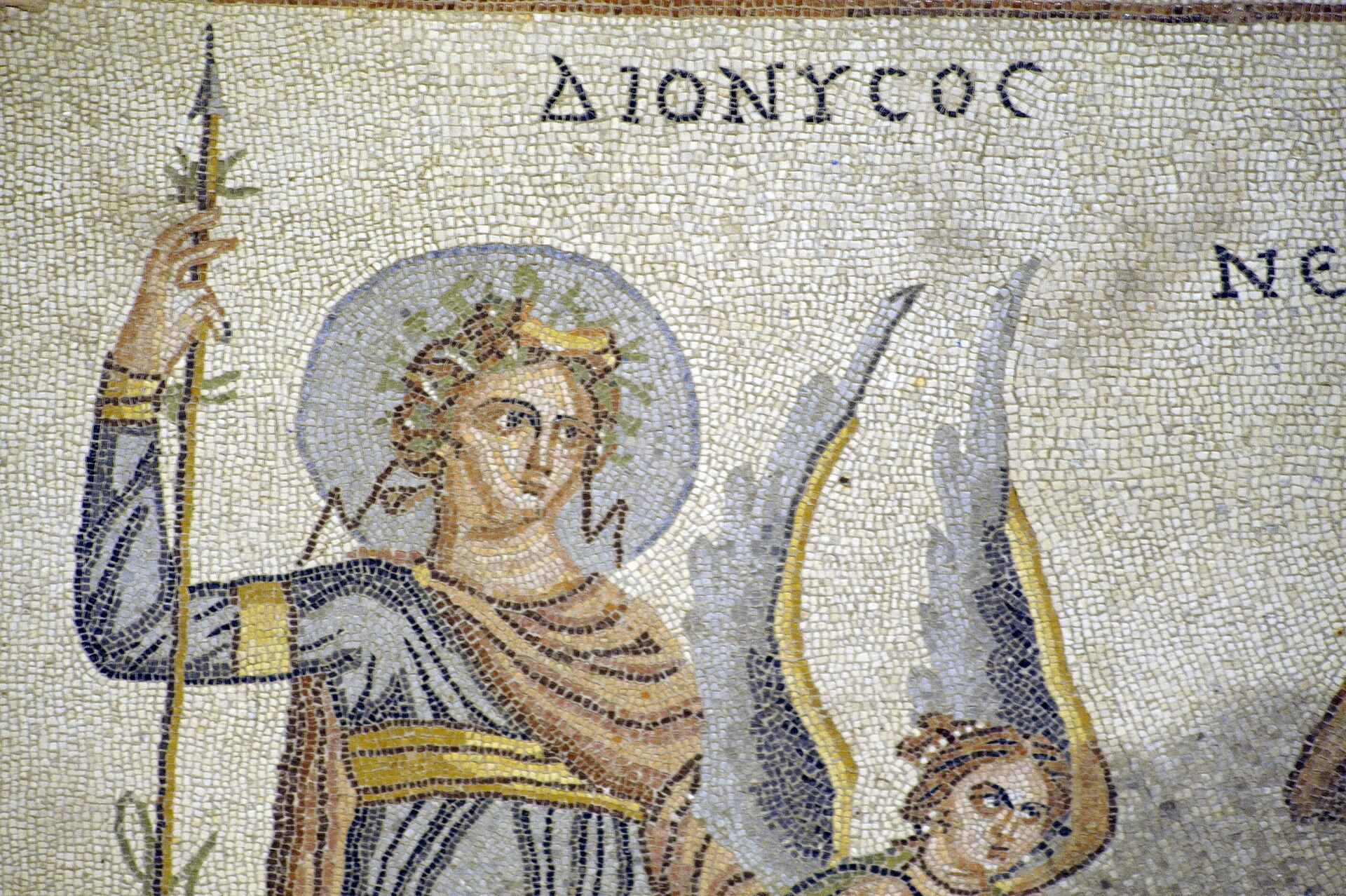
For the blessing of Mise and the liberating Dionysian presence upon sacred effort and initiation.
Recite this hymn as a prayer for Mise’s gracious presence and the good fulfillment of an undertaking. It may also supplement a Dionysian or initiatory rite, especially one already honoring the Mother or Isis, whose sacred associations the hymn names.
English hieratic rendering
Hymn 42 · An English rendering aligned with the Greek lines.
- I call upon law-bearing Dionysus, bearer of the fennel staff,
- much-remembered seed of Eubouleus, known by many names,
- and upon pure and sacred Mise, ineffable sovereign,
- male and female, of double nature, liberating Iacchos:
- whether you delight in the incense-filled temple of Eleusis,
- or celebrate the mysteries in Phrygia with the Mother,
- or delight in Cyprus with fair-crowned Kythereia,
- or rejoice in the sacred wheat-bearing plains
- with your own mother, revered Isis, goddess robed in black,
- beside Egypt’s flowing river, with the attendant nurses:
- come graciously, bringing good fulfillment to our labors.
Ancient Greek & pronunciation
Read the English pronunciation spelling directly below each Greek line.
- Θεσμοφόρον καλέω ναρθηκοφόρον Διόνυσον,theh-zmoh-FOH-rohn kah-LEH-oh nahr-thee-koh-FOH-rohn dhee-OH-nee-sohn,
- σπέρμα πολύμνηστον, πολυώνυμον Εὐβουλῆος,SPEHR-mah poh-LEEM-nee-stohn, poh-lee-OH-nee-mohn eh-voo-LEE-ohs,
- ἁγνήν τ’ εὐίερόν τε Μίσην, ἄρρητον ἄνασσαν,ahgh-NEEN t’ eh-VEE-eh-ROHN teh MEE-seen, AH-ree-tohn AH-nah-sahn,
- ἄρσενα καὶ θῆλυν, διφυῆ, λύσειον Ἴακχον·AHR-seh-nah KEH THEE-leen, dhee-fee-EE, LEE-see-ohn EE-ahk-khohn·
- εἴτ’ ἐν Ἐλευσῖνος τέρπῃ νηῷ θυόεντι,EET’ ehn eh-lehf-SEE-nohs TEHR-pee nee-OH thee-OH-ehn-dee,
- εἴτε καὶ ἐν Φρυγίῃ σὺν Μητέρι μυστιπολεύεις,EE-teh KEH ehn free-YEE-ee SEEN mee-TEH-ree mee-stee-poh-LEH-vees,
- ἢ Κύπρῳ τέρπῃ σὺν εὐστεφάνῳ Κυθερείῃ,EE KEE-proh TEHR-pee SEEN ehf-steh-FAH-noh kee-theh-REE-ee,
- ἢ καὶ πυροφόροις πεδίοις ἐπαγάλλεαι ἁγνοῖςEE KEH pee-roh-FOH-rees peh-DHEE-ees eh-pah-GHAH-leh-eh ahgh-NEES
- σὺν σῇ μητρὶ θεᾷ μελανηφόρῳ Ἴσιδι σεμνῇ,SEEN SEE mee-TREE theh-AH meh-lah-nee-FOH-roh EE-see-dhee sehm-NEE,
- Αἰγύπτου παρὰ χεῦμα σὺν ἀμφιπόλοισι τιθήναις·eh-YEEP-too pah-RAH HYEHV-mah SEEN ahm-fee-POH-lee-see tee-THEE-nehs·
- εὐμενέουσ’ ἔλθοις ἀγάθ’ ἐκτελέουσ’ ἐπ’ ἀέθλους.ehv-meh-NEH-oos’ EHL-thees ah-GHAHTH’ ehk-teh-LEH-oos’ ehp’ ah-EHTH-loos.
Short sound guide for English speakers
Every line beneath the Greek uses English pronunciation spellings. Say each hyphenated syllable in sequence and emphasize the syllable in CAPITALS. For example, οὐρανόθεν is oo-rah-NOH-thehn. Read adjacent vowels separately: theh-AH has two syllables; oo-rah-NEE-een has four. Hyphens guide the voice; they do not mark pauses.
| Spelling | Sound to make |
|---|---|
| ah · eh · ee · oh · oo | father · met · see · go without its final glide · moon. Keep these vowels clear in unstressed syllables too. |
| th · dh | The unvoiced th in thin · the voiced th in this. Thus DHEE begins with the sound in “thee.” |
| kh | The ch in Scottish loch or German Bach: let air pass at the back of the mouth, without closing it into a k. |
| hy | The breathy beginning of a carefully spoken Hugh. Raise the middle of the tongue toward the roof of the mouth and let air pass without voice. In shy, sound s followed by hy; do not use the English sh sound or the English word “shy.” |
| gh | Make the kh sound above, then add voice. Keep the passage open; this is a flowing sound, not a hard g. |
| y · g | y as in yes, with gentle friction · always a hard g as in get. |
| r | Tap the tongue lightly behind the upper teeth, or use a light roll. |
| ks · ps | Sound both consonants, even at the beginning of a word: ks as in backs, ps as in lips. |
| n-g · m-b · n-d | Sound the nasal and the following consonant. In AHN-geh-leh, the n-g group is like finger, with the g audible. |
Always sound s as in hiss, even at the end of DHEE-kees; z is voiced, as in zero. All other consonants have their usual English sounds. Initial consonant groups may be unfamiliar: sound every written consonant, without inserting an extra vowel. A word without capitals carries no written stress in the Greek. Where two syllables have capitals, both written accents are retained. An apostrophe marks a vowel already elided in the Greek; do not add it back. A hyphen at the end of a Greek verse joins the unfinished word to the next verse.
These spellings follow the Modern Greek liturgical reading used throughout this library. Breathings and iota subscripts are silent; separately pronounced vowels remain separate. The few Greek consonants without an exact English equivalent use the sound cues above. Ancient vowel length, pitch accent and metre are not reconstructed.
Hymn notes
Sacred meaning
The hymn joins law-bearing Dionysus, ineffable Mise, and liberating Iacchos in a double-natured presence. Its sacred geography spans Eleusis, Phrygia, Cyprus, and Egypt. The closing petition asks that divine presence bring human efforts to a good completion.
Ancient offering rubric: Storax.
Textual note
The digital form Μίση,ν is a transcription error for Μίσην. Kythereia is Aphrodite. The overlapping divine forms and double gender are preserved.
Text and attribution
Greek text: Eugenius Abel, Orphica (1885), printed pages 81. The text follows the printed main reading of this edition; source-specific variants are recorded where relevant. Read the digitised edition. Greek source. Wikisource transcription, revision 124338; checked and corrected against Abel’s print. The English hieratic rendering and suggested devotional use are new editorial work. The applications are guidance for this library, not additional lines of the ancient poem.