
Orphic Hymns · Proem
Prayer to Mousaios: Invocation of the Gods
Εὐχὴ πρὸς Μουσαῖον
Prayer and ritual
These hymns may be spoken as complete prayers to the Gods. Within the Temple’s practice, a ritual is a direct theurgical act; hymnody gathers the mind and turns it toward the Divine, helping the initiate enter reverent communion with the Gods.
Use a hymn on its own in place of another prayer, or add it to the prayer portion of a suitable ritual. Choose according to the deity addressed and the petition expressed in the hymn. When combining them, preserve the ritual’s prescribed sequence and let the hymn give voice to its purpose.
The petition of this hymn
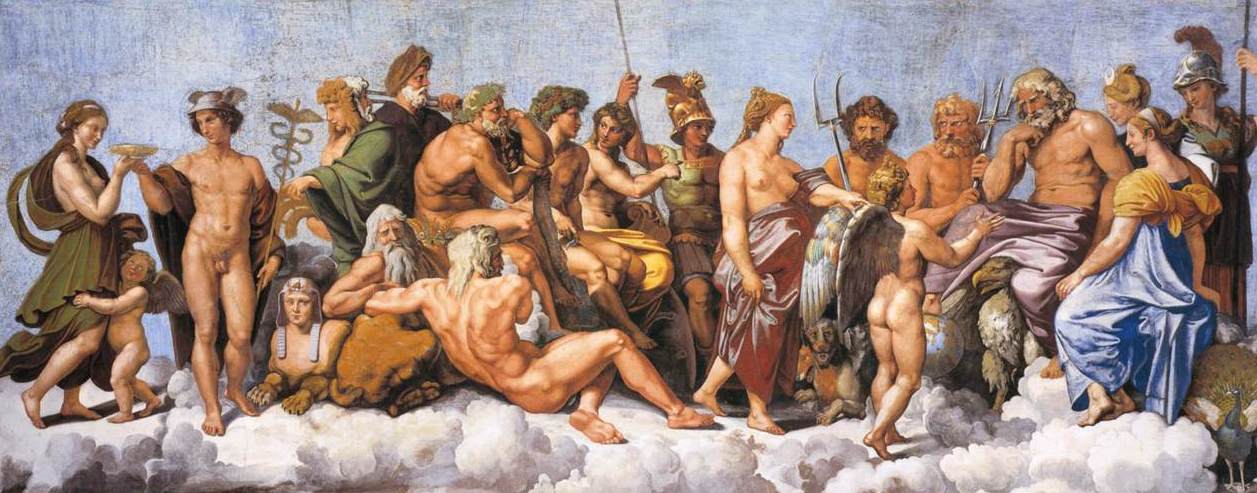
A comprehensive prayer welcoming the Gods and the divine powers of heaven, earth, sea, and the unseen realms. Its closing petition asks them to receive the sacred service with kindly and joyful hearts.
Recite independently as an offering of reverence to the assembled Gods. It may also introduce an established rite by gathering the mind before the particular deity and purpose of that rite.
English hieratic rendering
Proem · An English rendering aligned with the Greek lines.
- Learn now, Mousaios, the most solemn service of sacrifice,
- a prayer surpassing all others for you.
- O Zeus the King, and Gaia, and the pure heavenly flames
- of Helios, the sacred radiance of Mene, and all the Stars,
- and you, Poseidon who holds the Earth, with dark blue hair,
- and holy Persephone, and Demeter rich in splendid fruit,
- and Artemis the Maiden who showers arrows, and O Phoibos Ieios,
- who dwell on Delphi's holy ground; and you who receive the greatest
- honours among the blessed Gods, Dionysos the Dancer;
- and Ares of mighty heart, and the holy strength of Hephaistos,
- and the Goddess born of foam, allotted gifts of glorious name;
- and you, King of those beneath the earth, supremely exalted Daimon;
- and Hebe, Eileithyia, and the noble might of Herakles,
- and the great blessing of Righteousness and Reverence
- I invoke, with the renowned Nymphs and Pan the greatest,
- and Hera, flourishing consort of Zeus who bears the aegis.
- I call upon lovely Mnemosyne and the holy Muses,
- all nine, and the Graces, and the Seasons, and the Year,
- and divine Leto of lovely hair, and venerable Dione,
- and the armed Kouretes, the Korybantes, and the Kabeiroi,
- and the great Saviours together, the imperishable children of Zeus,
- and the Idaian Gods, and the messenger of the heavenly ones,
- Hermes the Herald, and Themis, who watches over mortal sacred rites.
- I call upon eldest Night and Day that brings the light,
- and Faith, and Justice, and the blameless Giver of Laws,
- and Rhea, and Kronos, and Tethys in her dark blue robe,
- and great Okeanos, together with the daughters of Okeanos,
- and the supremely mighty strength of Atlas and Aion,
- and everflowing Time, and the splendid water of Styx,
- and the gentle Gods, and with them beneficent Providence,
- and the most holy Daimon, and the Daimon that brings mortals affliction,
- the Daimones of heaven, of air, and of the waters,
- of earth, of the underworld, and those who move within the fire,
- and Semele, and all who raise the Bacchic cry together,
- and Ino Leukothea, and Palaimon the giver of abundance,
- and Nike of sweet speech, and sovereign Adrasteia,
- and great King Asklepios, who bestows gentle gifts,
- and Pallas the Maiden who awakens battle, and all the Winds,
- I call the Thunders and the parts of the Cosmos upheld on four pillars.
- I invoke the Mother of the Immortals, Attis and Men,
- and the Heavenly Goddess, together with immortal, holy Adonis,
- and Beginning and End, for this is greatest for all,
- to come in kindness, bearing a heart made glad,
- to this holy service of sacrifice and this solemn libation.
Ancient Greek & pronunciation
Read the English pronunciation spelling directly below each Greek line.
- Μάνθανε δή, Μουσαῖε, θυηπολίην περισέμνην,MAHN-thah-neh DHEE, moo-SEH-eh, thee-ee-poh-LEE-een peh-ree-SEHM-neen,
- εὐχήν, ἣ δή τοι προφερεστέρη ἐστὶν ἁπασέων.ehf-HYEEN, EE DHEE tee proh-feh-reh-STEH-ree eh-STEEN ah-pah-SEH-ohn.
- Ζεῦ βασιλεῦ καὶ Γαῖα καὶ οὐράνιαι φλόγες ἁγναὶZEHV vah-see-LEHV KEH YEH-ah KEH oo-RAH-nee-eh FLOH-yehs ahgh-NEH
- Ἠελίου, Μήνης θ’ ἱερὸν σέλας Ἄστρα τε πάντα,ee-eh-LEE-oo, MEE-nees th’ ee-eh-ROHN SEH-lahs AH-strah teh PAHN-dah,
- καὶ σύ, Ποσείδαον γαιήοχε, κυανοχαῖτα,KEH SEE, poh-SEE-dhah-ohn yeh-EE-oh-hyeh, kee-ah-noh-HYEH-tah,
- Φερσεφόνη θ’ ἁγνὴ Δημήτηρ τ’ ἀγλαόκαρπεfehr-seh-FOH-nee th’ ahgh-NEE dhee-MEE-teer t’ ah-ghlah-OH-kahr-peh
- Ἄρτεμί τ’ ἰοχέαιρα, κόρη, καὶ ἤιε Φοῖβε,AHR-teh-MEE t’ ee-oh-HYEH-eh-rah, KOH-ree, KEH EE-ee-eh FEE-veh,
- ὃς Δελφῶν ναίεις ἱερὸν πέδον· ὅς τε μεγίσταςOHS dhehl-FOHN NEH-ees ee-eh-ROHN PEH-dhohn· OHS teh meh-YEE-stahs
- τιμὰς ἐν μακάρεσσιν ἔχεις, Διόνυσε χορευτά·tee-MAHS ehn mah-KAH-reh-seen EH-hyees, dhee-OH-nee-seh khoh-rehf-TAH·
- Ἆρές τ’ ὀβριμόθυμε καὶ Ἡφαίστου μένος ἁγνὸνAH-REHS t’ oh-vree-MOH-thee-meh KEH ee-FEH-stoo MEH-nohs ahgh-NOHN
- ἀφρογενής τε θεά, μεγαλώνυμα δῶρα λαχοῦσα·ah-froh-yeh-NEES teh theh-AH, meh-ghah-LOH-nee-mah DHOH-rah lah-KHOO-sah·
- καὶ σύ, καταχθονίων βασιλεῦ, μέγ’ ὑπείροχε δαῖμον·KEH SEE, kah-tahkh-thoh-NEE-ohn vah-see-LEHV, MEHGH’ ee-PEE-roh-hyeh DHEH-mohn·
- Ἥβη τ’ Εἰλείθυια καὶ Ἡρακλέος μένος ἠύ,EE-vee t’ ee-LEE-thee-ah KEH ee-rah-KLEH-ohs MEH-nohs ee-EE,
- καὶ τὸ Δικαιοσύνης τε καὶ Εὐσεβίης μέγ’ ὄνειαρKEH TOH dhee-keh-oh-SEE-nees teh KEH ehf-seh-VEE-ees MEHGH’ OH-nee-ahr
- κικλήσκω Νύμφας τε κλυτὰς καὶ Πᾶνα μέγιστονkee-KLEE-skoh NEEM-fahs teh klee-TAHS KEH PAH-nah MEH-yee-stohn
- Ἥρην τ’, αἰγιόχοιο Διὸς θαλερὴν παράκοιτιν·EE-reen t’, eh-yee-OH-hyee-oh dhee-OHS thah-leh-REEN pah-RAH-kee-teen·
- Μνημοσύνην τ’ ἐρατὴν Μούσας τ’ ἐπικέκλομαι ἁγνὰςmnee-moh-SEE-neen t’ eh-rah-TEEN MOO-sahs t’ eh-pee-KEH-kloh-meh ahgh-NAHS
- ἐννέα καὶ Χάριτάς τε καὶ Ὥρας ἠδ’ Ἐνιαυτὸνeh-NEH-ah KEH KHAH-ree-TAHS teh KEH OH-rahs eedh’ eh-nee-ahf-TOHN
- Λητώ τ’ εὐπλόκαμον θείην σεμνήν τε Διώνηνlee-TOH t’ ehf-PLOH-kah-mohn THEE-een sehm-NEEN teh dhee-OH-neen
- Κουρῆτάς τ’ ἐνόπλους Κορύβαντάς τ’ ἠδὲ Καβείρουςkoo-REE-TAHS t’ eh-NOH-ploos koh-REE-vahn-DAHS t’ ee-DHEH kah-VEE-roos
- καὶ μεγάλους Σωτῆρας ὁμοῦ, Διὸς ἄφθιτα τέκνα,KEH meh-GHAH-loos soh-TEE-rahs oh-MOO, dhee-OHS AHF-thee-tah TEHK-nah,
- Ἰδαίους τε θεοὺς ἠδ’ ἄγγελον οὐρανιώνων,ee-DHEH-oos teh theh-OOS eedh’ AHN-geh-lohn oo-rah-nee-OH-nohn,
- Ἑρμείαν κήρυκα, Θέμιν θ’, ἱεροσκόπον ἀνδρῶν,ehr-MEE-ahn KEE-ree-kah, THEH-meen th’, ee-eh-roh-SKOH-pohn ahn-DHROHN,
- Νύκτα τε πρεσβίστην καλέω καὶ φωσφόρον Ἦμαρ,NEEK-tah teh prehz-VEE-steen kah-LEH-oh KEH foh-SFOH-rohn EE-mahr,
- Πίστιν τ’ ἠδὲ Δίκην καὶ ἀμύμονα Θεσμοδότειραν,PEE-steen t’ ee-DHEH DHEE-keen KEH ah-MEE-moh-nah theh-zmoh-DHOH-tee-rahn,
- Ῥείαν τ’ ἠδὲ Κρόνον καὶ Τηθὺα κυανόπεπλονREE-ahn t’ ee-DHEH KROH-nohn KEH tee-THEE-ah kee-ah-NOH-peh-plohn
- Ὠκεανόν τε μέγαν, σύν τ’ Ὠκεανοῖο θύγατραςoh-keh-ah-NOHN teh MEH-ghahn, SEEN t’ oh-keh-ah-NEE-oh THEE-ghah-trahs
- Ἄτλαντός τε καὶ Αἰῶνος μέγ’ ὑπείροχον ἰσχὺνAHT-lahn-DOHS teh KEH eh-OH-nohs MEHGH’ ee-PEE-roh-khohn ees-HYEEN
- καὶ Χρόνον ἀέναον καὶ τὸ Στυγὸς ἀγλαὸν ὕδωρKEH KHROH-nohn ah-EH-nah-ohn KEH TOH stee-GHOHS ah-ghlah-OHN EE-dhohr
- μειλιχίους τε θεούς, ἀγαθήν τ’ ἐπὶ τοῖσι Πρόνοιανmee-lee-HYEE-oos teh theh-OOS, ah-ghah-THEEN t’ eh-PEE TEE-see PROH-nee-ahn
- Δαίμονά τ’ ἠγάθεον καὶ Δαίμονα πήμονα θνητῶν,DHEH-moh-NAH t’ ee-GHAH-theh-ohn KEH DHEH-moh-nah PEE-moh-nah thnee-TOHN,
- Δαίμονας οὐρανίους τε καὶ ἠερίους καὶ ἐνύδρουςDHEH-moh-nahs oo-rah-NEE-oos teh KEH ee-eh-REE-oos KEH eh-NEE-dhroos
- καὶ χθονίους καὶ ὑποχθονίους ἠδ’ ἐμπυριφοίτους,KEH khthoh-NEE-oos KEH ee-pohkh-thoh-NEE-oos eedh’ ehm-bee-ree-FEE-toos,
- καὶ Σεμέλην Βάκχου τε συνευαστῆρας ἅπαντας,KEH seh-MEH-leen VAHK-khoo teh see-neh-vah-STEE-rahs AH-pahn-dahs,
- Ἰνὼ Λευκοθέην τε Παλαίμονά τ’ ὀλβιοδώτηνee-NOH lehf-koh-THEH-een teh pah-LEH-moh-NAH t’ ohl-vee-oh-DHOH-teen
- Νίκην θ’ ἡδυέπειαν ἰδ’ Ἀδρήστειαν ἄνασσανNEE-keen th’ ee-dhee-EH-pee-ahn eedh’ ah-DHREE-stee-ahn AH-nah-sahn
- καὶ βασιλῆα μέγαν Ἀσκληπιὸν ἠπιοδώτην,KEH vah-see-LEE-ah MEH-ghahn ah-sklee-pee-OHN ee-pee-oh-DHOH-teen,
- Παλλάδα τ’ ἐγρεμάχην κούρην, Ἀνέμους τε πρόπανταςpah-LAH-dhah t’ eh-ghreh-MAH-hyeen KOO-reen, ah-NEH-moos teh PROH-pahn-dahs
- καὶ Βροντὰς Κόσμου τε μέρη τετρακίονος αὐδῶ·KEH vrohn-DAHS KOH-zmoo teh MEH-ree teh-trah-KEE-oh-nohs ahv-DHOH·
- Μητέρα τ’ ἀθανάτων, Ἄττιν καὶ Μῆνα κικλήσκωmee-TEH-rah t’ ah-thah-NAH-tohn, AH-teen KEH MEE-nah kee-KLEE-skoh
- Οὐρανίην τε θεάν, σύν τ’ ἄμβροτον ἁγνὸν Ἄδωνινoo-rah-NEE-een teh theh-AHN, SEEN t’ AHM-vroh-tohn ahgh-NOHN AH-dhoh-neen
- Ἀρχήν τ’ ἠδὲ Πέρας, — τὸ γὰρ ἔπλετο πᾶσι μέγιστον —ahr-HYEEN t’ ee-DHEH PEH-rahs, — TOH GHAHR EH-pleh-toh PAH-see MEH-yee-stohn —
- εὐμενέας ἐλθεῖν κεχαρημένον ἦτορ ἔχονταςehv-meh-NEH-ahs ehl-THEEN keh-khah-ree-MEH-nohn EE-tohr EH-khohn-dahs
- τήνδε θυηπολίην ἱερὴν σπονδήν τ’ ἐπὶ σεμνήν.TEEN-dheh thee-ee-poh-LEE-een ee-eh-REEN spohn-DHEEN t’ eh-PEE sehm-NEEN.
Short sound guide for English speakers
Every line beneath the Greek uses English pronunciation spellings. Say each hyphenated syllable in sequence and emphasize the syllable in CAPITALS. For example, οὐρανόθεν is oo-rah-NOH-thehn. Read adjacent vowels separately: theh-AH has two syllables; oo-rah-NEE-een has four. Hyphens guide the voice; they do not mark pauses.
| Spelling | Sound to make |
|---|---|
| ah · eh · ee · oh · oo | father · met · see · go without its final glide · moon. Keep these vowels clear in unstressed syllables too. |
| th · dh | The unvoiced th in thin · the voiced th in this. Thus DHEE begins with the sound in “thee.” |
| kh | The ch in Scottish loch or German Bach: let air pass at the back of the mouth, without closing it into a k. |
| hy | The breathy beginning of a carefully spoken Hugh. Raise the middle of the tongue toward the roof of the mouth and let air pass without voice. In shy, sound s followed by hy; do not use the English sh sound or the English word “shy.” |
| gh | Make the kh sound above, then add voice. Keep the passage open; this is a flowing sound, not a hard g. |
| y · g | y as in yes, with gentle friction · always a hard g as in get. |
| r | Tap the tongue lightly behind the upper teeth, or use a light roll. |
| ks · ps | Sound both consonants, even at the beginning of a word: ks as in backs, ps as in lips. |
| n-g · m-b · n-d | Sound the nasal and the following consonant. In AHN-geh-leh, the n-g group is like finger, with the g audible. |
Always sound s as in hiss, even at the end of DHEE-kees; z is voiced, as in zero. All other consonants have their usual English sounds. Initial consonant groups may be unfamiliar: sound every written consonant, without inserting an extra vowel. A word without capitals carries no written stress in the Greek. Where two syllables have capitals, both written accents are retained. An apostrophe marks a vowel already elided in the Greek; do not add it back. A hyphen at the end of a Greek verse joins the unfinished word to the next verse.
These spellings follow the Modern Greek liturgical reading used throughout this library. Breathings and iota subscripts are silent; separately pronounced vowels remain separate. The few Greek consonants without an exact English equivalent use the sound cues above. Ancient vowel length, pitch accent and metre are not reconstructed.
Hymn notes
Sacred meaning
The sequence embraces generation, order, memory, justice, health, destiny, and the boundaries of existence within one act of invocation. In a theological reading, the movement from Zeus and Gaia to Beginning and End prepares the worshipper to approach a particular God within the fullness of divine order.
Textual note
The proem is addressed to Mousaios before invoking the Gods. It is presented as entry 000, distinct from numbered hymns 1–87. The divine names Men and Mene are distinct in this text; Aion and Chronos are likewise retained separately. The epithet Ieios in line 7 is retained; its ancient interpretation includes the ritual cry addressed to Apollo, and it is not reduced here to a single disputed etymology.
Text and attribution
Greek text: Eugenius Abel, Orphica (1885), printed pages 57, 58. The text follows the printed main reading of this edition; source-specific variants are recorded where relevant. Read the digitised edition. Greek source. Wikisource transcription, revision 124057; checked and corrected against Abel’s print. The English hieratic rendering and suggested devotional use are new editorial work. The applications are guidance for this library, not additional lines of the ancient poem.