Ptah, Hephaistos (Mulciber/Vulcan) Power Ritual
Grand Architect of the Gods, Self-Begotten, Lord of Defined Measurement, He Who Shapes the Bodies of Mankind
- This Ritual is based on vibrating the Runes and making certain affirmations. Raising your energies before the Ritual is advised.
- The Sigil that is provided is the point of focus for this Ritual.
- The Runes that are done here can be vibrated around the center of the Sigil, where the Shenu Protection Ring is. You can imagine this lighting up so much, like the Sun has a layer of light surrounding all of it.
- Vibrate these Runes in a short version [i.e., do not draw the runic vibration on a very big breath, especially for those who are new and can't do that many vibrations]. Click here to pronounce the runes.
- This Ritual contains 216 Vibrations, which is about 2 circles of Mala beads. If you can't do that many, reduce the number of vibrations by half [e.g., instead of vibrating the Runes 10 times each, only do 5 vibrations].
 Fehux10
 Ansuzx10Fehux10
You have gone by many Names: Hephaistus, Vulcan, Ptah, Patah, and Gobbanus.
We, the Initiates of the Temple of Zeus, welcome you to the Divine Assembly.
Glorified are your Names on this Day!
Every people that has worked metal, every hand that has shaped stone, every mind that has designed a form from the formless: all have worked in your shadow.
 Dagazx10
 Ingwazx10Dagazx10
Self-Begotten,
Self-Shaped,
Self-Created,
Self-Defined,
You who needed no mold, for you are the mold itself.
May your Wisdom flow within us.
Dagazx10 Mannazx10Dagazx10
Self-Fashioner,
Self-Designer,
Self-Measurer,
Self-Infinite.
You who spoke the world into shape upon the potter's wheel of your heart.
May your Creation flow within us.
 Thurisazx10
 Tiwazx10
 Othalax10
As Zeus created Mankind's Souls,
You shaped the bodies of Mankind.
Honorable is your Creation,
Lord of Defined Measurement!
The soul is the fire; the body is the vessel you forged to hold it.
Othalax10 Perthrox10
 Kenazx10
The House of Aether is your Anvil,
Hit the Anvil, Creator Gobbanus!
May your blessings of creation fall upon us,
Othalax10Dagazx10 Sowilox10
May your Creations arrive to us abundantly,
May we be provided for through your Creation.
Bless us with the sound of your Divine Anvil!
For each strike of the hammer is a heartbeat of the cosmos, and we live because you keep striking.
We declare the truth of your identity. We recognize you for who you Truly are.
Blessed are we in your Creative Power, Excellent One.
Created are we, inside your blessings!
Great is your Infinity, Pa Tah,
Great is your Power, Gobbanus,
Great is your Creative fire, Vulcan,
Great is your Design, Ifestos!
In Zeus's Eternal Name, Single is Your Glory, You are The One!
After you are done with this, you can meditate on Mulciber's Sigil in the Temple of Zeus, or the one below. Let yourself be immersed and receive energy from Mulciber.
It's important to meditate on yourself after the Ritual calmly for a few minutes.
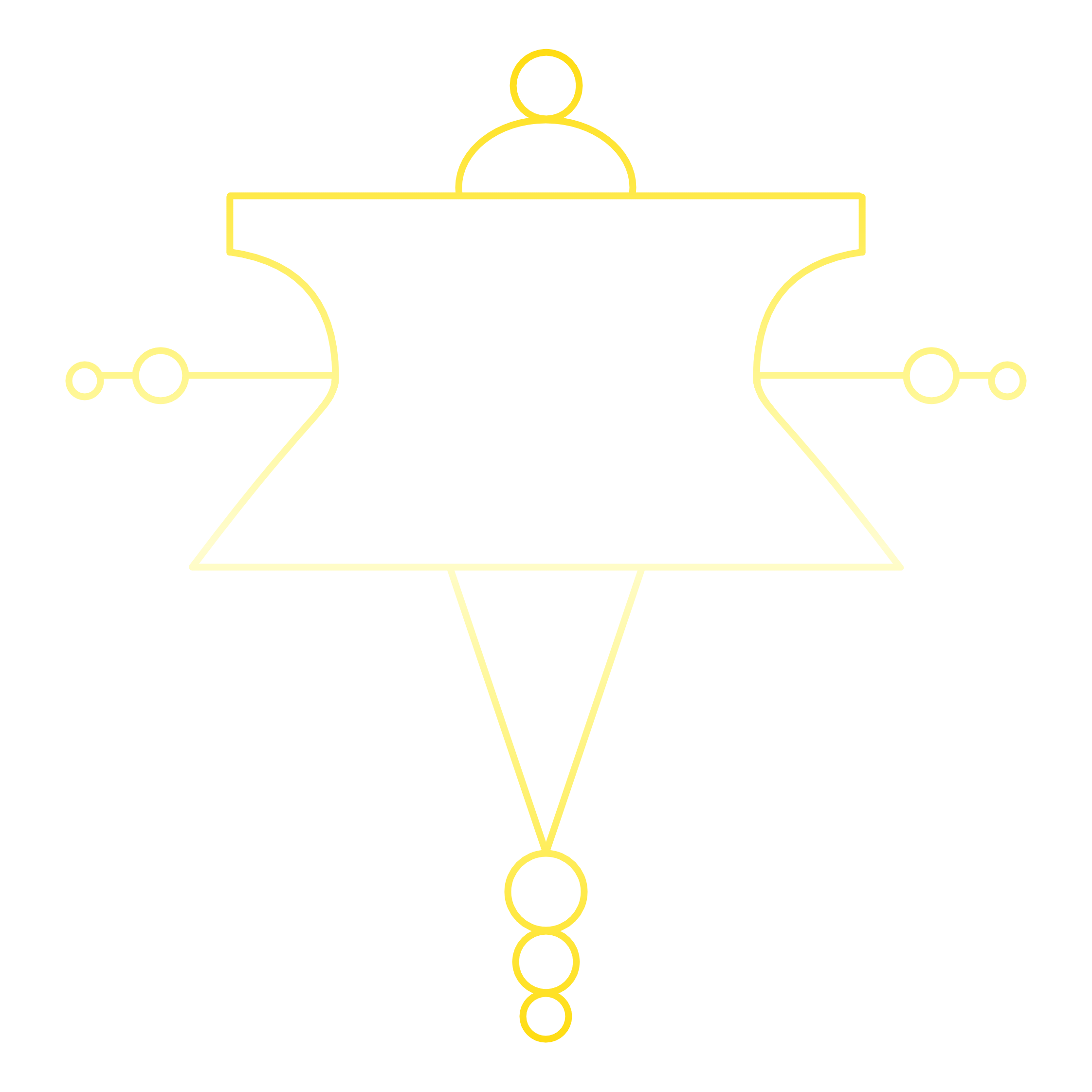
SAT
सत्: SAT, real, true, truthful in Sanskrit.
The Shen Ring
The Symbol that Encapsulates the Sigil: The Shen Ring, Egyptian Hieroglyphic language. The Shen also survived in Chinese tradition as a glyph for Spiritual Force, Divine Force, and God.
Letters of the Sigil
The Ancient Greek letters for Hephaestus's Name in arrangement.
On the God of Many Names
This deity is attested across at least five distinct civilizations under different names, all pointing to the same divine function: the sacred craftsman who shapes raw matter into form. Hephaestus (Greek: Ἥφαιστος) is the Olympian smith-god, son of Zeus and Hera (or of Hera alone), maker of the weapons of the Gods, the chains of Prometheus, and the shield of Achilles (Homer, Iliad XVIII.468-617). Ptah (Egyptian: Peteh) is the creator-god of Memphis, who shaped the world through the utterance of his heart and tongue (the Shabaka Stone / Memphis Theology, c. 710 BCE). Vulcan (Latin: Volcanus) is the Roman smith-god whose forge lies beneath Mount Etna. Gobbanus (also Goibniu) is the divine smith of the Irish Tuatha De Danann, whose weapons never missed and whose ale granted immortality. Mulciber (Latin: "he who softens," i.e. smelts metal) is the poetic name used by Virgil and later appropriated by Milton.
(Sources: Homer, Iliad XVIII.468-617; Shabaka Stone (British Museum EA 498); Virgil, Aeneid VIII.416-453; Cath Maige Tuired; Wilkinson, The Complete Gods and Goddesses of Ancient Egypt, 2003; Burkert, Greek Religion, 1985)
On the Self-Litanies
The ritual's twin litanies (Self-Begotten/Self-Shaped/Self-Created/Self-Defined for Hephaestus; Self-Fashioner/Self-Designer/Self-Measurer/Self-Infinite for Ptah) reflect the theology of the autogenes (self-generated) deity found in both Greek and Egyptian traditions. Ptah's epithet in the Memphis Theology is kheper djesef ("who came into being through himself"). Hephaestus, uniquely among the Olympians, is the God who makes himself: he was cast out and returned, was broken and rebuilt himself, proving that the divine craftsman's first and greatest creation is his own existence.